 PlaceBee
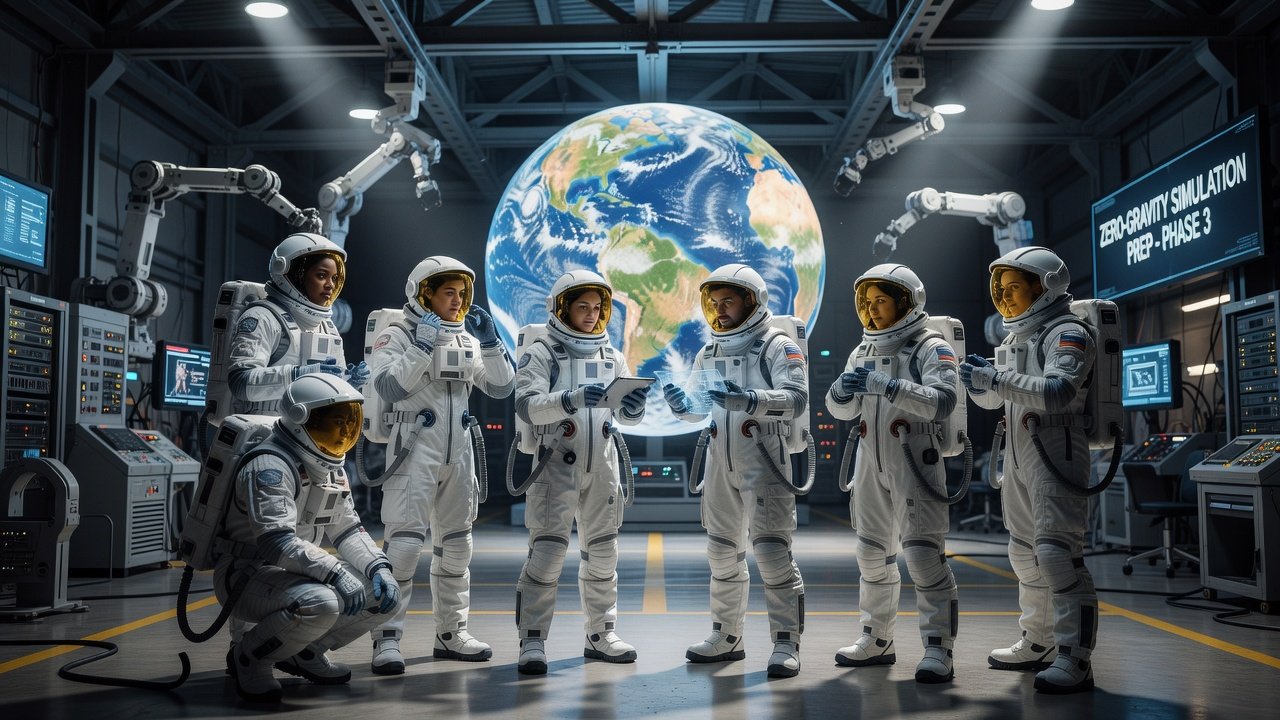
Introduction to Space Extreme Sports Training
Space tourism is emerging as the ultimate frontier for extreme sports enthusiasts seeking 2026 adventure travel experiences. Astronaut-style training programs blend physical conditioning with cutting-edge technology, allowing thrill-seekers to prepare for suborbital flights and zero-gravity environments. This crossover transforms traditional outdoor adventures into high-tech expeditions that combine elements of aviation, scuba diving, and endurance sports. As commercial spaceflight matures, these programs attract adventurers who already tackle skydiving, mountaineering, and deep-sea exploration, offering a seamless bridge between terrestrial thrills and orbital realities.
Participants engage in rigorous regimens that simulate space conditions, building resilience while satisfying the demand for novel, adrenaline-pumping activities. Training emphasizes not only physical fitness but also mental acuity, preparing individuals for the disorienting effects of microgravity and rapid acceleration. With 2026 marking increased flight availability, enthusiasts are turning to these programs to elevate their adventure travel portfolios beyond conventional limits like base jumping or whitewater rafting.
Zero-Gravity Simulations: Floating into the Unknown
Zero-gravity simulations form the cornerstone of space extreme sports training. These experiences use parabolic flights or neutral buoyancy pools to replicate weightlessness. Trainees perform tasks like equipment handling and body control maneuvers without gravity's pull, enhancing spatial awareness and coordination skills transferable to adventure sports such as free diving or paragliding. Parabolic aircraft flights create repeated 20- to 30-second periods of weightlessness, while underwater facilities allow prolonged practice with scuba gear for realistic resistance training.
Real-world examples include recent participants from adventure travel groups who reported improved proprioception after sessions. These simulations often last 20-30 seconds per parabola, with multiple repetitions building tolerance. Operators integrate AI-driven feedback systems to analyze movement patterns and optimize performance, providing instant data on body positioning and efficiency. Adventurers note that mastering these environments translates directly to better control during high-altitude paragliding or cave diving excursions back on Earth.
G-Force Conditioning and Centrifuge Training
G-force conditioning prepares the body for launch and re-entry stresses. Centrifuges spin trainees at increasing velocities to mimic forces up to 3-4 Gs, training cardiovascular systems and preventing blackouts. This mirrors the demands of high-speed adventure activities like Formula racing or bungee jumping but at extreme levels. Sessions typically begin with medical screenings to establish baselines, then progress to incremental exposures where participants learn anti-G straining maneuvers involving controlled breathing and muscle contractions.
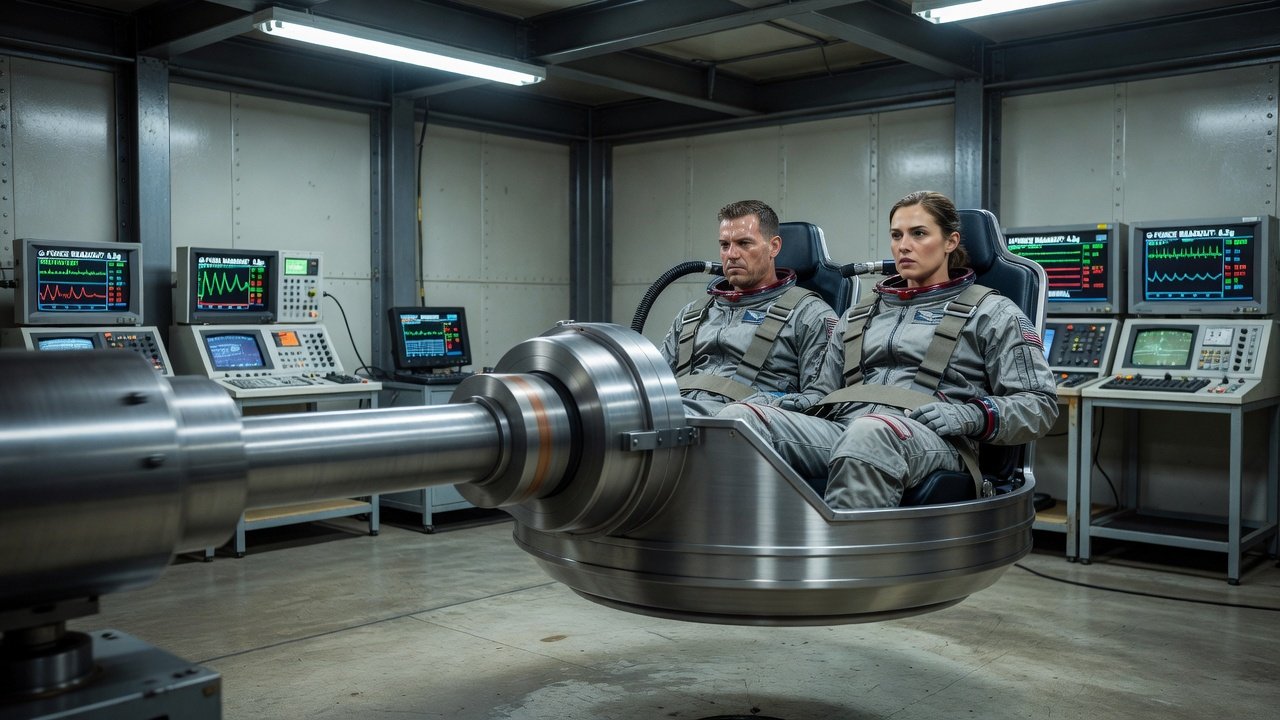
Step-by-step routines typically start with baseline medical screenings, followed by incremental exposure sessions lasting 5-10 minutes. Trainees practice breathing techniques and muscle tensing to maintain blood flow. Recent trainees from extreme sports backgrounds have noted faster adaptation due to prior high-adrenaline experience, such as those coming from motocross or skydiving who already possess strong vestibular systems. Additional conditioning includes tilt-table tests and hypoxia awareness training to simulate cabin pressure changes.
Virgin Galactic vs Blue Origin: Operator Comparisons
Comparing operators reveals distinct training approaches. Virgin Galactic emphasizes winged spacecraft with more pilot-like controls, incorporating flight simulator sessions alongside physical drills that last several days and focus on active participation during ascent. Blue Origin focuses on capsule-based flights with automated systems, prioritizing seated G-force tolerance and shorter overall prep times that can be completed in a weekend format. Both integrate tech insights like biometric monitoring to personalize regimens for adventure travelers, using wearable sensors to track heart rate variability and recovery metrics.
Adventurers often choose based on flight profiles: Virgin Galactic offers longer weightless periods suitable for those blending with aerial sports, while Blue Origin suits those preferring streamlined experiences akin to rapid ascents in mountaineering. Safety records, pilot involvement, and post-flight recovery support also factor into decisions, with each company providing detailed briefings on vehicle-specific risks and emergency procedures.
The Role of AI and Technology in Modern Training
AI and advanced technology are transforming space extreme sports preparation. Machine learning algorithms analyze trainee data from wearables to predict fatigue points and customize workout plans in real time. Virtual reality modules recreate spacecraft interiors for procedural rehearsals, while augmented reality overlays guide movements during simulations. These tools draw from winning trends in professional athletics, enabling precise feedback that accelerates skill acquisition for participants blending space training with outdoor pursuits.
Real Examples from Recent Trainees
Recent trainees include professional athletes who transitioned from Ironman triathlons to space prep. One participant documented improved recovery times in terrestrial adventures post-training, attributing gains to enhanced oxygen efficiency learned in centrifuge work. Another group from adventure travel circles completed joint programs, highlighting enhanced teamwork in zero-G team challenges that mirrored rope team dynamics on alpine climbs.
Step-by-Step Preparation Routines
Effective preparation follows a structured timeline spanning six to eight weeks:
- Week 1-2: Cardiovascular base building with running, swimming, and cycling intervals, plus daily flexibility and core stability work to support spinal health under G-forces.
- Week 3-4: Introduce centrifuge sessions twice weekly alongside balance board exercises and vestibular training to combat disorientation.
- Week 5-6: Full zero-G simulations combined with emergency procedure drills, including rapid suit donning and communication protocols under stress.
- Week 7-8: Nutrition optimization using high-protein plans, mental resilience training via VR scenarios, and final integrated rehearsals with full crew simulations.
These routines incorporate AI analytics for progress tracking, ensuring personalized adjustments based on daily performance logs.
Safety Protocols and Risk Assessments
Safety is paramount, with protocols including pre-flight medical evaluations, real-time health monitoring via ECG and pulse oximetry, and redundant systems in spacecraft. Risk assessments categorize potential issues like motion sickness or decompression sickness, mitigated through gradual exposure and dedicated support teams. NASA guidelines inform many commercial programs, emphasizing evidence-based practices that have been refined over decades of human spaceflight.
Gear Recommendations
Essential gear includes compression suits for G-force management to maintain circulation, moisture-wicking base layers for comfort during intense sessions, and anti-nausea wristbands calibrated for vestibular stabilization. Adventure travelers should also pack versatile items like hydration packs that transition to terrestrial use on hikes or climbs. Tech accessories such as wearable heart rate monitors and smart glasses for data overlays provide seamless integration with training apps, allowing continuous monitoring even after returning to standard adventure sports.
FAQ on Booking and Physical Requirements
What are the physical requirements?
Applicants typically need to pass cardiovascular fitness tests, vision screenings, and have no severe motion sensitivity issues. Height ranges usually fall between 5'0" and 6'4", with weight limits varying by operator to ensure proper seating and harness fit.
How to book a program?
Bookings start via operator websites with initial deposits and detailed medical questionnaires. Availability for 2026 slots opens periodically, often requiring confirmation of fitness milestones before final payment.
Is prior adventure experience necessary?
Not required but highly beneficial for faster adaptation and overall enjoyment, as it builds foundational resilience and situational awareness.
Conclusion
Space extreme sports training represents the pinnacle of 2026 adventure travel, merging physical challenges with technological innovation. By mastering these elements, enthusiasts can safely pursue the next evolution in thrill-seeking while transferring valuable skills back to terrestrial exploits. Virgin Galactic and Blue Origin lead the way, supported by foundational resources from NASA that continue to shape industry standards.
No comments yet. Be the first!