 PlaceBee
Unlocking Authentic Small-Town Experiences in 2026
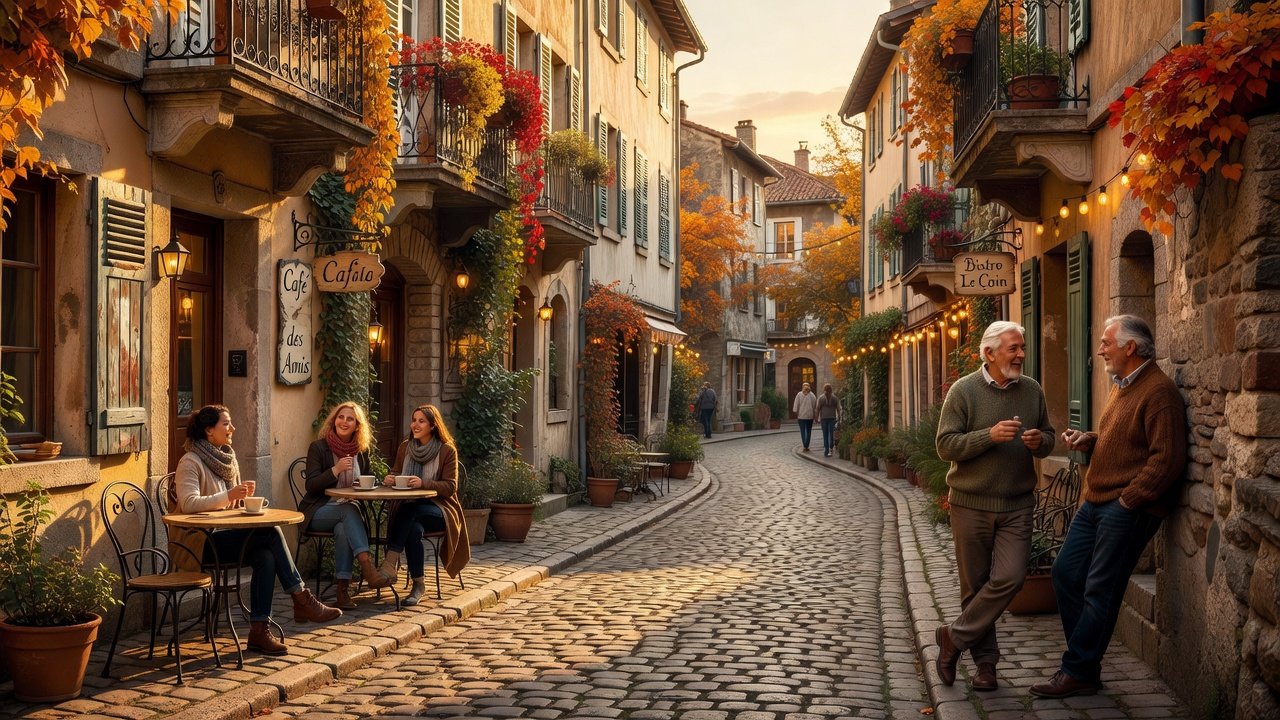
Travelers seeking genuine connections are turning to small towns where residents share their favorite secret spots. This approach emphasizes resident-guided discovery in low-crowd areas, fostering respectful exploration. By focusing on ethical practices, visitors can enjoy off-the-beaten-path sites while supporting local communities and gaining insights that guidebooks simply cannot provide. In 2026, the emphasis shifts toward meaningful exchanges rather than checklist tourism, allowing travelers to experience places as insiders do.
Networking Strategies for Connecting with Locals
Building relationships starts with genuine curiosity and patience. Attend community events like farmers' markets, town hall meetings, or local festivals where conversations flow naturally. Approach people respectfully, perhaps by complimenting a local craft or asking about seasonal changes in the area. In 2026, successful networking also involves timing visits during shoulder seasons when residents have more availability. Always introduce yourself politely and express interest in learning from residents rather than seeking tourist tips. Share a bit about your own background to build rapport before diving into location-specific questions.
Recommended Apps for 2026
Technology plays a key role in bridging gaps without overwhelming communities. LocalBini connects travelers with verified residents for informal chats about daily life. BeWelcome focuses on cultural exchange without commercial pressure, allowing users to arrange meetups based on shared interests. Facebook Groups remain powerful for town-specific community pages where event invites and quiet recommendations appear regularly. Download apps before arrival and review community guidelines to ensure interactions stay respectful and reciprocal.
Ethical Ways to Uncover Hidden Gems
Respect community boundaries by asking permission before visiting private areas or photographing residents. Support local businesses instead of chain stores to keep economic benefits local. Limit group sizes to reduce impact on trails and gathering spots. UNWTO guidelines stress sustainable tourism that benefits residents first. Travelers should also research cultural norms in advance, such as appropriate dress or greeting customs, to avoid unintentional offense. Leaving places better than found, through small acts like picking up litter, builds trust and opens doors to further discoveries.
8-10 Global Small-Town Examples with Seasonal Tips
Here are standout destinations where locals reveal their favorites, each with practical access details:
- Shaftesbury, UK: Spring wildflower walks along hidden paths; pack waterproof layers and binoculars for birdwatching.
- Barichara, Colombia: Summer stone-path hikes to quiet viewpoints; bring reusable water bottles and respect siesta hours.
- Takayama, Japan: Autumn sake tastings in family-run breweries; use light jackets for crisp evenings and learn basic phrases.
- Oia outskirts, Greece: Winter quiet beaches away from cruise crowds; sustainable sunscreen essential and check ferry schedules early.
- Chefchaouen, Morocco: Spring photography in lesser-known blue alleys; modest clothing required and hire local guides for context.
- Hallstatt outskirts, Austria: Summer lake swims with residents; eco-friendly bug spray and early morning starts recommended.
- Portree side villages, Scotland: Fall whisky tours on private estates; sturdy boots for trails and book tastings weeks ahead.
- Luang Prabang outskirts, Laos: Dry season temple visits and river bends; support community markets and carry cash for small vendors.
- Positano hillside hamlets, Italy: Spring lemon groves and family vineyards; reusable bags for produce and learn local recipes.
- Queenstown surrounds, New Zealand: Winter stargazing spots known only to locals; warm merino layers and check weather apps daily.
Sustainable Travel Steps
Choose public transport or bikes over rental cars whenever possible. Offset carbon emissions through verified programs when flights are necessary. Engage National Geographic travel ethics by learning local customs beforehand. Carry a reusable kit including water bottle, utensils, and shopping bags to minimize waste. Research waste disposal rules for each destination and participate in community clean-ups if invited. These steps ensure hidden gems remain pristine for future generations and residents alike.
Packing Checklists
- Versatile clothing layers for variable weather including rain shells and breathable fabrics.
- Reusable water bottle, utensils, and cloth bags to cut single-use plastics.
- Portable charger, offline maps, and a basic translation app for smooth communication.
- Respectful gifts such as local snacks or postcards from home to share during introductions.
- Notebook and pen for jotting resident stories and directions that apps may miss.
- Small first-aid kit and any personal medications with extra days' supply.
Popular vs. Hidden Alternatives Comparison
| Popular Spot | Hidden Alternative | Crowd Level | Authenticity |
|---|---|---|---|
| Paris, France | Small villages in Dordogne | High vs Low | Touristy vs Resident-led |
| Bali beaches | Ubud outskirts farms | High vs Low | Commercial vs Cultural |
| Machu Picchu | Peruvian Andean hamlets | High vs Low | Iconic vs Intimate |
| Rome historic center | Umbrian hill towns | High vs Low | Crowded vs Quiet traditions |
Mistakes to Avoid When Seeking Local Secrets
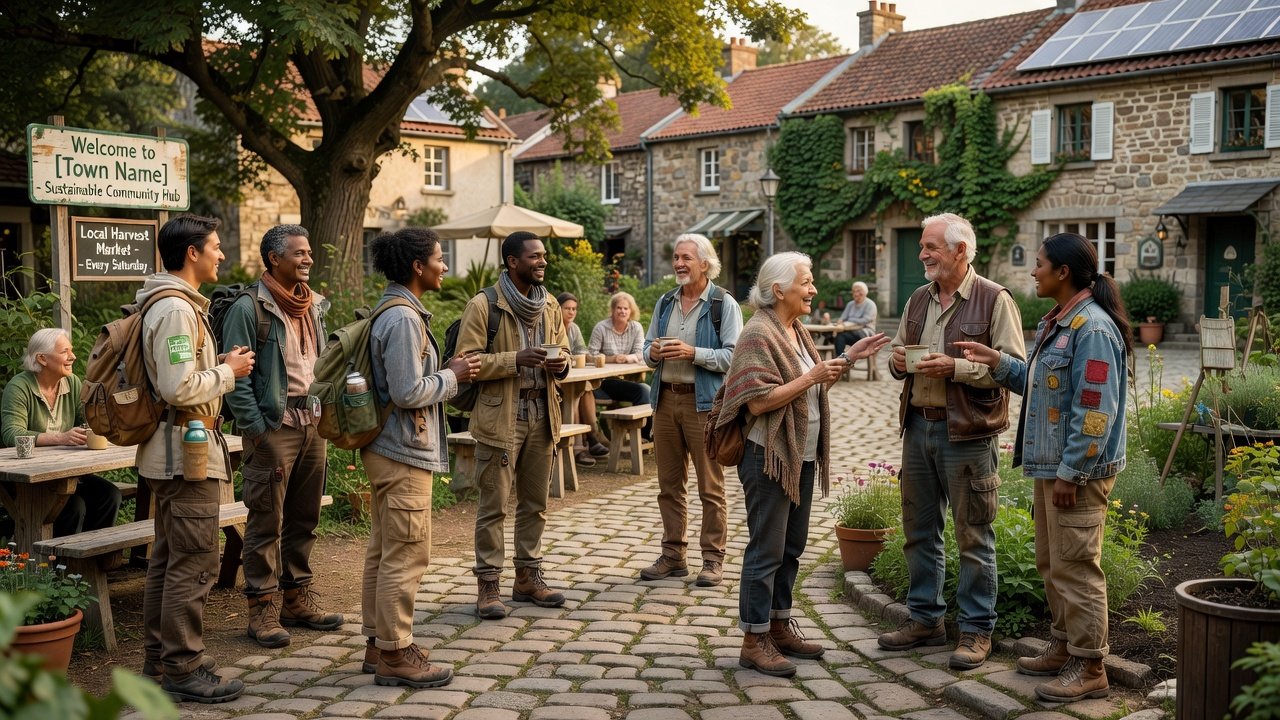
Never share exact coordinates of private spots on social media, as this can lead to overcrowding. Avoid arriving in large groups or during peak local events without invitations. Do not haggle aggressively in small communities where prices reflect fair local wages. Always confirm photography permissions and delete images if asked. Ignoring these can damage relationships and close opportunities for future visitors.
FAQ: Respecting Community Boundaries
How do I ask locals for recommendations without intruding?
Start conversations at public spots like cafes with open-ended questions about their favorite quiet places and listen more than you speak.
What if a spot feels too private?
Always seek explicit permission and leave no trace; if denied, thank the person and move on gracefully.
Are there apps that prioritize ethics?
Yes, platforms like BeWelcome emphasize mutual respect over transactions and include community guidelines for travelers.
How long should I stay in one town?
Three to five days allows time for natural connections without overwhelming residents or rushing discoveries.
What should I do if overtourism starts affecting a spot I found?
Share only general area descriptions online and encourage others to follow the same ethical practices you used.
Conclusion
Embracing these local secrets transforms travel into meaningful exchanges that benefit everyone. By prioritizing ethics, resident voices, and sustainable habits, 2026 journeys to small towns become enriching experiences that preserve the charm of hidden gems for years to come.
No comments yet. Be the first!