 PlaceBee
Introduction to 2026 Wine Region Comparisons
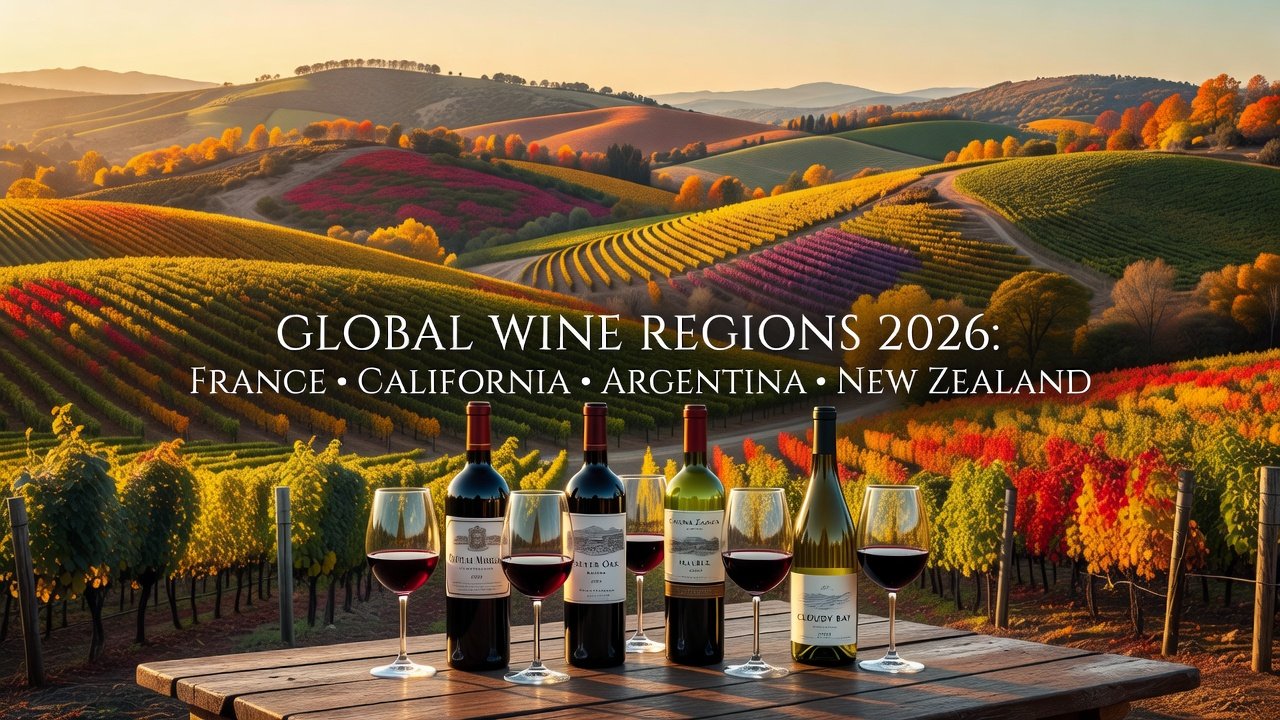
Planning a wine tasting journey in 2026 requires understanding seasonal peaks, emerging destinations, and practical logistics across continents. This comprehensive guide compares nine standout regions, focusing on varietals, climate influences, immersive tasting experiences, and real-world travel considerations. Travelers seeking destination comparisons will find detailed insights into how each area performs during peak harvest windows, including how changing weather patterns affect grape quality and visitor access. From the historic vineyards of Europe to innovative producers in the Southern Hemisphere and lesser-known gems in Eastern Europe, the 2026 season promises diverse opportunities. Whether you prefer structured group tours or independent exploration, this comparison highlights booking strategies, operator choices, and ways to balance costs with memorable experiences. Sustainable tourism practices receive special attention, as more regions adopt eco-friendly methods that appeal to conscious travelers.
European Wine Powerhouses: Bordeaux, Tuscany, Rioja, and Douro
Bordeaux in France remains a benchmark for structured reds, with peak tasting season running from September through mid-October during the harvest. Cabernet Sauvignon and Merlot dominate, delivering complex profiles of blackcurrant, cedar, and tobacco when grown in the gravelly soils of the Left Bank. Climate trends projected for 2026 suggest slightly warmer conditions that could concentrate flavors while requiring careful vineyard management to maintain acidity. Visitors often join château tours that include barrel sampling and vineyard walks, with many estates offering English-language explanations of terroir. Tuscany provides a contrasting Italian elegance centered on Sangiovese grapes in Chianti Classico and Brunello di Montalcino. Peak visits align with late spring and early autumn, when rolling hillsides turn golden and olive harvests overlap with wine events. Food pairings here emphasize hearty dishes such as pappardelle with wild boar ragù or aged pecorino cheeses that complement the wine’s bright cherry and herbal notes.
Further west, Spain’s Rioja region showcases Tempranillo aged in American and French oak, producing elegant reds with vanilla and leather undertones. Harvest peaks in October, allowing travelers to witness mechanical and hand-picking operations. Portugal’s Douro Valley offers dramatic terraced landscapes where Touriga Nacional and Touriga Franca create powerful Ports and table wines. The September-October window coincides with grape stomping festivals that provide authentic cultural immersion. Each of these European destinations benefits from excellent infrastructure, yet requires advance reservations at family-owned estates to secure intimate tastings rather than crowded commercial experiences.
New World Icons: Napa Valley and Mendoza
Napa Valley in California delivers world-class Cabernet Sauvignon and Chardonnay during its August-to-October peak. Volcanic soils and varied microclimates produce bold, fruit-forward wines that pair beautifully with local cheeses and grilled meats. Many wineries now incorporate sustainable certifications, and 2026 visitors can participate in harvest blending seminars that reveal how winemakers adjust for vintage variation. Mendoza in Argentina sits at the foot of the Andes, where Malbec thrives in high-altitude vineyards. February through April marks the optimal tasting period, with cool evening temperatures preserving freshness in the grapes. Travelers frequently combine wine tours with horseback rides through the mountains or picnics featuring empanadas and grilled asado. Both regions see strong international demand, so booking private tastings six months ahead prevents disappointment during busy weekends.
Southern Hemisphere Highlights: Stellenbosch, Marlborough, and Barossa Valley
Stellenbosch in South Africa features Pinotage and Chenin Blanc with optimal visits from February to March. The region’s Mediterranean climate supports outdoor tastings on shaded verandas overlooking Table Mountain. Climate adaptation strategies, including drought-resistant rootstocks, help maintain quality despite variable rainfall. Marlborough on New Zealand’s South Island excels with Sauvignon Blanc that offers zesty grapefruit and passionfruit aromas. March and April bring cooler weather ideal for crisp whites, and many wineries host live music events during harvest. Australia’s Barossa Valley peaks in September and October with robust Shiraz expressions that benefit from old-vine concentration. Barbecues and local produce markets create relaxed tasting atmospheres that suit both solo visitors and groups.
Emerging Destination: Georgia’s Kakheti Region
Georgia’s Kakheti area represents an exciting frontier for 2026 travelers seeking authentic experiences with indigenous grapes such as Saperavi and Rkatsiteli. October harvest festivals feature traditional qvevri fermentation demonstrations in clay vessels buried underground. The region’s continental climate delivers balanced acidity and tannins, while family-run cellars emphasize hospitality with generous spreads of khachapuri bread and walnut sauces. Infrastructure continues to improve, yet the area retains an unspoiled charm compared with more commercialized destinations.
Booking Timelines, Operators, and Practical Logistics
Secure harvest experiences four to six months in advance for popular estates, especially those offering limited-seat blending workshops. Recommended operators include those vetted by national tourism boards and international wine associations. Solo travelers benefit from small-group tours that provide transportation and translation services, while groups of four or more can negotiate private van rentals. Always verify cancellation policies, as weather-related harvest delays occasionally occur.
Budget Considerations and Cost Planning
Daily expenses range from economical tastings at cooperative cellars to premium seated experiences with food pairings. Transportation, lodging, and meals add layers that vary significantly by region and travel style. Review current market rates close to your departure date and build in contingency funds for spontaneous upgrades such as extended library tastings.
Safety Notes and Traveler Well-Being
- Arrange transfers through licensed operators rather than relying on ride-sharing apps in rural zones.
- Carry identification and share itineraries with accommodations when traveling alone.
- Stay hydrated between tastings and designate a driver or use shuttle services after multiple stops.
- Check local health advisories and pack basic medications for minor digestive adjustments common during wine travel.
Step-by-Step Route Planning
- Begin with major international gateways such as Bordeaux or San Francisco to minimize jet lag before first tastings.
- Allocate three to four nights per region to allow for rest days and deeper exploration of secondary producers.
- Combine rail travel between European destinations with rental cars for flexibility in the Americas and Southern Hemisphere.
- Factor in buffer days around harvest festivals to accommodate weather or scheduling changes.
Food Pairing Suggestions Across Regions
Bold European reds complement roasted game and mushroom dishes, while New World Malbecs shine alongside spicy grilled meats. Crisp Sauvignon Blanc pairs with fresh seafood and herb salads. In Georgia, try Saperavi with walnut-based sauces and roasted vegetables for a traditional match that highlights local ingredients.
Frequently Asked Questions on Sustainable Practices
Many regions now participate in organic and biodynamic certification programs. Check resources from the International Organisation of Vine and Wine for updated standards. How can travelers reduce their carbon footprint? Opt for train connections where feasible and support wineries that use solar power or water recycling. Are there recommended apps for locating eco-certified estates? Several national tourism sites provide searchable directories. What should visitors know about water usage in drought-prone areas? Reputable estates publish annual sustainability reports detailing conservation measures. Finally, how do regenerative farming techniques improve wine quality? They enhance soil biodiversity, leading to more resilient vines and nuanced flavor profiles.
Conclusion
By comparing these nine regions in depth, travelers can craft personalized 2026 itineraries that balance iconic estates with emerging discoveries while prioritizing safety, sustainability, and value. Thoughtful planning transforms a simple tasting trip into a rich cultural journey across the world’s most celebrated wine landscapes.

No comments yet. Be the first!