 PlaceBee
Introduction to the World's Premier Scuba Destinations in 2026
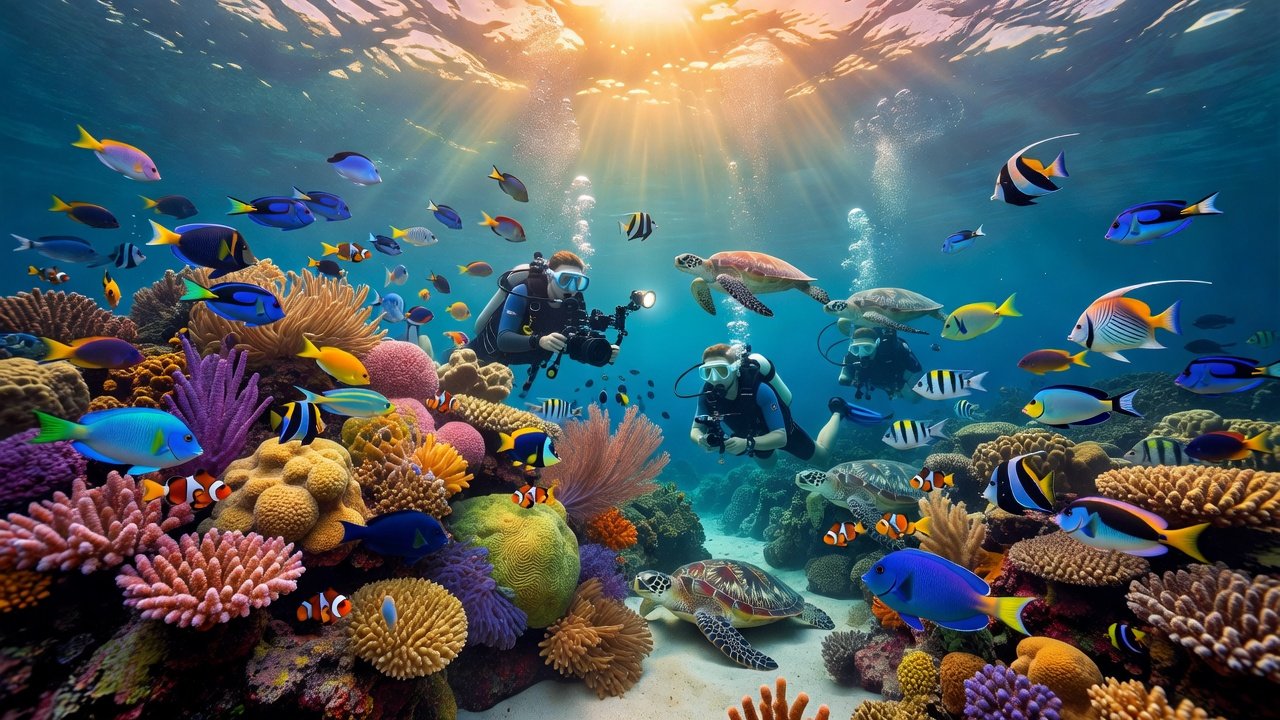
Scuba diving continues to rank among the most sought-after adventure experiences for travelers seeking underwater wonders. In 2026, divers will find exceptional opportunities across eight premier locations that balance accessibility, biodiversity, and infrastructure. This comparison focuses on seasonal visibility peaks, signature marine highlights, appropriate skill levels, and practical planning details drawn from the Caribbean, Southeast Asia, and the Red Sea. Each destination offers unique underwater ecosystems shaped by ocean currents, coral formations, and protected marine areas that support thriving populations of fish, invertebrates, and larger pelagics.
Whether you are a beginner exploring your first open-water certification or an advanced diver chasing pelagic encounters, these havens offer distinct advantages. Real-world examples highlight how each site manages crowds and promotes sustainability through local regulations and operator practices. Planning a trip involves understanding not only the diving conditions but also logistics such as travel requirements, local dive centers, and environmental guidelines that ensure long-term reef health.
Caribbean Standouts: Cozumel and Bonaire
Cozumel, Mexico, delivers reliable visibility from December through April, often exceeding 100 feet along the Mesoamerican Reef system. Divers frequently encounter sea turtles, eagle rays, and vibrant sponges while drifting over walls and shallow reefs. Beginners thrive on the calm drift dives that require minimal swimming effort, while advanced divers explore deeper walls and tunnels. Local operators emphasize reef-safe practices to combat bleaching events, including the use of biodegradable sunscreens and strict no-touch policies. Many divers combine Cozumel trips with nearby cenote dives for a varied itinerary.
Bonaire stands out for its shore diving convenience and protected marine park status that limits anchoring and fishing. Year-round visibility peaks in spring, revealing seahorses, frogfish, and healthy coral gardens at depths suitable for all experience levels. The site suits beginners through easy entry points and marked dive sites, though strong currents occasionally challenge novices at exposed locations. Sustainability notes include strict no-touch rules, limited daily diver numbers per site, and ongoing coral restoration projects that involve volunteer divers. Travelers often rent trucks to access multiple shore entries independently.
Southeast Asia Highlights: Sipadan, Raja Ampat, and Palau
Sipadan in Malaysia offers world-class walls and barracuda tornadoes, with peak visibility from March to October. Advanced divers favor the site for its vertical drops and occasional hammerhead sightings, while beginners enjoy nearby Mabul muck diving for macro photography. Operators recommend advance permits due to daily quotas protecting the ecosystem from overuse. Divers commonly stay at nearby resorts that provide boat transfers and equipment servicing.
Raja Ampat, Indonesia, provides unmatched biodiversity with visibility best between October and April. Encounters with manta rays, wobbegong sharks, and thousands of fish species await across hundreds of dive sites. The region supports all levels through varied sites ranging from gentle lagoons to current-swept passages, and community-led conservation limits liveaboard numbers to reduce crowding. Travelers frequently combine diving with island hopping to experience both underwater and terrestrial biodiversity hotspots.
Palau combines dramatic drop-offs with WWII wrecks that create artificial reefs. Visibility shines from November to March, allowing clear views of reef sharks and colorful anthias. Intermediate and advanced divers appreciate the variety, while sustainability programs enforce catch-and-release policies and marine sanctuary zones. Many operators offer multi-day packages that include land tours of historic sites.
Red Sea Gems: Sharm El Sheikh and Hurghada
Sharm El Sheikh in Egypt features the famous Ras Mohammed reefs with visibility often above 100 feet from May to September. Divers spot dolphins, reef sharks, and colorful anthias along dramatic walls. The area accommodates all levels through a mix of shallow training reefs and deeper exploratory dives, though strong currents suit experienced divers best. Local operators partner with monitoring programs to track coral health and report any damage immediately.
Hurghada offers accessible wrecks and reefs with similar seasonal windows. Beginners practice in sheltered bays while advanced divers explore deeper sites and night dives. Crowd management includes timed boat departures and designated mooring areas. Sustainability efforts focus on mooring buoys to protect coral from anchor damage and educational briefings that teach divers low-impact techniques.
Additional Premier Sites: Maldives and Fiji
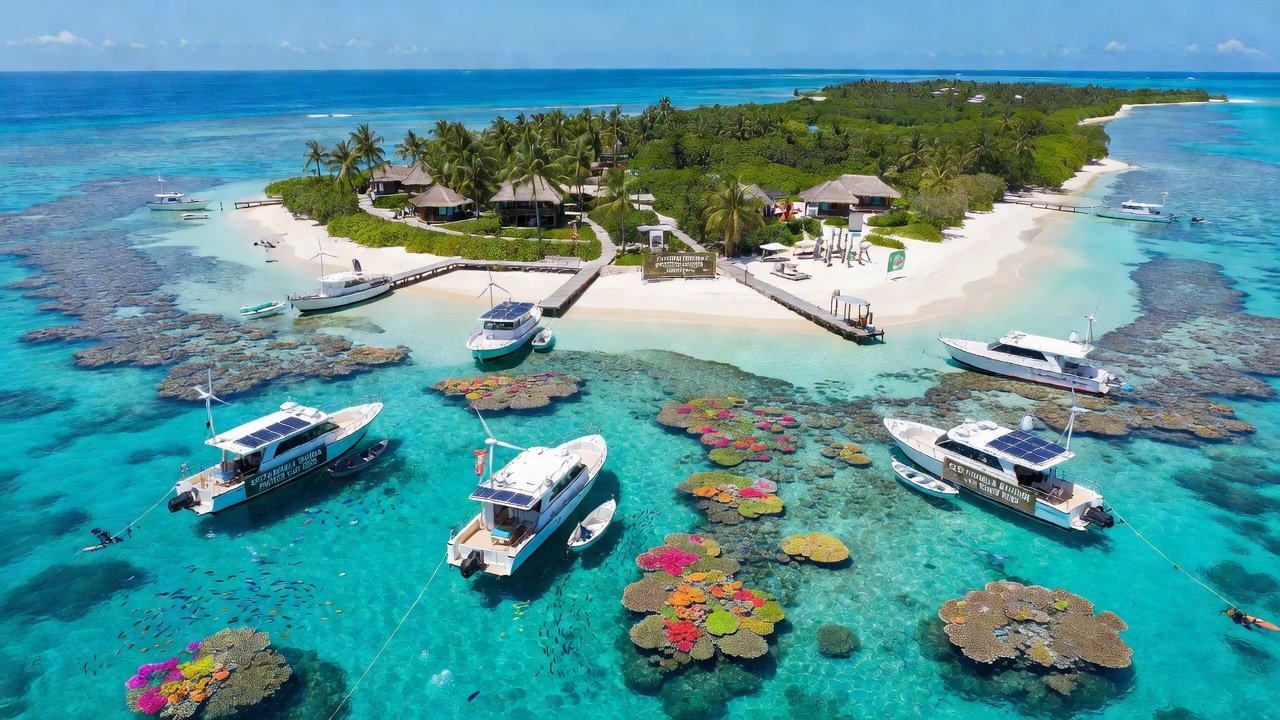
The Maldives provides atoll diving with manta and whale shark sightings during northeast monsoon months. Visibility peaks November to April, creating ideal conditions for drift dives along channel walls. Luxury liveaboards cater to intermediate divers seeking remote atolls, and operators enforce strict waste management protocols plus guest education on reef etiquette.
Fiji delivers soft coral gardens and shark dives with best conditions from May to October. All skill levels find suitable sites, supported by strong local conservation initiatives that limit daily visitors at popular reefs. Divers often participate in reef cleanup dives as part of their package.
Seasonal Visibility, Marine Life, and Skill-Level Suitability
Each destination aligns with specific seasonal patterns that influence both comfort and marine activity. Caribbean sites excel in winter and spring when trade winds calm and water clarity improves. Southeast Asia favors drier months that reduce runoff and plankton blooms. The Red Sea peaks in summer when surface temperatures rise but underwater visibility remains exceptional. Marine highlights range from macro critters in Bonaire to large pelagics in Sipadan, allowing divers to match preferences with locations. Skill suitability varies widely: shore diving in Bonaire welcomes novices, while drift diving in Cozumel requires comfort with currents and good buoyancy control.
Pricing Tiers, Operator Recommendations, and Booking Timelines
Destinations fall into mid-range and premium tiers based on logistics, accommodations, and included services. Mid-range options like Bonaire and Cozumel allow flexible daily diving with competitive local rates, while premium liveaboard experiences in Raja Ampat and the Maldives require earlier reservations and more comprehensive packages. Book at least four to six months ahead for peak seasons to secure permits, flights, and accommodations. Recommended operators include those certified by international training agencies with strong safety records and eco-certifications. Checking recent reviews and confirming insurance coverage helps ensure quality experiences.
Safety Protocols, Gear Rental Tips, and Decision Matrix
Always verify operator insurance coverage, dive briefings, and emergency oxygen availability before every trip. Gear rental works well at established centers, but inspect equipment condition thoroughly and consider bringing personal masks, regulators, and dive computers for comfort and hygiene. Common mistakes to avoid include neglecting to check recent weather reports, underestimating current strength, and failing to discuss medical conditions with instructors. The decision matrix weighs factors such as travel ease, marine diversity, crowd levels, and sustainability scores. Caribbean sites score high on convenience and infrastructure, Southeast Asia excels in biodiversity and unique species, and the Red Sea offers strong value for repeat visitors seeking variety. Use this framework to align personal goals with site characteristics.
- Beginner-friendly with shore access: Bonaire
- High biodiversity and pelagics: Sipadan and Raja Ampat
- Convenient flights and infrastructure: Cozumel and Sharm El Sheikh
- Premium remote experiences: Maldives and Fiji
Conclusion and Next Steps for 2026 Divers
Selecting the right scuba haven depends on your experience level, preferred marine encounters, and commitment to sustainable travel. Review seasonal calendars, confirm operator credentials through recognized bodies such as PADI, and prioritize sites with active conservation programs supported by organizations like NOAA. With thoughtful planning, 2026 promises unforgettable underwater adventures across these compared destinations.
FAQ
What is the best time to visit for clear water? Visibility peaks vary: Caribbean winter-spring, Southeast Asia dry season, Red Sea summer months.
Are these sites suitable for first-time divers? Yes, several offer beginner-friendly reefs and training centers, including Bonaire and parts of the Red Sea.
How far in advance should I book? Reserve liveaboard trips and permits four to six months ahead during high season.
What sustainability practices should I follow? Choose operators using mooring buoys, avoid touching marine life, and support reef restoration projects through groups such as IUCN.
Do I need my own gear? Rental equipment is widely available, but personal items like masks improve comfort on longer trips.
What medical considerations apply? Divers should complete a medical questionnaire and consult physicians about any pre-existing conditions before travel.
No comments yet. Be the first!