 PlaceBee
Why 2026 Is Perfect for Solo Travel
Solo travel continues to rise in popularity as more people seek independent adventures that blend discovery with personal growth. In 2026, destinations worldwide are refining their offerings to welcome solo explorers with improved infrastructure, organized meetups, and safe environments. This guide examines the best places to visit for solo travelers, emphasizing safety, easy social opportunities, and practical logistics across continents. Travelers report higher satisfaction when destinations provide clear solo-friendly options such as single-occupancy rates at hotels and community events designed for individuals rather than couples or families.
Vibrant Cities Ideal for Independent Exploration
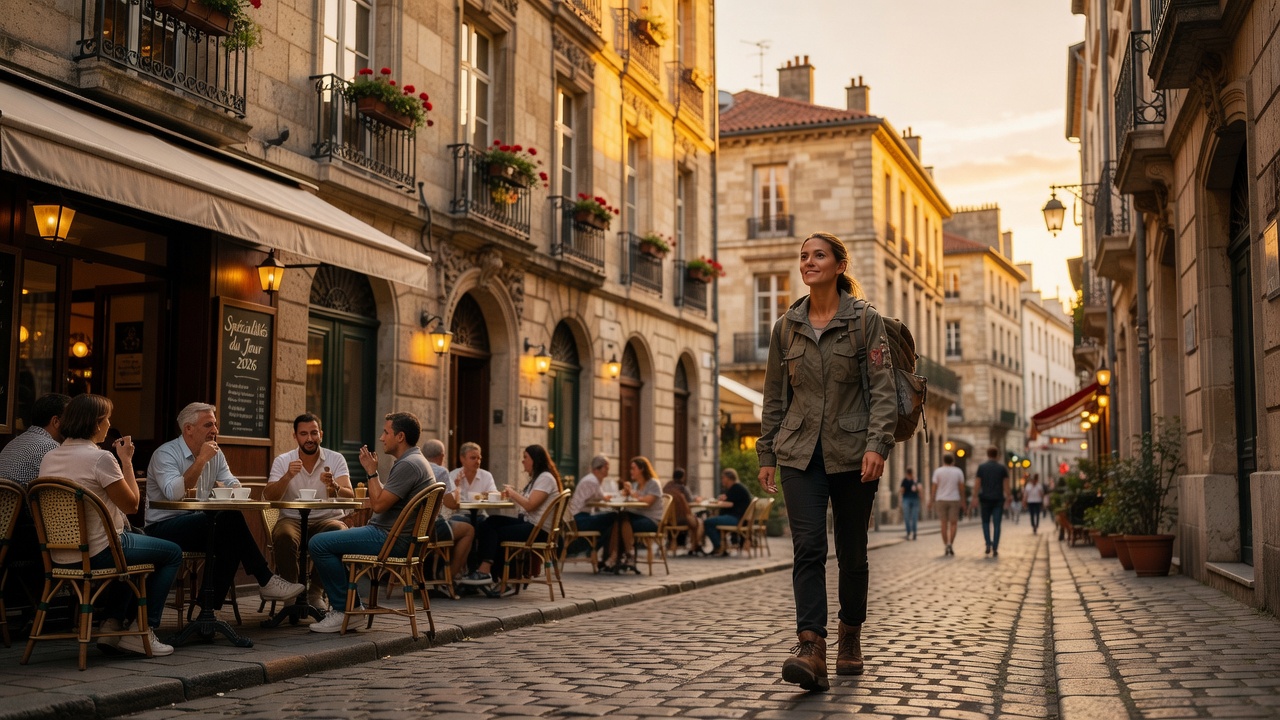
Cities with walkable neighborhoods and frequent events make solo trips seamless. Lisbon stands out with its tram network and riverside cafes where travelers naturally connect over shared tables. Tokyo offers efficient public transit and solo-friendly izakayas, allowing quick integration into local life through casual conversations at the bar. For those preferring established favorites, Barcelona provides tapas tours and beach promenades designed for individuals, with many restaurants offering counter seating that encourages interaction with chefs and fellow diners.
Emerging options like Seoul combine K-culture workshops with efficient apps for finding group hikes or language exchanges, creating organic social moments without pressure. Bangkok delivers night markets and river cruises where solo visitors easily join informal boat tours. Cape Town features vibrant neighborhoods with street art tours that pair well with independent exploration followed by optional group dinners. These spots balance familiarity with fresh experiences, helping solo travelers avoid isolation while building confidence in new surroundings.
Serene Nature Escapes for Solo Reflection
Nature destinations reward solo travelers with peaceful trails and optional guided activities. Patagonia in Chile features accessible hiking routes where independent explorers can join ranger-led groups if desired, yet still enjoy vast landscapes alone. New Zealand’s South Island offers scenic drives and eco-lodges that cater to solo adventurers seeking both solitude and occasional company through shared kitchen facilities.
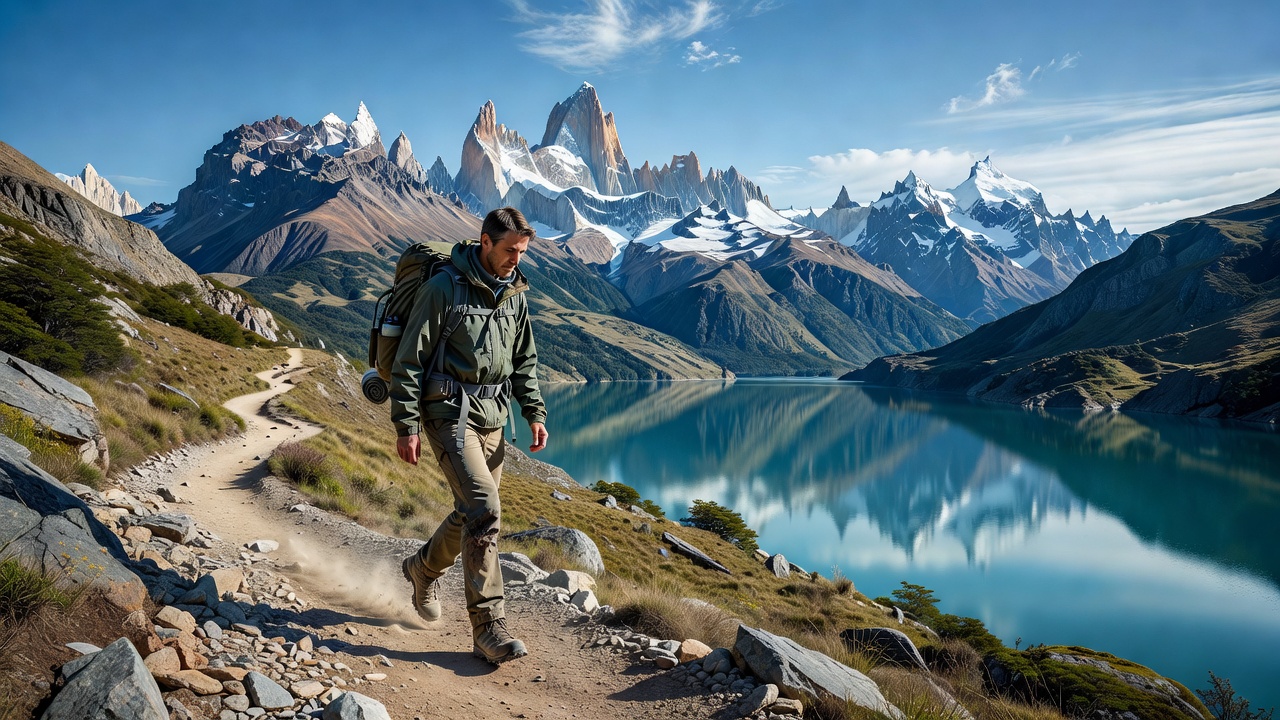
Emerging nature spots such as the Azores islands provide volcanic landscapes and whale-watching tours tailored for individuals, with strong safety protocols and English-speaking operators. Banff National Park in Canada delivers well-marked paths and shuttle services that simplify logistics for those traveling without a partner. Iceland’s geothermal sites and glacier hikes include single-traveler packages that include transport and basic gear, reducing planning stress. These locations emphasize self-paced discovery while offering built-in safety nets like marked trails and visitor centers with real-time weather updates.
Cultural Hubs Offering Solo-Friendly Workshops
Cultural centers excel when they host single-traveler programs. Kyoto’s temple stays and tea ceremonies often include small-group sessions perfect for meeting others interested in Japanese traditions. Marrakech offers artisan workshops in mosaics and cooking that welcome solo participants, frequently ending in shared meals that foster connections. In Europe, Prague combines history tours with music festivals that facilitate natural conversations at outdoor venues.
Additional cultural draws include Istanbul, where solo travelers can enroll in Turkish coffee workshops or hammam experiences designed for individuals. Mexico City provides street art and culinary classes that accommodate one-person bookings, often leading to evening group outings. These hubs prioritize accessibility, with many offering online pre-booking and English-language support to ease entry for international visitors.
Comparing Established and Emerging Destinations
Established spots like Paris deliver reliable infrastructure and abundant solo travel resources, yet they can feel crowded during peak seasons. Emerging destinations such as Tbilisi in Georgia provide authentic experiences with lower tourist volumes and growing digital nomad communities that host regular meetups. Solo travelers benefit from comparing visa ease, language accessibility, and local hospitality ratings before booking. For instance, Lisbon offers extensive English signage and frequent events, while Seoul excels in app-based navigation that overcomes language barriers. Weighing these factors helps match personal comfort levels with destination energy.
Practical Steps for Packing and Budgeting
Effective preparation starts with thoughtful packing. Include versatile layers suitable for varying climates, a universal adapter, a portable charger, and a lightweight daypack for spontaneous outings. Research local SIM cards or eSIM options for reliable maps and translation apps before departure. A compact first-aid kit with personal medications ensures self-sufficiency during independent adventures.
- Choose clothing that mixes and matches to minimize luggage weight.
- Include a reusable water bottle and snacks for long exploration days.
- Pack a journal or e-reader for downtime in cafes or parks.
- Carry copies of important documents stored separately from originals.
Budgeting focuses on mid-range accommodations with shared lounges to encourage socializing while controlling costs. Flexible transport passes allow spontaneous day trips without penalties. Real traveler examples include a solo hiker who joined a Patagonia group trek after initial independent exploration, discovering new friends through a hostel notice board, or a digital nomad who discovered Kyoto workshops through local community apps and extended their stay by two weeks.
Safety and Logistics Essentials
Prioritize destinations with low crime rates and strong healthcare access. Use official resources like World Health Organization for health advisories and Centers for Disease Control and Prevention for vaccination guidance. Apps for real-time location sharing and local emergency numbers enhance peace of mind. Connectivity remains reliable in most recommended cities through widespread 5G networks, with many public spaces offering free Wi-Fi. Always share itineraries with a trusted contact and check in regularly. Female solo travelers may prefer areas with strong street lighting and well-reviewed hostels that provide female-only dorms.
FAQ: Common Solo Travel Concerns
How do I stay connected abroad?
Secure an international data plan or local SIM upon arrival. Many destinations now offer free Wi-Fi in public spaces and cafes, supplemented by offline map downloads for areas with spotty service.
What if I want group alternatives occasionally?
Look for walking tours, cooking classes, or hostel events that allow optional participation without committing to full group travel. These provide flexible social options while preserving independence.
Are these destinations safe for first-time solo travelers?
Yes, the highlighted locations feature strong safety records and solo-traveler infrastructure, though standard precautions like sharing itineraries and staying aware of surroundings apply at all times.
How can I manage jet lag and daily energy?
Plan lighter activities on arrival days, stay hydrated, and use public parks for short rests. Many cities provide quiet green spaces ideal for solo recharging between explorations.
Choosing the right destination transforms a solo trip into an enriching experience filled with memorable encounters and personal discoveries that last long after returning home.


No comments yet. Be the first!