 PlaceBee
Introduction
Adventure seekers craving immersive wildlife experiences in 2026 will find unparalleled opportunities in carefully chosen destinations that prioritize ethical encounters and conservation. This guide highlights ten standout locations emphasizing responsible tourism, seasonal viewing peaks, and real-world examples from Africa, South America, and Asia. Travelers can expect detailed comparisons of safari styles, birdwatching hotspots, marine life sites, and actionable advice on booking, packing, and budgeting for sustainable journeys that support local communities and protect endangered species.
Wildlife tourism continues to evolve with greater emphasis on low-impact practices. Choosing operators that limit group sizes and reinvest in habitat restoration ensures that visits contribute positively rather than harm fragile ecosystems. Whether tracking big cats on foot or observing marine giants from a respectful distance, the focus remains on creating memories while preserving biodiversity for future generations.
Iconic African Safari Experiences
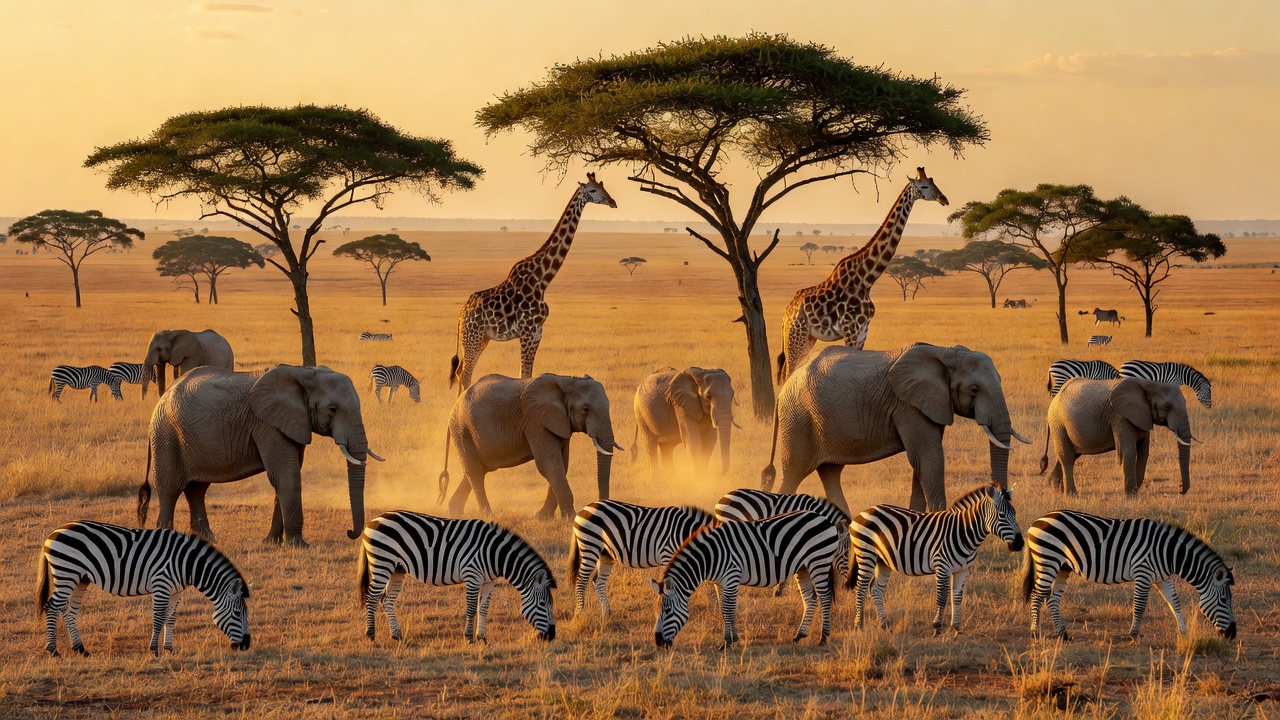
Africa remains the gold standard for big-game viewing. The Serengeti in Tanzania offers the Great Migration, where millions of wildebeest move in dramatic cycles best observed from June to October. Ethical operators limit vehicle numbers and support anti-poaching initiatives through direct funding of ranger patrols. In contrast, South Africa’s Kruger National Park provides self-drive options alongside guided tours, allowing flexible pacing while funding community conservation projects that benefit neighboring villages.
Botswana’s Okavango Delta delivers water-based safaris via mokoro canoes, minimizing ground impact on sensitive ecosystems and offering close encounters with hippos and crocodiles. Kenya’s Maasai Mara adds cultural immersion through visits to conservancies managed in partnership with Maasai communities, where tourism revenue helps secure land against agricultural encroachment. These destinations demonstrate how carefully managed tourism can protect vast landscapes while delivering unforgettable sightings of lions, elephants, and rhinos.
South American Rainforest Adventures
The Amazon Basin in Ecuador and Peru hosts jaguars, river dolphins, and vibrant macaws. Small-group lodges partner with indigenous communities for low-impact access and share profits that fund education and reforestation programs. The Pantanal in Brazil stands out for jaguar sightings from boats, offering higher success rates than many African parks during the dry season from July to October, when receding waters concentrate prey animals along riverbanks.
Additional highlights include the cloud forests of Ecuador’s Yasuní National Park, home to tapirs and an astonishing variety of primates. Visitors can participate in citizen-science projects that track species populations, directly contributing to ongoing research. These regions show how tourism revenue supports anti-deforestation patrols and sustainable livelihoods for local families.

Asian Wildlife Treasures
India’s Ranthambore National Park delivers reliable tiger encounters with strict jeep quotas that protect habitat from overuse. Sri Lanka’s Yala National Park combines leopard and elephant sightings with excellent whale-watching nearby during the northeast monsoon. Borneo’s orangutan rehabilitation centers in Malaysia welcome visitors who fund rescue efforts through entrance fees and guided treks limited to small groups, ensuring minimal disturbance to the rainforest canopy.
Further east, Indonesia’s Komodo National Park offers opportunities to observe Komodo dragons in their natural habitat alongside diverse bird and marine life. Strict permitting systems help control visitor numbers and protect the unique island ecosystems from invasive species and habitat degradation.
Birdwatching Hotspots Worldwide
Avid birders should consider Costa Rica’s Monteverde Cloud Forest for resplendent quetzals and over 400 species. South Africa’s Kruger also excels for raptors and endemics. Seasonal migrations peak between November and March in many locations, aligning with drier weather for optimal visibility. Additional hotspots include the wetlands of India’s Bharatpur and the Andean slopes of Peru, where hummingbirds and toucans provide constant color and activity.
Marine Life Destinations
Snorkelers and divers head to the Galápagos Islands for sea lions and hammerhead sharks under strict visitor caps that prevent overcrowding. Australia’s Ningaloo Reef offers whale shark swims from March to July, with operators adhering to distance regulations that protect these gentle giants. The waters around Sri Lanka provide year-round dolphin and whale encounters when combined with land-based wildlife tours.
Comparing Safari Styles
- Classic vehicle safaris: Best for families, high comfort, moderate physical demand.
- Walking safaris: Higher immersion and fitness demand, limited to small groups for safety and minimal disturbance.
- Water-based safaris: Unique perspectives in wetlands, lower carbon footprint and excellent for photography.
- Community-led tours: Direct economic benefits to locals, strong conservation focus, and authentic cultural exchange.
Practical Booking and Packing Guidelines
Reserve lodges and permits six to nine months ahead for peak seasons to secure spaces in limited-entry areas. Choose operators certified by bodies such as the World Wildlife Fund or national park authorities to ensure ethical standards. Packing lists include neutral-colored clothing, reusable water bottles, binoculars, reef-safe sunscreen, quick-dry layers, sturdy hiking boots, and a lightweight rain jacket. Layered clothing accommodates temperature swings from dawn game drives to midday heat.
Budget Considerations and Sustainability
Responsible travel often includes carbon-offset programs and donations to local anti-poaching funds. Travelers should verify that a portion of fees supports habitat protection rather than solely luxury amenities. The National Geographic travel resources provide updated operator reviews emphasizing transparency and measurable conservation outcomes.
Mistakes to Avoid
Common pitfalls include booking with operators that crowd wildlife or use captive animal attractions. Always research permit requirements in advance and avoid single-use plastics. Travelers should also respect quiet hours in sensitive habitats and follow guide instructions during close encounters to prevent stressing animals.
FAQ: Safety and Sustainability
Is wildlife travel safe in 2026?
Yes, when following park rules, traveling with licensed guides, and avoiding close approaches. Health precautions include standard vaccinations and malaria prophylaxis where recommended by health authorities.
How can I ensure my trip supports conservation?
Select lodges that publish annual conservation reports and limit daily visitor numbers. Avoid attractions involving captive animal performances or unregulated feeding of wildlife.
What are the best months for specific regions?
East Africa: June–October; Pantanal: July–October; Galápagos: year-round with peaks in December–May; Borneo: March–September for drier conditions.
Are there family-friendly options?
Many parks offer kid-focused programs with educational components, such as junior ranger activities in Kruger and Galápagos youth expeditions that combine learning with light adventure.
Conclusion
Choosing destinations that balance adventure with ethics ensures memorable encounters while protecting wildlife for future generations. By planning thoughtfully and supporting verified operators, animal lovers can enjoy transformative 2026 journeys across continents that leave positive, lasting impacts on the natural world.


No comments yet. Be the first!