 PlaceBee
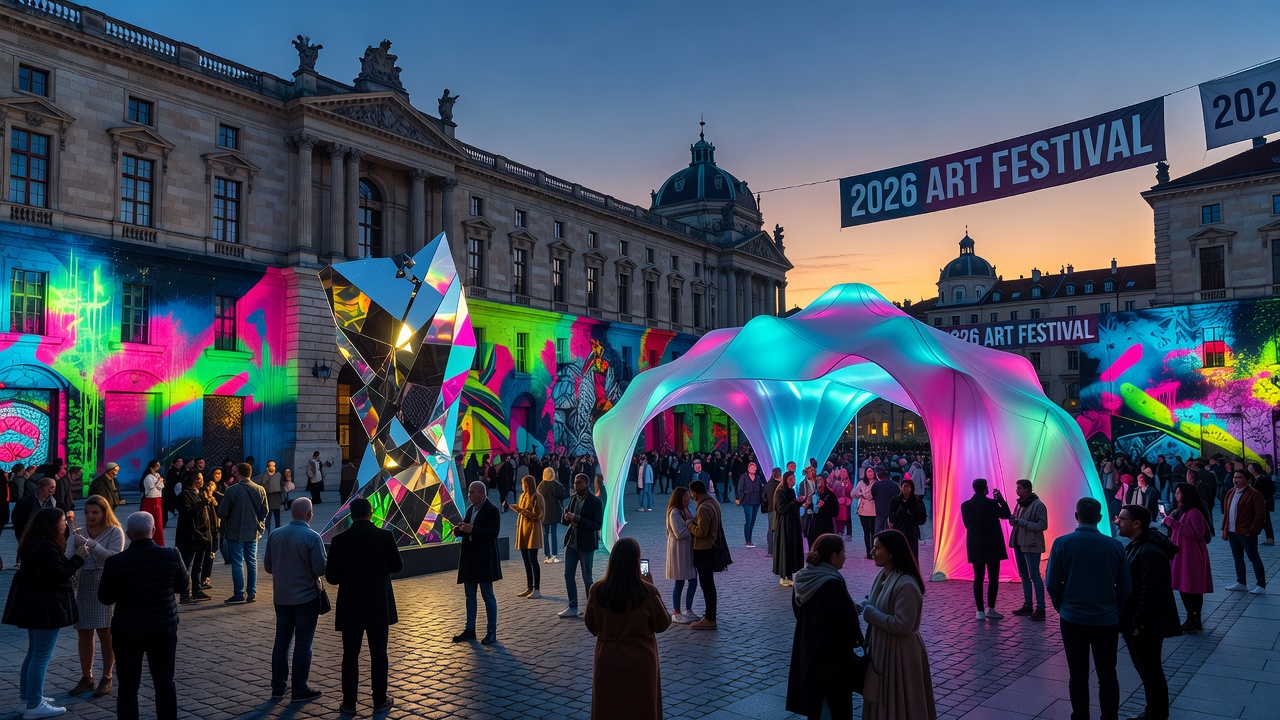
Introduction to the Best Art Destinations in 2026
Art enthusiasts searching for the best places to visit in 2026 will find a rich tapestry of cultural experiences across the globe. This year brings heightened focus on contemporary art trends that prioritize sustainability, digital interactivity, and inclusive storytelling. From sprawling museum complexes to hidden street art alleys and vibrant festivals, these must-see spots cater to every type of art lover. Whether you prefer the timeless elegance of European capitals or the dynamic energy of Asian megacities, careful planning around accessibility and crowd patterns can transform your journey into an unforgettable one. This comprehensive guide examines nine standout destinations, offering detailed comparisons, practical advice, and insider insights to help you maximize your time and avoid common pitfalls.
In 2026, travelers are increasingly drawn to experiences that blend traditional heritage with forward-thinking installations. Cities are adapting by hosting events that highlight eco-conscious materials and augmented reality exhibits. By understanding peak seasons, transportation options, and local customs, you can navigate these vibrant scenes with ease. The following sections break down each location with specifics on what makes them unique, how they compare in terms of crowds and access, and actionable tips for your visit.
Top 9 Must-See Art Cities for 2026
1. Paris, France
Paris continues to dominate as a premier destination thanks to its unparalleled collection of historic and modern institutions. The city's layout supports easy exploration on foot or via an efficient metro system, though summer months bring substantial crowds at major sites. Mid-week visits in spring or fall offer noticeably lighter foot traffic, allowing more intimate encounters with collections. Street art in neighborhoods like Belleville provides a contemporary counterpoint to classical works, and 2026 festivals emphasize interactive public installations.
2. New York City, USA
New York stands out for its eclectic mix of world-famous museums and thriving street art districts such as Bushwick and the Lower East Side. Accessibility is outstanding through the subway and extensive bus routes, yet weekends and holiday periods see heightened visitor numbers. Planning early morning gallery hops or weekday museum entries helps mitigate congestion. The city's contemporary scene in 2026 spotlights emerging artists working with sustainable themes, creating dynamic must-see spots throughout the five boroughs.
3. Tokyo, Japan
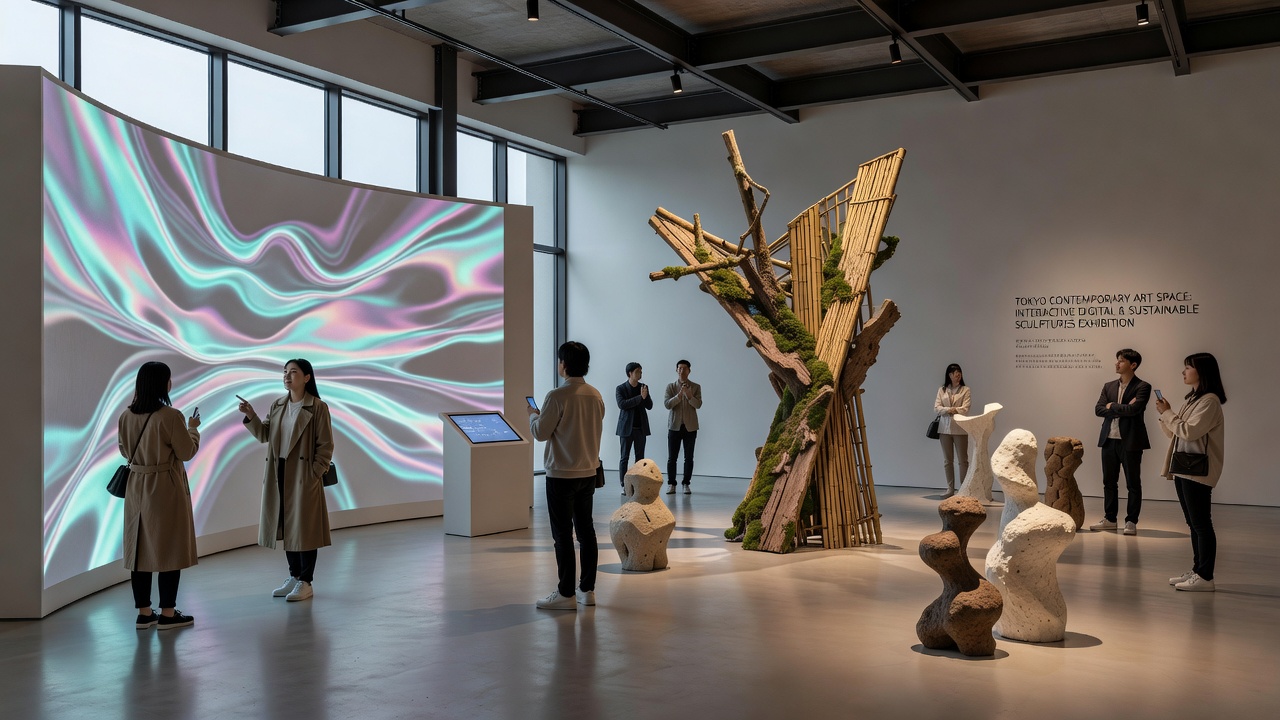
Tokyo masterfully fuses centuries-old traditions with cutting-edge digital art, making it an essential stop for those interested in evolving trends. Its world-class public transportation network ensures high accessibility, while crowd levels remain moderate except during major holiday weekends. Districts like Roppongi host galleries that showcase technology-driven pieces, and local festivals in 2026 incorporate augmented reality elements that invite active participation from visitors.
4. Berlin, Germany
Berlin has emerged as a hub for affordable, boundary-pushing street art and underground galleries. Excellent rail connections make it accessible from other European cities, and overall crowd density stays lower than in Paris or London. The city's creative energy shines through repurposed industrial spaces that host pop-up exhibitions focused on social issues, aligning perfectly with 2026's emphasis on inclusive contemporary narratives.
5. London, UK
London offers an impressive array of institutions alongside lively street art scenes in areas like Shoreditch. The Underground system provides reliable access, although rush hours and peak tourist seasons increase congestion. 2026 events highlight cross-cultural collaborations, giving visitors opportunities to engage with both established masters and rising talents in immersive settings.
6. Barcelona, Spain
Barcelona combines Gaudí's architectural wonders with modern galleries and vibrant mural culture. Walkable streets and efficient public transit enhance accessibility, while springtime visits typically feature reduced crowds compared to summer. The city's festivals in 2026 celebrate Mediterranean influences through large-scale outdoor projections and community-driven art projects.
7. Mexico City, Mexico
Mexico City is gaining recognition for its powerful street art and contemporary museums that reflect rich cultural heritage. The metro offers budget-friendly access, though some neighborhoods require careful navigation during peak hours. 2026 programming emphasizes indigenous influences reinterpreted through modern lenses, creating unique must-see spots that feel both authentic and innovative.
8. Seoul, South Korea
Seoul excels in technology-infused art experiences, with sleek galleries and interactive public installations. Its subway system ranks among the most efficient worldwide, keeping accessibility high and crowd levels manageable outside major holidays. The 2026 calendar includes festivals that merge K-pop aesthetics with fine art, appealing to a broad range of enthusiasts.
9. Cape Town, South Africa
Cape Town provides a distinctive blend of street art and cultural festivals set against stunning natural backdrops. While public transport options are more limited in certain areas, scenic routes and walking tours improve overall accessibility. Lower overall visitor numbers make it an attractive choice for those seeking quieter encounters with contemporary African artists in 2026.
Accessibility and Crowd Level Comparisons
When evaluating these destinations, accessibility factors include public transit quality, language barriers, and physical mobility options. European cities like Paris and London score high on infrastructure but face denser crowds, whereas Asian hubs such as Tokyo and Seoul offer superior efficiency with moderate foot traffic. Emerging spots like Mexico City and Cape Town provide more affordable entry points yet may require additional planning for transportation. Comparing crowd levels reveals that shoulder seasons consistently deliver the best balance across all locations.
2026-Specific Art Events and Trends
Anticipated highlights include the Sustainable Art Biennale in Berlin, which explores eco-materials in large-scale works, and Seoul's Digital Futures Festival featuring interactive installations. Contemporary trends center on climate-conscious creation and community engagement. The Metropolitan Museum of Art and The Museum of Modern Art both showcase these developments through special exhibitions. Additional resources from Tate offer global perspectives on the evolving landscape.
Budget Tips for Museum Visits
Maximize value by researching free entry days and purchasing multi-site passes in advance. Visiting during shoulder seasons reduces accommodation costs near cultural districts. Combining public transit day passes with walking routes further lowers expenses while allowing spontaneous discoveries of street art. Packing reusable water bottles and snacks helps manage daily outlays during long gallery days.
Photography Guidelines for Iconic Works
Always review each venue's photography policy upon arrival, as rules vary widely between institutions. Natural lighting is preferred for capturing details without damage, and tripods are rarely permitted in crowded spaces. Respect designated no-photo zones to protect sensitive pieces. In street art settings, maintain respectful distances and avoid obstructing pathways for other viewers. Examples from past visits show that early morning sessions yield the clearest shots with minimal interference.
Packing Checklist for Art Supplies
- Compact sketchbook and archival-quality pencils for quick studies
- Lightweight portable easel suitable for plein air sessions
- Travel-sized watercolor or acrylic set with sealable palettes
- Protective padded case for cameras, lenses, and memory cards
- Multiple notebooks for recording exhibition details and inspirations
- Comfortable, supportive walking shoes rated for extended urban exploration
- Reusable tote for carrying purchases from gallery shops
- Portable charger and international adapters for digital devices
Common Mistakes to Avoid
One frequent error is underestimating travel time between venues; build buffer periods into daily itineraries. Another is overlooking local customs around photography in religious or historic sites. Failing to book timed tickets ahead of peak periods often leads to disappointment. Researching current exhibition schedules prevents arriving during closures or renovations.
FAQ: Avoiding Tourist Traps
How do I skip long lines at popular museums? Secure timed-entry tickets online several weeks prior and arrive 15 minutes early.
What are the most common tourist traps? Overpriced souvenir stands and unofficial guided tours near landmarks; instead, consult official tourism boards for vetted options.
Is it safe to photograph street art in unfamiliar neighborhoods? Stick to well-documented areas during daylight and never enter private property without permission.
Should I visit during major festivals? Yes, but expect higher crowds; book accommodations early and use public transit to navigate efficiently.
Conclusion
These nine must-see spots represent the pinnacle of art exploration in 2026, blending accessibility, crowd management strategies, and timely events. By incorporating the practical elements outlined above, from packing lists to photography etiquette, your journey will deliver deeper engagement with contemporary trends. Begin your planning today to secure the most rewarding experiences across these dynamic cultural landscapes.
No comments yet. Be the first!