 PlaceBee

Introduction: Unearthing Hidden Histories in 2026
Travelers craving authentic encounters with the past often bypass overcrowded landmarks in favor of quieter destinations that offer profound historical depth. This guide highlights eight lesser-highlighted sites blending ancient ruins, medieval towns, and living history museums. Each location provides opportunities for immersive storytelling while avoiding typical tourist routes. Whether you seek Neolithic temples or colonial settlements, these spots deliver meaningful cultural experiences in 2026. Planning ahead ensures you maximize your time. Consider shoulder seasons for fewer crowds and optimal weather. We include practical steps such as ticket strategies and comparisons of guided tours, plus real-world examples from recent visitors.
Göbekli Tepe, Turkey: The World's Oldest Temple Complex
Discovered in the 1990s, Göbekli Tepe rewrote history with its 12,000-year-old carved pillars. Its historical significance lies in challenging assumptions about early civilization and organized religion. Visit between March and May 2026 to enjoy mild temperatures and blooming landscapes before summer heat intensifies. Practical planning begins with advance online reservations through official channels. Guided tours last two hours and cost more than self-guided audio options; compare providers for small-group experiences that allow closer access to carvings. A real-world example: a 2025 traveler noted that arriving at opening time avoided midday tour buses. For deeper context, explore resources from UNESCO World Heritage Centre on prehistoric sites.
Skara Brae, Scotland: Neolithic Village by the Sea
This 5,000-year-old settlement on Orkney Island reveals sophisticated prehistoric life with preserved stone furniture. Its significance connects to broader European Neolithic cultures. Optimal timing falls in September and October 2026 when autumn light enhances photography and ferry schedules remain reliable. Tickets are best purchased as part of a Historic Scotland Explorer Pass. Guided tours versus independent visits: tours provide expert context on daily life, while self-guided allows lingering at each dwelling. Pack waterproof layers for sudden coastal winds. Visitors often combine this with nearby Ring of Brodgar for a full day of exploration. Check Historic Environment Scotland for updated opening hours and accessibility details.
Herculaneum, Italy: The Better-Preserved Roman Town
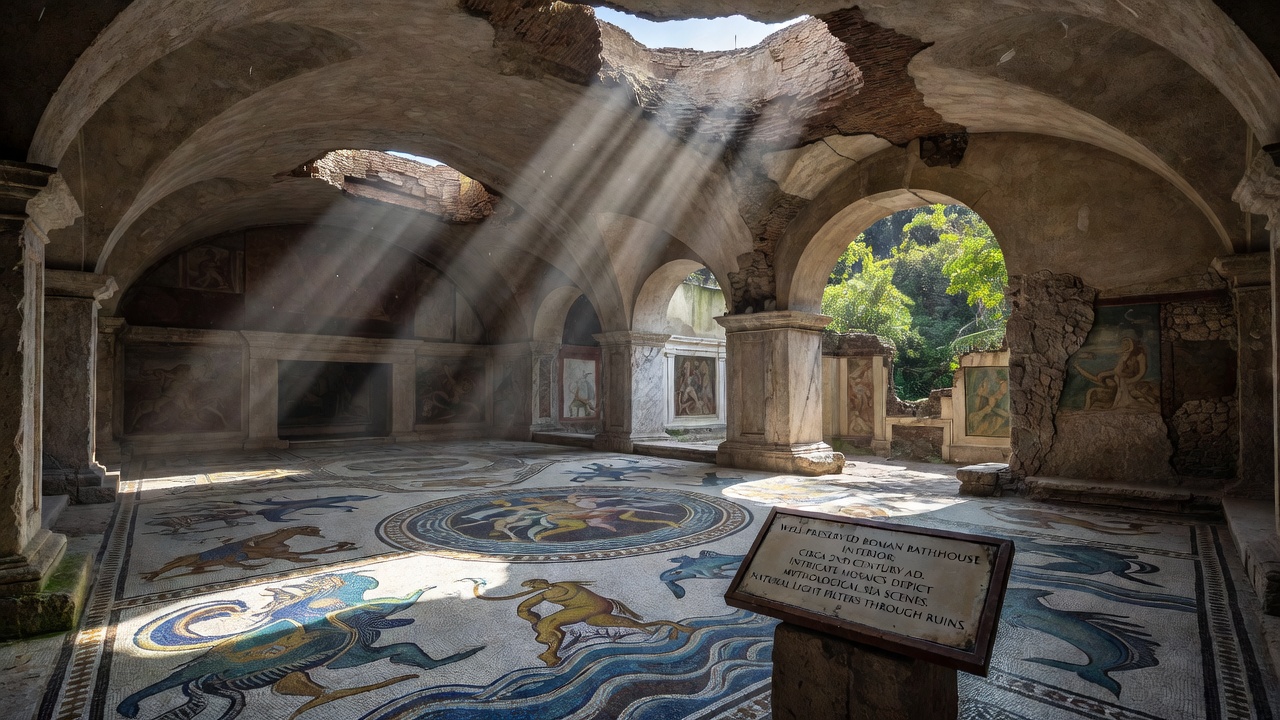
Smaller and less crowded than Pompeii, Herculaneum offers intact wooden structures and vivid frescoes buried by Vesuvius. Significance stems from its snapshot of Roman daily routines. April and May 2026 provide pleasant weather before peak summer tourism. Secure skip-the-line tickets online to bypass queues. Compare private versus group tours—private options permit extended time at the baths. Accessibility features include ramps at main entrances. A practical tip from frequent visitors is to allocate at least three hours to fully appreciate the site without rushing through the streets and villas.
Cahokia Mounds, United States: Pre-Columbian Urban Center
Once home to 20,000 people near modern St. Louis, Cahokia features massive earthen pyramids and a sophisticated society. Visit March–April or September–October 2026 for comfortable hiking weather. Entry is free, but guided ranger tours run daily. Compare them to self-guided trails using the park app. A packing essential: sturdy shoes for climbing Monk's Mound. The site demonstrates advanced urban planning long before European contact. Learn more through National Park Service materials that detail interpretive programs available year-round.
Derinkuyu Underground City, Turkey: Ancient Subterranean Refuge
This multi-level rock-cut city sheltered thousands during invasions. Its significance highlights Byzantine engineering ingenuity. June and September 2026 balance pleasant cave temperatures with manageable crowds. Tickets sell quickly on-site; book ahead via regional operators. Guided tours excel at explaining ventilation systems compared to solo exploration. Travelers recommend combining the visit with nearby Kaymakli for a comparative look at Cappadocia's underground heritage network.
Great Zimbabwe, Zimbabwe: Medieval Stone City
These massive dry-stone walls formed the heart of a powerful trading empire. Optimal visits occur May–August 2026 during the dry season. Combine with a local guide for deeper context on Shona heritage. The ruins span over 700 hectares and include the iconic Great Enclosure. Real examples show that hiring community guides enhances understanding of symbolic carvings and trade routes that once connected to the Indian Ocean.
Banteay Chhmar, Cambodia: Remote Angkor-Era Temple
Less visited than Angkor Wat, this 12th-century complex features intricate carvings and a vast moat. Travel in November–February 2026 for ideal conditions. Advance community-based tour bookings support local preservation. The temple's remote location offers a serene atmosphere perfect for photography and reflection on Khmer history. Visitors frequently note the benefit of multi-day passes that include transport from Siem Reap.
Leptis Magna, Libya: Roman Jewel of North Africa
Stunningly preserved forums and theaters showcase imperial grandeur. Check current travel advisories; when safe, spring 2026 offers clear skies. Licensed tour operators provide secure access. The site's scale rivals major European Roman cities, with intact markets and basilicas that illustrate North African prosperity under the empire.
Comparing Guided Tour Options Across Destinations
When evaluating tours, prioritize small groups of eight or fewer for personalized insights. Compare durations, inclusions like transportation, and guide expertise in archaeology versus general history. For instance, at Göbekli Tepe a two-hour specialist tour outperforms standard options by focusing on excavation techniques. At Skara Brae, ranger-led walks add live demonstrations unavailable in self-guided formats. Always read recent reviews on platforms tied to official tourism boards to gauge value.
Sustainable Practices for Historical Site Visits
Respect preservation rules by staying on marked paths and avoiding touching artifacts. Support local economies through community tours and avoid single-use plastics. Carry reusable items and follow leave-no-trace principles. These steps ensure sites remain intact for future generations while enriching your own experience through responsible engagement.
Packing Checklist for Historical Site Visits
- Comfortable walking shoes with ankle support
- Layered clothing for variable weather
- Reusable water bottle and snacks
- Portable charger for navigation apps
- Wide-brim hat and sunscreen
- Notebook for capturing impressions
- Lightweight daypack for carrying essentials
- Binoculars for distant carvings or landscapes
FAQs: Crowd Avoidance and Accessibility
How do I avoid crowds? Arrive at opening or visit mid-week. Shoulder months like April and October consistently deliver quieter experiences across these sites. Booking timed-entry tickets further reduces wait times.
Are these locations accessible? Many offer wheelchair routes; contact sites directly for updated 2026 accessibility maps and assistance programs. Some underground or rugged areas may have limitations, so verify in advance.
What if weather disrupts plans? Build flexibility into itineraries with indoor museum alternatives near each site, such as visitor centers with artifacts and virtual tours.
Conclusion: Prioritizing Meaningful Journeys
These destinations reward travelers who value depth over popularity. By focusing on timing, thoughtful planning, and respectful exploration, 2026 can become your most memorable year of historical discovery. Start booking early to secure the best guided experiences and create your own immersive stories.

No comments yet. Be the first!