 PlaceBee
Introduction to Impact Travel in 2026
Volunteer vacations, also known as impact travel, allow travelers to combine meaningful contributions to local communities with authentic cultural experiences. Unlike standard vacations focused solely on relaxation, these trips deliver measurable benefits such as habitat restoration and improved educational access while fostering personal growth through immersion. In 2026, demand for these experiences continues to rise as more people seek ways to travel responsibly amid growing awareness of environmental and social challenges worldwide.
Travelers increasingly seek opportunities that align with global sustainability goals. This guide examines five premier destinations for 2026, practical selection criteria for ethical programs, essential preparations, and real-world examples of outcomes. Whether you are a first-time volunteer or a seasoned impact traveler, understanding the nuances of these programs ensures both personal fulfillment and genuine community support.
Comparing Impact Travel to Standard Vacations
Standard vacations typically emphasize leisure and sightseeing, often resulting in temporary economic boosts for destinations without long-term community involvement. Impact travel, by contrast, integrates structured volunteering that produces tangible local results like enhanced biodiversity or strengthened school programs. Participants report higher satisfaction levels due to deeper connections and skill development that extend far beyond the trip itself.
Key differences include duration of stay, level of engagement, and post-trip effects. Impact travelers often extend their influence through ongoing support networks after returning home, creating ripple effects that standard tourism rarely achieves. Studies from leading environmental organizations show that well-designed volunteer programs can lead to sustained improvements in local ecosystems and education systems, making them a compelling choice for conscious explorers.
Top 5 Destinations for Volunteer Vacations in 2026
1. Costa Rica – Wildlife Conservation
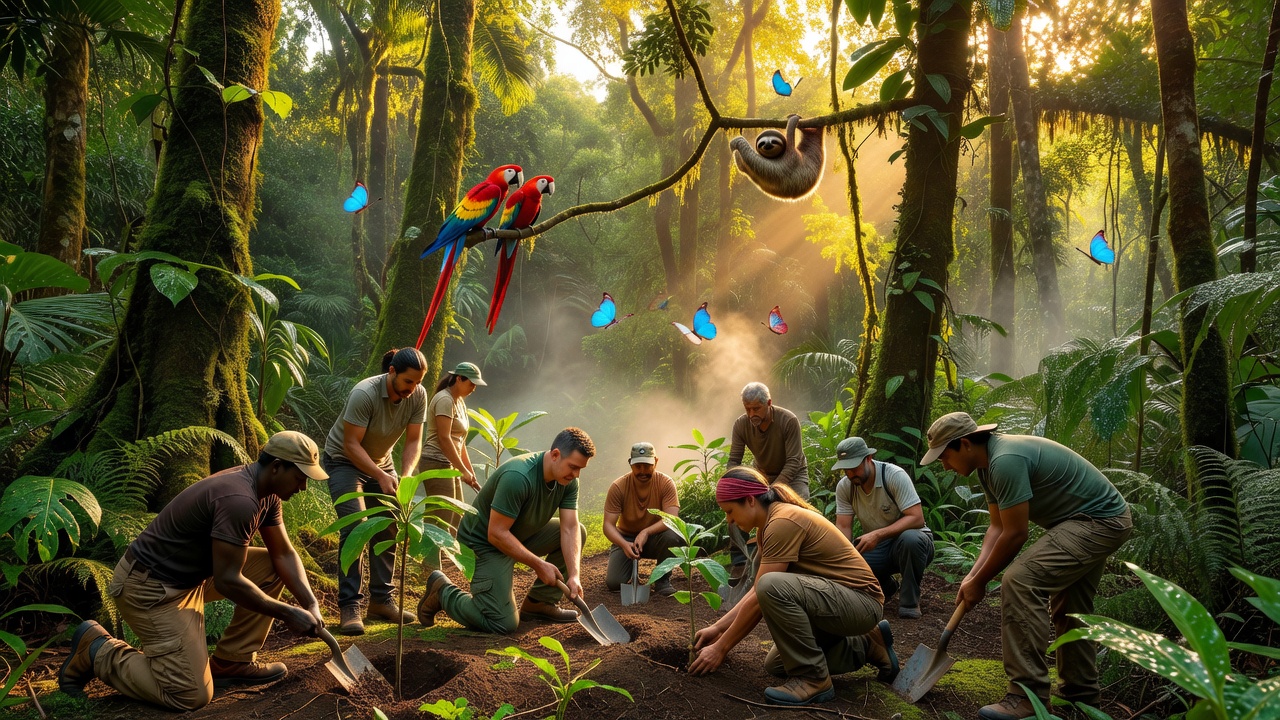
Renowned for biodiversity, Costa Rica offers programs focused on sea turtle protection and reforestation in protected reserves. Participants assist with monitoring nesting sites, collecting data on population trends, and maintaining habitats alongside local biologists. The country’s commitment to conservation makes it an ideal starting point for those passionate about environmental protection.
Volunteers often stay in eco-lodges near national parks, allowing them to observe wildlife up close while contributing directly to preservation efforts. Projects run year-round, with peak activity during nesting seasons, providing flexible scheduling for travelers from various regions.
2. Kenya – Education Initiatives
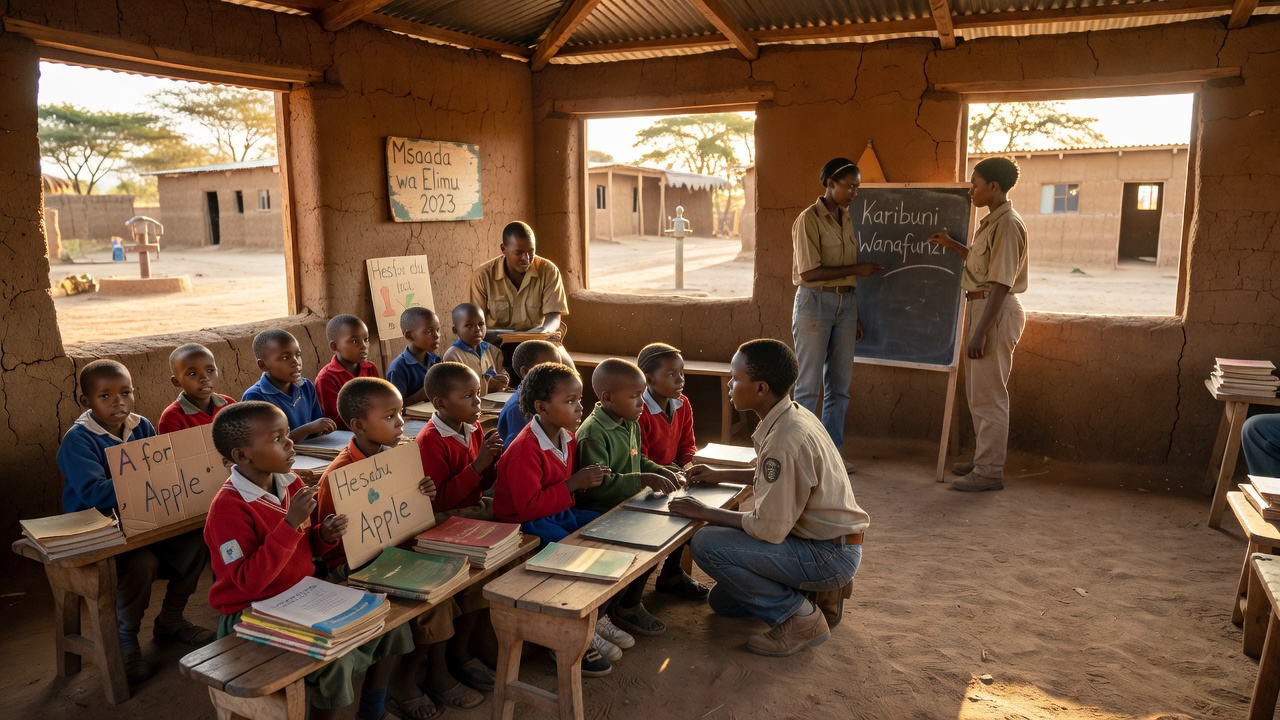
Community-based projects in rural areas support literacy programs and infrastructure improvements in schools. Volunteers collaborate with teachers to deliver workshops on subjects like English and mathematics while learning about Maasai culture and daily life in the savanna. These initiatives help bridge educational gaps in underserved regions.
Many programs include homestays that foster genuine cultural exchange, allowing participants to understand local challenges and successes firsthand. Long-term partnerships between organizations and villages ensure that volunteer efforts build on existing community strengths rather than imposing external solutions.
3. Thailand – Marine Conservation
Coastal efforts target coral reef restoration and plastic reduction campaigns. Activities include beach cleanups, coral planting, and data collection that contribute to national marine park management. Thailand’s rich marine biodiversity offers volunteers the chance to work in stunning underwater environments.
Training sessions cover snorkeling techniques and species identification, empowering participants to make meaningful contributions even without prior experience. Partnerships with local fishing communities add another layer of impact by promoting sustainable practices that protect livelihoods alongside ecosystems.
4. Peru – Community Development
Highland villages benefit from agricultural training and health education projects. Volunteers help implement sustainable farming techniques passed down through generations, such as terracing and crop rotation methods that improve food security. These hands-on activities often take place in the Andean mountains with breathtaking scenery as a backdrop.
Health workshops focus on nutrition and basic sanitation, topics that directly improve quality of life for families. Volunteers frequently document progress through photos and reports that help secure future funding for the communities they serve.
5. Nepal – Environmental Restoration
Post-earthquake recovery and trail maintenance programs in the Himalayas combine conservation with cultural exchange in remote communities. Volunteers assist with reforestation, trail repairs, and building resilient infrastructure that supports both tourism and local needs.
The rugged terrain provides physical challenges alongside rewarding cultural interactions with Sherpa families. Programs emphasize low-impact practices to preserve the fragile mountain environment for future generations.
How to Select Ethical Volunteer Programs
Choose organizations with transparent impact reporting, local leadership, and alignment with UNEP sustainability frameworks. Verify credentials through third-party reviews and ensure projects address genuine community needs rather than creating dependency. Look for groups that publish annual reports detailing metrics such as trees planted or students reached, and prioritize those that employ local staff in decision-making roles.
Another important factor is the length of commitment. Short-term trips can still be valuable when they fit into larger, ongoing initiatives. Always request references from past volunteers and confirm that the program avoids any form of voluntourism that exploits local resources.
Cost Considerations and Budgeting
Program fees vary by location and duration but generally cover lodging, meals, and project support. Travelers should budget for flights, insurance, and personal expenses separately. Research reveals that well-managed programs allocate the majority of funds directly to local initiatives, ensuring that contributions create real value rather than covering administrative overhead.
Many participants offset costs by fundraising before departure or choosing destinations with lower living expenses. Flexible payment plans offered by reputable organizations can also make these trips more accessible to a wider range of travelers.
Packing Essentials for Volunteer Trips
- Lightweight, durable clothing suitable for fieldwork and varying weather conditions
- Reusable water bottles and eco-friendly toiletries to minimize environmental footprint
- Basic medical kit and any required medications, plus copies of prescriptions
- Notebooks for recording project data and personal reflections
- Adapters for local power outlets and solar chargers for remote areas
- Comfortable hiking boots and work gloves for physical tasks
- Small gifts or educational materials appropriate for the community
Real Traveler Case Studies
One participant in Costa Rica helped document turtle nesting patterns over several weeks, contributing data used in conservation policy updates that protected additional nesting beaches. Another in Kenya developed a reading curriculum still utilized years later, demonstrating sustained educational impact that continued after the volunteer returned home.
A third traveler in Nepal assisted with trail restoration following monsoon damage, and the improved paths now support both local herders and eco-tourism, illustrating how volunteer efforts can generate ongoing economic opportunities.
Practical Steps for Booking Your Trip
- Define personal goals and available time, including any specific skills you can offer
- Research organizations with established local partnerships and positive reviews
- Review visa requirements and application timelines well in advance
- Secure comprehensive travel insurance that covers volunteering activities
- Complete any pre-departure training modules or language basics
- Connect with past participants through official channels for firsthand insights
- Finalize logistics such as vaccinations and flight bookings
Safety Tips for International Volunteering
Prioritize programs with on-site coordinators and emergency protocols. Stay informed via official advisories and maintain regular communication with family. Respect local customs to ensure positive interactions and reduce cultural misunderstandings that could compromise safety.
Health precautions include staying hydrated, using insect repellent, and knowing the location of the nearest medical facility. Many organizations provide 24-hour support lines and require volunteers to check in daily during remote assignments.
Personal Benefits of Impact Travel
Beyond the direct help provided to communities, participants often experience significant personal growth. Skills such as cross-cultural communication, problem-solving under resource constraints, and adaptability are commonly developed. Many return with renewed purpose and new professional networks that influence career paths in fields like conservation or international development.
Emotional rewards include a stronger sense of global citizenship and lasting friendships formed across cultures. These intangible benefits frequently motivate travelers to incorporate impact activities into future trips or even everyday life back home.
Common Mistakes to Avoid
One frequent error is selecting programs based solely on price without verifying ethical standards. Another is arriving without adequate preparation regarding local customs or project expectations. Overcommitting to physically demanding tasks without assessing personal fitness can also lead to disappointment or injury.
Travelers should avoid posting unapproved photos on social media that might compromise community privacy. Finally, failing to follow up with donations or advocacy after the trip diminishes the overall impact of the experience.
FAQ: Visas and Sustainability Metrics
What visa options exist for volunteer work?
Many countries require specific volunteer or cultural exchange visas. Always confirm current regulations with embassies before travel and allow extra processing time during peak seasons.
How is sustainability measured?
Programs track metrics such as trees planted, students supported, and waste diverted. Independent audits by groups like National Geographic provide additional verification through field reports and community feedback.
Can families participate?
Yes, many projects welcome multi-generational groups with age-appropriate roles available. Organizations often design family-friendly schedules that balance volunteering with educational activities for children.
Are there health requirements?
Recommended vaccinations and health screenings vary by destination. Consulting resources from WHO ensures travelers meet necessary standards for safe participation.
Conclusion
Volunteer vacations in 2026 represent a powerful way to travel responsibly. By selecting ethical programs in these destinations, participants create lasting positive change while gaining unforgettable experiences that enrich both their lives and the communities they serve.


No comments yet. Be the first!