 PlaceBee
Introduction to Hot Air Balloon Travel in 2026
Hot air ballooning delivers a serene yet exhilarating way to experience the world from above. For travelers planning 2026 adventures, the right destination depends on aligning personal preferences with practical realities like weather reliability, seasonal demand, operator quality, and opportunities for memorable add-on activities. This comprehensive comparison guide evaluates eight standout locations worldwide, offering a step-by-step decision framework, real-world booking insights, and tips for maximizing every trip. Whether you seek dramatic landscapes, wildlife encounters, or cultural immersion, understanding these variables ensures a safe and rewarding experience.
Key Factors for Choosing a Hot Air Balloon Destination
Selecting an ideal spot begins with evaluating seasonal peaks, which determine both flight availability and overall atmosphere. Popular destinations often see higher crowds during optimal weather windows, leading to busier launch sites and potentially longer waits. Pricing structures differ widely, with basic flights offering shorter durations and premium packages including champagne toasts or private baskets. Safety records are another critical element, as regions with mature aviation oversight tend to maintain stricter standards. Social media platforms reveal growing interest in off-the-beaten-path locations that provide more exclusive encounters with fewer tourists. On-the-ground insights from frequent flyers emphasize the importance of matching flight timing with local festivals or harvest seasons for enhanced value.
Eight Global Hot Air Balloon Destinations Compared
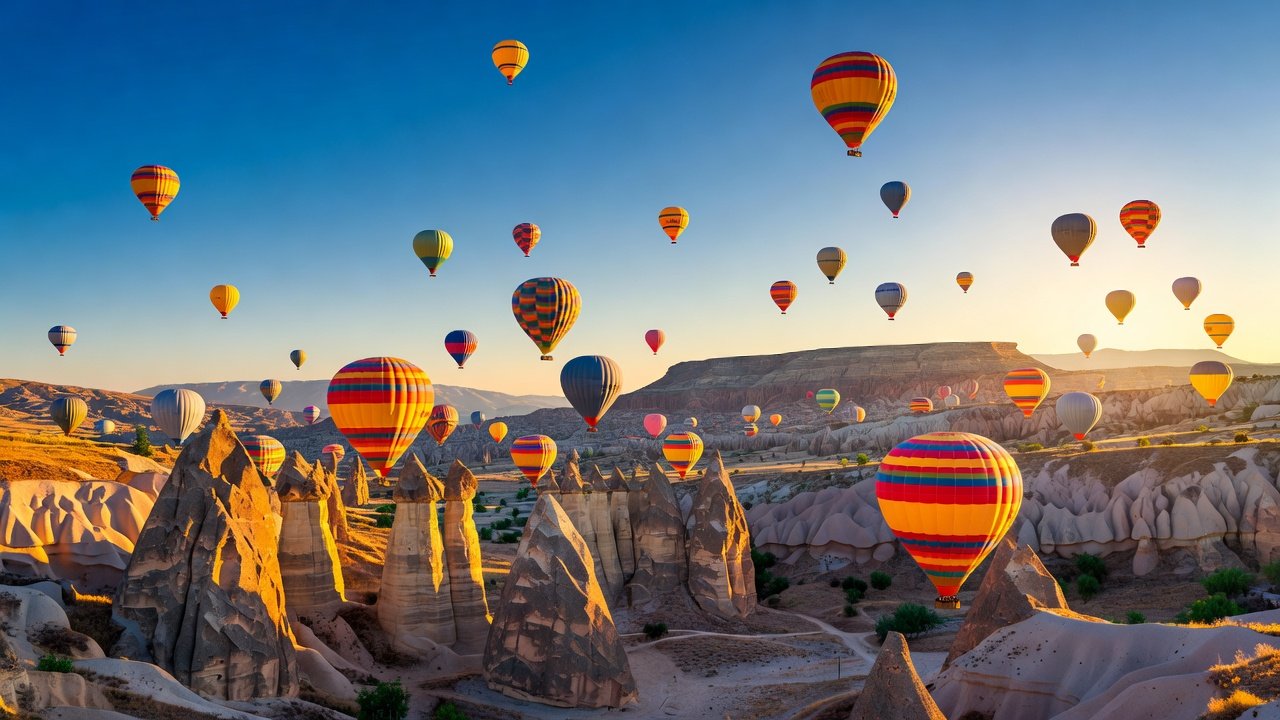
Each of these eight locations offers distinct advantages based on scenery, weather patterns, and crowd dynamics. Cappadocia in Turkey features otherworldly rock formations and fairy chimneys that glow at sunrise, with spring and autumn delivering comfortable temperatures and moderate crowds. Masai Mara in Kenya provides unparalleled views of the Great Migration across open savannas during the dry season from July to October. Napa Valley in California showcases vineyards turning golden in autumn, appealing to those who enjoy pairing flights with wine tastings. The Loire Valley in France offers elegant chateaus and meandering rivers visible from above during the mild summer months. Marrakech in Morocco surrounds travelers with desert dunes and the distant Atlas Mountains, making winter the prime window for clear visibility. Queenstown in New Zealand delivers dramatic alpine lakes and snow-capped peaks best viewed in shoulder seasons to avoid peak summer winds. Bagan in Myanmar presents thousands of ancient temples scattered across plains, favored during the cooler dry period from November to February. Albuquerque in New Mexico hosts one of the world's largest balloon festivals in early October, creating a spectacle of hundreds of colorful envelopes against high-desert backdrops.
Step-by-Step Decision Framework
Follow this structured approach to identify the best fit. Begin by clarifying your preferred travel window and climate tolerance, noting that desert regions offer stable conditions while mountainous areas may experience more variability. Next, research historical crowd levels through tourism reports to decide between bustling festivals and quieter escapes. Then evaluate operator safety by checking certifications and recent incident records from national aviation bodies. Compare package inclusions such as ground transportation, flight duration, and post-flight meals. Assess booking timelines early, as many operators open reservations nine months in advance for peak 2026 dates. Finally, consider combining the flight with nearby cultural sites or culinary experiences to increase overall trip value without additional travel days.
Real Operator Examples and Booking Timelines
Reputable operators across these destinations typically require advance planning. In Cappadocia, well-established companies like those affiliated with local aviation authorities suggest securing spots by January 2026 for June flights. Masai Mara operators often coordinate with safari lodges, opening 2026 slots as early as October of the prior year. Napa Valley providers frequently bundle flights with vineyard visits, with popular weekends filling by spring. Always confirm pilot experience levels and read recent passenger reviews for the most current operational insights.
Scenic and Weather Comparisons
Weather consistency varies significantly by region. Marrakech and Albuquerque benefit from dry, stable air masses ideal for reliable lift-offs, while Queenstown and Bagan may encounter seasonal winds that occasionally delay departures. Scenic highlights range from Cappadocia's volcanic valleys and Masai Mara's wildlife corridors to the Loire Valley's manicured estates and Napa's terraced vineyards. Travelers seeking dramatic sunrise colors often favor Cappadocia or Albuquerque, whereas those prioritizing serene water views may prefer Queenstown or the Loire Valley.
Combining Balloon Rides with Cultural and Wine Experiences
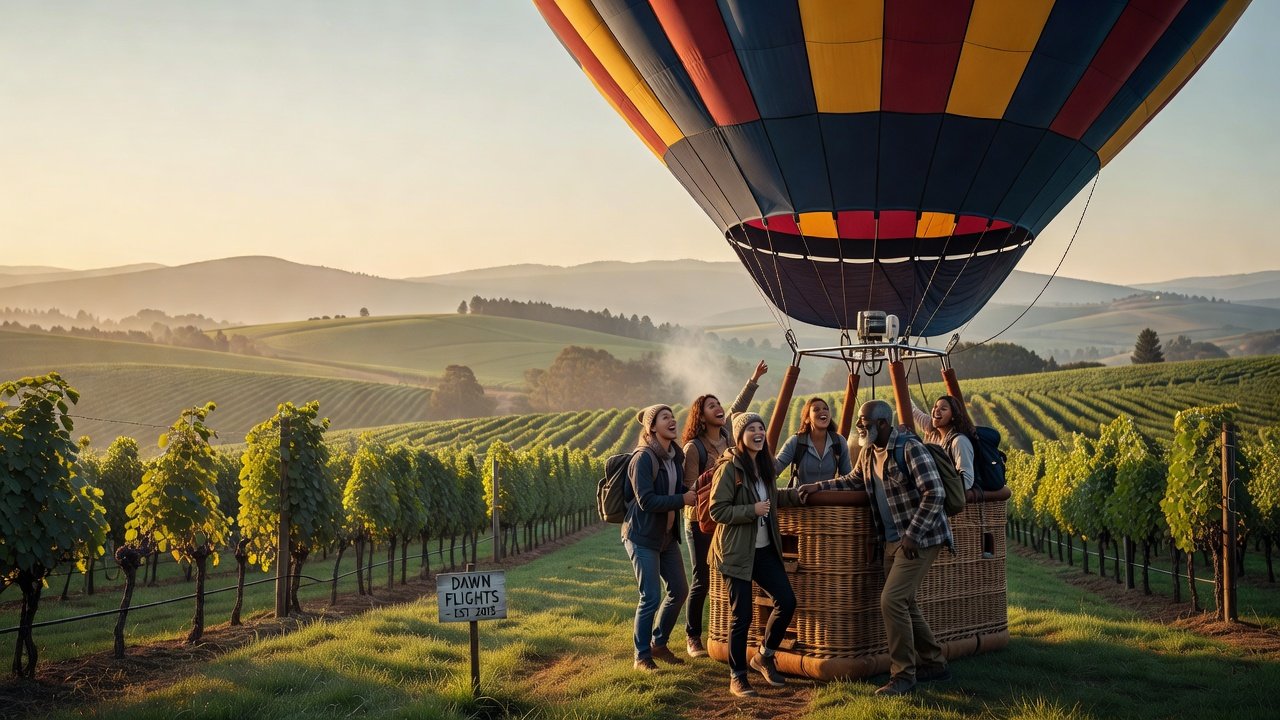
Enhance the adventure by integrating balloon flights with complementary activities. After a Napa Valley sunrise flight, visitors commonly proceed to nearby wineries for tastings and tours. In the Loire Valley, morning ascents pair naturally with afternoon visits to historic chateaus and gardens. Marrakech flights can be followed by explorations of bustling medinas and traditional souks. These pairings create balanced itineraries that blend aerial perspectives with ground-level cultural immersion, increasing satisfaction without extending trip length.
Safety Records and Practical Considerations
Prioritizing safety involves selecting operators that comply with international standards. Resources from the FAA provide guidance on pilot certification and equipment requirements. Most flights maintain altitudes below 3,000 feet, ensuring comfort for those concerned about height. Cancellation policies generally accommodate weather-related changes, allowing rescheduling or refunds when conditions are unsafe. For health-related travel advice, refer to official government portals such as travel.state.gov. Additional preparation includes packing layered clothing, comfortable shoes, and confirming any dietary needs for post-flight celebrations.
Social Media Trends and On-the-Ground Insights
Recent platform data shows increased shares of intimate balloon experiences in emerging locations like Bagan and Queenstown, with users highlighting the peaceful atmosphere compared to crowded festivals. On-the-ground reports stress the value of shoulder-season travel for better photo opportunities and more personalized service from crews. These authentic perspectives help travelers avoid peak-season pitfalls while discovering hidden scenic gems.
Common Mistakes to Avoid
Many first-time bookers overlook the importance of verifying operator insurance coverage or fail to account for early morning start times. Others choose destinations solely based on photos without considering seasonal wind patterns or crowd management. Always cross-reference multiple sources and avoid last-minute bookings during high-demand periods.
Frequently Asked Questions
Is hot air ballooning comfortable at altitude?
Passengers typically report a calm experience with minimal sensation of movement, as the basket remains stable and views distract from any perceived height.
What about cancellation policies?
Most operators offer flexible rescheduling for weather issues, though exact terms differ and should be reviewed before booking.
How early should I arrive for my flight?
Plan to reach the launch site at least one hour before the scheduled departure to allow for safety briefings and inflation observations.
Are there age or health restrictions?
Many operators accommodate children over five and seniors, but individuals with certain cardiovascular conditions should consult physicians beforehand.
Quick Checklist for First-Time Bookers
- Verify operator licensing and recent safety audits through official aviation channels.
- Reserve flights at least six months ahead for 2026 peak seasons.
- Pack layers suitable for temperature shifts between ground and flight levels.
- Arrange post-flight cultural or wine experiences in advance for seamless logistics.
- Review travel insurance policies that explicitly cover adventure activities.
- Monitor local weather forecasts in the days leading up to departure.
- Confirm group size and basket type to match comfort preferences.
- Prepare cameras with charged batteries for optimal sunrise lighting conditions.
Conclusion
Thoughtful selection of a 2026 hot air balloon destination can transform an ordinary trip into an extraordinary adventure. By applying the frameworks, comparisons, and practical checklists outlined here, travelers can confidently choose a location that matches their interests, budget, and safety expectations while creating lasting memories above some of the world's most captivating landscapes.
No comments yet. Be the first!