 PlaceBee
Introduction to Top Sailing Destinations in 2026
Planning a sailing adventure in 2026 offers sailors unparalleled opportunities to explore diverse marine environments across the globe. This comprehensive guide compares eight premier global sailing havens, focusing on seasonal wind patterns, iconic routes, skill-level requirements, marina facilities, and standout marine highlights. Whether you seek tranquil bays or challenging open-water passages, these destinations cater to various experience levels while emphasizing responsible crowd management and sustainable practices. From the protected coves of the Caribbean to the dramatic fjords of the Southern Hemisphere, each location presents unique opportunities and considerations for 2026 travelers. Early planning is essential because popular routes fill quickly, and understanding local conditions helps ensure both safety and enjoyment. Sustainability practices such as using reef-safe products, minimizing single-use plastics, and supporting local eco-certified operators are now standard expectations in most premier sailing areas. This article also covers operator recommendations, essential safety protocols, packing lists, and a practical decision matrix to guide your choice. By examining wind consistency, typical marina experiences, and ways to combine sailing with other destinations, readers can match their skill level and travel goals to the perfect escape.
British Virgin Islands: Caribbean Classic
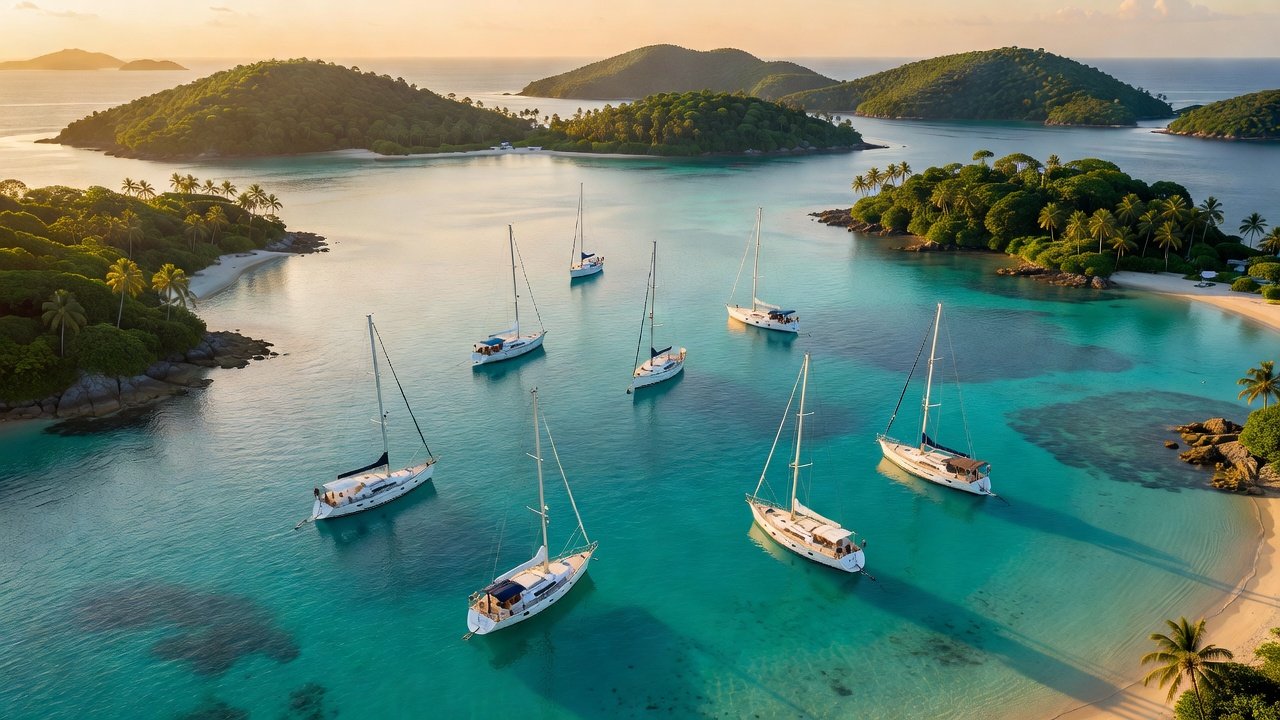
The British Virgin Islands remain a top choice thanks to consistent northeast trade winds that blow reliably from November through April. These steady breezes create ideal conditions for intermediate sailors who want a mix of easy day hops and occasional longer passages. Iconic routes follow the Sir Francis Drake Channel, allowing visits to Jost Van Dyke, Norman Island, and Virgin Gorda. Skill requirements are moderate; most charter companies provide thorough briefings for those with basic coastal sailing experience. Marina facilities range from full-service docks at Road Town to quieter anchorages at Anegada. Marine highlights include vibrant coral gardens and abundant tropical fish visible while snorkeling. Recommended operators include those offering both bareboat and skippered charters with strong emphasis on safety briefings and environmental guidelines. Crowds peak in winter months, so shoulder-season travel in May or October reduces congestion while still offering good wind.
Greek Islands: Mediterranean Charm
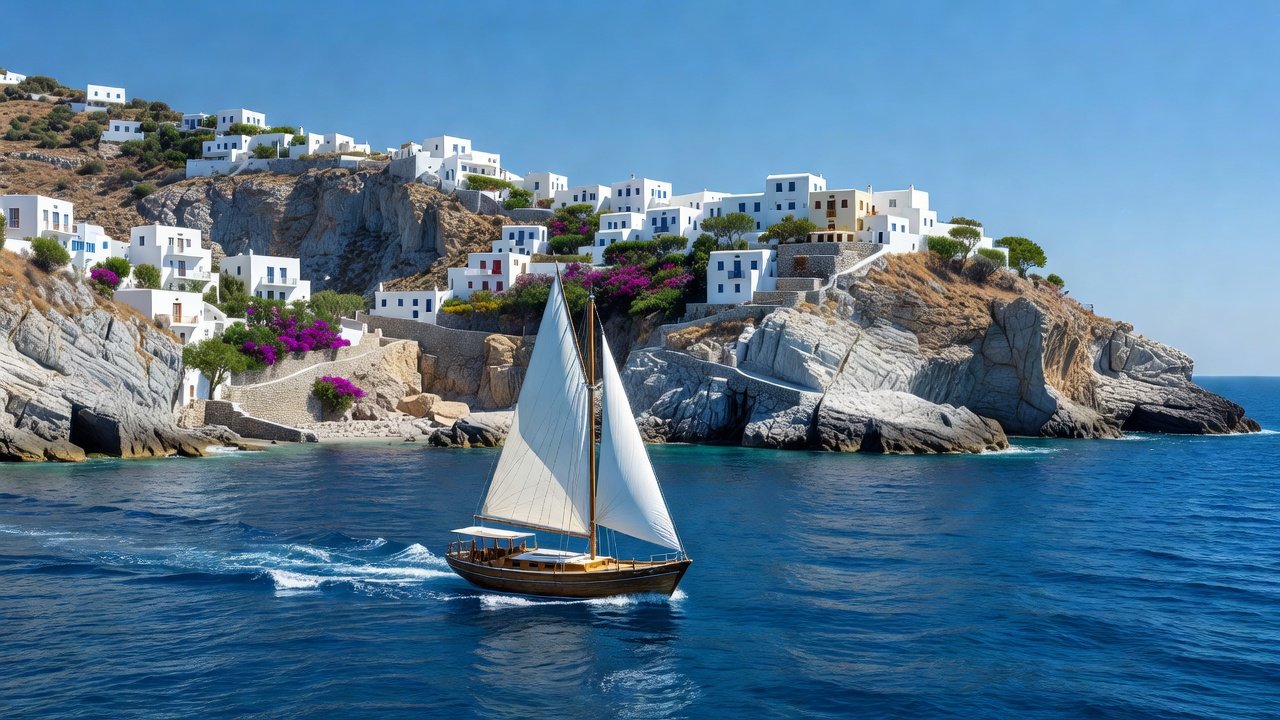
The Greek Islands deliver classic Mediterranean sailing with the famous meltemi winds that strengthen from June to September. These northerly gusts can reach impressive speeds, making the Cyclades suitable mainly for experienced crews comfortable with stronger conditions. Alternative routes through the Ionian Sea offer more protected waters ideal for families or beginners. Standout marine highlights include dramatic caldera views near Santorini and secluded bays around Lefkada. Many operators now incorporate sustainability measures such as electric outboards and partnerships with marine conservation groups. NOAA weather resources help sailors anticipate meltemi timing. Booking six to eight months ahead is advisable for July and August departures to secure preferred yachts and avoid peak crowds.
Croatia: Adriatic Explorer
Croatia provides excellent sailing along the Dalmatian coast with moderate winds that are strongest in spring and autumn. These shoulder seasons also keep marina and anchorage crowds lower than the busy summer months. Popular routes run from Split to Dubrovnik, stopping at Hvar, Korčula, and Mljet National Park. Intermediate skills suffice for most itineraries, though strong bora winds in winter require advanced handling. Highlights feature historic walled cities, clear turquoise waters, and rich underwater life. Sustainability practices include strict anchoring rules in marine parks and incentives for low-emission vessels. Operators frequently recommend eco-friendly charters that support local clean-up initiatives.
Thailand: Andaman Sea Adventures
Thailand’s Andaman Sea offers warm waters and dramatic limestone cliffs, with the best sailing window from November to April when monsoon winds subside. Routes around Phuket and the Similan Islands range from relaxed island-hopping to longer overnight passages. All skill levels are accommodated, with many companies providing introductory courses. Marine highlights include world-class diving sites and encounters with whale sharks. Sustainability efforts focus on limiting visitor numbers at sensitive reefs and promoting biodegradable products. Early booking is recommended because Thailand’s popularity continues to grow among international sailors.
New Zealand: Southern Hemisphere Gem
New Zealand delivers varied conditions across both islands, with the Bay of Islands and Marlborough Sounds offering protected waters while the open Tasman Sea provides challenges for advanced sailors. Winds can shift rapidly year-round, requiring solid navigation and weather-reading skills. Highlights encompass dramatic coastal scenery, abundant marine mammals, and pristine anchorages. Safety protocols are among the strictest globally due to remote locations. Operators emphasize comprehensive safety training and often partner with local conservation projects. Combining a sailing trip with land exploration of nearby national parks creates a well-rounded itinerary.
Bahamas: Shallow Bank Cruising
The Bahamas excel at shallow-water sailing across the Exuma Cays and Abacos, where steady easterly trade winds dominate from December to April. Routes are beginner-friendly yet offer plenty of exploration for experienced crews. Marine highlights include swimming with pigs, extensive coral reefs, and bioluminescent bays. Marina facilities vary from full-service marinas in Nassau to simple dockage at remote islands. Sustainability practices include no-anchoring zones to protect seagrass beds. Shoulder-season travel helps avoid both crowds and higher demand for charters.
Italy's Amalfi Coast: Scenic Routes
Italy’s Amalfi Coast and nearby islands feature light summer winds that make sailing accessible to novices. Routes typically combine coastal cruising with stops at Capri, Ischia, and the Aeolian Islands. Highlights are colorful cliffside villages and volcanic seascapes. Many operators now promote low-impact tourism by limiting daily engine use and supporting local marine education programs. Crowds are manageable outside July and August, and advance reservations ensure availability of desirable yachts.
Whitsundays, Australia: Tropical Paradise
The Whitsundays provide tropical sailing between the mainland and Great Barrier Reef with reliable trade winds from March to November. Routes allow easy day sails between islands such as Hamilton, Hayman, and Whitehaven Beach. Skill requirements are low to moderate, and many charters include snorkeling equipment. Highlights feature pristine beaches and world-famous reef systems. UNEP guidelines and UNESCO marine protections inform local sustainability practices. Booking timelines of four to six months are typical for peak Australian seasons.
Decision Matrix for Choosing Your Escape
Use this matrix to match priorities with destinations: Wind consistency favors the British Virgin Islands and Bahamas. Protected waters for beginners point to Thailand and the Bahamas. Dramatic scenery and advanced sailing suit New Zealand. Lower crowds in shoulder seasons benefit Croatia and Greece. Strong sustainability programs are evident across all eight locations when operators follow international guidelines. Consider combining sailing with land-based travel such as hiking in New Zealand or cultural tours in Italy for a richer experience.
Safety Protocols and Packing Essentials
Standard safety protocols include daily weather checks, life-jacket use at all times on deck, and clear communication plans with base operators. Always carry a satellite communicator in remote areas. Packing essentials comprise reef-safe sunscreen, quick-dry clothing, non-slip deck shoes, a basic medical kit, and reusable water bottles. Layered clothing handles temperature changes, while waterproof bags protect electronics. Many operators supply detailed checklists during the briefing process.
FAQs on Chartering, Weather Contingencies, and Combining Destinations
How far in advance should charters be booked? Six to nine months ahead is ideal for peak winter and summer seasons. What happens during unexpected weather? Flexible itineraries, professional weather routing, and comprehensive insurance provide essential protection. Can sailing trips be combined with other top destinations? Yes, many travelers add land segments such as national park visits or city stays before or after their charter. Operators can often arrange transfers to facilitate seamless multi-destination journeys.
Conclusion
Selecting the right sailing haven for 2026 depends on matching wind patterns, skill level, crowd preferences, and sustainability values with your personal goals. The eight destinations profiled offer something for every sailor, from relaxed Caribbean cruising to challenging Southern Ocean passages. Thoughtful planning, respect for local environments, and early booking will deliver an unforgettable experience on the water.
No comments yet. Be the first!