 PlaceBee
Introduction to Sustainable Travel in 2026
Travelers in 2026 are increasingly seeking destinations that balance unforgettable experiences with environmental responsibility. Sustainable must-see spots emphasize conservation, community benefits, and low-impact tourism, making them ideal choices for responsible explorers. This comprehensive guide explores why these locations matter, details selection criteria, provides in-depth examples from Costa Rica's reserves and Norway's fjords, and offers practical advice for planning trips that minimize harm while maximizing enjoyment. As global awareness of climate change grows, choosing forward-thinking alternatives helps preserve natural wonders for generations to come.
Why Sustainability Matters for 2026 Travelers
The tourism industry faces mounting pressure to reduce its ecological footprint amid rising temperatures and habitat loss. In 2026, destinations that integrate renewable energy, protect biodiversity, and empower local communities stand out as must-see spots. Sustainable travel not only delivers authentic adventures but also supports reforestation, wildlife protection, and economic equity. By opting for these places, travelers contribute to global efforts like those promoted by international organizations focused on responsible tourism practices.
Criteria for Choosing Low-Impact Destinations
Selecting the right sustainable destination involves evaluating several key factors. First, verify protected status through national parks or UNESCO designations that enforce visitor limits and habitat restoration. Second, assess energy sources—prioritize areas relying on solar, wind, or hydropower. Third, examine community involvement, such as tours led by indigenous guides or lodges that employ locals and share profits. Fourth, review waste management policies, including bans on single-use plastics and composting systems. Finally, consider accessibility via low-emission transport like electric trains or ferries. These criteria ensure your visit aligns with conservation goals rather than exacerbating environmental strain.
Top Sustainable Destination: Costa Rica's Reserves
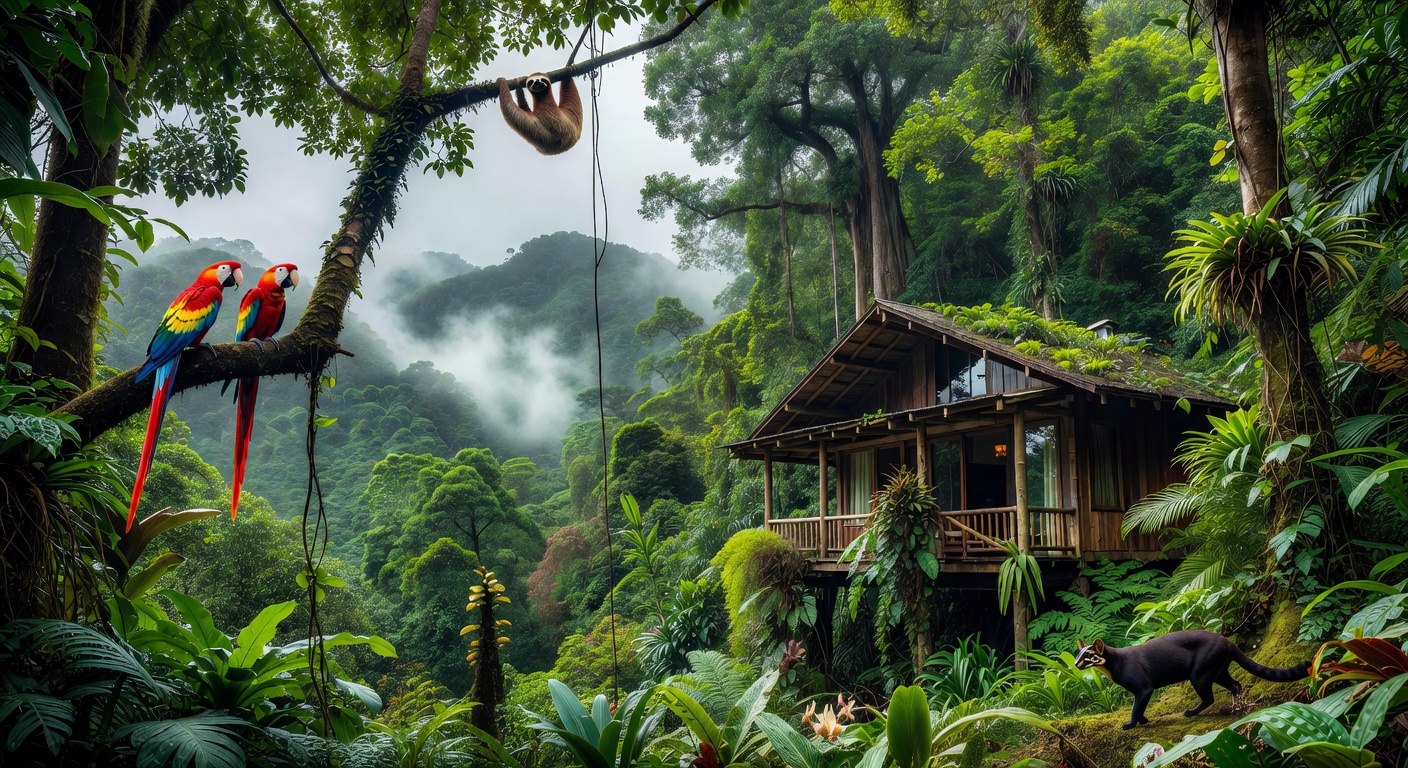
Costa Rica exemplifies sustainable tourism through its vast network of national parks and private reserves covering over 25% of the country's land. The Monteverde Cloud Forest Reserve protects rare species like the resplendent quetzal amid misty canopies, while offering canopy tours and night hikes that educate visitors on biodiversity. Manuel Antonio National Park combines beach access with monkey sightings and sloth conservation programs. Eco-lodges here use solar power, recycle graywater, and source food from organic farms. Compared to conventional beach resorts elsewhere, these reserves maintain lower visitor densities and fund anti-poaching initiatives. Travelers can participate in citizen science projects, such as tagging butterflies, enhancing their experience while aiding research. This approach has helped Costa Rica reverse deforestation trends, turning tourism into a force for positive change.
Norway's Fjords: A Model of Green Adventure
Norway's dramatic fjords showcase how adventure and sustainability coexist. The Geirangerfjord and Nærøyfjord, both UNESCO sites, feature electric-powered ferries and hybrid boats that cut emissions dramatically. Hikers explore trails maintained to prevent erosion, while kayaking tours emphasize quiet observation of seals and seabirds. The country's hydropower infrastructure powers most transport, and strict regulations limit cruise ship access during peak seasons. Visitors stay in cabins built with local timber and insulated for energy efficiency. These practices preserve the pristine waters and mountains that define the region. Visit Norway provides resources on certified operators committed to these standards.

Additional Spotlight: Iceland's Geothermal Wonders
For variety, consider Iceland's geothermal areas like the Golden Circle route, where sustainable practices shine through. Hot springs are managed to avoid overuse, and many guesthouses run on geothermal energy. Travelers can join guided glacier hikes with operators that monitor ice melt and donate to climate funds. This destination complements fjord and rainforest experiences by highlighting renewable energy innovation. Its low population density allows for uncrowded exploration of lava fields and waterfalls while supporting reforestation projects that offset tourism impacts.
Practical Steps for Carbon-Neutral Trips
Planning a carbon-neutral journey requires deliberate choices at every stage. Begin by calculating emissions with online calculators from reputable environmental groups, then offset through reforestation or renewable projects. Select direct flights or combine with rail segments to reduce airborne time. Book accommodations with verified eco-certifications and choose local dining to cut food miles. During activities, favor human-powered options like hiking or cycling over motorized excursions. Pack light to lower luggage weight on flights, and bring reusable essentials to avoid single-use items. Engage with community-based tourism by hiring local guides, which boosts economies without environmental cost. Post-trip, share experiences on forums to inspire others and track personal progress toward lower-impact travel habits. These steps transform a standard vacation into a model of responsibility.
Environmental Footprint Comparisons
Sustainable destinations like those in Costa Rica and Norway generate far smaller footprints than overcrowded mainstream alternatives. Traditional beach packages often involve high water consumption, plastic waste, and habitat disruption from large developments. In contrast, low-impact sites enforce carrying capacities and invest fees directly into conservation. Studies from global tourism bodies show that green travel can reduce per-trip emissions by half through efficient transport and mindful activities. This comparison highlights why 2026 travelers benefit from shifting preferences toward certified reserves and fjord regions that prioritize long-term viability over short-term gains.
Real Traveler Case Studies
A group of friends documented their Norway trip, opting for electric trains and fjord cruises instead of flights between cities. They stayed in off-grid cabins and participated in beach cleanups, resulting in a trip with near-zero net emissions while enjoying unparalleled scenery. Another case involved a couple in Costa Rica who volunteered at a sea turtle sanctuary during their stay. Their efforts contributed to nest protection data, and they returned home advocating for similar programs. These stories illustrate how individual choices amplify conservation impacts and create lasting memories beyond typical sightseeing.
Sustainable Packing List Essentials
- Reusable water bottle with filter to minimize plastic purchases
- Quick-dry clothing from recycled fabrics that pack small
- Solar charger for devices during remote adventures
- Biodegradable soap, shampoo, and toothpaste to protect waterways
- Compact binoculars and field guide for ethical wildlife viewing
- Multi-use scarf that serves as towel, blanket, or sun protection
- Refillable notebook for journaling instead of disposable paper
- Lightweight daypack made from recycled materials
Mistakes to Avoid in Sustainable Travel
Common pitfalls include overlooking certification labels and falling for greenwashing by operators. Avoid overpacking, which increases transport emissions, and steer clear of activities like elephant riding that exploit animals. Do not ignore local customs or water conservation rules in sensitive areas. Always research transport options thoroughly to prevent defaulting to high-emission choices. These errors can undermine even well-intentioned trips, so cross-reference claims with independent reviews before booking.
FAQ: Addressing Costs, Accessibility, and More
Are sustainable trips more expensive? While some premium eco-lodges carry higher rates, many budget-friendly options exist through homestays and public transport, often matching or undercutting conventional travel when factoring in included activities.
How accessible are these destinations for different travelers? Costa Rica and Norway offer wheelchair-friendly paths, adaptive tours, and family-oriented programs, with many reserves providing accessible viewpoints and transport.
What about verifying sustainability claims? Rely on third-party certifications and recent traveler reports emphasizing actual practices like waste reduction and community support.
Can I visit without sacrificing adventure? Absolutely—these spots excel in hiking, kayaking, and wildlife encounters that rival or exceed mainstream experiences in quality and impact.
Conclusion
Embracing sustainable must-see spots for 2026 empowers travelers to explore responsibly while enjoying world-class destinations. By applying the criteria, steps, and insights shared here, you can craft journeys that protect ecosystems and enrich communities. Start planning today to make your next adventure a model of thoughtful tourism.


No comments yet. Be the first!