 PlaceBee

Introduction: Why Data-Driven Travel Planning Matters in 2026
Travelers seeking smarter choices in 2026 are moving beyond generic top-10 lists. By leveraging booking trends, official tourism reports, and visitor forecasts, analytical travelers can identify rising destinations before crowds arrive. This approach reduces risk, optimizes timing, and aligns trips with personal interests like culture, adventure, or sustainability. In an era of fluctuating travel patterns, data provides a clear edge, helping avoid oversaturated spots while uncovering hidden gems supported by measurable growth signals.
Data sources such as the UNWTO provide global insights into arrivals and spending patterns. Combining these with booking platform analytics reveals which locations are gaining momentum without the hype of social media trends. The result is more personalized, efficient, and enjoyable journeys that stand the test of time.
Reliable Data Sources for 2026 Destination Research
Start with authoritative organizations. The UNWTO releases quarterly reports on international arrivals and recovery metrics that cover every major region. National tourism boards publish visitor statistics and forward-looking projections tailored to specific countries. Aggregators like forward-booking indices from major platforms highlight search volume spikes for specific cities or regions, offering real-time signals of emerging interest.
Cross-reference multiple sources to avoid bias. For instance, pair UNWTO arrival data with local economic indicators from government statistical agencies or reports from the OECD. This layered view helps spot destinations where tourism growth is sustainable rather than fleeting. Additional sources include airline route data and hotel occupancy forecasts, which together paint a complete picture of demand.
Simple Analysis Methods for Spotting Rising Destinations
Focus on three key metrics: year-over-year booking growth, average length of stay, and search-to-booking conversion rates. Destinations showing consistent double-digit growth in searches but still moderate actual arrivals often represent sweet spots for 2026 visits. Track these over several quarters to identify true upward trajectories rather than temporary spikes.
Use free tools to visualize trends. Download public datasets and plot them in spreadsheets to compare high-traffic hubs against emerging locations. Look for inflection points where growth accelerates but infrastructure remains accessible. Incorporate sentiment analysis from traveler forums to validate quantitative data with qualitative feedback, creating a balanced assessment method that highlights both popularity and visitor satisfaction.
Step-by-Step Selection Framework
- Define your priorities: budget range, travel style, and preferred climate or activities.
- Gather baseline data from UNWTO and national reports for candidate regions across continents.
- Analyze booking trends for the next 12–18 months using historical comparisons.
- Compare high-traffic versus emerging spots using visitor forecast models and occupancy rates.
- Validate findings with seasonal factors, visa requirements, and real traveler reviews from multiple platforms.
- Finalize based on alignment with your goals, sustainability considerations, and risk tolerance for less-visited areas.
- Monitor updates quarterly as new reports become available to refine your shortlist.
Real-World Examples of Data-Backed Spots
Consider Portugal’s lesser-known Alentejo region. Tourism reports showed steady 15–20% growth in bookings while Lisbon saturated, making it ideal for wine and nature enthusiasts. Similarly, data from Southeast Asia highlighted emerging spots in Vietnam’s central highlands where visitor forecasts predicted strong 2026 upticks without overtourism pressures, perfect for cultural immersion.
Another case: Eastern European cities like Ljubljana demonstrated rising search volumes paired with low average stay lengths, signaling opportunities for extended cultural trips. In South America, data-backed analysis points to Colombia’s coffee regions, where increasing international arrivals combined with improved infrastructure forecasts suggest strong potential for 2026 adventure travelers seeking authentic experiences off the beaten path.
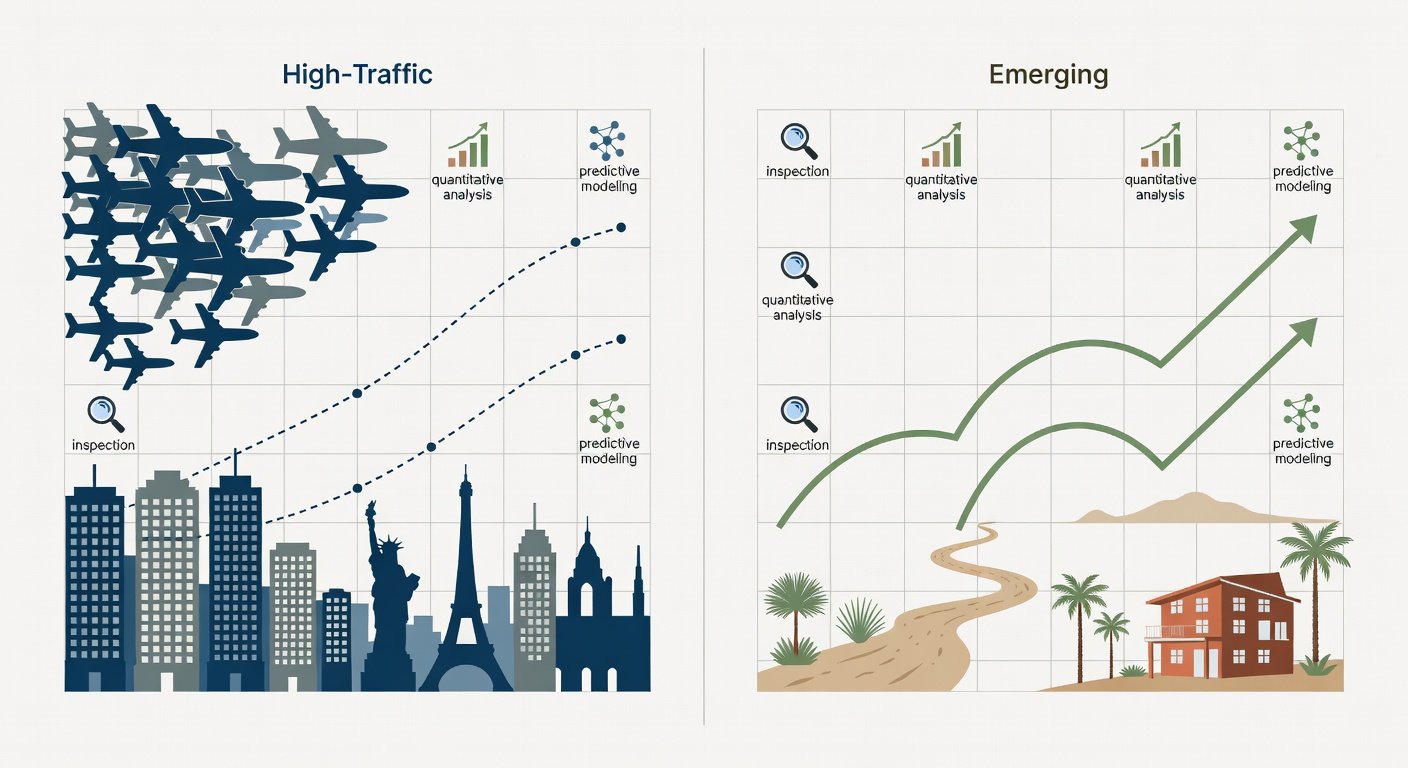
High-Traffic vs Emerging Locations: Key Comparisons
High-traffic destinations like Paris or Tokyo offer established infrastructure but face higher costs and crowds. Emerging locations typically provide lower prices, authentic experiences, and room for discovery, though they may require more flexible planning and research into local transportation options. Data shows that emerging spots often deliver higher satisfaction scores when travelers align visits with shoulder seasons.
Use forecast models to time trips before popularity peaks. High-traffic areas benefit from extensive amenities but can feel overwhelming during peak periods, while emerging destinations reward proactive planners with unique access to local culture and nature. Weigh these factors against your tolerance for adventure versus convenience when making final decisions.
Practical Packing and Timing Advice
Once data points to a destination, adjust packing for projected weather patterns from climate reports and local seasonal norms. Time visits during periods of moderate arrivals to enjoy better availability and lower rates. Monitor real-time booking dashboards in the months leading up to travel for last-minute adjustments based on new forecast releases.
Pack versatile layers and essential adapters for regions with variable infrastructure. Consider travel insurance that covers itinerary changes, especially for emerging destinations where flight or accommodation options may be limited. This preparation ensures smooth execution of your data-informed itinerary.
Common Pitfalls to Avoid When Using Travel Data
One frequent mistake is relying on a single data source without cross-verification, which can lead to skewed conclusions. Another is ignoring seasonal adjustments or visa policy changes that affect accessibility. Always update your analysis with the latest reports and consider external factors like geopolitical events that may influence forecasts.
Overlooking sustainability metrics can also backfire, as destinations with rapid unchecked growth may face future restrictions. Balance quantitative data with qualitative insights from recent visitor experiences to create well-rounded plans that remain enjoyable long-term.
Conclusion
Using travel data transforms destination selection from guesswork into a strategic process. By following the frameworks above, travelers can confidently choose 2026 spots that match both current trends and personal preferences for rewarding journeys.
FAQ
How accurate are tourism forecasts for 2026?
Forecasts from sources like UNWTO incorporate multiple variables and are updated quarterly. Accuracy improves closer to the travel date, so treat them as directional guides rather than guarantees and adjust plans as fresh data emerges.
Should I adjust plans for seasonal data fluctuations?
Yes. Cross-check monthly arrival patterns to avoid peak overcrowding while still experiencing good weather and events, ensuring optimal timing for your chosen destination.
Can small data sets still be useful?
Even limited local statistics provide value when combined with global reports, especially for niche destinations where broad data may be sparse but targeted insights remain reliable.


No comments yet. Be the first!