 PlaceBee
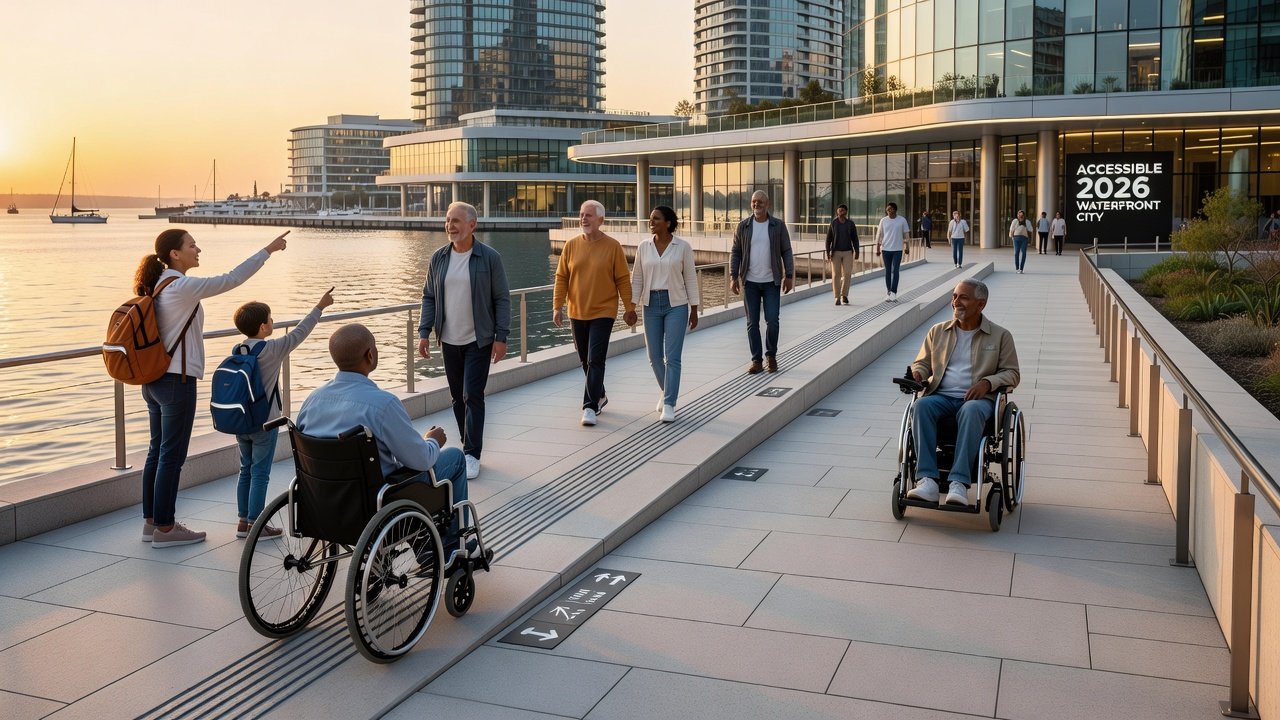
Introduction to Inclusive Travel in 2026
Travel should be for everyone, and 2026 brings exciting advancements in accessible destinations that cater to mobility, sensory, and cognitive requirements. This comprehensive guide helps you plan trips that prioritize inclusion without sacrificing adventure or relaxation. Whether you use a wheelchair, need low-sensory environments, or travel with family members who have varying abilities, thoughtful preparation opens up the world. Accessible tourism has grown significantly, with destinations worldwide adapting infrastructure and services. From ramp-equipped historic sites to quiet nature reserves, options abound for meaningful experiences that respect diverse needs.
The concept of inclusive wanderlust emphasizes empowerment and discovery for all travelers. In 2026, many locations have enhanced their offerings based on feedback from disabled communities, incorporating features like sensory-friendly pathways and cognitive support tools. This evolution makes it easier than ever to explore new places confidently.
Practical Steps for Selecting and Booking Accessible Trips
Start by assessing personal or group needs in detail. List requirements such as wheelchair access, quiet spaces, or clear signage. Research destinations using official tourism boards and accessibility databases. Contact providers directly to confirm features like roll-in showers or audio guides. Next, create a prioritized checklist that includes medical considerations, assistance animal policies, and equipment compatibility.
Book early, ideally 3-6 months ahead, to secure adapted accommodations and transport. Verify policies on assistance animals and medical equipment. Use apps and websites that rate accessibility in real time. Consider working with specialized travel agents who focus on inclusive journeys. They can provide insider knowledge on hidden features and recent updates. Always request written confirmations of accessibility features to avoid surprises upon arrival.
Research Tools and Verification
Leverage government and international resources for accurate information. Cross-reference multiple sources to ensure details are current. This step-by-step approach minimizes risks and maximizes enjoyment.
Wheelchair-Friendly Cities to Explore
Cities like Barcelona offer extensive curb cuts, accessible metro systems, and beach wheelchairs available at multiple points along the coastline. The city's commitment to universal design includes elevators in most public buildings and tactile paving throughout historic districts. Tokyo features elevators in most stations and tactile paving for navigation, making it one of the most seamless experiences for wheelchair users. In North America, Vancouver combines waterfront paths with fully accessible public transit, including low-floor buses and ferries equipped with ramps. These locations demonstrate how urban planning supports independent exploration. Additional examples include Singapore's extensive network of barrier-free routes and Copenhagen's emphasis on flat, wide sidewalks paired with accessible public parks. Always check for seasonal updates, as construction can affect routes temporarily.
Nature Spots with Low Sensory Overload
Nature reserves provide calming escapes from urban intensity. Consider locations with wide, flat trails and minimal crowds. Many parks now include sensory maps highlighting quiet zones and shaded rest areas. Examples include select trails in the U.S. national park system designed with accessibility in mind and European forest reserves that incorporate natural sound buffers. These spots allow for peaceful immersion without overwhelming stimuli. 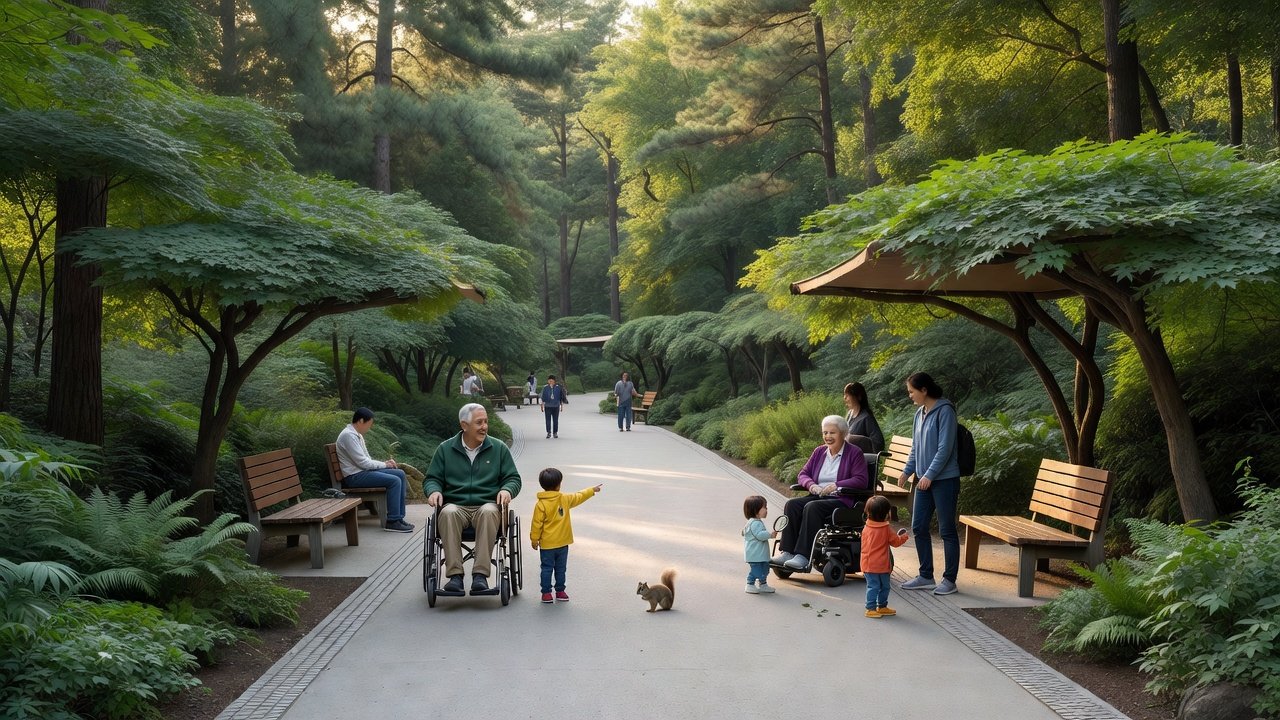
Comparing Transport Options
Air travel offers increasing accessibility services, though advance requests for wheelchair assistance are essential for smooth transfers. Trains provide more space and flexibility in many regions, with dedicated accessible cars and assistance at stations. Rental cars with hand controls or accessible vans suit road trips, offering independence once on the ground. Compare options based on transfer ease and availability of adaptive equipment. For instance, rail systems in Europe frequently outperform air travel for short distances due to fewer security hurdles. Maritime options like accessible ferries also deserve consideration for scenic routes.
Accommodation Certifications and Choices
Look for certifications such as those from recognized accessibility standards. Properties with verified ramps, adjustable beds, and clear pathways ensure comfort. Read recent guest reviews focusing on real-world experiences rather than marketing claims. Many hotels now display detailed accessibility icons on their sites, covering everything from door widths to bed heights. Choosing certified venues reduces uncertainty and supports ongoing improvements in the industry.
Budget Considerations for Different Ability Levels
Costs vary by destination and season. Prioritize value through packages that bundle accessible transport and lodging. Research grants or discounts for disabled travelers where available. Planning around shoulder seasons can reduce expenses while maintaining quality. Focus on locations where accessibility infrastructure is already robust to avoid additional modification fees. This strategic approach allows more travelers to experience inclusive wanderlust regardless of financial constraints.
Family-Inclusive Planning
Include all ages by choosing destinations with multi-generational appeal. Opt for activities that accommodate different paces and needs. Involve family members in decision-making to foster shared excitement and ownership of the itinerary. For example, select cities with both accessible playgrounds and quiet cultural sites. This ensures every participant feels valued and engaged throughout the trip.
Empowerment Stories from Disabled Travelers
Travelers with disabilities often share inspiring accounts of overcoming barriers. One common theme involves navigating historic European towns with creative route planning. Another highlights the joy of solo adventures in accessible Asian cities using local support networks. These narratives highlight resilience and the joy of discovery, encouraging others to pursue their own adventures. Online communities provide tips and motivation drawn from personal journeys, creating a supportive global network.
Short FAQ on Resources and Apps
- What apps verify accessibility? Popular tools include those mapping ramps and quiet spaces in major cities worldwide.
- Where can I find official resources? Consult the World Health Organization for global health and accessibility insights.
- How do I check transport accessibility? Review guidelines from the Centers for Disease Control and Prevention on travel health and accommodations.
- Are there international standards? The United Nations offers frameworks on disability-inclusive tourism practices.
Start small, stay informed, and enjoy the journey toward truly inclusive wanderlust in 2026 and beyond.

No comments yet. Be the first!