 PlaceBee
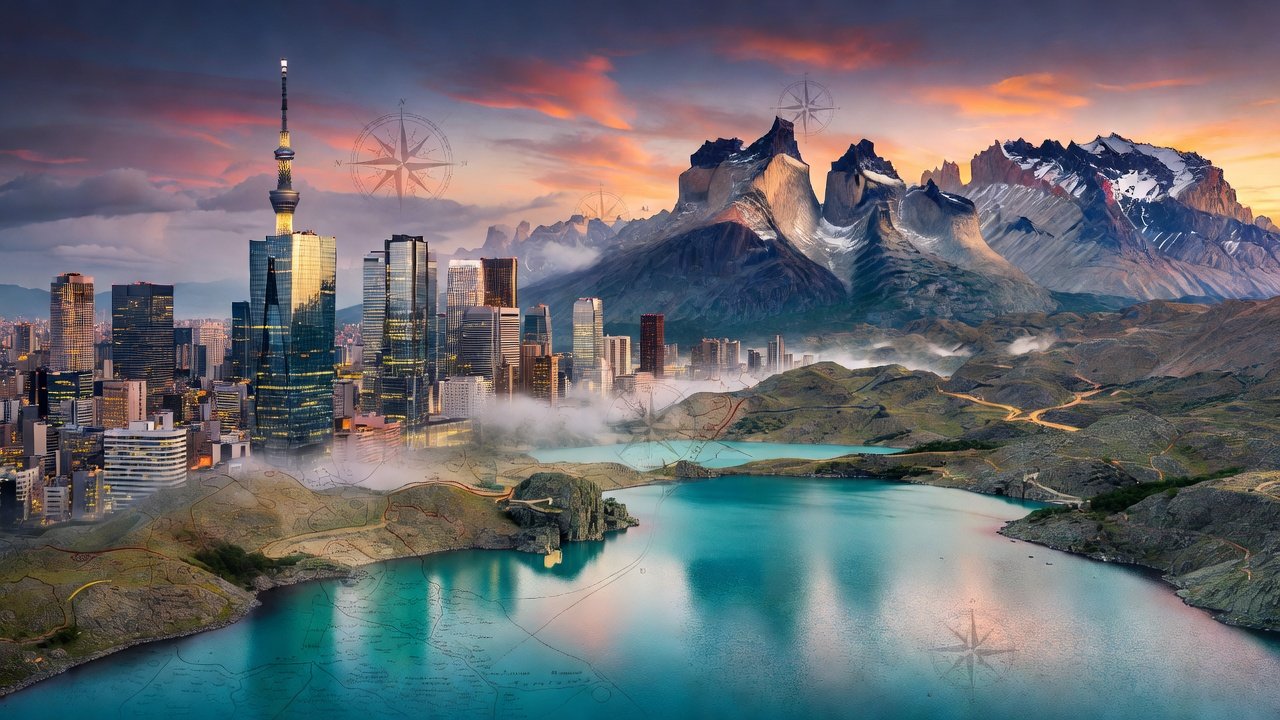
Why Unexpected Urban-Nature Pairings Matter in 2026
Travelers in 2026 seek fresh escapes that combine the energy of city life with the serenity of untouched wilderness. These pairings spark creativity and deliver balanced adventures without relying on overdone routes like Paris to the Alps. Instead, focus on blends that feel novel, such as Asian megacities leading into South American wilds or North American hubs opening onto Arctic frontiers. The appeal lies in contrast: after days immersed in bustling markets, skyscrapers, and cultural events, you transition to quiet trails, star-filled skies, and raw landscapes that recharge the spirit. This approach avoids tourist saturation while maximizing personal growth and memorable stories. Whether you are a solo explorer craving introspection or a couple seeking shared discovery, these combinations cater to varied motivations and create layered itineraries that feel both exciting and restorative.
8 Surprising Urban-to-Wilderness Combinations
Here are eight unexpected pairings designed to maximize wanderlust while offering practical variety for couples, solo explorers, and small groups. Each includes real-world logistics notes to help you visualize the journey.
1. Tokyo to Patagonia’s Torres del Paine
Start in Tokyo’s neon-lit streets and high-tech districts, then fly to Chile’s remote national park for hiking amid granite spires and glacial lakes. This contrast refreshes the mind after urban intensity. Visitors often begin with temple visits and sushi tours before boarding a long-haul flight to Punta Arenas. From there, a short transfer reaches the park entrance where multi-day treks reveal dramatic weather shifts and abundant wildlife. Solo travelers appreciate the guided options that foster connections, while couples enjoy private viewpoints at sunrise.
2. New York City to Iceland’s Highlands
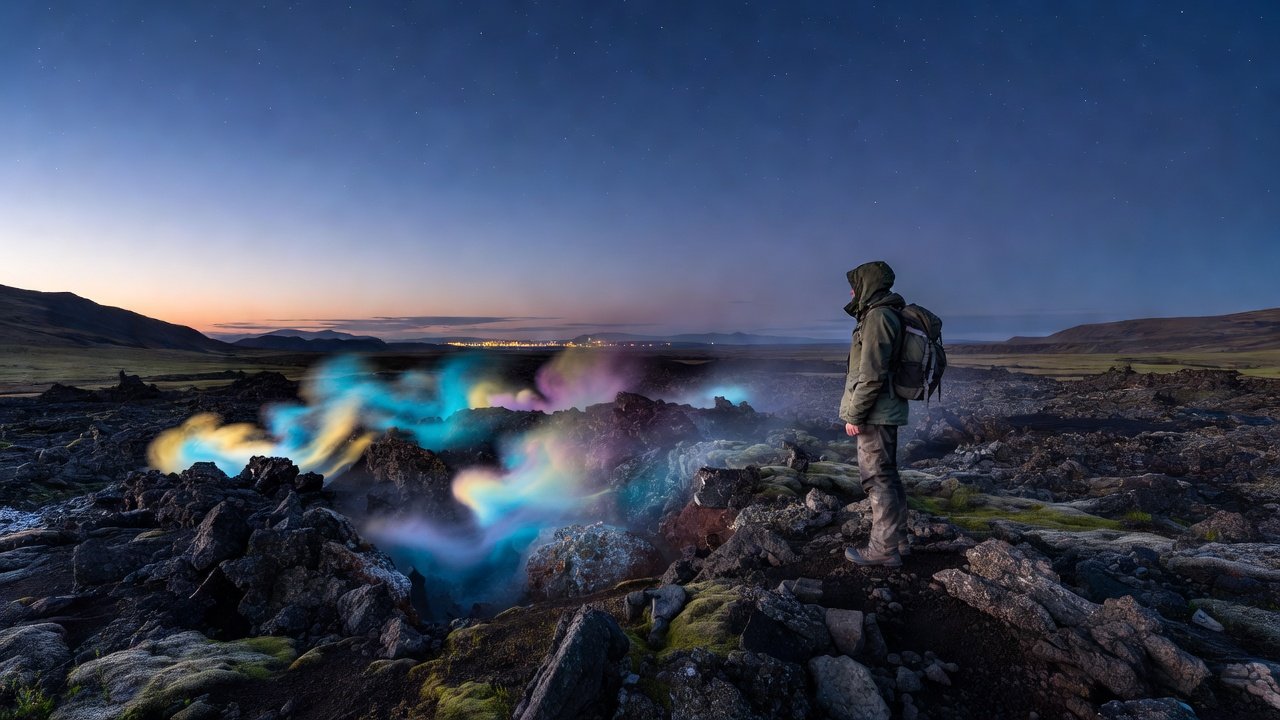
Trade Manhattan’s skyline for Iceland’s volcanic highlands accessible via guided super-jeep tours. The shift from concrete canyons to geothermal fields creates memorable reset moments. After exploring Central Park and Broadway shows, travelers catch evening flights to Reykjavik. Internal transfers lead to remote camps where hot springs and black sand beaches await. This pairing suits those wanting cultural depth followed by adrenaline activities like river crossings.
3. Singapore to Namibia’s Namib Desert
Move from Singapore’s orderly gardens to Namibia’s vast dunes for stargazing and desert camping, offering solitude after dense city living. The journey typically involves a stop in Johannesburg before reaching Windhoek. Once in the desert, nights under the Milky Way provide profound perspective. Practical tip: pack light layers for temperature swings and book eco-lodges that support local conservation efforts.
4. Berlin to Canada’s Banff Backcountry
Berlin’s street art and history give way to Banff’s pristine forests and turquoise lakes, perfect for hiking or winter skiing extensions. National Park Service resources offer valuable insights into similar protected areas worldwide. After museum hopping in Berlin, a flight via major European hubs lands you near Calgary. Shuttle services reach trailheads where wildlife sightings become daily highlights. Families and groups find this route flexible for mixing city exploration with outdoor challenges.
5. Seoul to New Zealand’s Fiordland
Seoul’s K-culture buzz transitions smoothly to Fiordland’s misty fjords for kayaking and wildlife spotting. The flight path often routes through Auckland before scenic drives into Milford Sound territory. This combination rewards foodies with Korean street eats followed by fresh seafood in remote lodges. Timing your visit around shoulder seasons helps avoid peak crowds on popular trails.
6. Dubai to Mongolia’s Gobi Steppe
Leave Dubai’s futuristic towers for nomadic yurt stays in the Gobi, blending luxury urban comforts with steppe horseback adventures. Connections via Istanbul or Seoul make the journey feasible. Once there, camel treks and dinosaur fossil sites provide educational depth. Couples particularly enjoy the romantic isolation of desert sunsets after Dubai’s vibrant nightlife.
7. Mexico City to Patagonia’s Valdés Peninsula
Mexico City’s vibrant markets lead to Argentina’s marine wildlife sanctuaries for whale watching and coastal hikes. A connecting flight via Buenos Aires positions you for boat tours observing southern right whales. This pairing balances culinary adventures with nature photography opportunities, ideal for creative travelers.
8. Mumbai to Alaska’s Denali Wilderness
Mumbai’s bustling energy pairs with Denali’s towering peaks for trekking and wildlife viewing in one of North America’s last frontiers. U.S. Department of State travel resources provide essential entry guidance for international visitors. After exploring historic temples, internal flights via Anchorage reach the park entrance. Guided bus tours reveal bears and caribou while offering educational talks on climate impacts.
Planning Steps for Combining Destinations
Successful pairings require thoughtful preparation to handle logistics smoothly. Begin by mapping flight connections between the urban hub and wilderness gateway using major airlines for efficient routing. Always verify current entry rules, as requirements can change; consult official government portals for both countries involved. Book internal transport like domestic flights or trains in advance to secure availability during peak seasons. Align activity levels by scheduling rest days in the city before wilderness exertion to prevent fatigue. Research gear needs early—rent equipment locally in remote areas to minimize luggage during city segments. Finally, review health and safety protocols, including vaccinations and travel insurance that covers adventure activities. These steps reduce stress and allow full immersion in each location.
Sample 14-Day Itinerary: Tokyo to Patagonia
Days 1-4 focus on Tokyo exploration: visit historic temples, sample diverse cuisine at Tsukiji market, and attend a tech exhibition. Day 5 involves an overnight flight to Santiago with a connection to Puerto Natales. Days 6-7 allow acclimatization and light walks near the town. Days 8-12 cover the W Trek in Torres del Paine with overnight refugios, offering views of the iconic towers and Grey Glacier. Days 13-14 include buffer time in Punta Arenas for potential weather delays before returning home. Adjust pacing for solo travelers seeking independence by adding free days, or for couples by reserving romantic dinners at park lodges. Extend the wilderness portion if you crave more hiking time.
Budget Considerations and Audience Angles
Focus on mid-range options by choosing shoulder seasons to balance costs without compromising experiences. Solo explorers can opt for shared hostels in cities and group treks in nature to keep expenses manageable while meeting fellow adventurers. Couples may prefer boutique urban hotels paired with private wilderness lodges for intimate moments. Factor in gear rentals for remote areas to keep luggage light during city segments. Consider multi-city flight tickets that reduce overall airfare. Audience-specific tweaks include adding wellness activities like yoga in the wilderness for solo travelers or photography workshops for creative couples. Always build in contingency funds for unexpected transport changes common in remote regions.
FAQs on Timing and Transport
When is the best time to visit these pairings?
Shoulder months like March-May or September-November often provide milder weather and fewer crowds across most routes. These periods also align with lower demand for accommodations, improving availability at popular lodges.
How do I handle transport between distant locations?
Use one-way international flights followed by regional connections; many airlines offer open-jaw tickets for seamless returns. Check airline alliances for smoother baggage transfers and loyalty points accumulation.
What about health and safety in remote areas?
Carry personal medication and a basic first-aid kit. Register with your embassy upon arrival and inform someone of your daily plans when venturing into wilderness zones without cell service.
Conclusion
These unexpected pairings open doors to 2026 adventures that feel personal and inspiring. Start planning now to craft trips that blend urban vibrancy with nature’s calm for lasting memories. By focusing on thoughtful logistics and unique contrasts, you create journeys that stand apart from standard itineraries and deliver genuine renewal.
No comments yet. Be the first!