 PlaceBee
Embracing Wanderlust with Sensory Needs in Mind
Neurodiverse individuals often face unique challenges when traveling, from overwhelming crowds to unpredictable sensory inputs. Yet 2026 offers exciting opportunities for inclusive adventures tailored to autism, ADHD, and other neurodivergences. This guide highlights sensory-friendly destinations across continents, focusing on quiet nature escapes, autism-friendly urban hubs, and low-stimulation cultural sites. Whether planning a solo trip or family getaway, these options prioritize calm environments and thoughtful adaptations that empower travelers to enjoy meaningful experiences without compromise. By understanding personal sensory profiles and selecting locations with built-in accommodations, neurodiverse wanderers can transform potential stressors into sources of joy and discovery.
Quiet Nature Escapes for Calm Exploration
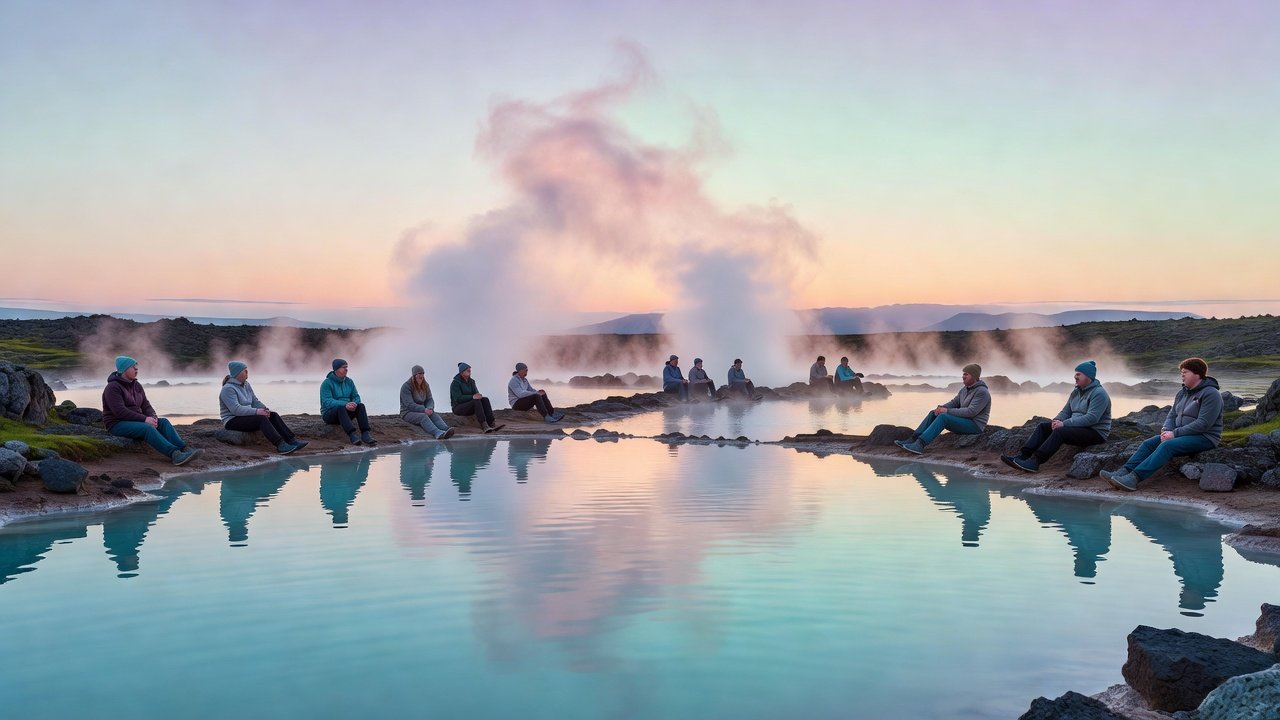
Nature destinations with minimal crowds and predictable settings provide ideal retreats for those seeking respite from daily overstimulation. Iceland's geothermal areas stand out for their vast, open landscapes and controlled visitor experiences. Travelers can enjoy geothermal pools with designated quiet hours and reduced lighting options in some facilities, allowing for peaceful soaking amid natural steam and minimal background noise. Similar escapes include Norway's fjords, where hiking trails offer solitude amid dramatic scenery, and the remote trails of Patagonia in Chile, known for wide-open spaces and limited tourist infrastructure that reduces unexpected encounters. Another strong option is Canada's Banff National Park, featuring early-access permits for quiet trail sections and sensory maps highlighting low-traffic areas. The Scottish Highlands also deliver misty, expansive views with self-guided routes that avoid peak seasons entirely.
Practical steps for accommodations include selecting eco-lodges with soundproofing, blackout curtains, and flexible check-in times to accommodate varying energy levels. For transport, book private transfers or trains during off-peak hours to minimize noise and visual chaos. Many nature reserves now provide sensory guides upon request, detailing trail difficulty, expected sounds, and crowd patterns so visitors can plan around potential triggers.
Autism-Friendly Urban Hubs
Cities like Singapore and Melbourne have implemented sensory maps and quiet zones in public spaces, making them standout choices for 2026 travel. These hubs feature autism-friendly attractions such as timed museum entries, noise-canceling options at airports, and designated low-light areas in shopping districts. Additional examples include Amsterdam's focus on inclusive public transport with visual schedules and Portland's network of sensory-friendly cafes that limit music volume and seating density. Tokyo offers pockets of calm within its structured temple gardens and efficient subway systems that include priority seating for those needing space. Research shows increasing adoption of inclusive practices worldwide, helping neurodiverse visitors navigate urban environments with greater ease and confidence.
Low-Stimulation Cultural Sites
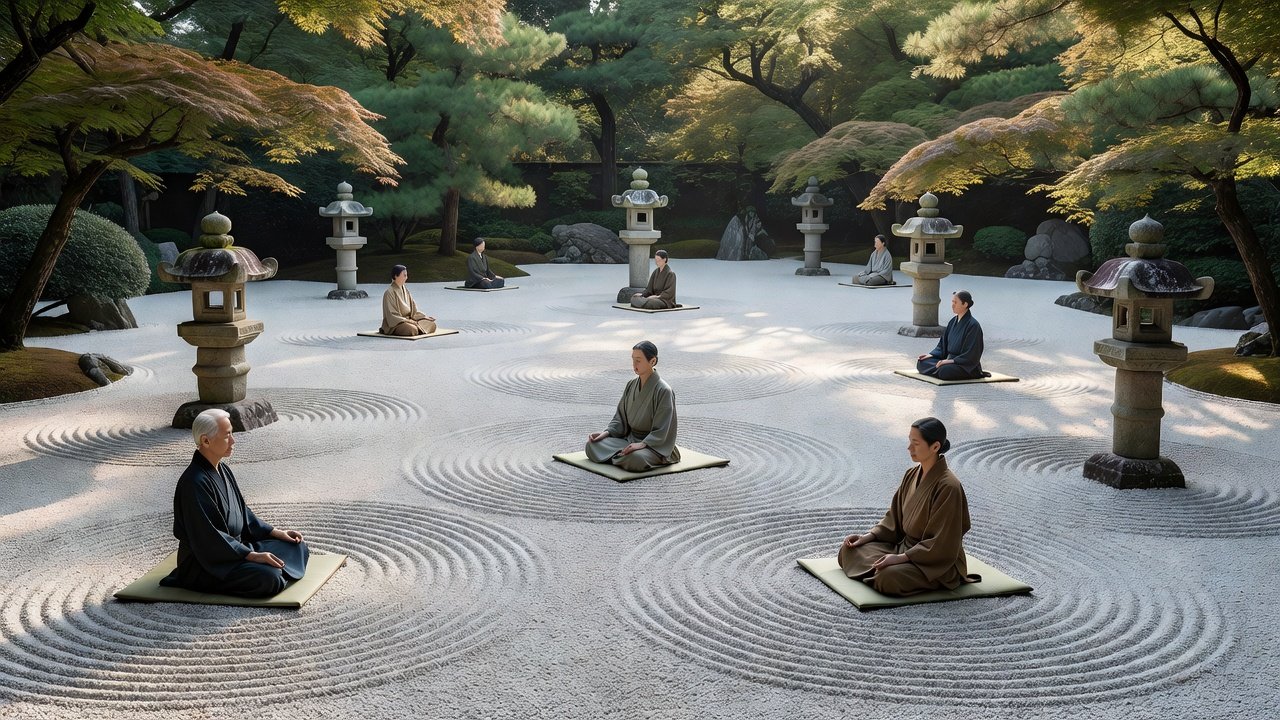
Japan's zen gardens exemplify low-stimulation environments with their minimalist design, soft natural sounds, and spacious layouts. Visitors can wander raked gravel paths without sensory overload, often finding early morning slots that limit group sizes. Comparable sites exist in Kyoto temples offering early morning access for reduced crowds, as well as select European monasteries in Ireland that provide silent reflection spaces and pre-booked private tours. These locations emphasize visual simplicity and controlled auditory environments, making them excellent for cultural immersion without fatigue. In addition, certain desert monasteries in Arizona feature guided silent walks and dimmed indoor spaces designed specifically for contemplative experiences.
Comparing Sensory Features: Iceland vs. Japan
Iceland's geothermal areas deliver expansive, elemental experiences with options for private soaking pools and predictable weather patterns via apps that forecast wind and visibility. In contrast, Japan's zen gardens emphasize controlled indoor-outdoor transitions and visual simplicity through carefully placed rocks and foliage. Iceland suits those seeking natural immersion and elemental sounds, while Japan appeals to travelers preferring structured serenity and predictable pathways. Both locations support neurodiverse visitors through visitor guidelines emphasizing respect for quiet, advance reservations, and staff trained in accessibility needs. Choosing between them depends on personal preferences for open wilderness versus curated garden settings, with many travelers combining elements of both for balanced itineraries.
Practical Planning for Accommodations and Transport
Start by contacting venues directly for sensory accommodations like dimmable lights, scent-free rooms, or white noise machines. Use platforms that list accessibility filters and read recent traveler reviews focused on sensory aspects. For transport, opt for direct flights when possible and reserve seats in quieter cabin sections away from galleys. Always prepare a sensory toolkit with headphones, fidget items, and familiar snacks. Consider travel insurance that covers trip modifications for sensory-related needs, and download offline maps to reduce reliance on unpredictable mobile signals.
Step-by-Step Accommodation Checklist
- Research destination accessibility reports in advance through official tourism boards
- Book sensory-friendly tours with small groups and clear itineraries
- Schedule downtime between activities to recharge
- Confirm quiet hours at hotels and attractions via email confirmation
- Request ground-floor rooms to avoid elevator noise
- Verify availability of scent-free cleaning products and hypoallergenic bedding
FAQ: Managing Overstimulation on the Road
How can I handle airport noise? Request early boarding through airline accessibility services and use noise-canceling headphones. Many airports now offer sensory rooms with dim lighting and soft seating for pre-flight decompression.
What if a destination feels too stimulating? Have backup plans with indoor quiet spaces and flexible itineraries that allow cancellation without penalty. Carry a personal comfort item and know nearby parks or libraries for quick resets.
Are there apps that help with sensory planning? Yes, several navigation apps include crowd level indicators and user-submitted sensory ratings for venues worldwide.
How do I communicate needs to staff? Prepare a short written card or digital note explaining preferences, such as reduced lighting or minimal conversation during check-in.
What about dietary sensory issues? Research restaurants in advance that offer bland or familiar menu options and request seating away from kitchens or loud music areas.
Customizing Your Itinerary for Maximum Enjoyment
Begin with self-assessment of triggers, then layer in buffer time between activities. Incorporate familiar routines like morning meditation or evening journaling. Test small day trips first to build confidence before committing to longer journeys. Pair destinations strategically, such as combining Iceland's nature with a short urban stop in a sensory-friendly city. Track progress with a simple journal to refine future trips. Resources from organizations like CDC Autism Resources and World Health Organization provide additional insights into neurodiversity support. With thoughtful preparation, 2026 dream trips become empowering realities for every traveler seeking both adventure and accessibility.

No comments yet. Be the first!