 PlaceBee
Introduction to Multi-Generational Travel in 2026
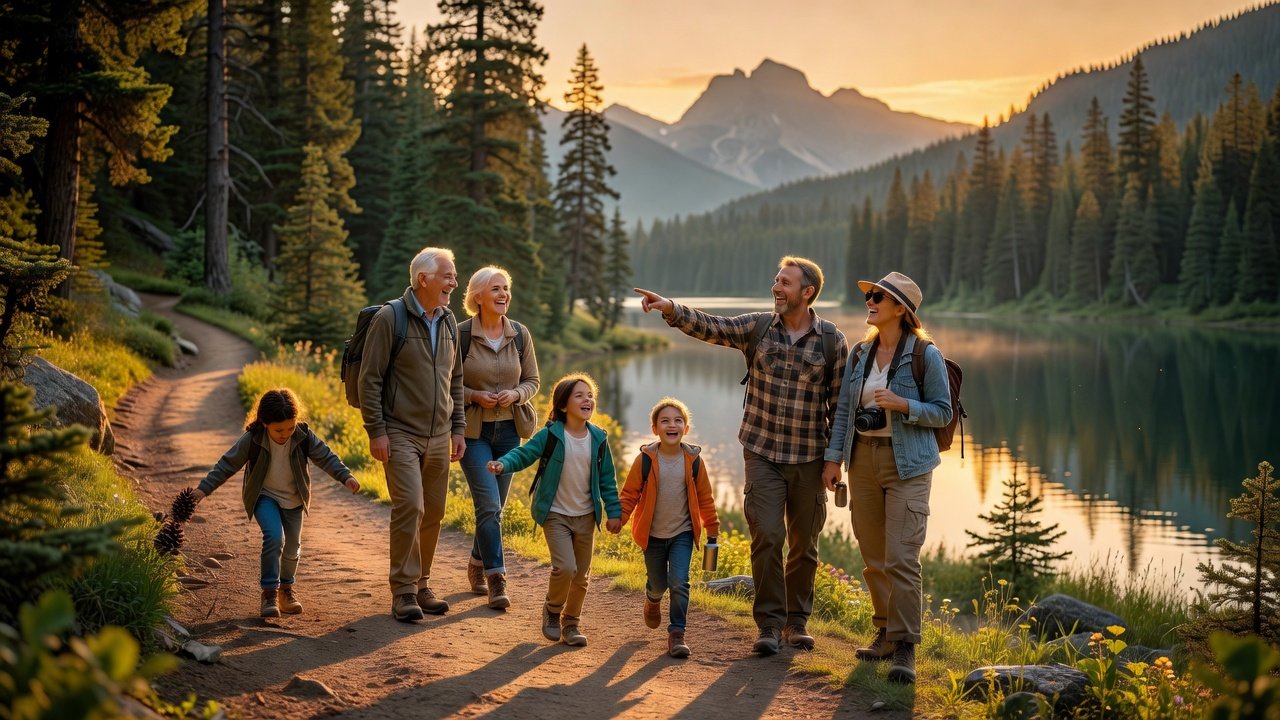
Planning a family trip that appeals to grandparents, parents, and children requires thoughtful selection of destinations offering accessibility, varied activity levels, and memorable shared experiences. In 2026, multi-gen wanderlust focuses on spots where adventure meets comfort, ensuring no age group feels overwhelmed. These journeys build lasting bonds through cultural immersion and gentle exploration that suit every generation from energetic kids to seniors seeking meaningful downtime.
Parents and grandparents often seek inclusive options that balance excitement with downtime. National parks provide natural wonders accessible via easy trails, while cultural cities offer history without intense physical demands. This guide covers top destinations, activity comparisons, itinerary planning, packing essentials, and FAQs to help create fulfilling trips that everyone remembers fondly for years afterward.
Why Multi-Generational Travel Matters in 2026
Extended family vacations have grown in popularity as more households prioritize connection across generations. In today's fast-paced world, these trips offer rare opportunities for grandparents to share stories with grandchildren while parents enjoy support in supervising activities. Choosing destinations with universal appeal helps avoid conflicts over energy levels or interests. Research shows that shared travel experiences strengthen family ties and create intergenerational understanding that lasts long after the journey ends.
Modern infrastructure in many popular spots now includes ramps, shuttle services, and adaptive programs making travel more feasible than ever. Families can focus on enjoyment rather than logistics when they select locations known for inclusivity. This approach also teaches younger members about patience and respect for differing abilities.
Top 2026 Destinations for Extended Families
National parks like Yellowstone stand out for their blend of wildlife viewing and scenic drives suitable for all ages. Families can enjoy boardwalk strolls to geysers and ranger-led talks that educate without requiring strenuous hikes. The park's extensive road network allows exploration from the comfort of a vehicle, with frequent pullouts for photos and short walks. Grandparents often appreciate the predictable pacing while children marvel at bison herds and hot springs.
Another standout is Grand Canyon National Park, where rim trails offer stunning views accessible by shuttle buses that run frequently. Easy paths along the South Rim provide hours of gentle walking interspersed with viewpoints and visitor centers featuring interactive exhibits. Banff National Park in Canada adds turquoise lakes and gondola rides offering panoramic vistas without physical exertion, perfect for mixed-age groups seeking both adventure and serenity.
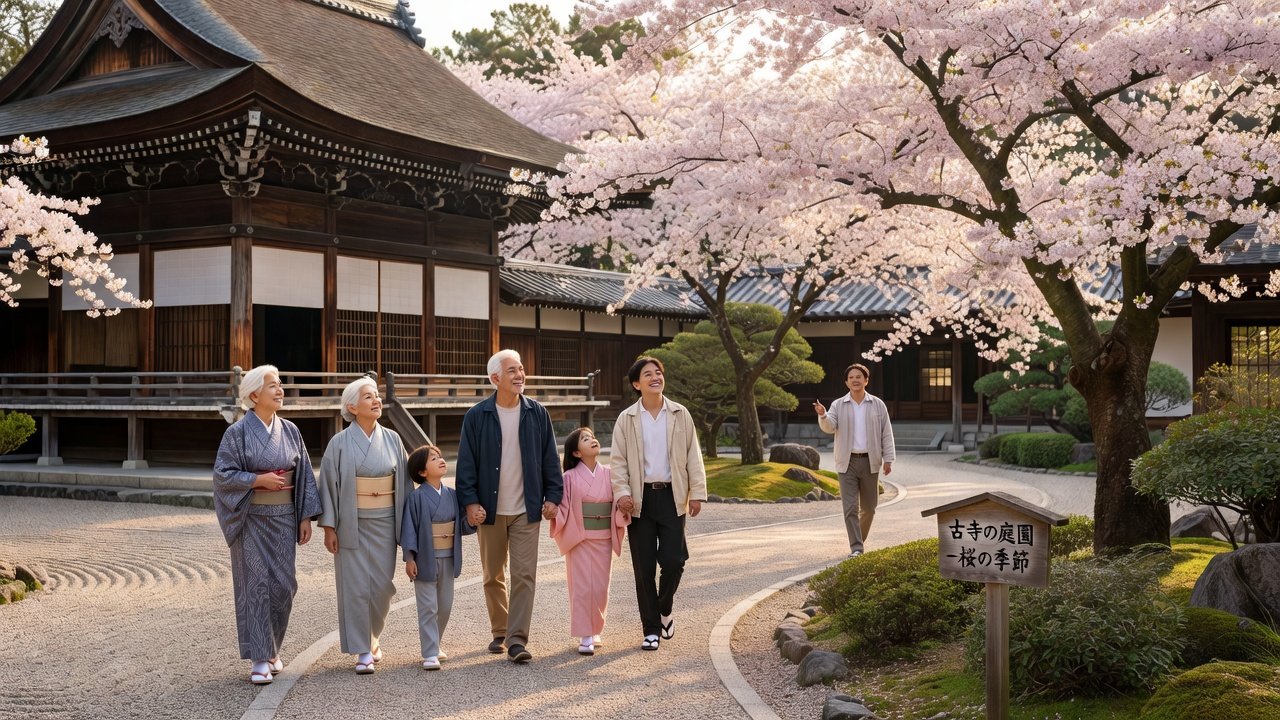
Cultural cities such as Kyoto in Japan feature serene temples and gardens ideal for relaxed wandering. Multi-generational groups appreciate tea ceremonies and seasonal festivals that engage everyone from toddlers to elders. Rome provides ancient ruins with flat pathways and nearby cafes for rest breaks, allowing families to absorb history at their own speed. These locations prioritize inclusivity through well-maintained infrastructure and multilingual resources.
Comparing Activity Levels Across Age Groups
Effective planning involves matching activities to different energy levels. For younger children, short nature walks and interactive exhibits work best, while grandparents may prefer scenic drives or seated cultural performances. Teens might enjoy optional challenges like short climbs, but alternatives must always be available so no one feels left out.
- Low-intensity options: Museum visits, boat tours, and garden strolls allow storytelling and bonding while keeping everyone comfortable.
- Moderate adventures: Easy hikes or bike rentals with e-bike support accommodate mixed abilities and provide light exercise without strain.
- High-energy moments: Optional ziplining or kayaking for teens, with alternatives like picnics or photography sessions for others who prefer to observe.
This tiered approach prevents fatigue and maximizes enjoyment for the entire group. Real examples include families splitting into subgroups for part of the day before reuniting for meals, ensuring both rest and stimulation are balanced.
Step-by-Step Itinerary Tips
Creating a balanced schedule starts with researching accessibility features at each site. Begin by selecting a home base with family-friendly lodging featuring elevators and nearby amenities. Flexible pacing is essential, with built-in buffer time for unexpected rest or weather changes.
- Day 1: Arrival and gentle orientation walk around the accommodation area to adjust to new surroundings and unpack essentials.
- Day 2: Morning cultural activity followed by afternoon relaxation, such as a temple visit then pool time or quiet reading.
- Day 3: Nature excursion with built-in rest stops and flexible pacing, including shuttle rides and short interpretive trails.
- Day 4: Free day for personal interests or optional add-ons like a gentle boat tour or craft workshop suitable for all ages.
- Day 5: Departure with time for souvenirs and a final group photo to capture memories.
Real examples include family rafting trips on calm rivers in national parks or guided history tours in European cities that include mobility aids. These create memories like shared sunsets or learning traditional crafts together, fostering conversations that continue long after returning home.
Packing Checklists for Multi-Gen Trips
Smart packing ensures comfort across generations. Essentials include comfortable walking shoes with good support, layered clothing for variable weather, and medications with copies of prescriptions. Portable chargers keep devices ready for navigation and photos, while lightweight blankets provide warmth during early morning outings.
Additional items worth considering: noise-canceling headphones for sensitive travelers, collapsible walking sticks for stability on uneven paths, and a small first-aid kit with age-appropriate remedies. Snacks that accommodate dietary needs help maintain energy between meals. Families often find that organizing items into separate day bags for each generation simplifies daily outings and reduces stress.
Creating Lasting Memories Without Overwhelm
Focus on flexible pacing and shared meals to foster connection. Activities like group photography sessions or storytelling circles around campfires build emotional ties that transcend daily routines. Real family experiences often highlight how these trips strengthen relationships across ages by encouraging mutual support and discovery.
FAQs on Budgeting and Accessibility
How can families manage costs? Prioritize off-peak travel and group discounts where available while focusing on value through inclusive activities rather than expensive add-ons. Accessibility questions often center on wheelchair-friendly paths—many parks now offer detailed maps via official resources.
Always check current guidelines from trusted sources like National Park Service for up-to-date trail information. For international trips, review U.S. Department of State travel advisories to ensure smooth planning. Additional support comes from sites such as World Health Organization for health considerations during travel.
Mistakes to Avoid When Planning Multi-Gen Trips
Common pitfalls include over-scheduling days without enough downtime, which leads to exhaustion. Another error is assuming all members enjoy the same pace—always poll the group beforehand. Neglecting to confirm accessibility details in advance can cause frustration, so verify shuttle schedules and path conditions directly with venues.
Conclusion
2026 offers exceptional opportunities for multi-generational adventures that blend discovery with relaxation. By choosing accessible destinations and planning thoughtfully, families can create unforgettable experiences that resonate for years to come and strengthen bonds across every generation.

No comments yet. Be the first!