 PlaceBee
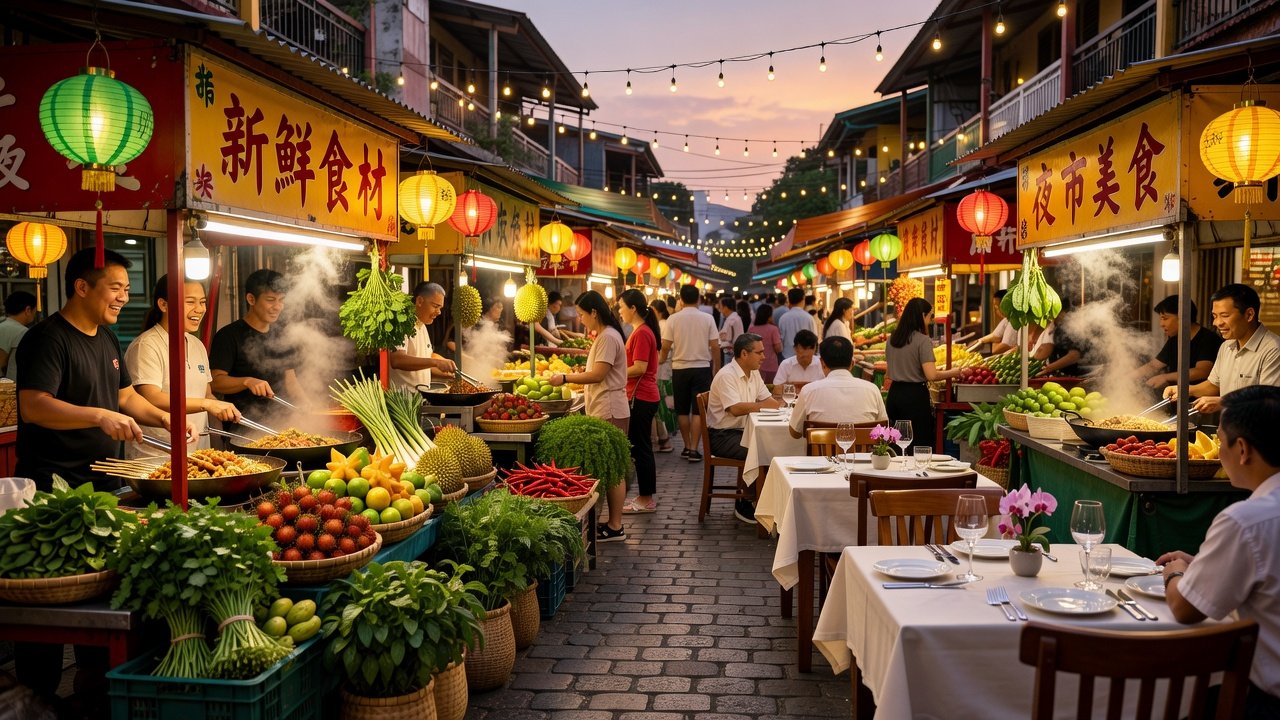
2026 Emerging Culinary Scenes: Foodie Wanderlust Destinations
Travelers seeking fresh flavors in 2026 are turning to emerging culinary hubs that fuse vibrant street food with refined dining and hyper-local seasonal ingredients. These lesser-known spots across Asia, Europe, and Latin America offer authentic experiences that satisfy both casual grazers and fine-dining enthusiasts. Whether you crave bustling markets or intimate tasting menus, these destinations deliver wanderlust through every bite. The year 2026 promises unique opportunities to explore places where tradition meets innovation, with chefs highlighting produce at its peak freshness while street vendors keep centuries-old recipes alive.
Asia's Rising Food Stars
In Asia, cities like Da Lat in Vietnam and Luang Prabang in Laos are gaining attention for their blend of street stalls and upscale farm-to-table restaurants. Da Lat's highland climate supports year-round produce such as strawberries and artichokes, featured in both pho variations sold from carts and elegant tasting menus at hillside bistros. Must-try dishes include banh mi with pickled vegetables and grilled pork, alongside market finds like fresh coffee and avocado smoothies at the central Da Lat Market. Visitors can spend mornings wandering through vendor rows sampling tropical fruits and afternoons enjoying multi-course dinners where the same ingredients are transformed into artistic plates.
Luang Prabang shines with its Mekong River influences, where sticky rice with mango meets contemporary Lao-French fusion plates. Seasonal herbs like lemongrass peak during the cooler months, enhancing everything from grilled fish skewers to multi-course dinners. The night market along the main street offers affordable skewers and noodle soups, while nearby riverside restaurants provide elevated versions using organic vegetables grown in surrounding villages. This duality allows travelers to experience the full spectrum of flavors in one day.
Europe's Hidden Culinary Gems
Europe offers sophisticated yet approachable scenes in places like Tbilisi, Georgia, and Sofia, Bulgaria. Tbilisi combines khachapuri street versions with fine dining that highlights seasonal walnuts and pomegranates. Markets such as the Dezerter Bazaar overflow with fresh cheeses and spices, providing ingredients that bridge traditional and international palates. Food enthusiasts often start with quick bites of hot bread stuffed with cheese from sidewalk stands before progressing to elegant supras featuring slow-cooked meats and herb-infused wines.
Sofia's scene emphasizes Bulgarian yogurt-based dishes and grilled meats, now elevated in modern restaurants using local tomatoes and peppers in peak summer. The contrast between quick street burek and plated modern interpretations creates a dynamic food landscape. Markets here serve as daily hubs where locals and visitors alike discover seasonal offerings that change with the harvest calendar, ensuring every visit feels fresh and new.
Latin America's Emerging Hubs
Latin America brings bold flavors to the table in Arequipa, Peru, and Sucre, Bolivia. Arequipa's high-altitude ingredients like quinoa and alpaca feature in street anticuchos and refined ceviches at riverside spots. The San Camilo Market offers endless samples of rocoto peppers and fresh cheeses that inspire both casual and gourmet meals. Travelers can join early morning tours to see how vendors select produce, then transition to evening reservations at restaurants that reinterpret these elements with contemporary techniques.
Sucre stands out for its chocolate and salteña pastries, with seasonal corn varieties driving innovative street snacks and tasting experiences. These destinations highlight how local traditions evolve alongside global techniques, creating memorable meals that celebrate both heritage and creativity. The high desert climate influences every dish, making ingredients more intense and flavorful during specific months.
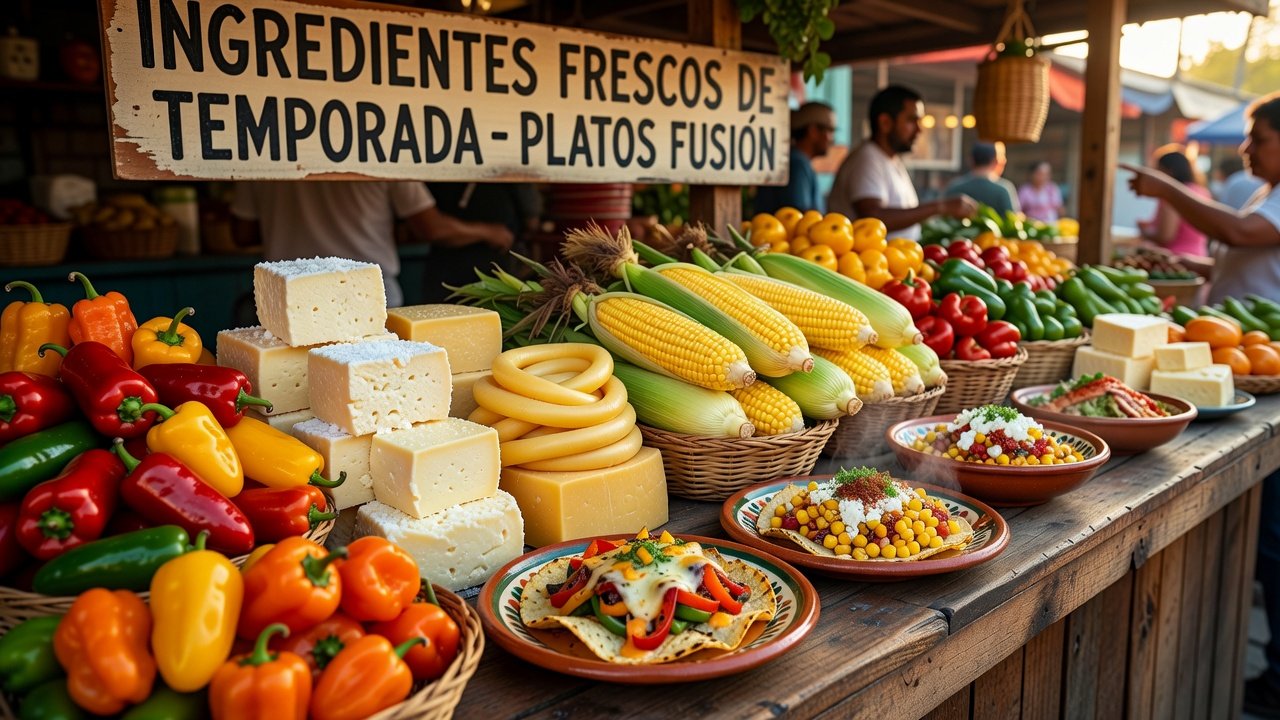
Local vs International Influences
Many of these scenes balance deep-rooted local traditions with international techniques. In Asia and Latin America, indigenous ingredients meet European plating styles, creating hybrid menus. Markets serve as the heart of authenticity, while international chefs introduce fermentation or sous-vide methods that enhance seasonal produce without overshadowing heritage flavors. This interplay results in dishes that feel both familiar and exciting, appealing to a wide range of palates while preserving cultural identity.
Practical Planning Tips
Successful trips to these emerging culinary destinations require thoughtful timing and preparation. Visit Asia destinations like Da Lat during the dry season from November to April for optimal produce and comfortable exploration of outdoor markets and terraces. Europe’s Tbilisi shines in spring and fall, avoiding summer heat while aligning with harvest peaks for walnuts and fresh herbs. Latin American spots like Arequipa are best in the shoulder months of April-May or September-October to enjoy markets and outdoor dining without peak tourist crowds.
- Research local harvest calendars in advance to align visits with peak ingredient seasons.
- Stay in neighborhoods near central markets for morning walks and easy evening transitions to fine dining.
- Learn basic phrases in the local language to connect with vendors and chefs.
- Pack comfortable shoes for extensive market strolling and light layers for varying temperatures.
- Consider combining self-guided street food exploration with one or two structured dining experiences.
Mistakes to Avoid When Exploring Emerging Food Scenes
Common pitfalls include overlooking smaller markets in favor of tourist-oriented ones or failing to ask about daily specials tied to seasonal availability. Another mistake is underestimating travel times between street stalls and upscale venues, which can disrupt meal pacing. Always verify restaurant reservations during peak harvest periods, as popular spots fill quickly with both locals and visitors.
Short FAQ
How do these destinations accommodate dietary restrictions?
Most offer strong vegetarian and gluten-free options through vegetable-forward street foods and adaptable fine-dining menus. Always confirm with vendors or restaurants in advance, especially for nut allergies common in local dishes.
Is it worth booking food tours in advance?
Yes for structured experiences that include market visits and tastings. Independent exploration works well too, but guided tours provide context on seasonal ingredients and cultural stories behind the flavors.
What should first-time visitors know about street food safety?
Choose busy stalls with high turnover, opt for freshly cooked items, and carry hand sanitizer. Many markets now follow improved hygiene standards that make street eating both safe and rewarding.
For broader travel insights, check resources from the UNWTO and the FAO. These emerging scenes promise memorable 2026 journeys centered on flavor and discovery, inviting you to savor every moment from market stall to tasting table.

No comments yet. Be the first!