 PlaceBee

Introduction: Traveling with Pets in 2026
Planning a trip with your furry, feathered or scaled companion opens up a world of shared adventures. In 2026, more destinations than ever welcome pets with open arms, blending outdoor thrills, urban exploration and relaxing beaches into unforgettable experiences. Pet owners increasingly seek inclusive travel that accommodates both human wanderlust and animal comfort. This comprehensive guide covers everything from visa requirements and airline policies to accommodations, seasonal timing, and safety protocols, ensuring smooth journeys for both you and your pet. Whether you are a first-time pet traveler or a seasoned explorer, understanding the nuances of international and domestic regulations can transform potential stress into seamless enjoyment.
Top 8 Global Pet-Friendly Destinations for 2026
These carefully selected spots stand out for their progressive pet policies, natural attractions and supportive infrastructure. Each offers unique opportunities for outdoor adventures, parks and waterfront fun while maintaining high standards of animal welfare.
- Banff National Park, Canada: Vast trails and dog-friendly lakes make this ideal for active pups. Cats can enjoy cabin stays with scenic views. Advance park permits are often required for pets.
- Paris, France: Numerous parks like Bois de Boulogne allow leashed dogs, while many cafes welcome well-behaved pets. Urban exploration pairs perfectly with pet-friendly terraces.
- Costa Rica Beaches: Pacific coast spots permit dogs on certain shores; check local rules for cats in eco-lodges. The tropical climate suits adventurous pets during dry months.
- Sydney, Australia: Bondi Beach has designated dog areas, plus extensive urban parks for both dogs and cats. Coastal walks provide excellent exercise opportunities.
- Queenstown, New Zealand: Adventure hubs offer pet-friendly hikes and lake activities year-round. The scenic backdrop enhances every outing.
- Barcelona, Spain: Beach promenades and parks support pet travel with easy access to accommodations. Many hotels now provide pet amenities like beds and bowls.
- Cape Town, South Africa: Table Mountain trails and beaches welcome dogs; many guesthouses cater to cats with indoor lounging spaces.
- Reykjavik, Iceland: Geothermal areas and trails provide unique settings, with growing pet-friendly options in hotels and restaurants.
Seasonal windows vary—visit Banff in summer for milder weather or Costa Rica during dry season from December to April to avoid heavy rains that could complicate outdoor activities.
Dog vs Cat Travel: Which Is Easier?
Dogs generally adapt well to travel due to their sociable nature and exercise needs, but require more space and activity planning. They often enjoy car rides and hikes yet may need frequent stops for bathroom breaks. Cats, on the other hand, frequently prefer familiar carriers and shorter trips, thriving in calm hotel environments with minimal disruption to routines. Consider your pet's temperament when choosing destinations like urban Paris for cats or rugged Banff for dogs. Mixed-breed examples show that early socialization dramatically improves outcomes for both species during long-haul flights or multi-day road trips.
Essential Packing Checklist
- Health certificates and vaccination records updated within 30 days of travel
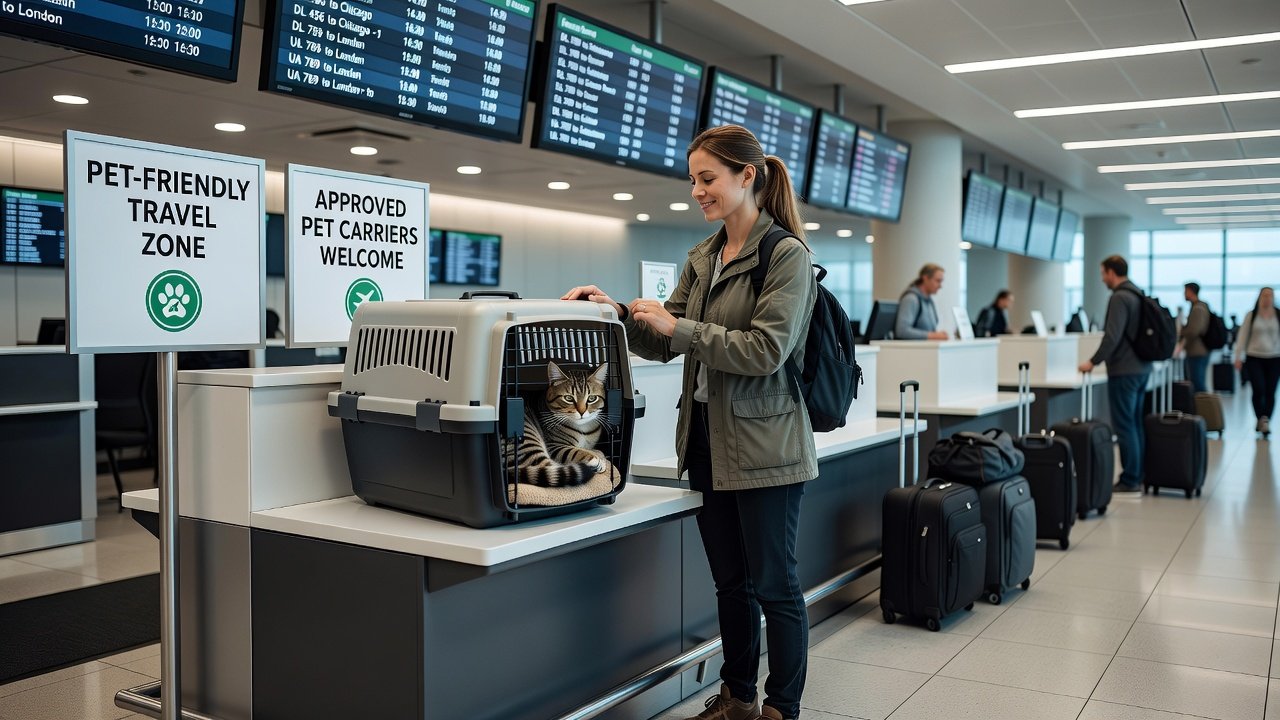
- Carrier or crate approved by airlines with ventilation and secure latches
- Food, treats and portable water bowl to maintain dietary consistency
- Medications and first-aid kit including any prescribed anxiety relief
- Leash, harness and waste bags for daily outings
- Comfort items like favorite toys or blankets to reduce stress
- Photo of your pet for identification if separated
- Collapsible bowls and waste disposal bags for extended excursions
Each item serves a practical purpose: health documents prevent entry denials, while familiar scents in carriers ease anxiety during transit.
Real Traveler Case Studies
Recent explorers share valuable insights from 2025-2026 journeys. A family took their Labrador to Banff in early 2026, navigating Canadian entry rules smoothly with advance permits and enjoying daily trail walks. Another couple traveled with their Persian cat to Barcelona, praising cat-friendly apartments and local vet access that allowed stress-free city exploration. A solo traveler documented a successful trip with a rescue dog to Sydney, highlighting beach access and the importance of pre-booked pet-friendly lodging. These stories underscore the value of detailed planning and flexibility when itineraries shift due to weather or local regulations.
Step-by-Step Booking Tips
Start by verifying airline pet policies via official sites at least 60 days in advance. Secure pet-friendly lodging early, especially for peak seasons, and confirm amenities such as nearby parks. Apply for visas or entry permits at least 30 days ahead through government channels. Book transport with direct flights to minimize stress and layovers. Finally, schedule a pre-travel veterinary check-up to obtain all necessary certificates and discuss any destination-specific health requirements.
Visa and Airline Pet Policies
International travel demands thorough research into entry requirements. Many countries mandate microchipping, rabies titers, and import permits. Airlines vary widely: some charge additional fees for in-cabin pets while others restrict breeds. Always cross-reference multiple carriers and review updated 2026 guidelines from authorities like CDC to ensure compliance and avoid last-minute complications.
Safety Considerations
Always prioritize hydration and temperature control, especially during summer travel. Research local regulations on breed restrictions and leashing laws. Carry microchip details and emergency contacts in multiple languages. Avoid extreme weather and monitor for signs of anxiety such as excessive panting or hiding. Consult official travel resources for real-time advisories and consider travel insurance that covers pets. Additional steps include identifying 24-hour veterinary clinics at your destination and packing a basic first-aid manual tailored to common travel ailments.
Seasonal Travel Windows and Accommodations
Choosing the right season maximizes comfort. Shoulder periods often provide milder temperatures and fewer crowds. Look for accommodations that explicitly advertise pet packages, including extra cleaning services or outdoor enclosures. Many properties in top destinations now offer dedicated pet menus and exercise areas to enhance the stay.
FAQ: Common Concerns Addressed
What health certificates are needed?
Most countries require a recent veterinary exam and rabies vaccination proof. Check destination-specific rules via government portals at least one month prior.
How do local regulations affect travel?
Some areas restrict certain breeds or require quarantine periods. Always confirm with embassies or WHO health guidelines before finalizing bookings.
Can I fly with my pet in cabin?
Many airlines allow small pets in carriers under the seat, but confirm size limits, crate standards, and any seasonal restrictions in advance.
Are there seasonal restrictions?
Yes, hot summers may limit beach access while winter destinations require cold-weather gear for pets; aim for shoulder seasons for optimal comfort.
What if my pet has special needs?
Discuss with your vet and select destinations with accessible veterinary care. Some hotels provide assistance for senior pets or those with mobility issues.
Conclusion
With thoughtful preparation, 2026 promises exceptional pet-inclusive adventures across the globe. These destinations and detailed tips empower you to create lasting memories while staying compliant, safe, and comfortable throughout every stage of your journey.

No comments yet. Be the first!