 PlaceBee
Introduction: Igniting Your 2026 Street Food Adventures
Street food culture continues to captivate travelers seeking authentic flavors and immersive experiences around the globe. In 2026, destinations worldwide are elevating their street eats with seasonal ingredients, creative upscale twists, and rich cultural narratives that connect visitors to local communities. This comprehensive guide explores nine standout spots that fuel wanderlust while offering practical advice on timing, safety, budgeting, and planning your perfect trip. From bustling night markets to hidden alley gems, these locations promise unforgettable bites that go far beyond typical tourist fare. Whether you are a budget traveler hunting for the best value or a dedicated foodie chasing innovation and heritage, these hubs deliver depth and satisfaction in every bite.
Travelers today crave more than just meals; they want stories, sustainability, and sensory adventures. Street food scenes in emerging and established hubs alike emphasize fresh, locally sourced produce that changes with the seasons, creating dishes that truly reflect climate, harvest cycles, and regional identity. This approach not only supports small vendors but also provides a genuine taste of place that fine dining often cannot replicate.
Why Street Food Defines 2026 Travel Trends
Emerging culinary hubs are placing greater focus on sustainability and hyper-local sourcing than ever before. Seasonal produce drives evolving menus, ensuring that dishes capture the essence of each time of year. Street vendors frequently blend traditional family recipes with modern techniques, resulting in creative fusions such as inventive tacos or elevated versions of classic steamed buns. These innovations honor heritage while appealing to contemporary palates seeking novelty.
Cultural stories behind popular bites add meaningful layers to every journey. Many signature street foods trace their origins to migration patterns, ancient festivals, or family traditions passed down through generations. By engaging with these narratives, travelers gain deeper insights into the communities they visit and leave with memories that extend well beyond the plate. This blend of flavor, history, and seasonality makes 2026 an exceptional year for street food exploration.
Top 9 Street Food Destinations for 2026
1. Bangkok, Thailand
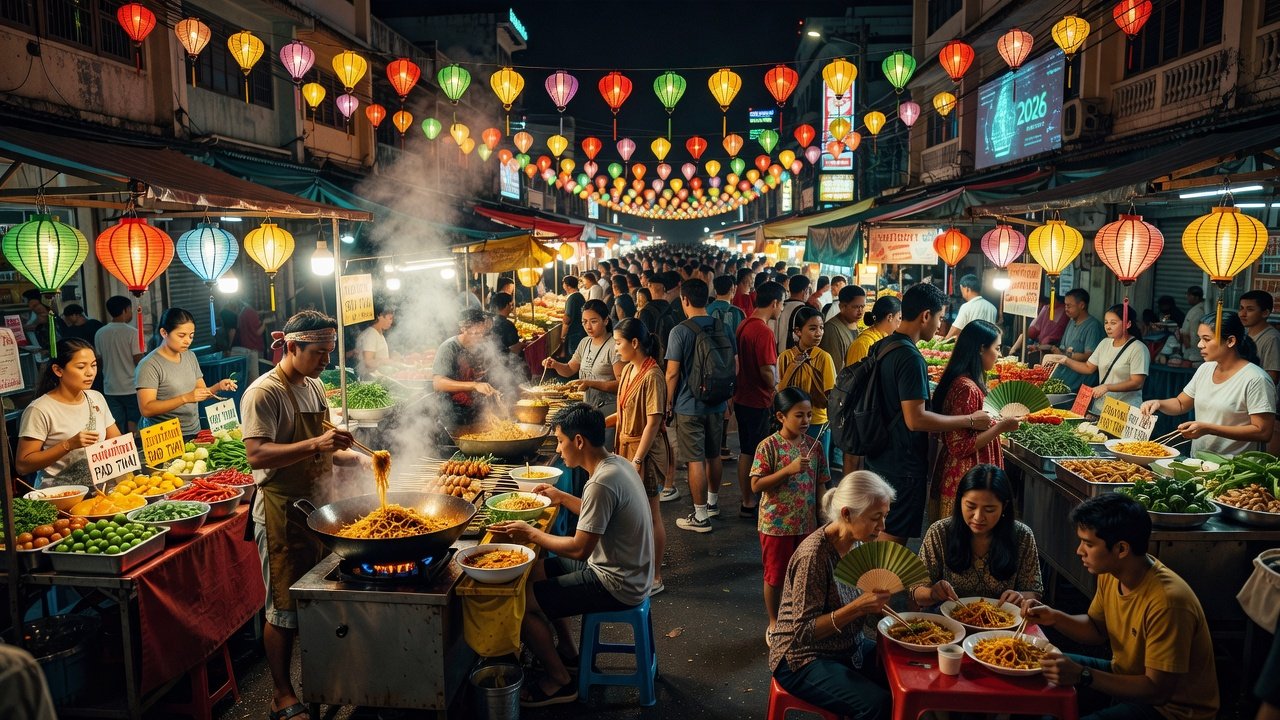
Thailand's vibrant capital continues to shine with iconic offerings like pad thai and mango sticky rice prepared fresh at bustling carts. Seasonal mangoes reach peak sweetness in spring, adding natural brightness to desserts. Upscale twists now appear in refined rooftop settings that reinterpret classics with premium garnishes. The best window for comfortable exploration falls between November and February when temperatures remain pleasant.
2. Mexico City, Mexico
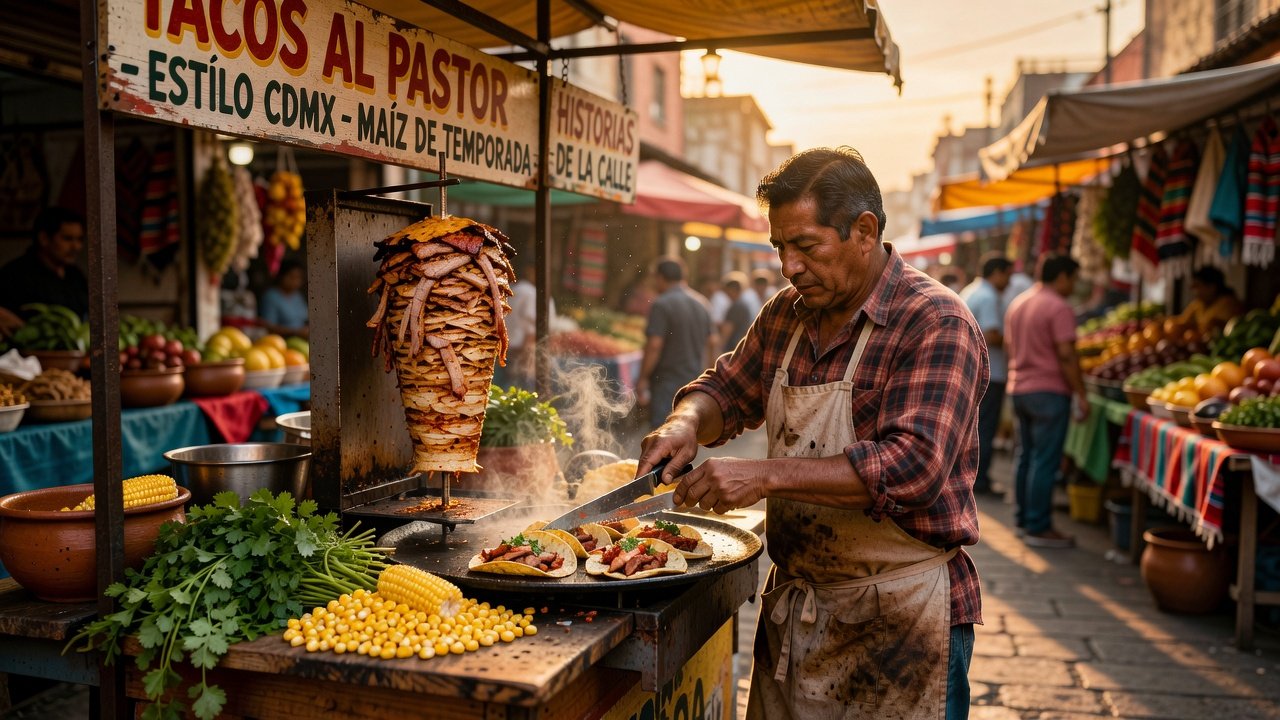
Tacos al pastor and tamales anchor the scene, with fresh corn from nearby farms taking center stage during summer months. Deep cultural roots connect these bites directly to historic Aztec marketplaces. October through April provides the most agreeable climate for extended street wandering and market hopping.
3. Hanoi, Vietnam
Phở and banh mi highlight the city’s mastery of fresh herbs and broths that shift with the seasons. Winter months bring heartier, warming versions while French colonial influences blend seamlessly with local traditions. September to November offers ideal conditions for exploring without extreme heat or rain.
4. Istanbul, Turkey
Simit and grilled kebabs carry echoes of Ottoman history through every vendor interaction. Seasonal figs and spices arrive in abundance during autumn. Modern stands offer upscale reinterpretations alongside traditional carts. Spring and fall deliver the most comfortable weather for all-day tasting.
5. Marrakech, Morocco
Tagines and harira served in lively souks share Berber stories with every spoonful. Dates and citrus fruits reach their sweetest during peak seasons. March to May and September to November provide mild temperatures perfect for navigating the maze-like markets.
6. Seoul, South Korea
Tteokbokki and hotteok demonstrate how street classics evolve with trendy spins while kimchi production relies on winter cabbage harvests. October through March offers cooler weather that enhances enjoyment of spicy and warming dishes.
7. Lima, Peru
Ceviche and anticuchos showcase Andean ingredients at their freshest, with summer seafood harvests creating standout plates. Strong ties to Inca culinary roots enrich every experience. December to April marks the prime season for both flavor and weather.
8. Singapore
Hainanese chicken rice and satay skillfully merge Malay, Chinese, and Indian influences in hawker centers. Tropical fruits remain available year-round. January and February bring milder conditions ideal for extended outdoor dining.
9. Cape Town, South Africa
Bobotie and boerewors braai capture the region’s diverse cultural heritages. Autumn grape harvests add seasonal depth to pairings. September through November delivers spring blooms alongside comfortable temperatures for market visits.
Practical Tips for Your 2026 Trip
Best Times to Visit and Seasonal Planning
Aligning your journey with local harvest seasons ensures access to the freshest ingredients and most authentic flavors. Shoulder periods between peak tourist seasons help reduce crowds while still delivering pleasant weather across these destinations. Checking regional agricultural calendars before booking flights allows you to target specific produce highlights such as spring mangoes or autumn figs.
Safety, Health, and Booking Advice
Choosing busy stalls with rapid turnover remains the most reliable indicator of freshness and quality. Always consult current health guidelines through authoritative resources like the World Health Organization before departure. Booking guided food tours in advance through established operators adds both safety and rich storytelling. Carry small bills, verify visible hygiene practices, and consider travel insurance that covers minor food-related issues. Additional reputable sources such as Centers for Disease Control and Prevention provide destination-specific vaccination and water safety updates.
Street Eats Versus Upscale Twists
Traditional carts deliver unbeatable affordability and direct cultural immersion. Upscale venues reinterpret the same classics in refined environments, often incorporating premium local ingredients and artistic presentation. Sampling both styles during a single trip creates a balanced perspective on how heritage evolves into contemporary cuisine.
Navigating Street Food Scenes Like a Local
Start each day at morning markets to observe ingredient deliveries and early preparations. Learn basic local phrases for ordering and dietary requests to build rapport with vendors. Carry reusable utensils and napkins to reduce waste while supporting sustainability efforts promoted by many 2026 destinations. Observe queues as a sign of popularity and quality rather than relying solely on online reviews.
Common Mistakes to Avoid
- Skipping busy stalls in favor of quiet ones, which may indicate lower freshness.
- Ignoring seasonal availability and ordering out-of-season items that lack peak flavor.
- Overlooking basic hygiene cues such as clean hands and covered food displays.
- Failing to research dietary accommodations ahead of time, leading to limited options.
- Underestimating walking distances between markets and not planning rest breaks.
FAQ: Budgeting, Dietary Needs, and More
How do I budget effectively for street food trips?
Prioritize daily visits to local markets and vendor clusters where sampling remains accessible without high costs. Many destinations allow flavorful, satisfying meals at modest daily expenditures when focusing on carts rather than restaurants. Track spending by setting aside separate daily allowances for snacks versus full meals.
What options exist for dietary restrictions?
Communicate needs directly and clearly; numerous vendors happily accommodate vegetarian, gluten-free, or allergy requests using fresh alternatives. Research translation apps or consult local guides in advance for tailored recommendations at each destination.
Are guided tours worth the investment?
Guided experiences often provide deeper cultural context, safer navigation, and access to hidden gems that independent travelers might miss, making them valuable for first-time visitors or those with limited time.
Conclusion: Fuel Your Wanderlust Responsibly
These 2026 destinations transform street food into profound journeys of discovery, flavor, and connection. Pack curiosity, respect local customs, and savor every bite to create lasting memories. Begin planning now to chase these unforgettable tastes in a sustainable and enriching manner.

No comments yet. Be the first!