 PlaceBee
Why 2026 Is the Year for Pet-Friendly Lakeside Adventures
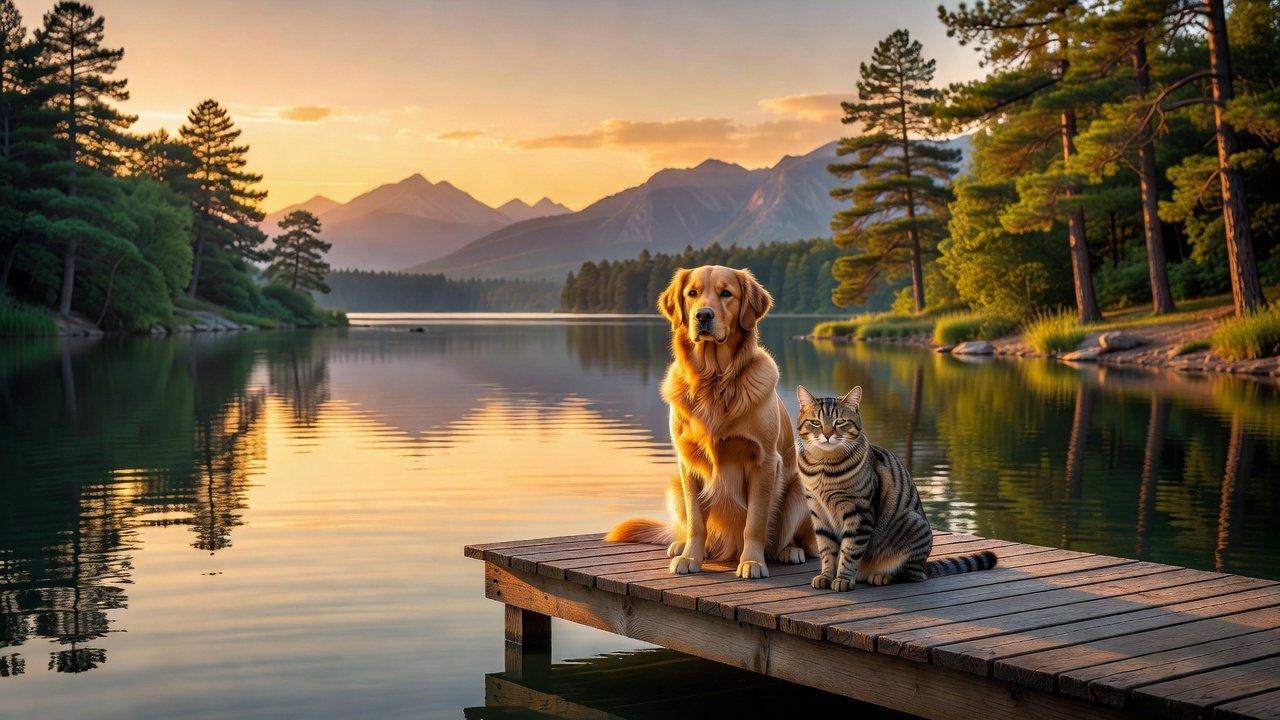
Travelers seeking inclusive escapes that combine urban convenience with pristine nature are turning to lesser-known lakeside destinations. These spots offer scenic beauty without the crowds, making them ideal for bringing along furry companions. In 2026, emerging locations across Europe and North America stand out for their pet-welcoming policies and blend of accessibility. The growing emphasis on pet-inclusive travel reflects broader societal shifts toward treating animals as family members, leading more destinations to update infrastructure and regulations accordingly. Whether you prefer quiet alpine shores or expansive North American reservoirs, these areas provide opportunities for both relaxation and adventure.
Planning involves more than booking a room. It requires understanding airline rules, seasonal needs, and local laws to ensure smooth journeys. This guide delivers actionable steps to minimize stress while maximizing opportunities for memorable photos. Concrete preparation reduces common pitfalls like pet anxiety or denied boarding, allowing focus on creating lasting memories with your companions.
Emerging Lakeside Destinations in North America
Skip the over-visited spots like Lake Tahoe. Instead, consider Lake Chelan in Washington state. Its remote shores provide hiking trails and waterfront parks open to leashed pets. Nearby small towns offer quick urban access for supplies and veterinary services. The area features numerous pet-friendly wineries and cafes with outdoor seating where dogs and cats can accompany owners during tastings or meals.
Another rising choice is Lake of the Ozarks in Missouri, with its winding coves perfect for quiet paddling adventures alongside your pet. Both locations feature growing pet-friendly infrastructure that continues expanding into 2026. Additional options include Lake Champlain in Vermont, known for its historic villages and accessible shoreline paths, and Lake Pend Oreille in Idaho, offering secluded beaches and forested trails suitable for extended walks with energetic dogs.
Hidden European Lakeside Gems
In Europe, look beyond Lake Como to Lac d'Annecy in France. The crystal-clear waters and surrounding mountains create stunning backdrops. Pet-friendly ferries and lakeside paths make exploration easy with companions. Local regulations often permit well-behaved pets in many outdoor dining areas, enhancing the overall experience.
Slovenia's Lake Bohinj offers a peaceful alpine setting with fewer visitors. Its national park surroundings welcome well-behaved pets on designated trails, providing a serene European alternative. Further options include Austria's Lake Millstatt, which boasts thermal spas and extensive walking routes, and Sweden's Lake Vättern, featuring island-hopping excursions that accommodate pets under controlled conditions.
Pet-Friendly Lodging Strategies
Search for properties that explicitly allow both dogs and cats with no size restrictions. Many boutique lakeside inns now provide amenities like pet beds, designated relief areas, and nearby walking paths. Always confirm policies directly and request ground-floor rooms for easy outdoor access. Review cancellation terms in case a pet-related issue arises during the stay.
Consider vacation rentals through established platforms that filter for pet accommodations. Read recent guest reviews mentioning pet experiences to gauge true friendliness. Look for listings that mention proximity to veterinary clinics or emergency animal hospitals for added peace of mind during longer trips.
Airline Policies and Booking Tips
Major carriers have updated pet travel guidelines. Review official resources such as CDC travel pages for health documentation requirements before flights. In-cabin carriers must meet specific size limits, and advance reservations are essential. Prepare all paperwork including microchip details and recent health certificates to avoid delays at check-in.
For international trips, verify airline-specific rules at least 30 days ahead. Some European routes allow pets in the cabin for a fee, while others require cargo travel. Prepare copies of vaccination records. Additional guidance is available from USDA animal health resources regarding import requirements for returning travelers. Always carry extra water and familiar toys to comfort pets during flights.
Seasonal Packing Lists for Pets
Spring and fall require lightweight rain jackets, paw wipes for muddy trails, and extra towels. Summer demands cooling mats, ample water bottles, and portable shade structures for lakeside downtime. Winter calls for insulated coats, protective booties against ice, and compact heating solutions for accommodations.
Pack familiar food portions, any prescribed medications, a comprehensive first-aid kit, waste bags, and a collapsible water bowl. Include a favorite blanket or toy to provide comfort in new environments. Double-check quantities for multi-day trips and store items in an easily accessible travel bag.
Dog Versus Cat Travel Needs Comparison
Dogs generally thrive on outdoor activities but need frequent exercise breaks during road segments or airport layovers. Cats require secure, ventilated carriers and quiet resting zones to manage stress levels effectively. Both species benefit from gradual exposure to travel equipment weeks before departure. Dogs may need fenced outdoor spaces at lodging, whereas cats often prefer elevated perches with lake views for observation and calm.
Consider individual temperaments when selecting activities. Energetic breeds enjoy swimming or hiking, while more reserved cats may prefer short supervised explorations. Always monitor for signs of overheating or fatigue, especially near water bodies where temperatures fluctuate quickly.
Minimizing Travel Stress for Pets
Start with short practice car rides and carrier sessions at home. Maintain consistent feeding and walking schedules throughout the journey. Use calming pheromone sprays or vet-approved treats when appropriate. Choose direct flights when possible to reduce total transit time.
Upon arrival, allow pets time to acclimate before major outings. Identify quiet corners in lodging for decompression. Carry printed copies of local emergency contacts including nearby animal clinics.
Sample 5-Day Itinerary: Lake Chelan, Washington
Day 1 focuses on arrival, check-in, and a relaxed shoreline stroll to let pets adjust. Day 2 includes moderate hiking on marked pet trails followed by a lakeside picnic. Day 3 features a short boat excursion with leashed pets permitted, plus time exploring local shops. Day 4 centers on sunrise photography sessions and an afternoon of rest with scenic views. Day 5 wraps up with final walks and departure preparations.
A similar five-day plan for Lake Bohinj in Slovenia incorporates ferry rides across the lake, gentle mountain path walks, and village exploration with frequent rest stops. Adjust pacing based on your pet's energy levels and weather conditions.
Real Traveler Case Studies
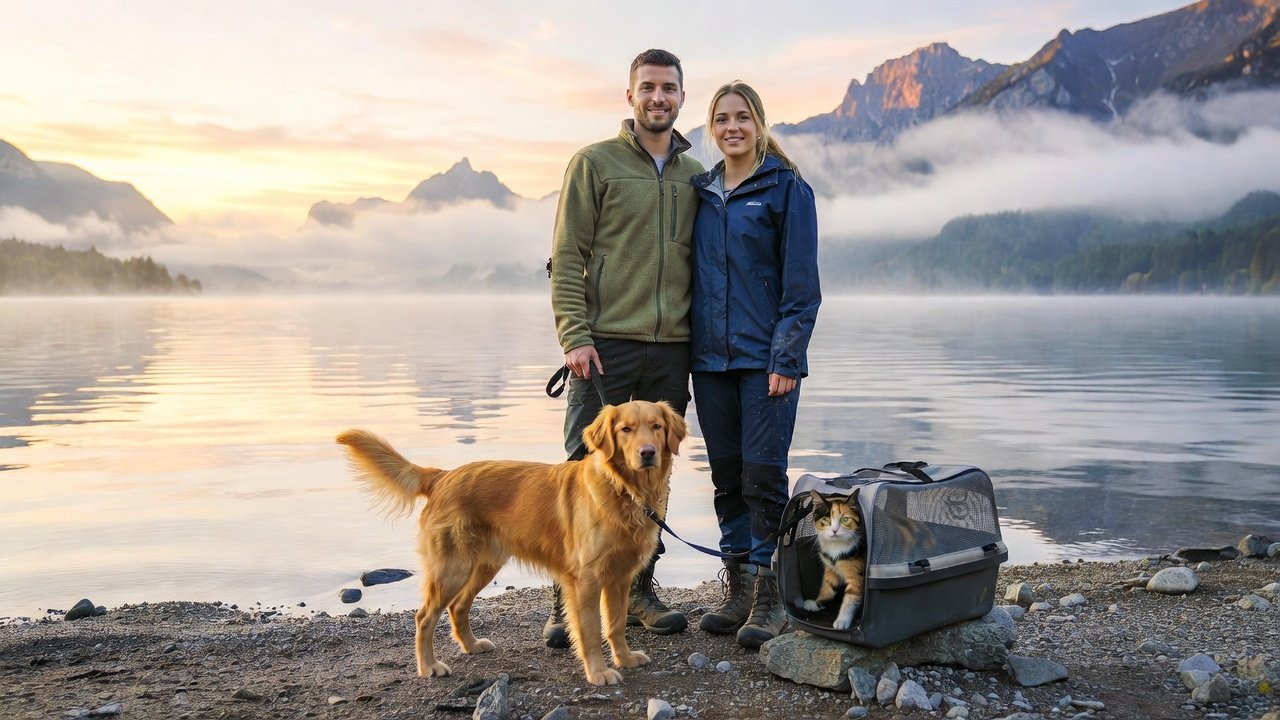
A couple from Chicago traveled to Lake Bohinj with their golden retriever. They noted reduced stress after selecting a direct flight and securing a cabin with a private patio. Daily routines included early morning walks along the lake and afternoon rest periods, resulting in high-quality photos of the dog exploring meadows.
Another family journeyed with their cat to Lac d'Annecy. Pre-trip carrier acclimation and selection of quiet waterfront lodging helped the cat settle rapidly. They captured several scenic portraits during calm morning hours near the water's edge without any behavioral issues.
A solo traveler with two small dogs visited Lake Champlain and emphasized the value of pre-booked pet-friendly dining reservations, which allowed seamless integration of meals into daily adventures while maintaining the dogs' comfort.
FAQs on Local Regulations
Do pets need leashes everywhere? Most public lakeside areas and trails mandate leashes; always verify current park or municipal rules online before visiting.
Are there breed restrictions? Some European countries maintain lists of restricted breeds—confirm requirements with destination authorities well in advance of travel.
What health certificates are required? Consult WHO international travel guidelines alongside local veterinary offices for the latest vaccination and documentation standards.
Can pets swim in the lakes? Regulations vary by location; many allow supervised swimming but prohibit it near drinking water intakes or protected zones.
Are there limits on the number of pets per traveler? Airlines and lodging often cap numbers at two or three—check individual policies to avoid complications.
Conclusion
These 2026 lakeside escapes deliver dream trips that welcome pets as part of the family. With thorough preparation on lodging, transport, packing, and local regulations, travelers can enjoy inclusive adventures filled with natural beauty, practical ease, and lasting memories across both continents.

No comments yet. Be the first!