 PlaceBee
Introduction to Volcanic Wanderlust in 2026
Volcanic landscapes offer some of the most dramatic and inspiring backdrops for travel, blending raw natural power with serene beauty. For 2026, lesser-known volcanic regions in Iceland, Costa Rica, and Indonesia stand out as top choices for dream escapes that ignite wanderlust. These destinations provide opportunities for hiking, scenic viewpoints, and cultural immersion while emphasizing responsible tourism. Travelers seeking unique experiences beyond standard beach vacations will find these areas particularly rewarding, as they combine geological wonders with opportunities for personal growth through adventure.
Whether you're drawn to active lava flows or dormant craters, planning a volcano trip requires attention to safety, timing, and logistics. This guide explores three standout areas, compares active and dormant sites, and provides practical steps for unforgettable journeys. From understanding seismic monitoring systems to selecting the right guided tours, every detail matters for a successful trip that balances excitement with preparedness.
Iceland's Hidden Volcanic Gems
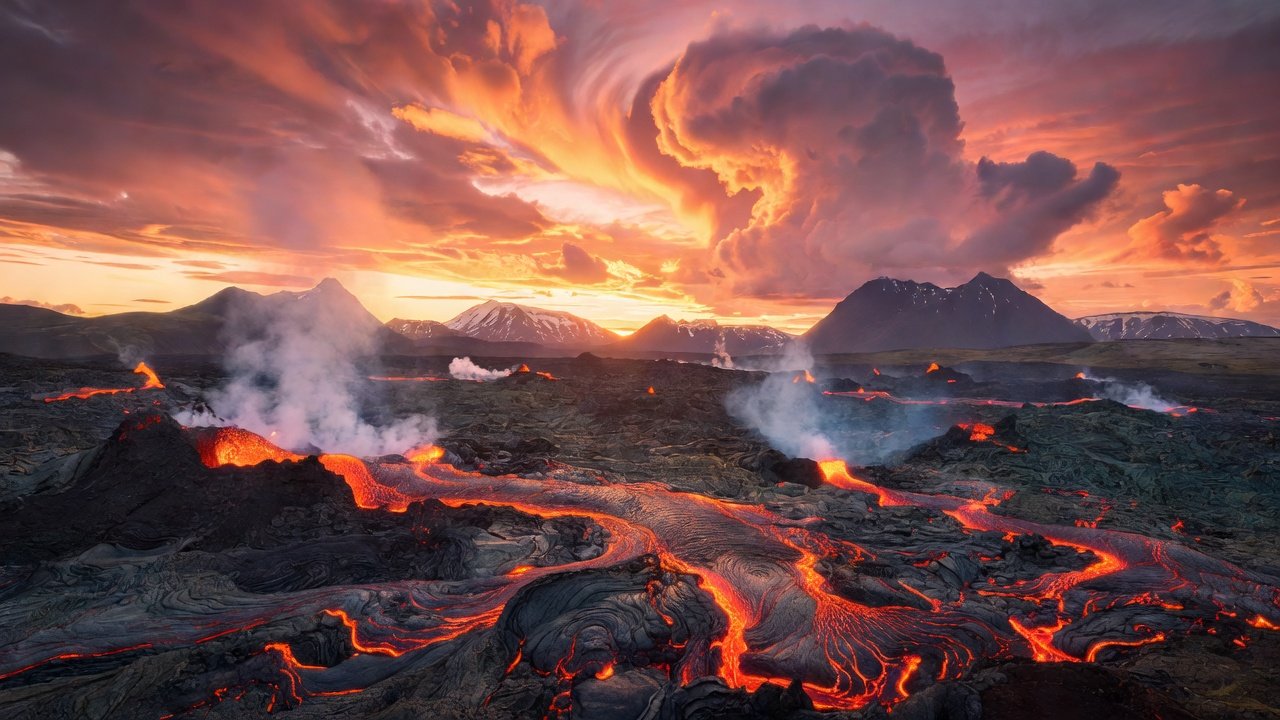
Iceland's volcanic terrain, shaped by the Mid-Atlantic Ridge, features both active and dormant sites perfect for adventure seekers. The Reykjanes Peninsula offers accessible yet lesser-visited spots like the Valahnúkur crater, away from crowded tourist paths. Further inland, areas around the Hengill volcano provide geothermal hot springs and hiking trails that reveal the island's fiery origins without the overwhelming crowds of the Golden Circle route.
Optimal Visit Seasons: Summer months from June to August provide long daylight hours ideal for hiking, while winter allows for Northern Lights views over volcanic fields. Shoulder seasons like May and September offer milder crowds and still-reasonable weather for extended outdoor activities.
Safety Protocols and Guided Hikes: Always check the Icelandic Meteorological Office for seismic activity before heading out. Join guided tours with certified operators for sites near active areas. A popular option is the hike to the Fagradalsfjall viewpoint, offering panoramic vistas of recent lava fields. Guides provide essential equipment like helmets and explain historical eruptions to enhance the educational aspect of the experience.
Traveler Story: Sarah, a solo adventurer from Canada, shared how a guided hike in 2025 transformed her perspective: "Standing on the edge of a dormant crater felt like stepping into another world. The guides explained the geology in detail, making the landscape come alive." Many visitors report similar epiphanies after spending time in these remote volcanic zones.
Transport and Itinerary: Fly into Keflavik Airport, then rent a car or join bus tours for flexibility. A 5-day itinerary might include Day 1 arrival and Blue Lagoon relaxation, followed by volcanic hikes on Days 2-3, with time for local village exploration and photography sessions on the remaining days. Public transport options connect major hubs efficiently for those avoiding rental vehicles.
Costa Rica's Arenal and Beyond
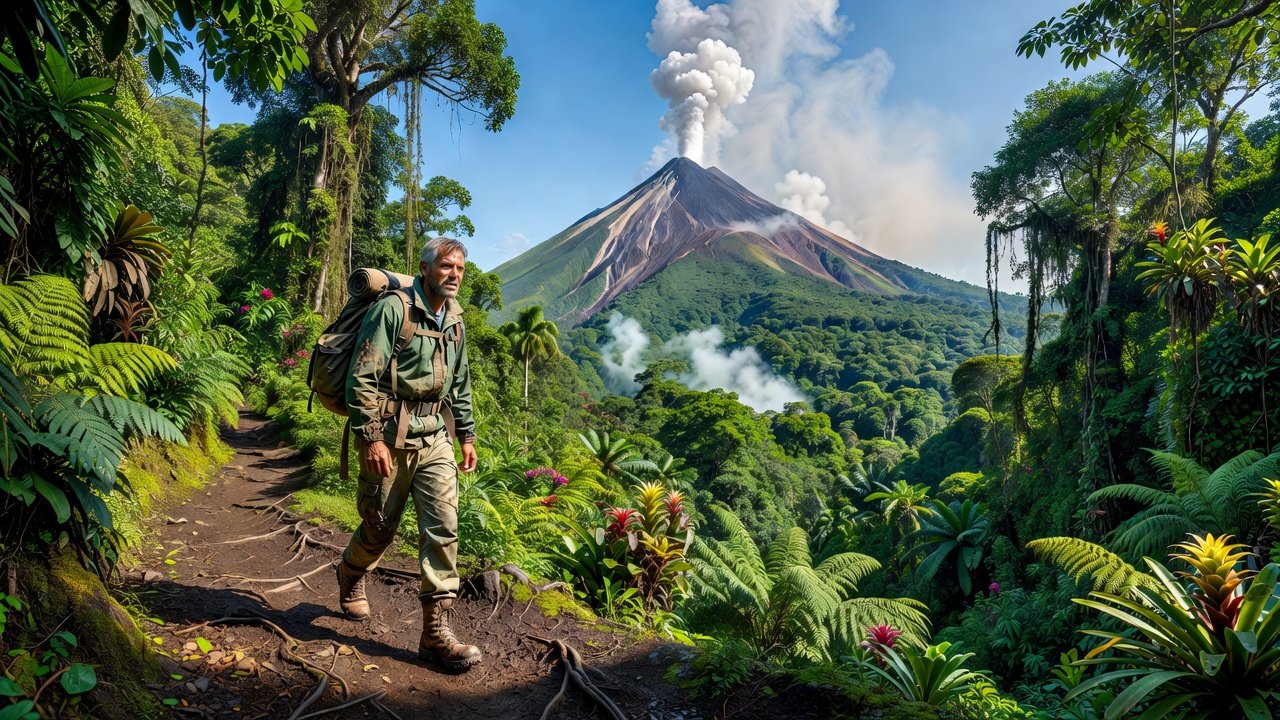
Costa Rica blends active volcanoes with lush rainforests. While Arenal is well-known, explore the lesser-visited Rincon de la Vieja for bubbling mud pots and hot springs. This national park offers diverse trails leading through cloud forests to viewpoints where steam rises dramatically from the earth, creating an otherworldly atmosphere perfect for photography enthusiasts.
Optimal Seasons and Viewpoints: Dry season December to April is best for clear views of the volcano summit. Scenic trails lead to overlooks with views of steaming fumaroles. During these months, visibility is highest, allowing for unobstructed panoramas that stretch across multiple provinces.
Active vs Dormant Comparison: Arenal remains potentially active, requiring strict buffer zones and real-time monitoring, whereas dormant sites allow closer exploration without the same level of monitoring. This distinction affects everything from permitted access points to the intensity of guided experiences available.
Gear Recommendations and Packing Checklist
Proper preparation ensures comfort and safety across varying terrains and weather conditions. Consider these essentials for any volcanic adventure:
- Sturdy hiking boots with ankle support to navigate rocky and uneven paths
- Layered clothing for sudden weather changes common in high-altitude volcanic zones
- Reusable water bottle and headlamp for early morning or evening excursions
- Sunscreen, hat, and insect repellent to protect against tropical elements
- Light rain jacket and quick-dry pants for unpredictable showers
- Binoculars for spotting wildlife and distant geological features
- Portable power bank to keep devices charged during long days outdoors
Indonesia's Lesser-Known Volcanic Islands
Indonesia's archipelago hides volcanic treasures like Mount Bromo in East Java or the remote volcanoes of Flores. These sites offer dramatic sunrises over calderas that attract photographers from around the globe. The Tengger caldera surrounding Bromo provides a vast, otherworldly plain ideal for jeep tours and horseback rides at dawn.
Permits and Sustainability: Many areas require park permits obtained in advance through official channels. Follow leave-no-trace principles to protect fragile ecosystems, supporting local conservation efforts. Sustainable practices include hiring local guides who contribute to community economies and choosing operators committed to low-impact tourism.
Practical Itineraries: Start in Bali, then ferry to Java for a 7-day trip combining hikes and cultural visits. Use domestic flights for efficiency when covering greater distances. A sample schedule includes arrival and acclimatization on day one, followed by crater hikes, village homestays, and relaxation at natural hot springs.
Comparing Active and Dormant Volcanic Sites
Understanding the differences between active and dormant volcanoes helps in selecting the right destination. Active sites like parts of Iceland's Reykjanes or Costa Rica's Arenal offer thrilling proximity to geological processes but demand heightened caution and adherence to exclusion zones. Dormant locations provide safer, more relaxed exploration with opportunities for longer stays and deeper immersion in surrounding ecosystems.
Practical examples show that active volcano trips often involve shorter, more structured visits with professional oversight, while dormant areas suit multi-day treks and independent exploration. Both types reward visitors with unforgettable memories when approached thoughtfully.
Real Traveler Stories and Experiences
Beyond Sarah's account, numerous adventurers have documented their journeys. A family from Australia described their Costa Rica trip as life-changing, noting how children learned about earth sciences firsthand during a guided Rincon de la Vieja walk. In Indonesia, a group of friends emphasized the spiritual aspect of watching sunrise over Mount Bromo, calling it a highlight of their travels that fostered greater environmental awareness.
FAQ on Permits, Safety, and Planning
- Do I need permits? Yes for most national park volcanoes; apply online or via local operators 1-2 months ahead to secure spots during peak seasons.
- How to stay safe near active sites? Monitor official alerts daily, travel exclusively with certified guides, and maintain recommended distances from vents or lava flows at all times.
- Best sustainability practices? Choose eco-certified tours, minimize single-use plastics, and support businesses that reinvest in habitat restoration projects.
- What if weather disrupts plans? Build flexibility into itineraries with backup indoor activities like museum visits or cultural workshops in nearby towns.
Conclusion
These volcanic escapes promise transformative 2026 adventures filled with awe-inspiring landscapes. With careful planning around safety, seasons, and sustainability, your trip can be both thrilling and responsible. Start researching transport links and guided options today to turn wanderlust into reality, creating memories that last a lifetime while respecting the powerful natural forces that shape these extraordinary places.
No comments yet. Be the first!