 PlaceBee

Introduction: Moving Beyond Mainstream Travel Lists
In an era where popular destinations like Bali and Santorini dominate social feeds, uncovering hidden gems requires advanced techniques that go far beyond basic Google searches. This comprehensive guide explores sophisticated research methods tailored specifically for 2026 planning, empowering travelers to discover spots that fuel genuine wanderlust while sidestepping overtourism. Whether you're a beginner seeking your first off-grid adventure or an experienced explorer refining your approach, these strategies integrate data analysis, community-driven insights, seasonal forecasting, and real-world validation processes. By the end, you'll have a repeatable framework to turn vague inspiration into detailed, actionable itineraries that prioritize sustainability and authenticity.
Step-by-Step Discovery Frameworks
Developing a robust discovery framework starts with clarifying personal travel parameters such as preferred climates, activity levels, cultural interests, and tolerance for remote logistics. Once defined, layer multiple research phases: initial broad queries for rising interest areas, followed by deep dives into geographic and demographic data. For example, map rising queries against infrastructure reports to identify areas on the cusp of popularity but not yet saturated. Incorporate iterative validation loops where preliminary finds are tested against local economic indicators and environmental reports. This methodical process prevents chasing fleeting trends and focuses on destinations with staying power through 2026 and beyond.
- Define core criteria including budget, travel style, and sustainability priorities.
- Conduct multi-source cross-referencing using search volume, social mentions, and satellite data.
- Apply seasonal filters and accessibility assessments.
- Validate findings with on-the-ground signals like recent visa policy changes or community projects.
- Document and iterate based on preliminary trip simulations.
Leveraging Data Tools for Hidden Spot Research
Data-driven tools form the backbone of advanced destination hunting. Platforms that track search trends, flight patterns, and user-generated content can highlight emerging locations months or years ahead of mainstream coverage. Combine quantitative metrics like upward keyword trajectories with qualitative signals from photo-sharing sites to pinpoint visually striking yet undiscovered areas. Advanced users often integrate mapping software with real-time environmental datasets to assess factors such as biodiversity hotspots or low-impact zones. These techniques allow precise targeting of places poised for 2026 interest, such as remote river valleys or lesser-visited island chains.
Practical examples include monitoring regional upticks in queries related to eco-lodges in Central America or underexplored hiking trails in the Caucasus Mountains. Cross-referencing with official tourism statistics helps confirm viability while avoiding hype cycles.
Incorporating Local Insights and Community Wisdom
Quantitative data alone falls short without the human element. Tapping into local networks, regional blogs, university geography departments, and resident forums provides nuanced understanding of cultural contexts, hidden access points, and seasonal variations that algorithms overlook. Building relationships with on-site guides or participating in virtual cultural exchanges can reveal micro-destinations like tucked-away fishing villages or highland communities experimenting with regenerative tourism. This approach ensures discoveries feel organic and respectful rather than extractive.
Analyzing Seasonal Trends for 2026 Planning
Seasonality plays a critical role in both accessibility and experience quality. Analyzing historical weather patterns alongside emerging event calendars helps identify optimal windows for visitation. Shoulder periods in particular offer quieter atmospheres and reduced environmental strain, making them ideal for sensitive hidden locations. For 2026, anticipate shifts driven by climate considerations and post-pandemic preferences for nature-based escapes, such as spring wildflower blooms in overlooked European meadows or autumn foliage in lesser-known Asian highlands.
Tracking these trends enables proactive itinerary design that aligns with both personal schedules and destination carrying capacities.
Real-World Case Studies of Emerging Gems
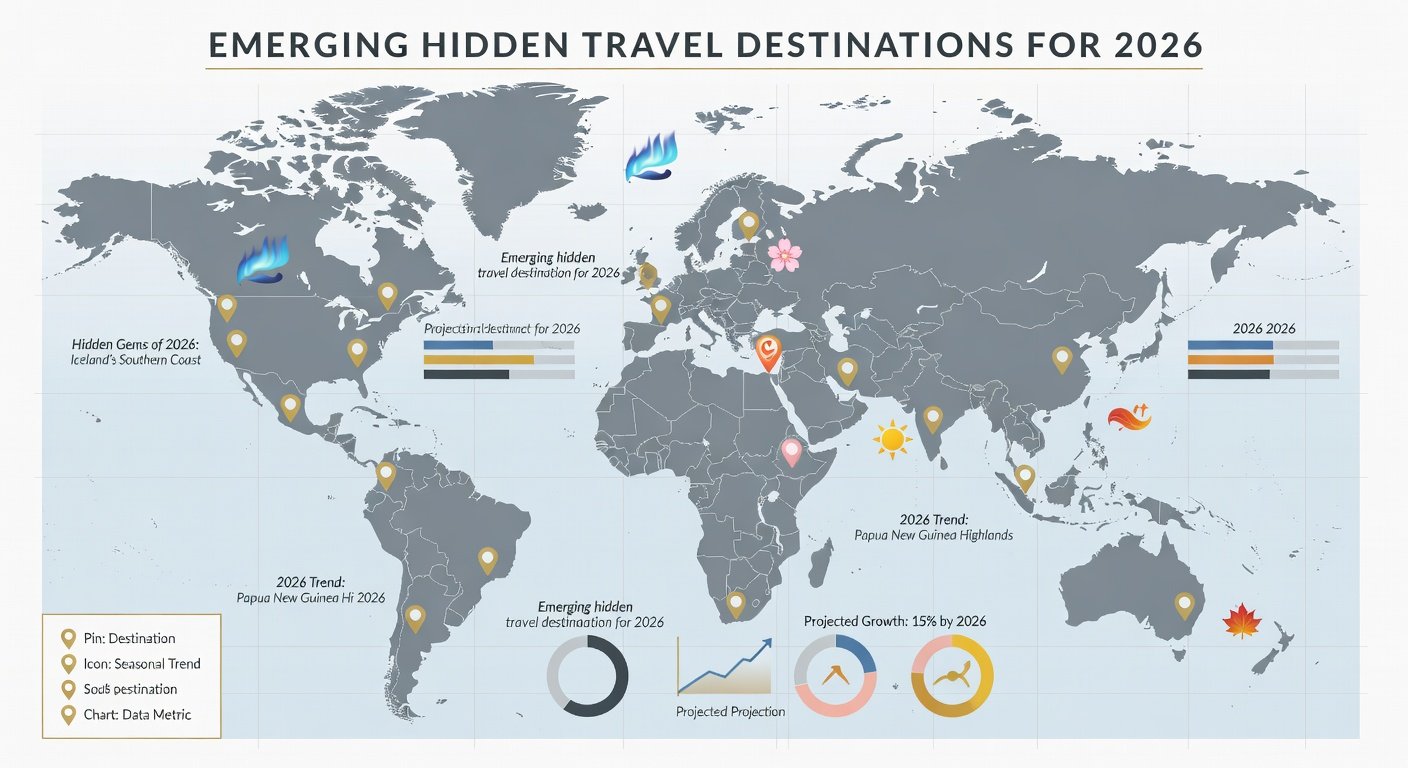
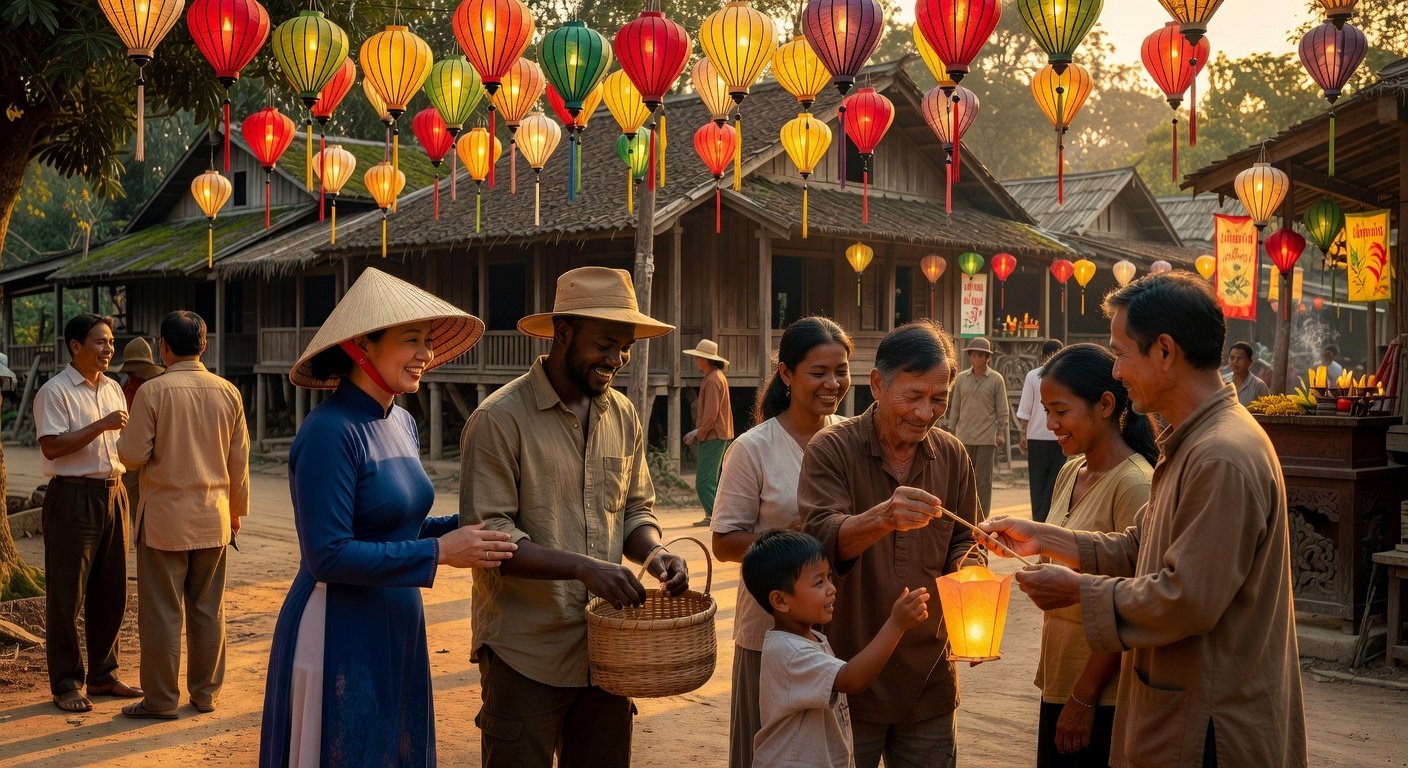
One compelling case involves the gradual emergence of Albania's southern coastal hamlets, where improved local storytelling and sustainable infrastructure have drawn selective travelers without overwhelming the area. Another example is the quiet rise of certain highland communities in northern Vietnam, identified through combined social listening and ecological monitoring, now offering homestay experiences centered on traditional agriculture. A third illustration comes from remote Patagonian outposts in Chile, where data on visitor dispersal patterns revealed opportunities for low-density exploration far from established routes. Each case demonstrates the power of layered research in surfacing destinations that reward early adopters with authentic encounters.
Popular vs. Hidden Destinations: Key Comparisons
Comparing mainstream favorites with hidden alternatives reveals clear trade-offs across several dimensions. Popular locations typically feature extensive amenities, reliable transport, and abundant online resources, yet they often suffer from overcrowding, inflated pricing, and diluted cultural experiences. In contrast, hidden gems deliver unparalleled solitude, direct community engagement, and lower ecological footprints, though they demand greater self-reliance and advance preparation. Decision factors include your risk tolerance for variable infrastructure versus the desire for unique, crowd-free memories. Many travelers find a hybrid approach works best, using popular hubs as gateways to nearby hidden extensions.
- Accessibility: Popular sites excel here, while hidden ones may involve multi-modal travel.
- Crowd levels: Hidden destinations maintain exclusivity longer when managed responsibly.
- Sustainability impact: Hidden areas benefit from mindful visitation practices promoted by groups like the UNWTO.
- Cost structures: Generally more economical in emerging spots due to fewer commercial overlays.
Common Mistakes to Avoid
Even well-intentioned researchers fall into pitfalls such as over-relying on single data sources, ignoring local carrying capacity warnings, or failing to account for rapid infrastructure changes. Another frequent error is neglecting follow-up verification through recent traveler reports or official advisories from resources like the CDC Travel site. Always diversify inputs and build contingency plans for shifting conditions in 2026.
Practical Checklists for Validation
Before committing to any destination, run through this expanded validation checklist to ensure thoroughness:
- Review recent independent travel reports and photographic evidence from multiple seasons.
- Evaluate environmental and social sustainability metrics using reports from recognized bodies.
- Confirm transportation, accommodation, and communication options with current local contacts.
- Assess health, safety, and entry requirements via authoritative government portals.
- Simulate full itinerary costs and timings, including buffer days for unexpected variables.
- Identify at least two backup hidden alternatives in case primary plans shift.
FAQs on Sustainability and Booking Timelines
How can travelers ensure visits to hidden destinations remain sustainable? Focus on supporting locally owned enterprises, limiting group sizes, and following low-impact guidelines outlined by organizations such as the National Geographic travel initiatives.
What is the ideal booking window for 2026 trips to emerging spots? Secure core elements like lodging and permits 8-12 months ahead while monitoring for seasonal openings closer to travel dates.
Are there risks in visiting truly undiscovered locations? Yes, including limited emergency services; mitigate by thorough preparation and sharing detailed itineraries with trusted contacts.
How do seasonal trends affect hidden gem selection? They dictate optimal visit periods for weather, wildlife activity, and crowd avoidance, requiring flexible planning.
Conclusion: Turning Inspiration into Itineraries
Mastering these advanced techniques positions you to craft distinctive 2026 journeys that stand apart from conventional routes. By blending rigorous data analysis with empathetic local engagement and forward-looking seasonal awareness, you transform abstract wanderlust into concrete, responsible travel plans. Begin implementing these methods incrementally to build confidence and uncover destinations that will create lasting memories.
No comments yet. Be the first!