 PlaceBee
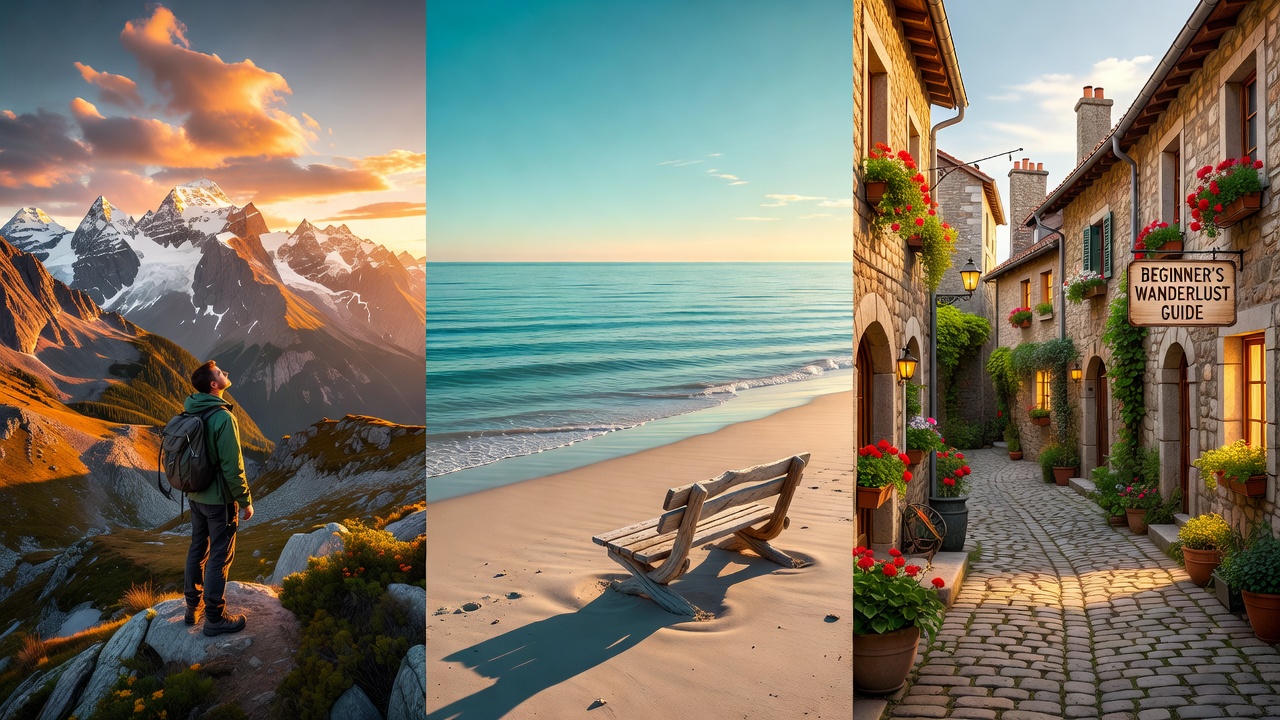
Embarking on your first journeys often starts not with a plane ticket but with a spark of inspiration. This beginner guide shows you how to spot fresh destinations that ignite genuine wanderlust without relying on overcrowded top-10 lists. Many new travelers feel overwhelmed by endless recommendations online, yet the most meaningful trips come from tuning into your own interests and surroundings. By developing simple habits of observation and reflection, you can build a personal collection of destinations that truly excite you and match your lifestyle, energy levels, and curiosity. This approach helps avoid the disappointment of following trends that do not align with what you actually enjoy.
Recognizing Your Personal Travel Triggers
Every traveler has unique cues that awaken the desire to explore. Pay attention to what excites you in everyday moments: the smell of spices might point toward Southeast Asia, while mountain documentaries could draw you to the Andes. Start by noting three recurring themes in your preferences, such as a love for coastal walks, interest in ancient ruins, or fascination with street food markets. For instance, if you frequently find yourself watching videos of quiet forests, consider destinations known for national parks rather than bustling cities. Reflect on past experiences too, like a childhood trip to a lake that left you wanting more nature escapes. These triggers become the foundation for spotting places that feel fresh and personal. Over time, you will notice patterns, such as a preference for shoulder seasons or a desire for cultural immersion through local festivals. Keeping track of these helps filter out noise from popular media and focuses your attention on locations that genuinely spark excitement.
Simple Observation Techniques from Media and Daily Life
Media offers endless clues if you observe actively. Watch travel shows or flip through photography books and pause on places that make you linger. In daily life, notice foreign-language signs in your city, try new cuisines, or chat with locals from other countries. These micro-experiences often reveal hidden affinities for specific regions. Expand this by reading novels set in foreign countries or listening to music from different cultures, which can subtly introduce you to new landscapes and atmospheres. A practical list of techniques includes scanning social media for user-generated photos without hashtags, visiting international grocery stores to discover regional ingredients, and attending museum exhibits on world history or art. Another effective method is to track recurring colors or landscapes in your phone wallpaper choices or favorite films. These observations build an intuitive sense for destinations that match your aesthetic and emotional preferences, making future decisions feel natural rather than forced.
Virtual Versus Real-World Discovery Approaches
Virtual exploration through maps and videos builds a broad foundation, while real-world visits to nearby cultural festivals provide tangible tests. Combine both: use online tools to shortlist three candidates, then seek local events that mimic the atmosphere of your top choices. Virtual methods allow safe experimentation with ideas like hiking in New Zealand or exploring Moroccan souks from your living room, yet nothing replaces the sensory feedback of actually tasting local dishes or navigating unfamiliar streets. Real-world practice might involve day trips to ethnic neighborhoods or attending travel talks at community centers. According to National Geographic, blending these approaches leads to more satisfying long-term travel planning because it balances imagination with practical knowledge. This comparison helps beginners avoid overcommitting to distant trips before testing similar experiences closer to home.
Creating an Inspiration Journal: Practical Steps and Examples
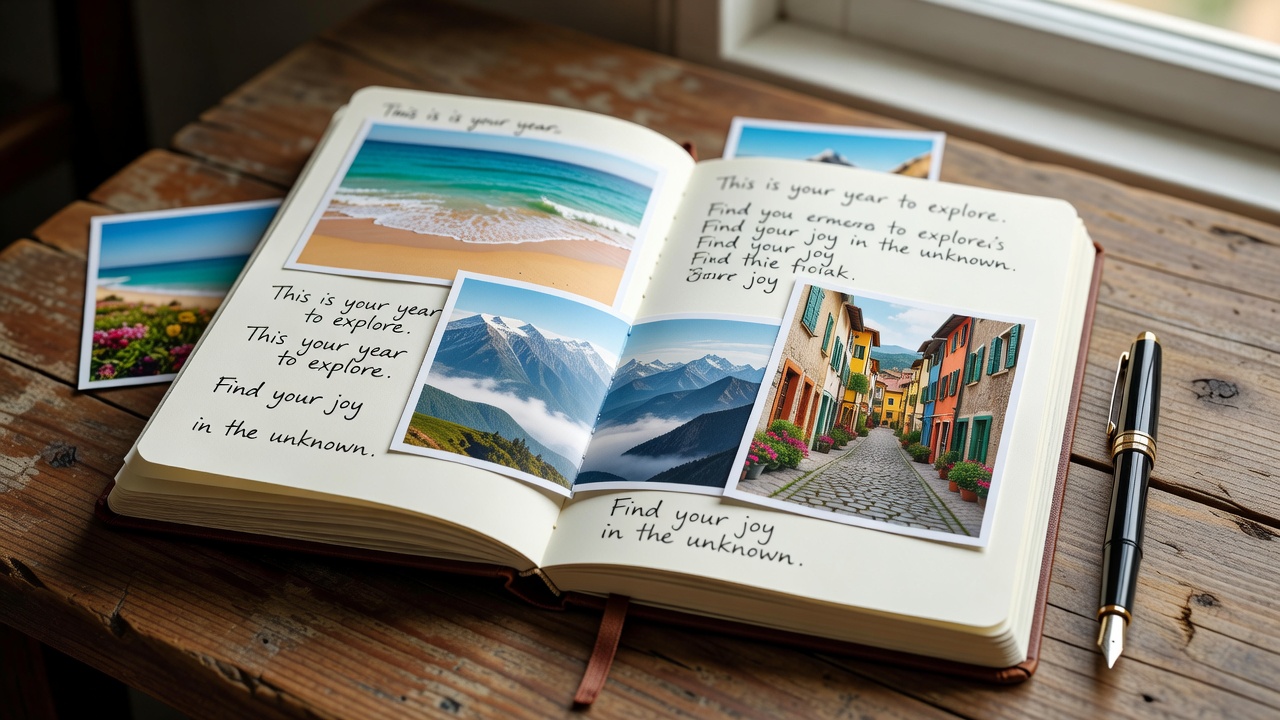
An inspiration journal turns fleeting ideas into actionable plans. Dedicate a notebook or digital document and follow these steps: first, record the trigger moment and why it resonated with your current mood or interests; second, add sensory details like colors, sounds, or flavors you imagine experiencing there; third, include one small next action, such as researching a visa or saving a photo for later reference; and fourth, revisit entries monthly to update or expand them based on new insights. Here are three detailed example entries to illustrate the process. First, a trigger from a podcast about cherry blossoms leads to notes on soft pink petals against temple walls, the sound of quiet bells in the wind, and a next action of searching for spring flight patterns to Japan while also trying a simple Japanese recipe at home. Second, street art photos in a magazine inspire entries about bold colors on weathered brick, lively evening crowds, and the action of locating similar murals in your city this weekend to practice photography skills. Third, a friend’s story about hiking in Patagonia includes crisp mountain air, vast open skies at sunrise, and watching a documentary on Torres del Paine national park as the immediate step. These examples show how the journal captures both emotion and practicality, turning vague dreams into concrete starting points.
Building Consistency in Your Travel Inspiration Practice
To make spotting destinations a sustainable habit, schedule short weekly sessions where you review recent triggers without pressure to decide on a trip. This prevents the common pitfall of inspiration fading before it leads to research. Share select entries with travel-minded friends for feedback, which often uncovers overlooked connections between your notes and lesser-known places. Consistency also means updating your journal with seasonal changes, such as noting how winter landscapes appeal differently than summer ones, helping you identify year-round options or shoulder-season deals that feel fresh and less crowded.
Overcoming Decision Paralysis: Short FAQ
How do I choose when everything looks appealing?
Limit yourself to three destinations at a time. Rank them by how strongly they match your personal triggers rather than popularity. This focused approach reduces overwhelm and highlights the best fit for your current life stage.
What if my budget feels too tight for dream trips?
Focus first on inspiration; affordable alternatives often appear once you know your direction. Many travelers start with nearby regions that share similar vibes, allowing you to test ideas without major expense while saving for bigger adventures later.
Is it okay to change my mind later?
Absolutely. Wanderlust evolves, so treat your journal as a living document you revisit every few months. Changing direction is a sign of growth, not failure, and keeps the process exciting.
How can I involve family or friends without losing my personal vision?
Start by sharing only your top three triggers and ask for their input on matching destinations. This collaborative step maintains your core inspiration while incorporating others’ perspectives.
What resources help verify if a destination is realistic?
Cross-reference your journal notes with official tourism information from UNWTO for general safety and accessibility insights before deeper planning.
Conclusion
Spotting fresh destinations becomes second nature once you tune into your own signals and document them consistently. Begin with one journal entry today and watch your travel dreams take shape through steady, personal discovery rather than external pressure.

No comments yet. Be the first!