 PlaceBee
Introduction to Multi-Generational Travel in 2026
Family travel continues to evolve, with more households seeking destinations that cater to children, parents, and grandparents alike. In 2026, the focus shifts toward spots offering a balance of gentle adventures, cultural immersion, and practical accessibility. These locations prioritize smooth pacing, inclusive activities, and memorable experiences without overwhelming any age group. Multi-generational trips foster stronger family bonds through shared discoveries, from spotting wildlife in pristine forests to participating in age-old traditions. Travelers today value destinations where safety, variety, and convenience intersect. Whether hiking scenic trails at a relaxed pace or exploring vibrant markets, the best spots accommodate strollers, wheelchairs, and varying energy levels. Recent trends show families prioritizing sustainability and wellness, choosing eco-conscious lodges and wellness activities that appeal across generations. Planning ahead ensures everyone returns with stories to share for years.
Top Dream Destinations for Families in 2026
Here are standout locations ideal for multi-generational groups. Each offers kid-friendly fun alongside senior-accessible options and rich cultural encounters.
1. Banff National Park, Canada
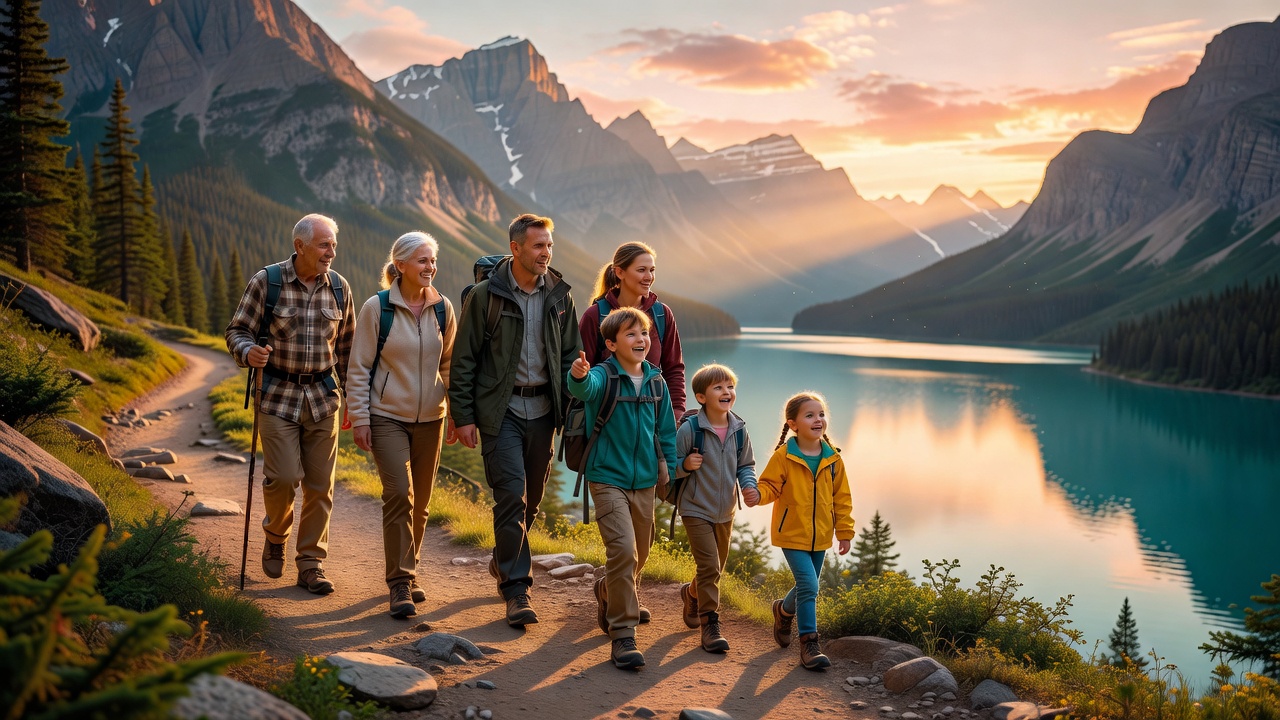
Banff provides breathtaking mountain views with easy trails suitable for all ages. Families can enjoy short walks around Lake Louise or scenic gondola rides that minimize physical strain. Cultural experiences include Indigenous-led tours highlighting local heritage and storytelling sessions perfect for curious children. Seniors appreciate the paved pathways and shuttle services that reduce walking distances. Wildlife viewing opportunities, such as spotting elk or bears from safe viewpoints, create excitement without risk. The park's visitor centers offer interactive exhibits that educate all ages about conservation efforts.
2. Kyoto, Japan
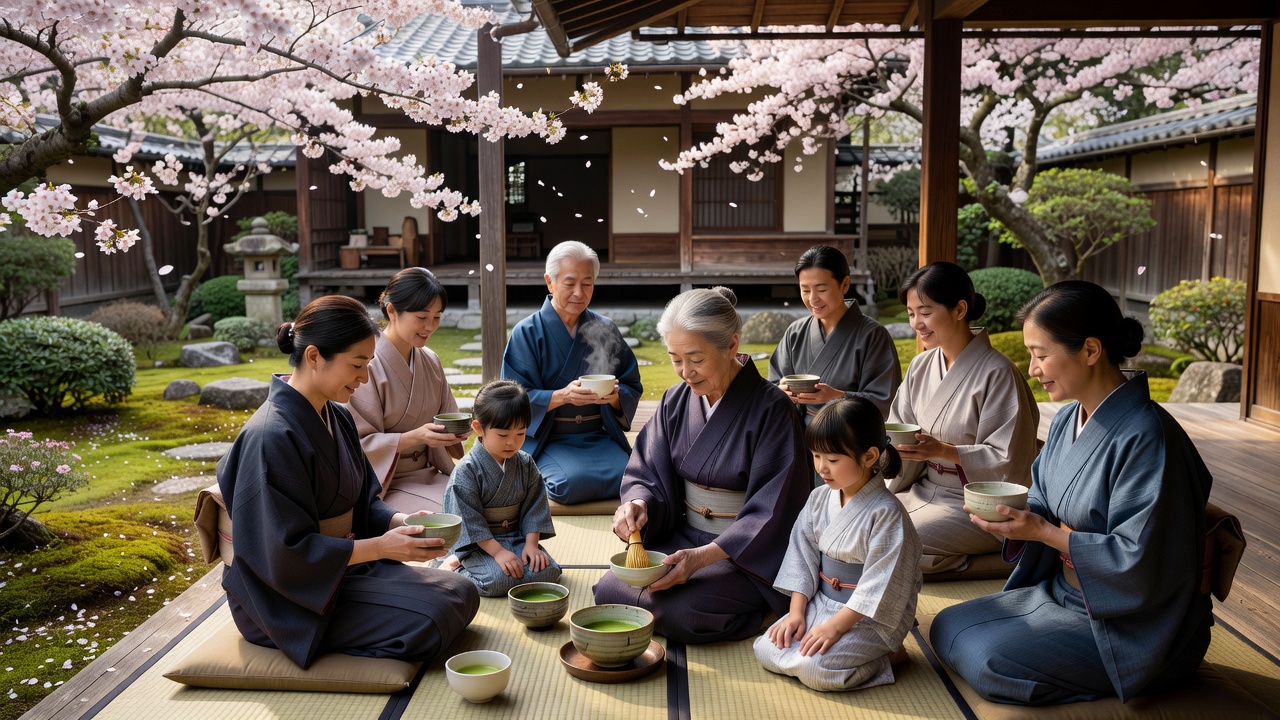
Kyoto blends ancient temples with modern attractions. Seniors appreciate the calm gardens and tea ceremonies, while children enjoy interactive workshops on calligraphy or origami. The efficient public transport system makes navigation simple, with many stations featuring elevators and clear signage. Evening illuminations at temples provide magical moments for families. Food tours introduce mild flavors suitable for varied palates, and rickshaw rides offer a fun, low-effort way to explore narrow streets. Seasonal festivals add vibrant energy without overwhelming crowds when timed properly.
3. Costa Rica's Monteverde Region
Cloud forests offer wildlife spotting via gentle hanging bridges designed with safety rails for all ages. Activities like zip-lining have family versions with tandem options for younger or older participants. Eco-lodges provide comfortable stays with pools and nature programs. Seasonality favors the dry months from December to April for optimal weather and fewer insects. Birdwatching tours led by local experts engage kids with binoculars while allowing seniors to rest on shaded benches. Night walks reveal unique nocturnal creatures in a controlled, guided manner.
4. Tuscany, Italy
Rolling hills and historic towns create a relaxed atmosphere. Families can join cooking classes or vineyard tours adapted for all ages, with non-alcoholic tastings for children. Spring and fall offer milder temperatures and fewer crowds compared to summer peaks. Bike tours with electric options suit varying fitness levels, and villa rentals allow for home-cooked meals and downtime. Art workshops in Florence introduce Renaissance history through hands-on projects that captivate multiple generations.
Destination Comparisons: Cost and Seasonality
When choosing between these spots, consider seasonality and overall value. Banff peaks in summer with higher demand, while shoulder seasons like spring provide lower crowds and pleasant weather. Kyoto shines in cherry blossom season but requires advance planning to secure family-sized accommodations. Tuscany offers excellent value in fall with harvest festivals that include family-oriented events. Costa Rica's dry season balances pleasant weather with moderate pricing across accommodations and activities. Accessibility scores highest in Kyoto due to infrastructure, while Banff excels in natural immersion. Comparing flight durations helps: North American families reach Banff quickest, whereas European routes favor Tuscany.
Packing and Itinerary Planning Steps
Effective planning starts with a family meeting to align interests. Follow these steps for success:
- Assess mobility needs and book accessible lodging early, confirming elevator access and ground-floor options.
- Pack versatile layers, medications, and entertainment for long journeys, including noise-canceling headphones and favorite snacks.
- Create flexible daily schedules with built-in rest periods every two hours to accommodate energy differences.
- Research local customs to enhance cultural experiences and avoid unintentional offenses.
- Use apps for real-time transport and translation support to ease communication barriers.
- Prepare a shared digital folder with copies of passports, insurance, and emergency contacts accessible to all adults.
- Test all gear like portable chargers and first-aid kits before departure.
Sample three-week itinerary: Begin with Banff for nature immersion, transition to Kyoto for cultural depth, then relax in Tuscany before ending in Costa Rica's forests. Adjust pacing based on group feedback during the trip.
Real Family Case Studies
The Thompson family from Seattle combined Banff and Kyoto in 2025, reporting smooth pacing thanks to pre-booked accessible tours. Grandparents enjoyed temple gardens while kids participated in hands-on workshops, creating lasting memories. Similarly, the Patel family found Tuscany perfect for multi-generational bonding through shared cooking sessions that accommodated vegetarian preferences. The Ramirez family from Miami explored Monteverde with their extended group, highlighting the success of private guides who tailored wildlife tours to both energetic teens and slower-paced elders. These examples demonstrate how customization leads to inclusive adventures.
Safety Considerations for All Ages
Prioritize health and security by checking CDC travel resources before departure. Ensure travel insurance covers all generations, and carry copies of medical records. In remote areas like Monteverde, stay hydrated and use reputable guides. Additional precautions include consulting World Health Organization guidelines for vaccinations and monitoring air quality in urban spots like Kyoto. Families should establish a buddy system for children and designate meeting points in crowded areas. Emergency apps with offline maps provide extra peace of mind during excursions.
Actionable Tips for Booking and Customizing Trips
Book flights and accommodations 4-6 months ahead for 2026 peak seasons to secure family rooms and accessible features. Customize by adding private transfers for seniors or activity waivers for adventurous teens. Consider group discounts and flexible cancellation policies. Partner with specialists in family travel for tailored itineraries that respect dietary preferences and jet lag recovery time. Leverage loyalty programs for upgrades like extra legroom seats. Review cancellation terms carefully to handle unexpected changes, and communicate special requests directly with providers well in advance.
Mistakes to Avoid
Common pitfalls include over-scheduling without rest days, ignoring dietary restrictions when selecting restaurants, and neglecting to verify accessibility details in advance. Families also sometimes underestimate travel fatigue on long flights, leading to cranky starts. Always build buffer time between activities and confirm local holiday closures that could affect plans.
FAQ
How do families manage jet lag on long-haul trips?
Adjust sleep schedules gradually before travel and prioritize sunlight exposure upon arrival. Short naps and hydration help all ages recover faster. Melatonin supplements, used under medical guidance, can assist with resetting internal clocks.
What about dietary needs?
Many destinations accommodate allergies and preferences. Research restaurants in advance and carry translation cards for specific requirements like gluten-free or halal options. Hotel kitchens often prepare customized meals when notified early.
Are these destinations suitable for very young children?
Yes, with modifications such as stroller-friendly paths in Banff and Kyoto's accessible sites. Always verify facility details directly and bring portable comforts like favorite toys.
How can groups handle varying energy levels?
Build in downtime daily and split activities when needed, allowing independent exploration for older teens or relaxed time for seniors. Choosing locations with nearby cafes or benches supports this flexibility.
What packing items are essential beyond clothing?
Include portable chargers, universal adapters, reusable water bottles, and a compact pharmacy kit with age-appropriate medications. Entertainment like tablets loaded with offline content prevents boredom on travel days.
With thoughtful preparation, 2026 promises unforgettable family adventures across these inspiring locations that create bonds and stories for a lifetime.
No comments yet. Be the first!