 PlaceBee

Introduction to Sustainable Hidden Gems in 2026
Eco-conscious travelers are increasingly seeking alternatives to overcrowded destinations. In 2026, the focus on sustainable secret spots emphasizes low-impact tourism that supports local communities while preserving natural environments. This guide provides actionable advice for discovering these eco-friendly hidden gems, helping you plan responsible escapes that minimize your carbon footprint. As global awareness of climate change grows, more people are prioritizing destinations that actively protect biodiversity and empower residents rather than exploiting them for mass tourism.
Unlike mainstream tourist hotspots, these locations prioritize conservation and cultural respect. By choosing lesser-known regions, you contribute to balanced tourism growth and enjoy more authentic experiences. The trend toward regenerative travel means visitors leave places better than they found them through direct support for reforestation, education, and clean energy projects.
Key Selection Criteria for Eco-Friendly Spots
When evaluating destinations, consider factors like environmental protection policies, community involvement in tourism, and accessibility via low-emission transport. Ideal spots feature protected areas with strict visitor limits and initiatives that reinvest tourism revenue locally. These criteria ensure your visit promotes sustainability rather than exploitation. Look for places certified by international standards that verify genuine efforts in waste management, water conservation, and habitat restoration.
- Low-impact tourism practices, such as permitted trail systems and waste reduction programs that prevent soil erosion and pollution.
- Strong community support through homestays and locally owned eco-lodges that distribute profits fairly among residents.
- Biodiversity preservation efforts backed by recognized organizations that monitor species populations and enforce anti-poaching measures.
- Accessibility options including electric shuttles or bike-friendly routes to reduce reliance on fossil fuels.
These criteria ensure your visit promotes sustainability rather than exploitation. Researching these elements in advance helps avoid greenwashing where businesses falsely claim eco-credentials.
Real Examples from Lesser-Known Regions
Explore hidden gems across continents that meet these standards. In South America's Patagonian foothills, remote valleys offer guided treks with minimal infrastructure, allowing visitors to witness glaciers and wildlife without disturbing habitats. Local guides share knowledge of traditional land stewardship passed down through generations.
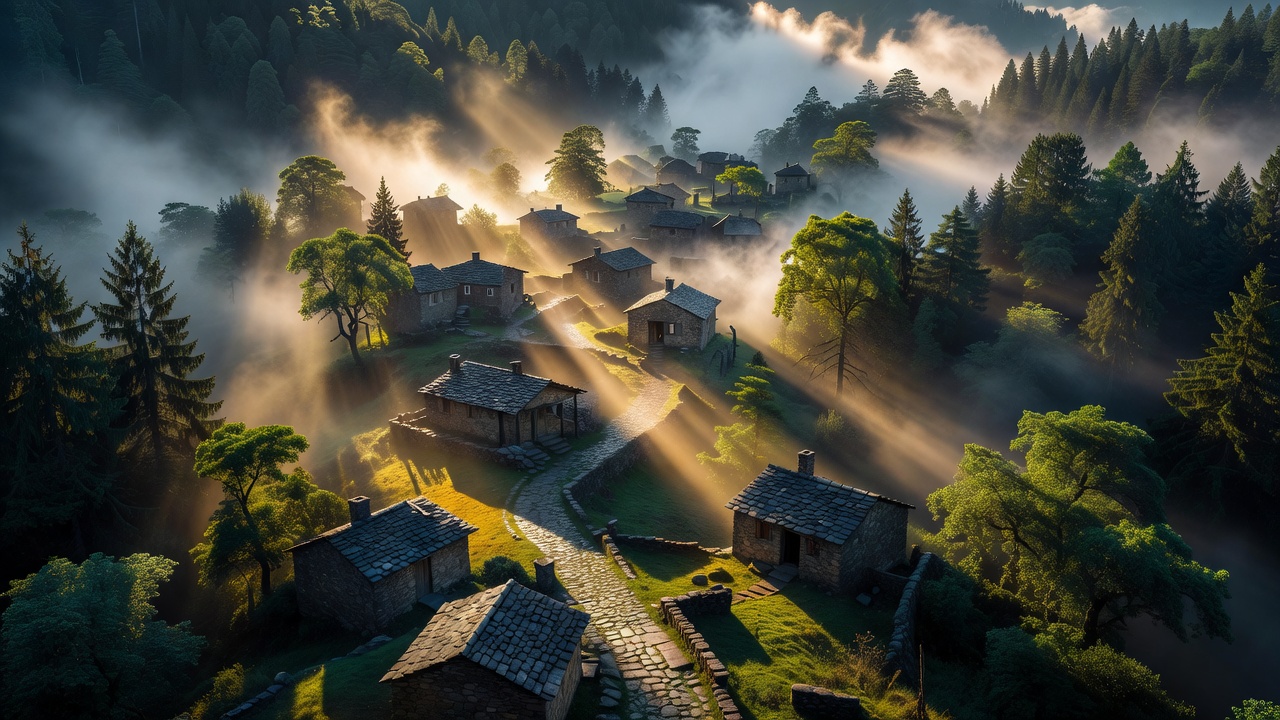
Southeast Asia's lesser-visited islands in Indonesia provide coral reef snorkeling supported by village cooperatives that manage marine protected zones and run education programs for children. Africa’s highland plateaus in Ethiopia feature ancient trails where tourism funds reforestation projects and supports schools in remote communities. In Eastern Europe, the lesser-explored Carpathian forests of Romania offer opportunities to stay in traditional wooden cabins while contributing to bear conservation through monitored wildlife viewing.
These examples highlight how off-the-beaten-path locations can thrive with responsible visitation. Each destination demonstrates measurable benefits such as increased local employment and habitat recovery when tourism is managed thoughtfully.

Comparisons to Overcrowded Destinations
Popular sites like Machu Picchu or the Amalfi Coast often suffer from overtourism, leading to environmental strain and diluted cultural experiences. In contrast, sustainable hidden gems offer tranquility and direct benefits to residents. Visitors report deeper connections with nature and locals at these quieter alternatives. Overcrowded areas frequently experience trail degradation, water shortages, and loss of traditional practices due to high visitor volumes.
Switching to lesser-known areas reduces pressure on fragile ecosystems and spreads economic gains more equitably. Studies from tourism authorities show that dispersing visitors helps maintain site integrity over decades. Choosing hidden gems also allows for more personalized interactions rather than rushed, commercialized encounters.
Practical Planning Steps for Responsible Visits
Start by researching certifications from global bodies and booking through verified operators. Next, choose shoulder seasons to avoid peak crowds and select carbon-offset transport options where available. Engage directly with communities by participating in volunteer activities or purchasing local crafts. Always verify that operators follow ethical guidelines before committing.
- Verify sustainability credentials via official tourism boards and international frameworks such as those promoted by UNWTO.
- Plan multi-modal low-impact travel routes combining trains, buses, and cycling to minimize emissions.
- Support businesses that employ locals and use renewable energy sources like solar or wind power.
- Limit group sizes and adhere to leave-no-trace principles including proper waste disposal and staying on marked paths.
- Book accommodations that donate a portion of fees to conservation funds and involve guests in habitat monitoring activities.
- Learn basic local customs and phrases to show respect and foster genuine cultural exchange during your stay.
These steps ensure your trip aligns with eco-friendly values and creates lasting positive outcomes for the destinations you visit.
Packing Tips for Minimal Environmental Footprints
Pack reusable items like water bottles, utensils, and quick-dry clothing to reduce single-use plastics. Opt for lightweight, durable gear made from recycled materials. Include a portable solar charger and biodegradable toiletries to maintain minimal impact throughout your journey. Choose versatile layers that can be mixed and matched to reduce overall luggage weight and encourage walking or public transport use.
Remember to research local regulations on what items are permitted to avoid introducing invasive species. Bring a reusable shopping bag, a compact first-aid kit with natural remedies, and a journal to document your experiences without relying on single-use paper products. Avoid packing new items that will be discarded after the trip; instead, repair and reuse existing gear whenever possible.
How to Measure Your Travel Impact
Track your journey's effects by calculating approximate emissions using online tools and choosing offsets that fund verified projects such as wind farms or mangrove restoration. Keep records of money spent locally and feedback shared with operators to encourage continuous improvement. Many travelers now document their experiences through photos and stories that highlight conservation successes, inspiring others to follow similar paths.
Common Mistakes to Avoid
One frequent error is selecting destinations based solely on aesthetics without checking sustainability practices. Another is overpacking or ignoring local guidelines, which can harm ecosystems. Always confirm that activities do not involve wildlife exploitation or excessive resource use. Planning too rigidly can also prevent spontaneous support for community events that arise during your visit.
Frequently Asked Questions
How can I reduce carbon emissions while traveling to these spots?
Prioritize train or bus travel over flights when possible, and offset remaining emissions through verified programs. Choose destinations reachable by land routes to significantly lower your overall impact. Consider combining multiple nearby hidden gems into one extended trip rather than making separate journeys.
What does meaningful local engagement look like?
Participate in community-led tours, dine at family-run eateries, and learn basic phrases in the local language. Avoid activities that commodify culture without fair compensation. Volunteer for short projects like trail maintenance or language exchanges that build mutual respect.
Are there seasonal considerations for visiting in 2026?
Shoulder seasons often provide the best balance of pleasant weather and fewer crowds while supporting year-round local economies. Check for any climate-related restrictions such as wildfire risks or flooding patterns before finalizing dates.
Conclusion
Eco-friendly hidden gems represent the future of mindful travel in 2026. By applying these criteria, examples, and steps, you can enjoy unforgettable adventures while fostering positive change. Start planning your sustainable escape today and discover the rewards of responsible exploration that benefit both travelers and the planet for years to come.

No comments yet. Be the first!