 PlaceBee
Why Explore Middle East Hidden Gems in 2026?
Travelers in 2026 are increasingly seeking authentic cultural immersion and sustainable adventures away from crowded landmarks. The Middle East offers a wealth of underrated destinations that blend ancient history with modern eco-practices, providing unique experiences without the overwhelming tourist crowds found at popular sites like Petra or the Pyramids. These hidden gems allow visitors to engage deeply with local communities, witness preserved traditions, and contribute to conservation efforts through responsible tourism choices. As global awareness of overtourism grows, destinations emphasizing low-impact travel are becoming essential for mindful explorers looking to create meaningful connections rather than ticking off bucket-list items.
Unlike mainstream attractions, these hidden gems deliver quieter exploration, deeper local interactions, and opportunities to witness traditional practices firsthand. This approach aligns with growing global interest in low-impact travel promoted by organizations such as UNWTO.
Popular Destinations vs. Hidden Gems: Key Comparisons
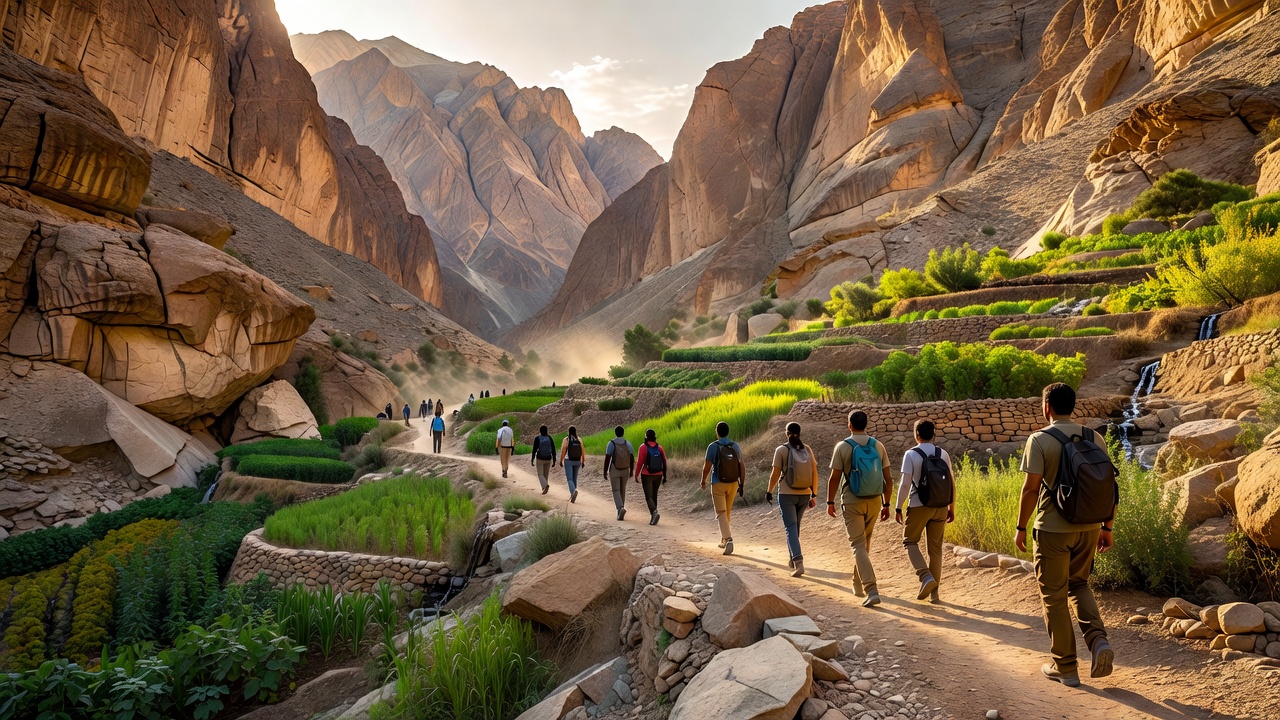
Popular spots often feature high foot traffic, higher costs, and commercialized experiences that can dilute cultural authenticity. In contrast, hidden gems deliver quieter exploration, deeper local interactions, and opportunities to witness traditional practices firsthand. For example, while Dubai's skyline draws millions annually, lesser-known mountain villages in Oman offer serene hikes amid terraced farms using ancient irrigation systems updated with eco-friendly methods. Visitors to hidden sites frequently report stronger senses of discovery and personal growth, as they navigate less-developed infrastructure that encourages genuine engagement with residents. This distinction makes hidden gems ideal for those prioritizing quality over quantity in their 2026 itineraries.
7 Underrated Secret Spots for 2026
1. Siwa Oasis, Egypt
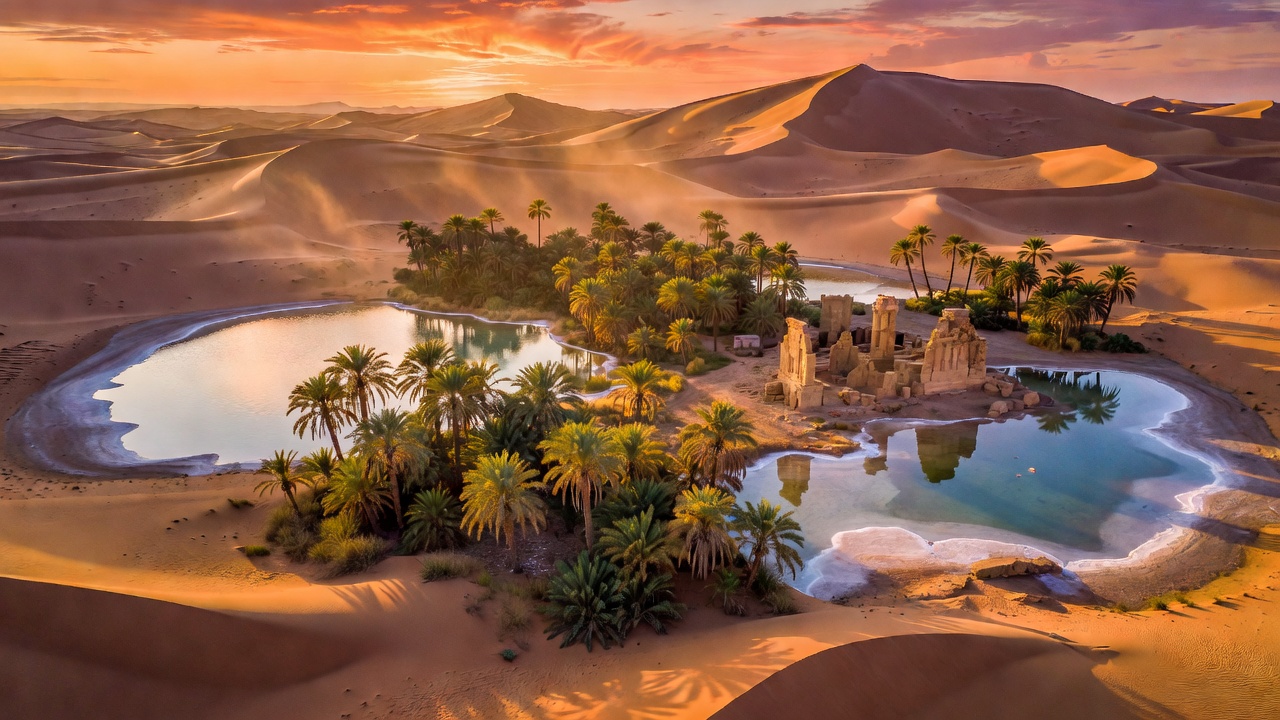
This remote oasis near the Libyan border features salt lakes and Berber culture. Access via overnight bus from Cairo; best visited in spring or fall to avoid extreme heat. Travelers can participate in traditional date harvesting workshops that highlight sustainable water management techniques passed down through generations. Local guides often share stories of ancient oracle temples while emphasizing community-led reforestation projects around the lakes.
2. Qeshm Island, Iran
Known for its UNESCO-listed geopark with star-shaped valleys and mangrove forests, this island supports unique biodiversity. Ferries from Bandar Abbas provide access; focus on low-season visits for sustainable kayaking tours. Visitors can join mangrove planting initiatives that combat coastal erosion, blending geological exploration with hands-on conservation. The island's star valleys offer hiking opportunities where geological formations tell stories of millions of years of natural history.
More details on such protected sites are available via UNESCO World Heritage resources.
3. Mada'in Saleh, Saudi Arabia
Ancient Nabataean ruins rivaling Petra but far less visited. Train or flight to AlUla then guided eco-tours; optimal in cooler months. The site features intricate rock-cut tombs and inscriptions that provide insights into pre-Islamic trade routes. Eco-tours here incorporate camel treks powered by renewable energy initiatives at nearby camps, allowing travelers to experience history while supporting low-emission transport.
4. Farasan Islands, Saudi Arabia
Coral reefs and traditional fishing villages with minimal development. Boat from Jazan; ideal for snorkeling while supporting marine conservation efforts. Local fishers demonstrate sustainable netting practices that protect endangered species, giving visitors an authentic glimpse into island life. The reefs host diverse marine life, making this a prime spot for educational diving experiences focused on reef restoration.
5. Jebel Shams, Oman
The 'Grand Canyon of Arabia' with dramatic cliffs and hiking trails. Drive from Muscat; combine with village homestays highlighting sustainable agriculture. Hikers can explore ancient falaj irrigation channels still in use today, learning how communities adapt these systems to modern climate challenges. Evening gatherings often include folk music sessions that preserve Omani oral histories.
6. Socotra Island, Yemen
Unique biodiversity including dragon's blood trees. Limited flights from Abu Dhabi; travelers should prioritize organized eco-expeditions. The island's alien-like landscapes support endemic species found nowhere else, and conservation programs invite participants to assist in monitoring efforts. Guided walks reveal how local traditions integrate with protecting fragile ecosystems against invasive species.
7. Cedars of Tannourine, Lebanon
Ancient cedar forests with hiking paths and local folklore. Accessible from Beirut; spring visits reveal wildflowers amid reforestation projects. Community programs here teach about the cultural symbolism of cedars in Lebanese heritage while involving visitors in planting native saplings to combat deforestation.
Seasonal Considerations for 2026 Travel
Shoulder seasons like March-May and September-November offer mild weather across most sites, reducing environmental strain and allowing more comfortable exploration. During these periods, travelers can enjoy festivals that showcase regional music, crafts, and cuisine without peak-season overcrowding. Monitoring weather patterns and local events ensures alignment with sustainable practices, such as avoiding sensitive breeding seasons for wildlife in coastal areas like the Farasan Islands. Planning around these windows also supports local economies by distributing visitor numbers more evenly throughout the year.
Practical Steps for Planning Your Trip
Begin by assessing personal interests in history, nature, or culture to select the most suitable gems. Research visa requirements through official embassy sites well in advance to avoid delays. Choose operators certified in sustainable practices for guided experiences, ensuring your visit supports ethical operations. Pack for variable climates with reusable items to minimize waste, and learn basic phrases in local languages to enhance community interactions. Book accommodations directly with family-run guesthouses to support local economies rather than large chains. Consider travel insurance that covers remote areas, and prepare for limited connectivity by downloading offline maps and translation tools. Finally, connect with previous visitors through reputable forums to gather real-time insights on conditions.
- Research visa requirements through official embassy sites well in advance.
- Choose operators certified in sustainable practices for guided experiences.
- Pack for variable climates with reusable items to minimize waste.
- Learn basic phrases in local languages to enhance community interactions.
- Book accommodations directly with family-run guesthouses to support local economies.
Local Experiences and Sustainable Practices
Many spots integrate history with eco-initiatives, such as community-led cleanups at Qeshm's beaches or traditional date farming workshops in Siwa that preserve water resources. These blend storytelling sessions with hands-on activities, allowing participants to contribute meaningfully while gaining cultural understanding. Examples include joining reforestation hikes in Lebanon's cedar groves or marine monitoring dives off the Farasan Islands, where travelers leave with both memories and a sense of positive impact.
Frequently Asked Questions
Is it safe to visit these hidden gems?
Most destinations maintain stable conditions for tourists when following standard precautions and using reputable guides. Always check current travel advisories from reliable sources before departure, and opt for group tours in more remote areas for added security and local expertise.
What are typical costs involved?
Travel remains affordable compared to popular sites, with emphasis on value through local services rather than luxury packages. Budget travelers can find comfortable homestays and meals prepared with regional ingredients at reasonable rates.
How do I ensure my trip is sustainable?
Select certified eco-operators, respect wildlife guidelines, and purchase crafts directly from artisans. These choices help preserve the very environments and cultures that make these spots special.
Conclusion
These Middle East hidden gems promise transformative journeys in 2026. By prioritizing sustainability and cultural respect, travelers can create lasting memories while contributing positively to the regions they visit. Start planning today for an unforgettable adventure that goes beyond typical tourism.


No comments yet. Be the first!