 PlaceBee
Discovering Secret Bike Routes Beyond the Crowds
Adventure-seeking cyclists in 2026 are increasingly turning away from overcrowded tourist paths toward hidden gems that offer authentic experiences. These secret bike routes emphasize sustainability, low traffic, and connection with local communities. Whether you prefer paved roads winding through ancient villages or rugged gravel trails in remote wilderness, the following destinations deliver unforgettable journeys while minimizing environmental impact. Many mainstream cycling spots like popular European tours or well-known American trails suffer from seasonal congestion, making these alternatives ideal for those seeking solitude and genuine cultural immersion. Sustainable bike travel means choosing routes that support conservation efforts and reduce carbon footprints through low-impact transportation choices.
Each spot highlighted here prioritizes eco-conscious travel, with guidance on route difficulty, optimal seasons, bike rentals, and essential packing lists. Comparisons between paved and gravel surfaces help you choose based on skill level, while practical strategies for crowd avoidance and local support ensure your trip benefits the places you visit. By focusing on off-the-beaten-path options, cyclists can enjoy pristine environments and contribute positively to regional economies through mindful spending on local services.
10 Underrated Cycling Destinations for 2026
Here is a curated listicle of lesser-known cycling paradises perfect for 2026 adventures. Each offers unique terrain and opportunities for meaningful exploration away from typical tourist flows.
1. Patagonia Backroads, Chile
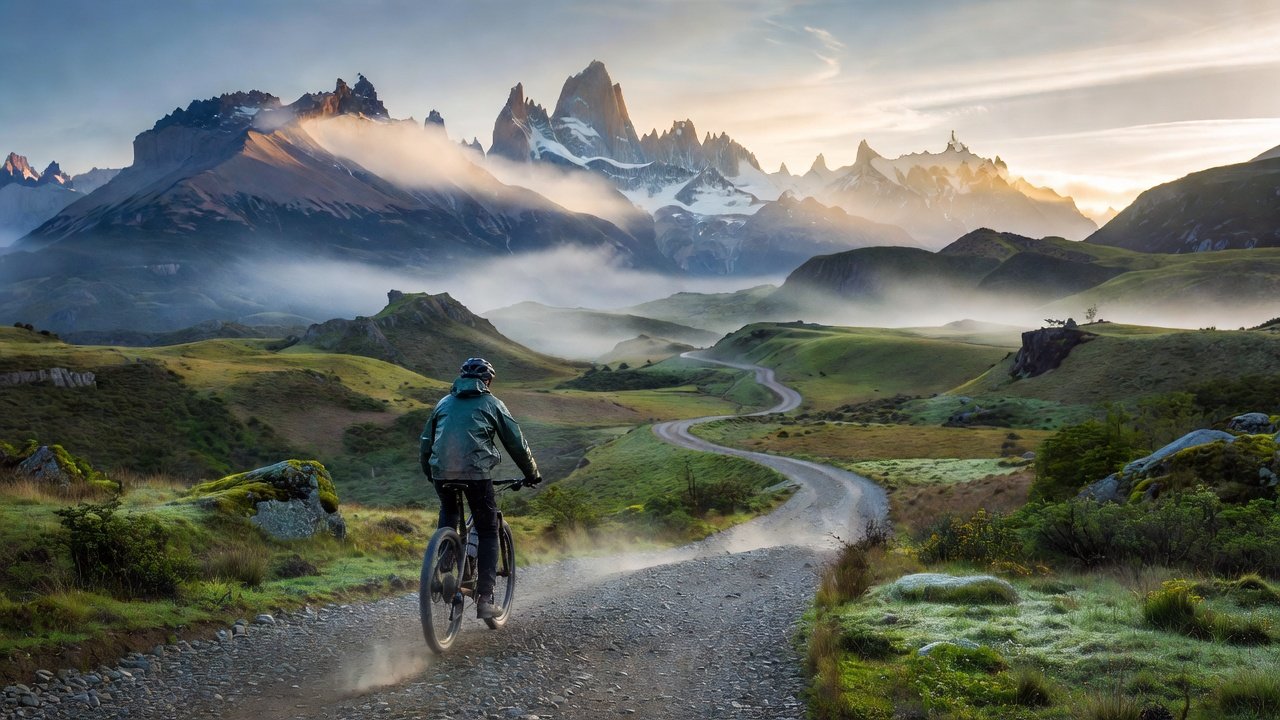
Gravel-focused routes through dramatic landscapes offer moderate to challenging terrain with stunning views of glaciers and fjords that few cyclists experience. Best season is November to March when weather stabilizes for multi-day tours. Local shops in Puerto Natales provide quality rentals suitable for rough surfaces. Pack layered clothing, a reliable repair kit, and navigation tools to handle variable conditions. These paths remain secret due to limited promotion compared to more famous Andean routes.
2. Hokkaido's Rural Trails, Japan
Paved and gravel mixes through volcanic areas suit intermediate riders seeking peaceful farmland vistas and onsen stops. Visit May to September for optimal weather and blooming landscapes. Rentals available in Sapporo allow easy access to remote trails. Essentials include rain gear, power banks for devices, and respect for local farming communities. This region stays underrated because international cyclists often overlook Japan's northern island in favor of urban centers.
3. Transylvanian Countryside, Romania
Quiet paved roads and forest gravel paths are beginner to intermediate, passing medieval castles and dense woodlands rarely visited by large groups. Peak season June to September offers mild temperatures. Rentals in Brasov include maps highlighting low-traffic options. Bring bear spray, local phrasebooks, and eco-friendly supplies. The area's hidden appeal lies in its blend of history and nature untouched by mass tourism.
4. Tasmania's West Coast, Australia
Gravel trails in temperate rainforests challenge experienced cyclists with dense foliage and wildlife sightings along isolated tracks. Best October to April. Hobart offers rentals tailored for adventure setups. Pack waterproofs, multi-tools, and insect protection. These routes feel secret as they diverge from the more popular east coast circuits promoted in guidebooks.
5. Azores Island Paths, Portugal
Mixed paved and gravel coastal routes are moderate, featuring volcanic craters and ocean cliffs with minimal vehicle interference. Ideal April to October. Ponta Delgada has bike shops stocking appropriate models. Include windproof layers and hydration systems. Limited marketing keeps these Atlantic islands off most cyclists' radars despite their beauty.
6. Yunnan Rice Terraces, China
Steep paved climbs and gravel descents for advanced riders wind through ethnic minority villages and agricultural wonders. March to May and September to November provide clear skies. Rentals in Kunming support extended explorations. Essentials include altitude medication, cultural etiquette guides, and reusable items. The terraces remain a hidden gem due to focus on other Chinese tourist hubs.
7. Newfoundland Coastal Routes, Canada
Low-traffic paved roads with some gravel spurs suit all levels amid rugged shorelines and historic fishing villages. July to September is prime for milder conditions. St. John's rentals available include local trail recommendations. Pack fog-resistant gear and binoculars for marine life. Secrecy comes from emphasis on ferry-accessible but less publicized eastern Canadian paths.
8. Julian Alps Backroads, Slovenia
Gravel and paved alpine paths for intermediates traverse crystal lakes and traditional hamlets away from ski crowds. May to October. Rentals in Ljubljana feature sustainable brands. Bring helmet lights and prioritize local produce purchases. These European gems stay underrated as attention goes to neighboring Alpine nations.
9. South Island Hidden Passes, New Zealand
Remote gravel and paved routes challenge experts through fjords and sheep stations with breathtaking isolation. December to March. Queenstown options for rentals emphasize durable equipment. Pack insect repellent, reusable water bottles, and leave-no-trace principles. Backcountry focus makes them secret compared to Milford Sound highlights.
10. Iceland's Highland Tracks
Gravel-only volcanic terrain for advanced cyclists crosses geothermal zones and glacial rivers in truly remote settings. June to August only due to harsh winters. Reykjavik rentals prepare bikes for extreme surfaces. Essentials include thermal layers, GPS units, and environmental awareness. Limited accessibility preserves their status as exclusive discoveries.
Paved Versus Gravel: Choosing Your Path
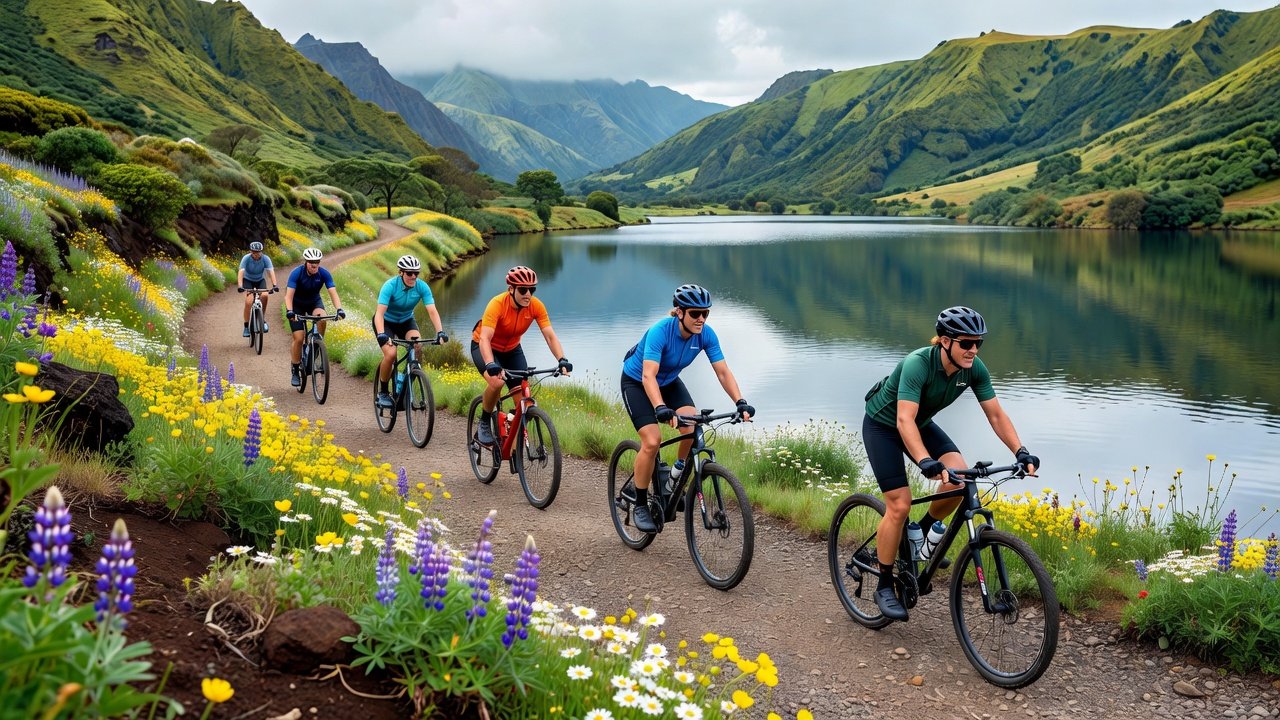
Paved routes provide smoother, faster travel ideal for beginners and long-distance efficiency, reducing fatigue on extended tours while allowing focus on scenery and cultural stops. They often connect small towns with reliable services and lower physical demands. Gravel paths deliver immersive off-road adventures with better access to wild areas and fewer people but demand stronger bikes, higher skill levels, and more preparation for punctures or uneven surfaces. Many 2026 cyclists opt for hybrid setups or gravel-specific tires to switch seamlessly between surfaces for varied experiences across a single trip. Consider your bike's capabilities and personal endurance when selecting, as gravel can enhance fitness while paved supports relaxed pacing.
Avoiding Crowds and Supporting Local Economies
Travel mid-week or during shoulder seasons to dodge peak visitors and enjoy quieter trails with more wildlife encounters. Choose lesser-known trailheads and support family-run bike shops, guesthouses, and eateries rather than chain options. Buying local food, hiring community guides, and participating in conservation clean-ups directly boosts regional sustainability efforts and preserves these routes for years ahead. Resources like Lonely Planet offer insights into responsible travel practices that align with these goals.
Beginner-Friendly Step-by-Step Planning Guide
Planning a successful trip to these destinations requires careful preparation to ensure safety and enjoyment. Follow these expanded steps for a seamless experience:
- Assess your fitness level honestly and select destinations matching the listed difficulty ratings, starting with easier paved options if new to longer tours.
- Research visas, vaccinations, and bike shipping rules through official government sites well in advance to avoid last-minute issues.
- Book rentals in advance from reputable local providers, confirming they offer maintenance support and appropriate models for the terrain.
- Pack essentials including a helmet, lights, multi-tool, first-aid kit, eco-friendly toiletries, and extra tubes while prioritizing lightweight sustainable materials.
- Map routes using offline apps and share detailed itineraries with trusted contacts, including daily checkpoints and emergency contacts.
- Secure travel insurance that specifically covers cycling activities and remote locations for peace of mind.
- Practice gravel handling or hill climbing on local trails if your chosen route includes those elements before departure.
- Plan daily distances conservatively, factoring in rest days and weather contingencies to prevent burnout.
- Learn basic local phrases and customs to enhance interactions and show respect for host communities.
- Review environmental guidelines from organizations such as National Geographic to minimize your impact throughout the journey.
FAQ: Safety and Permits for Secret Routes
Do I need permits for these routes? Some protected areas require advance permits obtained through park authorities; always verify requirements via official tourism boards prior to arrival.
How do I stay safe on low-traffic trails? Carry satellite communication devices, ride with a partner when possible, monitor weather forecasts rigorously, and inform others of your plans daily.
Are gravel bikes necessary everywhere? Hybrid or touring bikes suffice for mixed terrain on most routes, but dedicated gravel models provide superior stability and comfort on rough surfaces.
What about wildlife encounters? Research local fauna behaviors in advance and carry appropriate deterrents or follow advice from CDC travel resources for health precautions.
Can beginners join group tours to these spots? Yes, several operators specialize in small-group sustainable tours that cater to varying experience levels while maintaining low environmental footprints.
How do I handle bike repairs remotely? Carry a comprehensive toolkit and know basic fixes; many rentals include roadside assistance contacts for remote areas.
Embrace Authentic Adventures in 2026
These hidden cycling gems offer more than scenic rides—they foster meaningful connections with nature and communities through thoughtful exploration. By choosing sustainable options, venturing off the beaten path, and following practical advice on terrain and planning, cyclists contribute to preserving these special places. Start your 2026 journey with these insights to create lasting, responsible memories that extend beyond typical vacations.
No comments yet. Be the first!