 PlaceBee
Introduction: Why Seek Out Hidden Hiking Trails in 2026
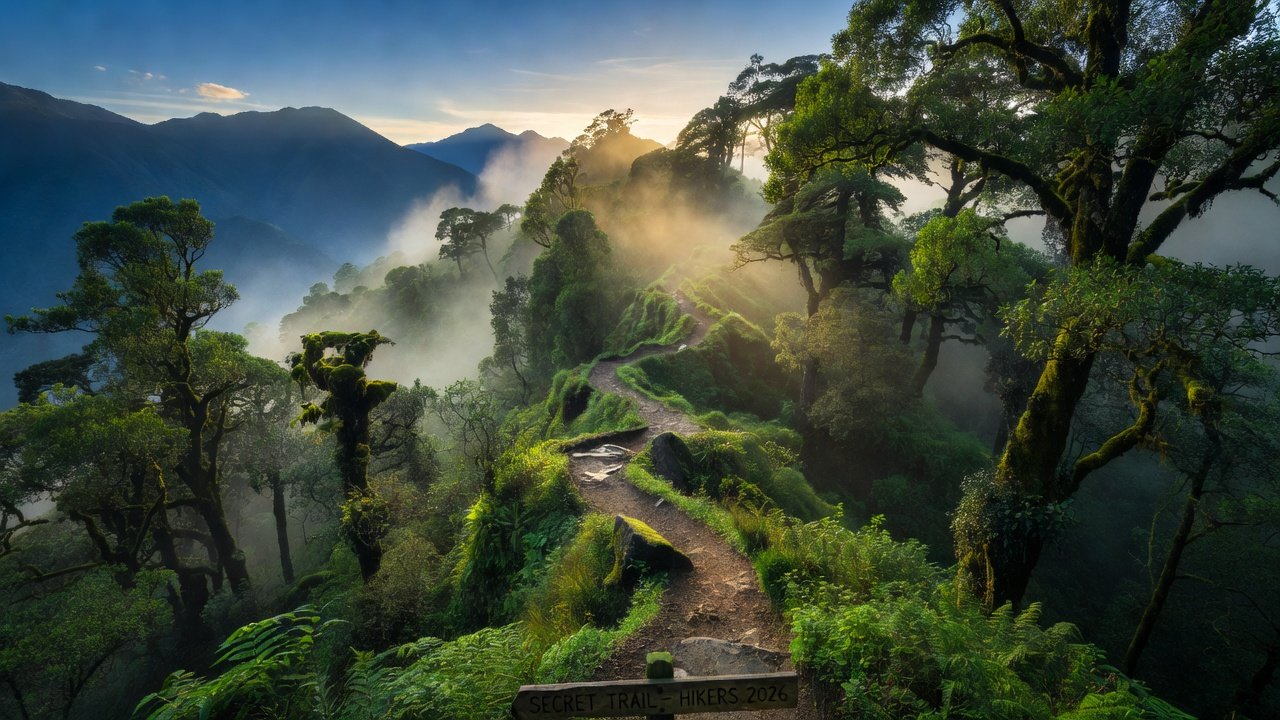
Overcrowded trails like the Inca Trail or popular sections of the Appalachian Trail often leave hikers frustrated with noise, litter, and environmental strain. In contrast, secret trail spots deliver solitude, pristine views, and meaningful connections with nature while supporting sustainable practices that protect fragile ecosystems. This comprehensive guide reveals 10 underrated global destinations ideal for 2026, complete with difficulty assessments, optimal seasonal windows, wildlife insights, detailed gear recommendations, transport strategies, and comparisons to mainstream routes. Whether you are a weekend explorer or a seasoned trekker, these paths reward careful planning and respect for the land.
The Benefits of Choosing Lesser-Known Trails
Hidden trails reduce pressure on popular sites and often feature unique geological formations or endemic species. Hikers report higher satisfaction due to peaceful immersion and opportunities for personal discovery. Resident communities frequently share oral histories about these routes, adding cultural depth absent from commercialized paths. By choosing these options, travelers contribute to local economies without overwhelming infrastructure.
Top 10 Underrated Hiking Trails Worldwide
Each trail balances challenge with reward and maintains low visitor numbers through remote access or seasonal restrictions. Details include approximate distances and standout features.
1. Torres del Paine's Lesser-Known Valleys (Chile)
Difficulty: Moderate to strenuous over 45 kilometers. Best timing: November to March for stable weather. Expect guanaco herds, glacial lakes, and granite spires away from the main W circuit. Local gauchos recommend early starts to avoid wind gusts.
2. Slovenia's Julian Alps Backcountry (Slovenia)
Difficulty: Moderate across 30 kilometers. Peak season: June to September. Quiet paths near Lake Bohinj reveal chamois and alpine flowers. Residents advise checking limestone cave systems for cooler rest stops.
3. Tasmania's Overland Track Alternatives (Australia)
Difficulty: Challenging on 65-kilometer spurs. Ideal months: December to February. Wildlife such as wombats and Tasmanian devils thrive here. Park rangers suggest side trips to hidden waterfalls for photography.
4. Iceland's Highlands Side Trails (Iceland)
Difficulty: Strenuous over 50 kilometers. Best window: July to August when rivers are crossable. Volcanic plateaus and hot springs await, with far fewer groups than the Golden Circle routes.
5. Peru's Cordillera Huayhuash Circuit Detours (Peru)
Difficulty: Advanced on 75 kilometers. Dry season: May to September. Local guides highlight remote passes offering condor flights and turquoise tarns not seen on standard itineraries.
6. Canada's Banff Backcountry Routes (Canada)
Difficulty: Moderate to strenuous spanning 40 kilometers. Summer months: July to September. Grizzly habitats demand bear spray and group travel, yet deliver dramatic lake reflections.
7. New Zealand's Fiordland Secret Passes (New Zealand)
Difficulty: Moderate to strenuous on 55 kilometers. Optimal timing: November to April. Fiord views and kea parrots reward those who detour from Milford Sound crowds.
8. South Africa's Drakensberg Escarpment Trails (South Africa)
Difficulty: Challenging across 35 kilometers. Best: March to May. Ancient San rock art and eland herds appear on ridges bypassed by most tour groups.
9. Japan's Kumano Kodo Lesser Paths (Japan)
Difficulty: Easy to moderate for 25 kilometers. Spring and autumn ideal. Ancient cedar forests and hidden shrines provide spiritual calm compared to busier temple routes.
10. Norway's Lofoten Islands Hidden Ridges (Norway)
Difficulty: Strenuous over 60 kilometers. Midnight sun season: June to August. Sheer peaks and puffin colonies create unforgettable vistas with minimal foot traffic.
Trail Difficulty Levels and Seasonal Timing Explained
Matching fitness to terrain prevents injury and maximizes enjoyment. Beginners thrive on Slovenia or Japan options with gradual elevation gains, while experts tackle Peru or Norway for technical scrambles. Seasonal timing accounts for weather, wildlife activity, and trail closures; for example, Iceland highlands remain inaccessible until snowmelt completes in July. Always consult long-range forecasts and local ranger stations one week prior.
Wildlife Encounters and Proven Safety Protocols
Encounters range from curious foxes in Iceland to majestic condors in Peru. Maintain at least 100 meters distance from large mammals and store food properly. National Park Service guidelines emphasize noise awareness and group hiking in bear country. Carry binoculars for ethical viewing and never feed animals.
Essential Gear Lists and Preparation Steps
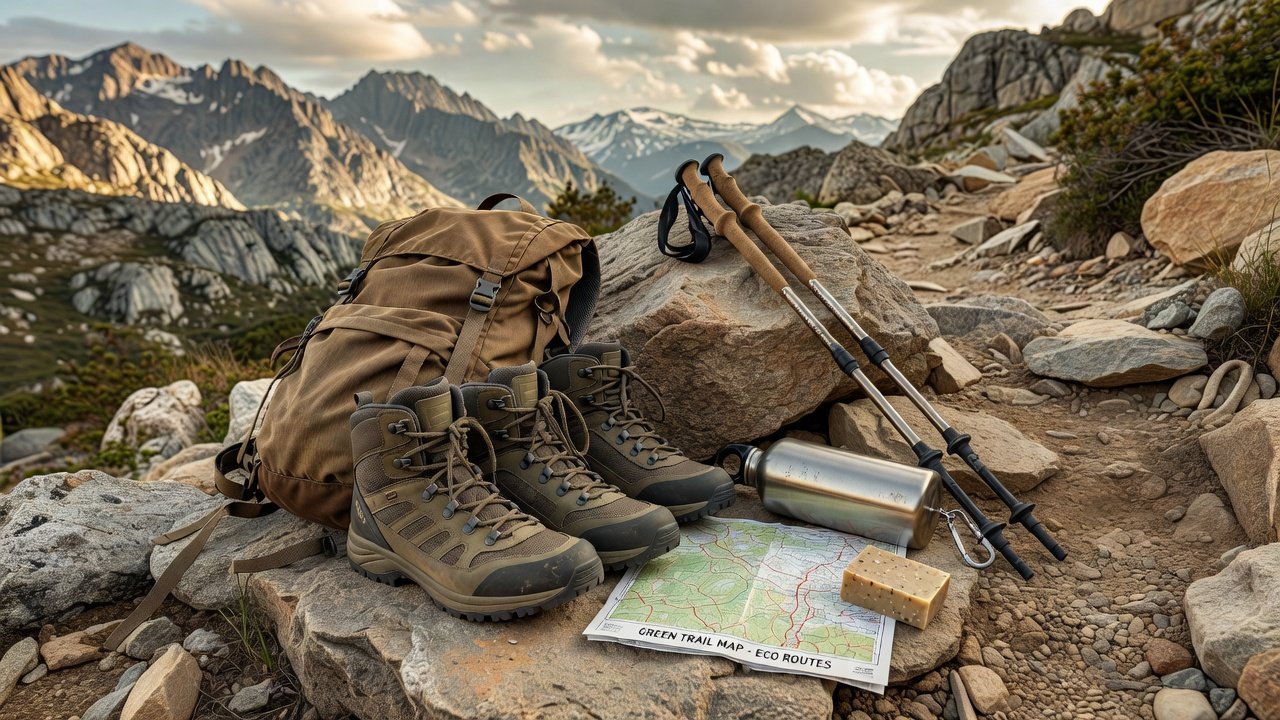
Core items include a 40-liter pack, broken-in boots, layered clothing, navigation apps with offline maps, headlamp, and multi-tool. Add a water filtration system, sun protection, and compact sleeping pad for multi-day trips. Create a checklist two weeks ahead and test everything on short local hikes.
- Navigation: Paper map plus GPS backup
- Safety: First-aid kit, whistle, and emergency blanket
- Sustainability: Reusable containers and leave-no-trace soap
- Comfort: Trekking poles and moisture-wicking base layers
Practice packing and unpacking at home to streamline trail mornings.
Transport Tips, Packing Advice, and Logistics
Reach trailheads via regional buses, shared shuttles, or arranged local rides to limit emissions. In Chile, fly into Punta Arenas then bus northward; Slovenia offers excellent train connections to trail villages. Compare these logistics to congested routes like Everest Base Camp, where permit lines and jeep traffic dominate. Pack using the cube method for organization and include repair tape for unexpected tears.
Comparisons to Overcrowded Popular Routes
Popular paths suffer from erosion, noise pollution, and limited wildlife sightings. Secret alternatives deliver equivalent scenery with 80 percent fewer visitors, fostering genuine solitude. Environmental impact studies show reduced trail degradation when hiker distribution spreads across multiple routes.
Resident Insights and Eco-Friendly Guidelines
Locals stress early departures, single-file walking on narrow sections, and complete waste removal. Sierra Club principles of leave no trace translate directly: plan ahead, travel on durable surfaces, dispose of waste properly, leave what you find, minimize campfire use, respect wildlife, and be considerate of others. Join community clean-up events when possible for deeper connection.
Conclusion
These 10 secret trail spots promise transformative 2026 adventures marked by quiet beauty and responsible exploration. Thoughtful preparation and adherence to sustainable practices ensure these hidden gems remain pristine for years ahead.
FAQ
How do I stay safe on remote trails? Share detailed itineraries with trusted contacts, carry redundant navigation, and monitor weather twice daily.
Are permits required for these trails? Several locations request advance online registration; check official park portals at least two months ahead.
How can I discover new spots year-round? Subscribe to regional hiking forums and follow ranger social channels for real-time suggestions.
What if weather turns suddenly? Build flexible itineraries with bailout points and always pack extra insulation layers.
Are these trails suitable for solo hikers? Moderate options work well solo with extra caution, while advanced routes benefit from guided groups or partners.
No comments yet. Be the first!