 PlaceBee
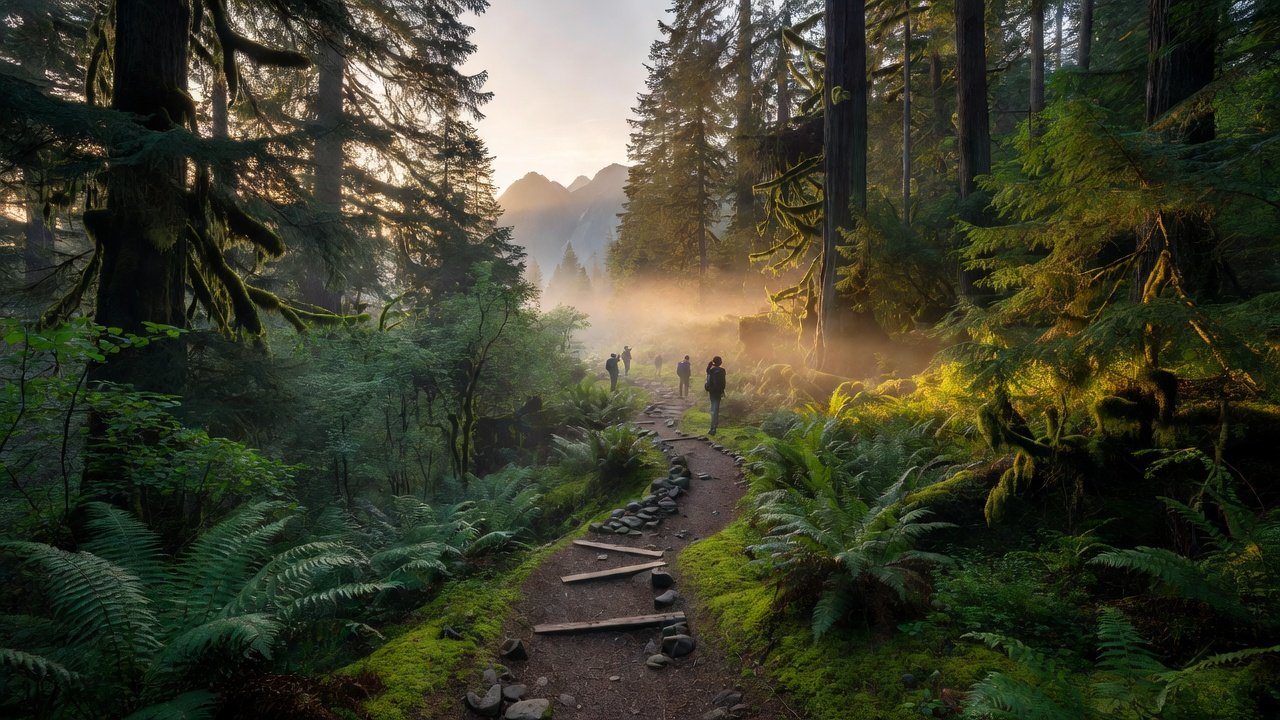
Why Explore Hidden Hiking Gems in 2026
As overtourism continues to impact iconic destinations, 2026 presents an ideal window for hikers to discover secret trails that deliver solitude, biodiversity, and sustainable adventure. These underrated paths span remote corners of the globe and cater to all skill levels while prioritizing environmental protection. Hikers benefit from reduced permit requirements and fewer encounters with large groups, allowing deeper connections with nature. Many of these routes integrate seamlessly with rail travel or overnight stays in small communities, creating opportunities for cultural immersion alongside physical challenge.
By choosing these destinations, travelers contribute to conservation efforts and support local economies without overwhelming fragile habitats. This guide outlines ten standout options with concrete details on lengths, difficulties, wildlife, and logistics to help you plan responsibly.
Ten Underrated Global Trails for Low-Crowd Adventures
1. Torres del Paine Lesser Circuits, Chile
Skip the crowded W trek for this 45-kilometer moderate loop through lesser-visited valleys. The route takes three to five days and features guanacos, Andean condors, and rare wildflowers. Intermediate hikers manage well with basic navigation skills. Local residents recommend early morning starts to spot elusive pumas along hidden ridgelines. Access improves via regional buses from Puerto Natales, and spring offers optimal conditions before peak summer winds arrive.
2. Abel Tasman Coastal Track Extensions, New Zealand
Extend beyond the main path with 38 kilometers of side trails hugging golden beaches and native forests. Seals, dolphins, and penguins appear frequently, making it excellent for wildlife enthusiasts. Beginners enjoy flat segments while advanced hikers tackle steep detours. Resident insights point to unmarked coves reachable only by careful map reading. Ferries provide easy transport links, and autumn delivers mild weather with fewer visitors.
3. Sierra de Grazalema Hidden Valleys, Spain
This 28-kilometer advanced network winds through cork oak woodlands and limestone gorges. Griffon vultures soar overhead while rare orchids bloom along trails. Steep climbs suit experienced trekkers. Locals share stories of ancient shepherd routes that bypass tourist zones. Buses from Seville reach trailheads efficiently, and winter avoids summer heat while revealing clearer mountain views.
4. Sarek National Park Remote Valleys, Sweden
Embark on a demanding 60-kilometer circuit across tundra and river crossings ideal for experts. Reindeer herds migrate visibly, alongside arctic foxes and golden eagles. Resident Sami communities advise on safe river fording techniques. Trains connect to nearby stations followed by short bus rides. Summer provides 24-hour daylight but requires insect protection.
5. Drakensberg Escarpment Side Trails, South Africa
Explore 52 kilometers of moderate paths revealing ancient San rock art and dramatic cliffs. Eland antelope and baboons frequent the area. Beginners start on gentler slopes while experts tackle high passes. Locals highlight hidden waterfalls off main routes. Minibus taxis offer affordable transport, and autumn brings stable temperatures perfect for multi-day trips.
6. Mount Rinjani Eastern Ridges, Indonesia
Traverse 35 kilometers of intermediate volcanic terrain with sweeping crater lake vistas. Orchids and long-tailed macaques enrich the experience. Eco-conscious packing is vital due to limited facilities. Residents suggest dawn departures for cooler hiking and better bird activity. Buses from Mataram reach entry points, with dry season from May to October recommended.
7. Gros Morne Tablelands Detours, Canada
Choose from 42 kilometers of varied trails ranging from easy coastal walks to rugged interior climbs. Moose, puffins, and caribou sightings are common. Beginner sections near trailheads contrast with advanced boulder fields. Local guides share knowledge of caribou migration patterns. Ferries and buses provide access, and summer offers the longest daylight hours.
8. Caucasus Mountains Lesser Passes, Georgia
Tackle 55 kilometers of challenging alpine routes crossing flower-filled meadows and remote villages. Wolves and brown bears inhabit the region, requiring proper precautions. Experienced hikers thrive here. Residents reveal shortcut trails used for centuries by shepherds. Marshrutka vans serve as primary transport, and late spring avoids both snow and summer crowds.
9. Flinders Ranges Ancient Gorges, Australia
Follow 30 kilometers of easy-to-moderate paths showcasing Aboriginal heritage sites and colorful gorges. Kangaroos and emus appear regularly at dawn. Families and beginners appreciate shorter loops. Locals point out rock pools for cooling off. Trains and coaches reach nearby towns, with spring wildflower blooms creating peak appeal.
10. Patagonia Ice Field Perimeter Paths, Argentina
Navigate 48 kilometers of expert-level terrain beside massive glaciers. Andean foxes and huemul deer reward patient observers. Strong navigation skills are essential. Resident gauchos recommend specific wind-sheltered campsites. Buses from El Calafate provide connections, and shoulder seasons reduce both crowds and fierce winds.
Transport Options and Seasonal Access Tips
Public transport keeps these adventures sustainable. European trails connect via efficient rail networks, while South American and African sites rely on regional buses and shared taxis. Always verify schedules in advance since remote areas run limited services. Seasonal windows vary: target shoulder months like April or September to balance weather, trail conditions, and minimal crowds. Check official sources such as National Park Service equivalents for global updates.
Eco-Friendly Packing Lists and Resident Insights
Build a sustainable kit with reusable water bottles, compostable bags, and quick-dry clothing made from recycled materials. Include a compact first-aid kit, headlamp, and lightweight tent. Residents across these regions emphasize carrying out all waste and avoiding single-use plastics. Practical examples include bamboo toothbrushes and solar-powered chargers that reduce environmental impact on long treks.
Navigation Apps, Safety Protocols, and Comparisons
Reliable apps include Gaia GPS for topographic maps and offline routing, plus AllTrails for community updates. Always file a trip plan with local authorities and carry a personal locator beacon. These hidden gems differ from overcrowded sites like Machu Picchu or Banff by offering quieter trails, richer wildlife density, and fewer infrastructure demands. Hikers enjoy greater solitude and authentic local interactions while treading lighter on the land. For broader conservation context, refer to UNESCO resources on protected areas.
Practical Planning Steps and Combining with Rail or Small-Town Stays
Begin planning three months ahead by cross-referencing trail conditions with weather forecasts. Book rail passes for seamless connections to trailheads and reserve small-town accommodations that practice low-impact tourism. This approach supports communities and allows rest days between hikes.
Frequently Asked Questions
How do I combine hikes with rail travel? Use scenic rail lines in Europe and Canada to reach trailheads directly, then transfer to local buses for final segments.
Are small-town stays more sustainable? Yes, they reduce carbon footprints compared to large resorts and channel revenue to local families.
Which trails suit complete beginners? Flinders Ranges and Abel Tasman extensions offer gentle entry points with clear signage.
What safety gear is essential? Satellite communicators, layered clothing, and navigation apps top the list for remote areas.
How do these trails compare in length and wildlife? Average 30-60 km with higher animal encounter rates than popular alternatives due to lower human presence.

No comments yet. Be the first!