 PlaceBee
Discovering the Joy of Slow Travel in 2026
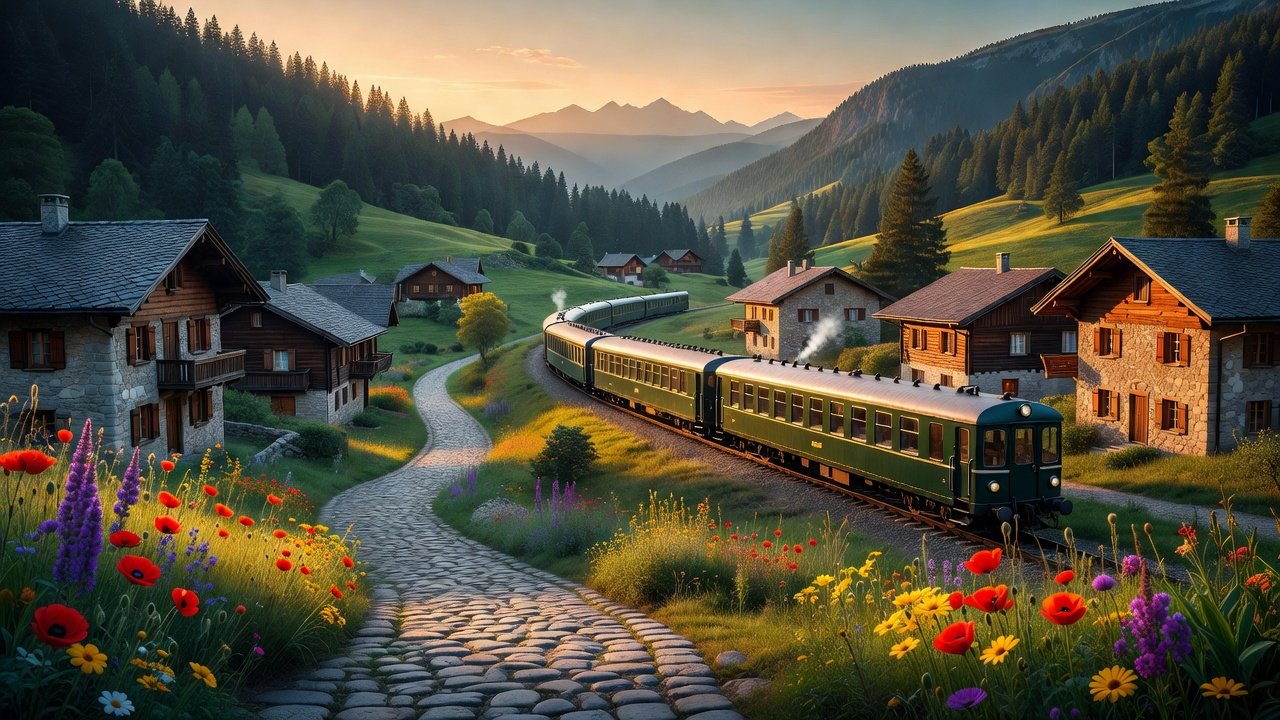
Slow travel invites you to linger rather than rush, immersing yourself in lesser-known places through sustainable modes like trains, buses and ferries. In 2026, hidden gems around the world await those seeking authentic encounters away from crowded tourist trails. This approach emphasizes quality over quantity, allowing deeper connections with local cultures and nature. Instead of racing between attractions, slow travelers settle into rhythms of small communities, sampling seasonal foods, joining local festivals, and exploring on foot or by bicycle. The result is a richer understanding of places that mass tourism often overlooks.
Why Sustainable Transport Enhances the Experience
Opting for trains, buses and ferries reduces your carbon footprint while offering scenic views that enhance the experience. These options connect small towns and nature reserves seamlessly, turning journeys into highlights rather than mere transfers. Trains glide through mountain passes and rolling countryside, buses navigate winding rural roads, and ferries provide serene crossings between islands. For inspiration on eco-friendly routes, check Lonely Planet and National Geographic. Many operators now offer flexible multi-day passes that make extended stays affordable and low-impact.
Top Secret Spots for 2026 Slow Travel
Consider the rolling hills of Slovenia's Soča Valley, where quiet villages offer hiking and river rafting without crowds. In Portugal's Alentejo region, historic towns like Mértola provide wine tastings and medieval architecture perfect for multi-day stays. Nature enthusiasts will love Japan's remote Iya Valley, accessible by bus through misty mountains. Further afield, the quiet fishing communities along Norway's lesser-known fjords reward visitors with kayaking and fresh seafood. Bulgaria's Rhodope Mountains feature ancient villages where traditional music and hiking trails create unforgettable immersion. Each destination rewards those who stay at least five days, allowing time to befriend locals and discover hidden waterfalls or family-run eateries.
Practical Planning: Building Multi-Week Itineraries
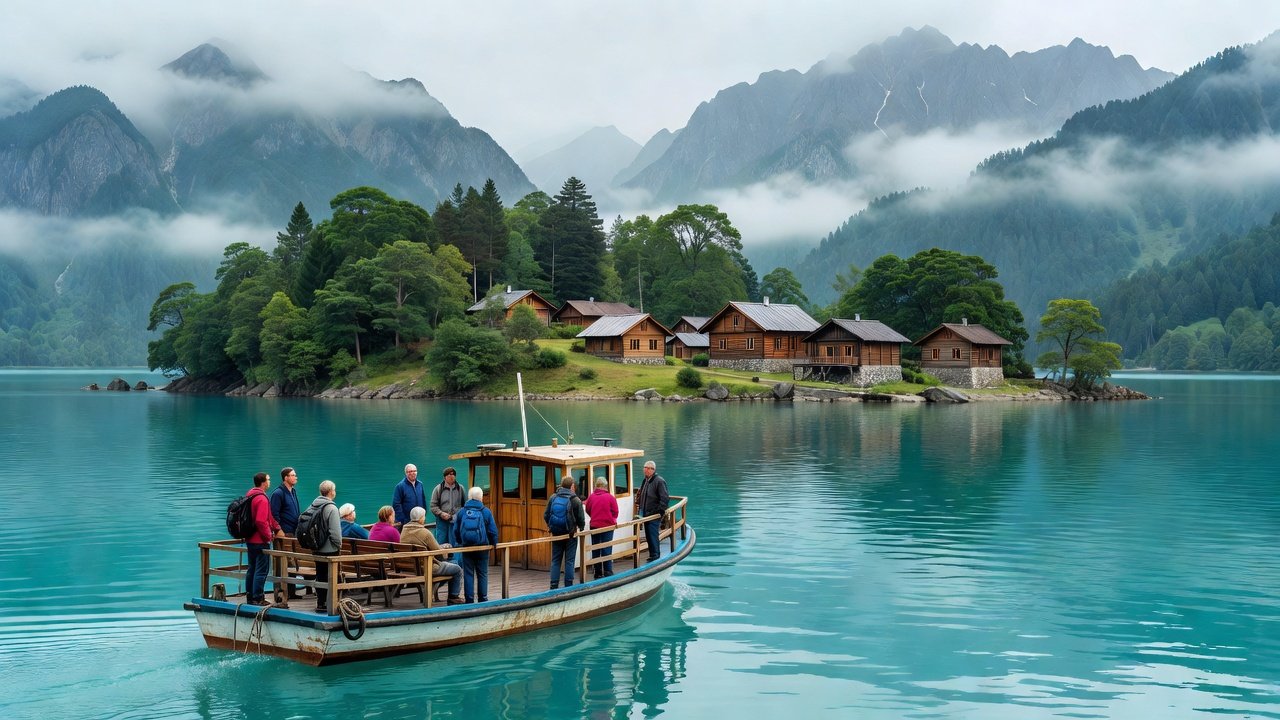
Start by selecting 2-3 regions within one country or neighboring areas. A sample 3-week European itinerary might begin in northern Italy, move by train to Slovenia, then ferry to Croatian islands. Allocate 4-5 days per location to explore at leisure. Research seasonal events and book flexible tickets in advance. Break the journey into segments: spend week one settling into a base village, week two exploring surrounding trails, and week three moving slowly onward. Factor in rest days and weather flexibility. Many travelers use digital tools to track connections and adjust plans on the go.
Local Transport Hacks for First-Timers
- Use regional rail passes for unlimited short hops within zones, saving money on frequent moves between villages.
- Download apps for real-time bus schedules in rural areas where timetables change with seasons.
- Combine ferry travel with bikes for island hopping at a relaxed pace, renting simple bicycles at ports.
- Chat with locals at stations for insider shortcuts to hidden beaches or trails that maps miss.
- Travel mid-week to avoid any minor peak periods and secure better seats on scenic routes.
- Carry small cash for informal shared rides arranged at markets when buses run infrequently.
Packing Tips for Immersive, Low-Impact Experiences
Pack light with versatile layers, sturdy walking shoes, and a reusable water bottle. Include a journal for reflections and a compact power bank. Focus on items that support slow living: comfortable clothing for long journeys, a small backpack for day trips, and a universal adapter. Add a lightweight rain jacket, quick-dry towel, and basic first-aid kit. Leave room for souvenirs found along the way rather than overpacking. Choose neutral colors that mix easily and reduce laundry needs during longer stays.
Rushed Tourism vs Slow Exploration: Real Comparisons
Rushed trips often mean ticking off landmarks in a blur, leading to fatigue and superficial memories. In contrast, slow exploration in places like Bulgaria's Rhodope Mountains allows time for village festivals and forest walks, fostering genuine cultural exchanges. Travelers report stronger connections and lower stress when embracing this pace. A rushed visitor to Portugal's Alentejo might photograph one castle and leave, while a slow traveler spends afternoons chatting with winemakers and learning traditional recipes. The difference transforms a vacation into a lasting personal story.
Budget Benefits, Reduced Crowds, and Authentic Encounters
Slow travel typically costs less by avoiding peak flights and hotels. Off-season visits to these 2026 spots mean empty trails and warm local welcomes. You'll savor regional foods and traditions instead of rushed photo stops. Staying longer in one guesthouse often brings discounted weekly rates and insider recommendations. Reduced crowds allow peaceful sunrise hikes and unhurried museum visits. Authentic encounters emerge naturally through shared meals and conversations that rushed schedules prevent.
Common Mistakes to Avoid When Starting Slow Travel
Many beginners over-schedule even when aiming for slow pace. Limit daily activities to two meaningful experiences. Another error is ignoring local customs; research basic etiquette before arrival. Underestimating rest needs leads to burnout, so build in unstructured afternoons. Finally, failing to learn a few phrases in the local language limits interactions that make slow travel rewarding.
FAQ: Common Concerns for First-Time Slow Travelers
How do I manage time without feeling rushed?
Build buffer days into itineraries and prioritize 3-4 key activities per week rather than daily checklists. Let the destination set the rhythm instead of a rigid plan.
Is slow travel accessible for those with limited mobility?
Many train and ferry routes offer accessibility features; research specific operators and choose flat terrain destinations like Dutch countryside villages or Slovenia's accessible valley paths.
What if I run out of money midway?
Focus on free nature activities and local markets; slow travel naturally stretches budgets through longer stays in affordable areas with home-cooked meals and public transport.
Can I combine slow travel with remote work?
Yes, choose destinations with reliable Wi-Fi in guesthouses and plan lighter exploration days around work blocks for a balanced experience.
Conclusion
Embracing hidden gems through slow travel in 2026 transforms journeys into meaningful adventures. With thoughtful planning via sustainable transport, you'll return home enriched by authentic experiences and lasting memories.
No comments yet. Be the first!