 PlaceBee
Why Rail Travel Unlocks Authentic Hidden Gems on a Budget in 2026
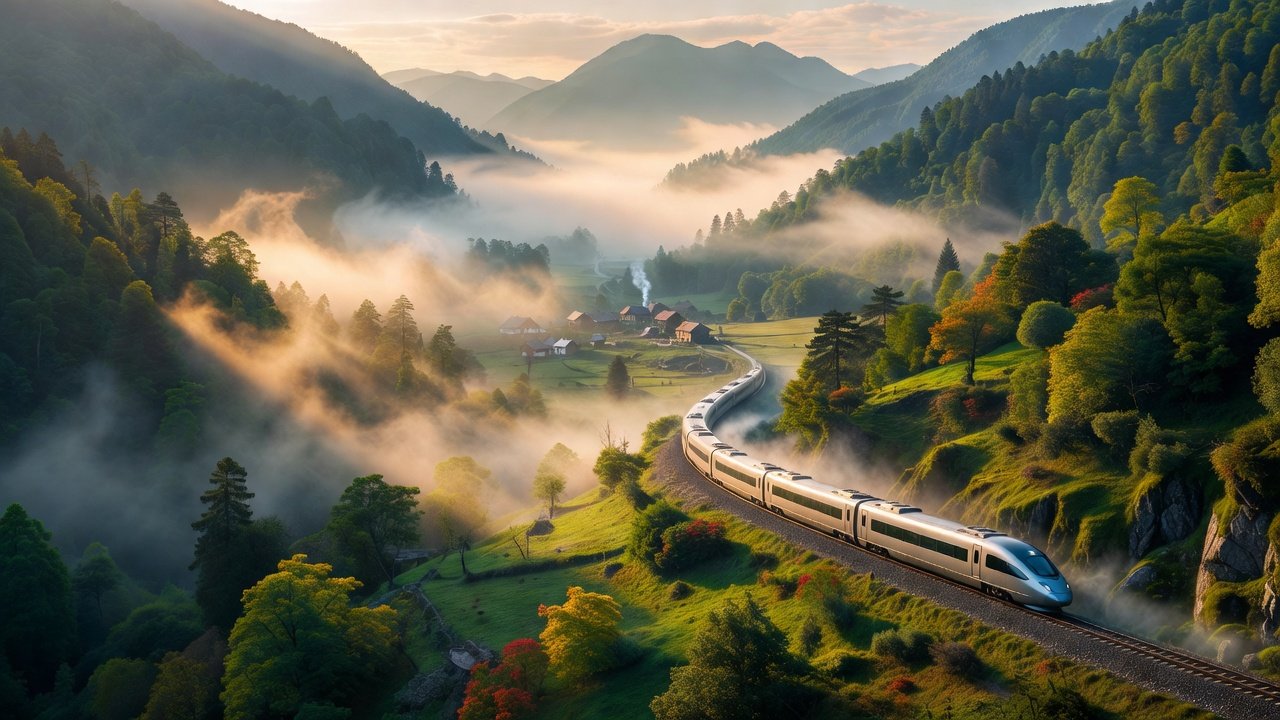
Train journeys offer one of the most sustainable and cost-effective ways to reach secret spots that mainstream tourism overlooks. In 2026, budget-conscious adventurers can leverage regional rail networks to explore underrated villages, natural wonders, and cultural enclaves without the crowds or high expenses of flights and rental cars. Rail travel encourages slower, more immersive experiences, allowing spontaneous stops at small stations where local markets and trails await. Unlike air travel, trains reduce carbon footprints significantly while providing scenic views that enhance the journey itself. Travelers report deeper connections with destinations when arriving by rail, as stations often sit at the heart of communities rather than distant airports. This approach aligns perfectly with growing interest in responsible tourism that supports local economies directly.
Exploring by rail also opens doors to seasonal experiences such as wildflower meadows in spring or harvest festivals in autumn that are missed by rushed itineraries. Many hidden gems remain accessible only because rail lines have preserved historic routes through remote landscapes.
Top 5 Scenic Budget Rail Routes to Underrated Gems
Here are five standout routes that balance affordability with access to hidden treasures. Each emphasizes free or low-cost station stops and practical planning for 2026 travelers seeking authentic encounters.
1. Amtrak's Empire Builder: Chicago to Glacier National Park Sidetracks
This cross-country route passes through the American Midwest into Montana's lesser-known rail-adjacent towns. Disembark at small stops like Havre or Shelby for free trailheads leading to quiet prairies and historic sites away from park entrance crowds. Riders can extend journeys with short local connections to ghost towns and river valleys where wildlife viewing requires no permits. The route showcases changing landscapes from urban sprawl to vast plains, making every window seat an opportunity for photography and reflection. Travelers often combine this with community events in nearby towns that celebrate Native American heritage and pioneer history.
2. Eurail Regional Lines: Paris Periphery to Loire Valley Villages
Beyond the famous chateaux, hop regional trains to tiny Loire hamlets like Montrichard for riverside walks and artisan workshops. Eurail passes make multi-stop exploration seamless, allowing flexible day trips to vineyards and medieval ruins rarely featured in standard guides. These villages offer free walking tours organized by locals and access to cycling paths along the river that reveal hidden caves and fairy-tale forests. The slower pace lets visitors savor regional cuisine at family-run eateries without tourist markups.
3. Via Rail's Ocean: Montreal to Atlantic Canada Outposts
Explore Nova Scotia's hidden coastal coves via stops near rural stations. Via Rail offers connections to authentic fishing communities and low-key hiking trails along the Cabot Trail extensions. Passengers can pause at communities like Amherst or Truro for free beach access and lighthouse visits that provide panoramic ocean views. The journey highlights maritime culture through onboard storytelling sessions and station markets selling fresh seafood and crafts.
4. UK National Rail: London Outskirts to Peak District Hamlets
Escape to Derbyshire villages via affordable day returns. National Rail timetables highlight quiet platforms perfect for pub lunches and moorland rambles. Stops such as Edale or Hope provide gateways to limestone caves and ancient stone circles without entry fees. Hikers enjoy extensive public footpaths connecting hamlets, while birdwatchers spot rare species in the surrounding dales. Evening returns allow stargazing in areas with minimal light pollution.
5. Japan's Local Lines: Tokyo Periphery to Shikoku Countryside
Regional trains reveal temple-filled valleys and onsen towns rarely listed in guides. Focus on non-reserved cars for maximum flexibility on a budget. Destinations like Oboke Gorge or Iya Valley offer free viewpoints and traditional boat rides on clear rivers. The cultural immersion includes staying in minshuku inns and participating in seasonal festivals that celebrate rural traditions passed down for generations.
Step-by-Step Planning Advice for Low-Cost Rail Adventures
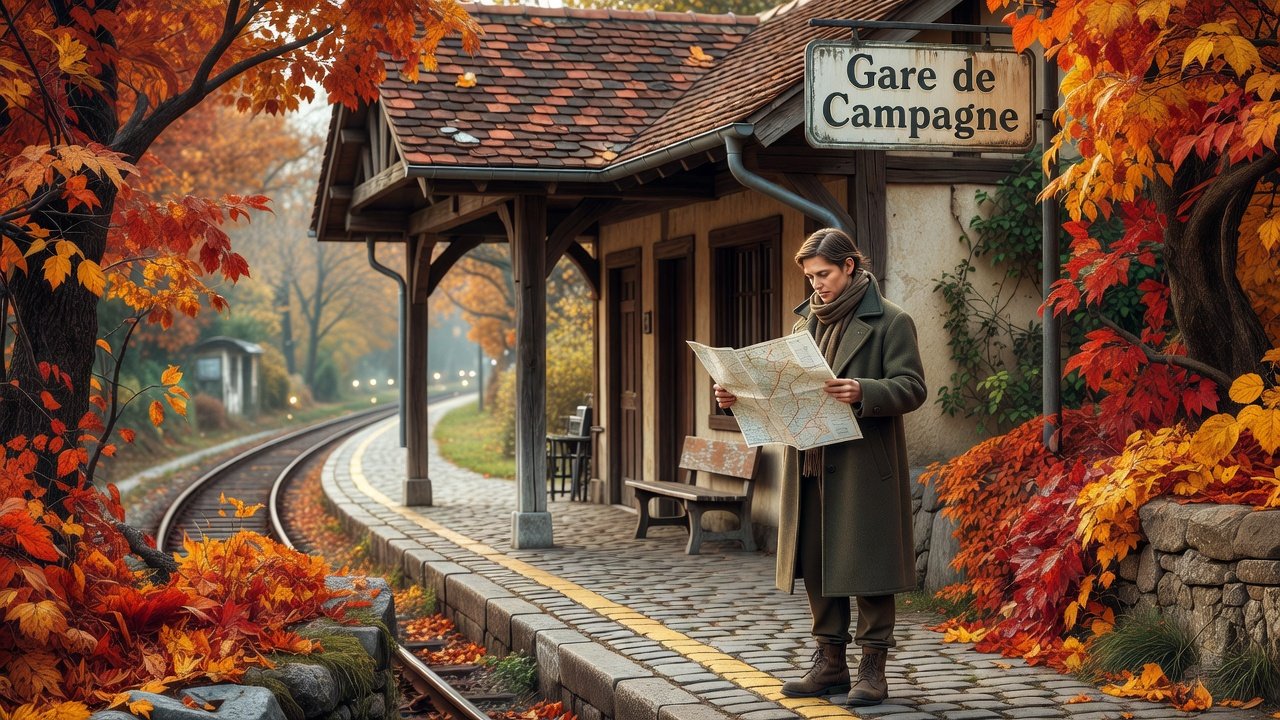
Effective planning maximizes value and minimizes stress. Begin by researching route maps from official rail operators at least three months ahead. Identify target hidden gems through local tourism sites and cross-reference with rail station lists to pinpoint exact stops. Next, compare flexible versus advance tickets, prioritizing mid-week departures for quieter carriages. Download digital timetables and translation tools to handle announcements in multiple languages. Pack essentials like reusable water bottles and comfortable walking shoes for station transfers. Finally, build buffer time into itineraries for spontaneous discoveries such as local markets or impromptu hikes near platforms.
Sustainable Transport Hacks and Free Station Stops
Opt for overnight trains to save on accommodation while crossing long distances. Many stations provide free bike rentals or detailed walking maps highlighting nearby attractions. Travelers can use station lounges for rest during layovers and participate in community clean-up initiatives that promote eco-friendly travel. Avoiding peak summer weekends entirely sidesteps crowds and preserves the tranquility of remote locations. Combining rail segments with public ferries or buses further reduces environmental impact.
Common Mistakes to Avoid
- Over-relying on major hubs instead of exploring minor stops that lead directly to gems.
- Ignoring luggage rules that can add hidden fees or delays during transfers.
- Skipping local tourism offices at stations for insider tips on current events and trail conditions.
- Failing to check seasonal service changes that affect smaller lines in winter or shoulder seasons.
- Underestimating the value of rail passes for multiple short hops across regions.
Short FAQ on Safety and Timing
Is rail travel safe in remote areas during 2026?
Yes, major networks maintain high safety standards with well-lit stations, CCTV coverage, and emergency services. Stick to daytime segments for first trips and share itineraries with contacts back home.
When is the best time to book for 2026?
Reserve 2-3 months ahead for optimal availability on popular scenic lines, especially during spring and fall when demand peaks for milder weather.
How do I handle language barriers?
Download offline translation apps and use station signage, which is often multilingual on international routes. Many conductors assist with basic queries.
What about accessibility for travelers with mobility needs?
Most modern trains and stations offer ramps and priority seating. Contact operators in advance to confirm assistance at smaller stops.
Embracing rail routes transforms travel into an affordable discovery of authentic places. With thoughtful planning, 2026 promises memorable journeys that prioritize value and genuine experiences over tourist traps, fostering connections that last far beyond the trip itself.
No comments yet. Be the first!