 PlaceBee
Discovering Hidden Gems on Scenic Rail Routes in 2026
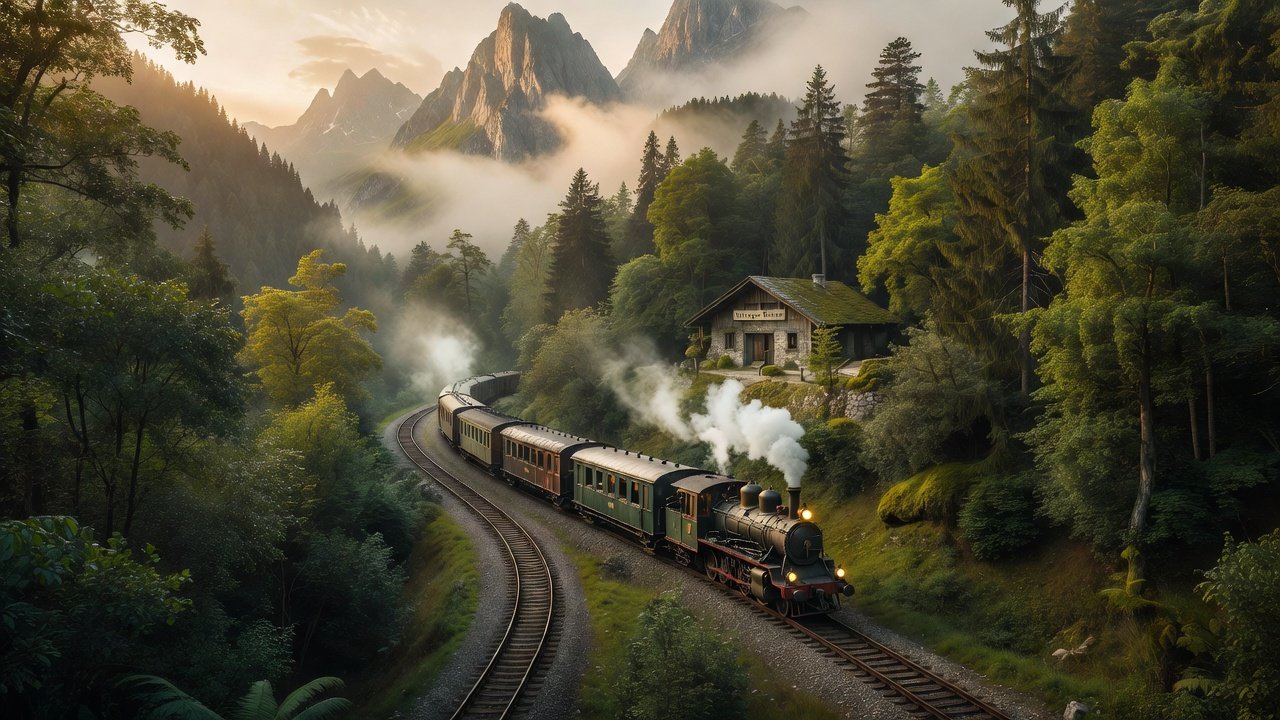
Rail travel offers an immersive way to explore the world while minimizing environmental impact. In 2026, travelers seeking low-crowd experiences are turning to lesser-known international train routes across Europe and Asia. These journeys connect secret station stops with underrated destinations perfect for sustainable discovery. Unlike crowded tourist trains, these routes wind through remote landscapes, allowing passengers to step off at tiny stations and immediately enter peaceful villages or untouched natural areas. The appeal lies in combining slow travel with authentic encounters, from hiking hidden trails to sampling local cuisine far from typical tourist paths.
Europe's Underrated Rail Journeys
The West Highland Line in Scotland features a quiet stop at Corrour, gateway to remote Highland hikes across Rannoch Moor. This station sits amid vast peatlands and offers trails leading to remote bothies where travelers can stay overnight. Nearby attractions include the hidden Loch Ossian, ideal for wildlife spotting without crowds. Transport hacks include connecting from Glasgow via regional services and using the station's basic facilities to prepare for day hikes.
In Norway, the Flåm Railway offers a lesser-visited halt at Kjosfossen waterfall. From here, visitors access fjord trails leading to quiet villages like Aurland, where traditional farms and fjord views await. The route passes dramatic gorges and snow-capped peaks, with secret stops allowing exploration of lesser-known waterfalls and mountain lakes. Pair this with local bus connections to reach isolated coastal hamlets.
Switzerland's Bernina Express includes secret stops like Alp Grüm, with panoramic views of the Palü Glacier. Nearby, the village of Poschiavo offers lakeside walks and historic churches away from main tourist circuits. Another European gem is Romania's scenic routes through the Carpathians, stopping at small stations near hidden castles such as those around Sighișoara, where medieval fortifications and rural markets provide cultural immersion. The Glacier Express adds value with a stop near Zermatt side valleys for alpine meadows and cheese-making demonstrations.
These European lines emphasize biodiversity preservation and low-impact tourism, encouraging visitors to support local economies through farm stays and guided nature walks.
Asia's Off-the-Beaten-Path Train Adventures
Japan's Sanriku Coast train line provides access to quiet fishing villages and dramatic seascapes. A stop at Miyako opens doors to lesser-known beaches, seaweed harvesting sites, and tsunami memorial parks that blend education with natural beauty. Further north, the line reaches Kuji for abalone festivals and coastal hikes. Transport hacks involve combining with local ferries for island exploration.
In India, the Kalka-Shimla Railway winds through Himalayan foothills with stops like Barog, near colonial-era retreats and pine forests. Travelers can visit the nearby Chail Palace or trek to ancient temples in surrounding villages. The route features engineering marvels like tunnels and bridges, offering photo opportunities at quiet halts.
Thailand's Northern Line offers a secret stop at Lampang, where visitors explore elephant sanctuaries, traditional temples, and horse-drawn carriage tours without Bangkok crowds. Add Vietnam's Reunification Express for stops near Hoi An side villages, revealing lantern-making workshops and river markets. These Asian routes highlight cultural immersion, sustainable community projects, and seasonal festivals that align with low-season travel.
Rail vs Air: Environmental Impact and Cost Savings
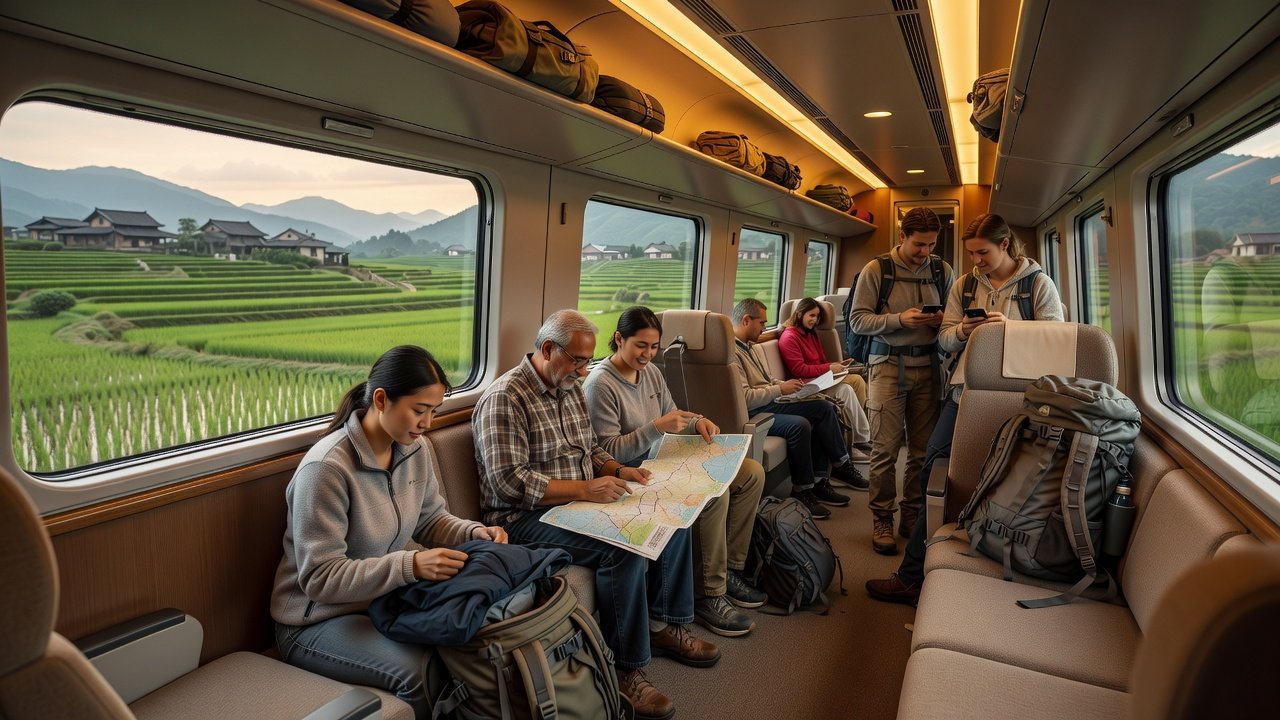
Choosing rail over air travel significantly reduces carbon emissions. According to the European Environment Agency, trains emit up to 80% less CO2 per passenger than flights on similar distances. The UNWTO highlights rail's role in sustainable tourism growth across continents. Air travel contributes heavily to climate change through high-altitude emissions, while rail uses renewable energy sources in many European and Asian networks.
Cost-wise, rail passes often provide better value for multi-stop itineraries, especially when factoring in city-center arrivals versus airport transfers and baggage fees. Seasonal promotions make 2026 rail travel particularly attractive for budget-conscious explorers seeking extended stays. Rail also avoids the hidden costs of airport security, parking, and last-minute flight changes.
Practical Booking Tips and Seasonal Advice
Book early through official operators like Eurail or national rail sites for 2026 peak seasons. Spring and autumn offer ideal conditions with blooming landscapes or harvest festivals and fewer passengers. Use apps for real-time updates on lesser-known routes and flexible ticket options that allow spontaneous stops. Consider rail passes covering multiple countries for seamless connections.
Transport Hacks
- Combine regional trains with local buses or bicycles for deeper access to hidden spots.
- Look for night trains to maximize daytime exploration time and save on accommodation.
- Check for flexible tickets allowing spontaneous stops and group discounts.
- Download offline maps and station apps for areas with limited connectivity.
Packing for Multi-Day Rail Trips: A Beginner Guide
Start with a lightweight backpack or rolling case under 10kg to navigate narrow train aisles easily. Include versatile layers for changing climates, such as merino wool base layers, a waterproof jacket, and comfortable walking shoes. Essentials like a reusable water bottle, noise-canceling headphones, power banks, travel adapters, and a compact first-aid kit ensure comfort. For longer journeys, pack non-perishable snacks, a neck pillow, eye mask, and a lightweight blanket for overnight segments. Organize items in packing cubes for quick access during stops. Avoid overpacking electronics; focus on a versatile camera and journal for documenting adventures. This approach keeps travelers agile when hopping off at secret stations for unexpected discoveries.
FAQs on Safety and Accessibility
Is rail travel safe in remote areas? Most European and Asian networks maintain high safety standards with regular patrols, emergency systems, and well-lit stations. Solo travelers report positive experiences when following basic precautions.
Are these routes accessible for wheelchair users? Many newer trains offer accessible carriages and ramps; check with operators in advance for specific stops and reserve assistance.
What about language barriers? Download translation apps and use station signage, which is often multilingual on scenic routes. Local tourism offices provide English support.
How do I handle luggage on multi-day trips? Use luggage forwarding services available at major stations or choose routes with ample storage space.
Can families travel these routes comfortably? Yes, family compartments and child discounts make scenic rail ideal for all ages.
Conclusion: Embrace Sustainable Rail Exploration
These hidden rail gems promise unforgettable 2026 adventures with minimal crowds and maximum sustainability. By choosing lesser-known stops in Europe and Asia, travelers contribute to responsible tourism while enjoying authentic experiences. Start planning your journey today to uncover the world's secret stops by train and create memories that last a lifetime.
No comments yet. Be the first!