 PlaceBee
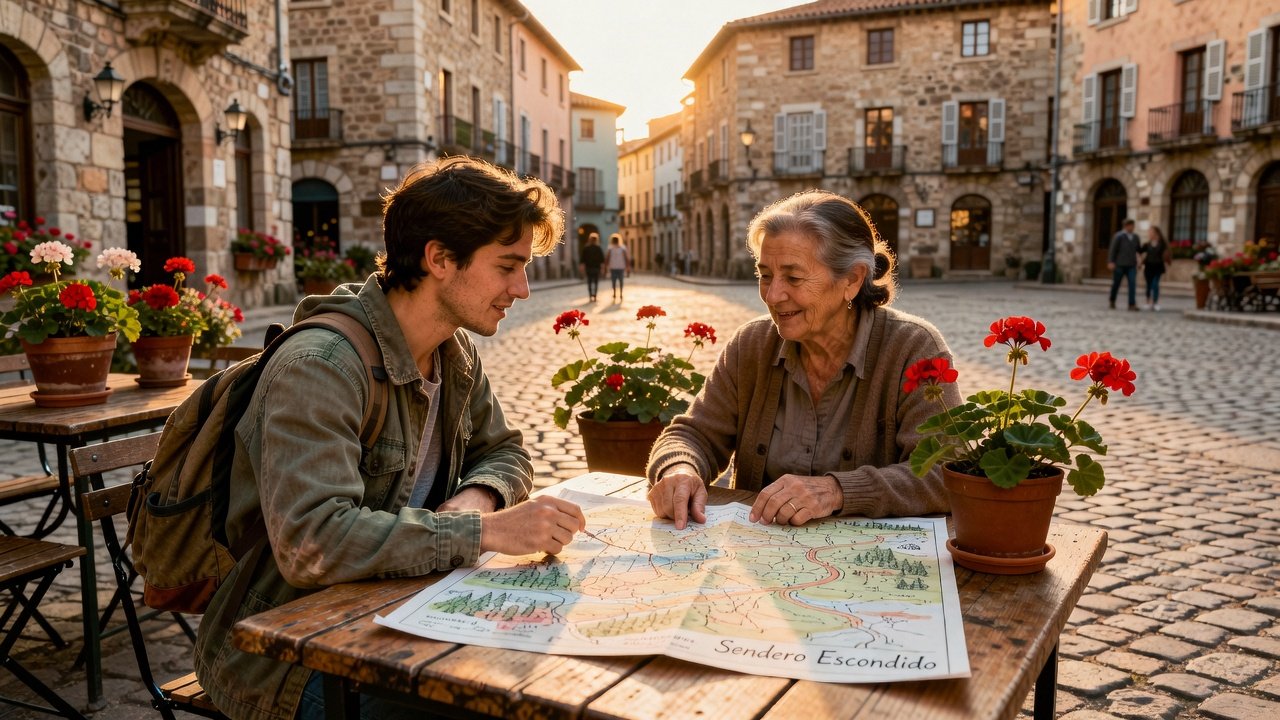
Introduction: Why Locals Hold the Key to 2026's Best Hidden Gems
In an era of overtourism, travelers in 2026 are shifting toward authentic experiences. Connecting directly with residents in small towns unlocks secret spots that guidebooks miss. This approach delivers deeper cultural immersion while supporting local economies sustainably. Many popular destinations now suffer from overcrowding, leading savvy explorers to seek out quieter alternatives where community stories guide the way. By prioritizing resident connections, you gain access to trails, eateries, viewpoints, and traditions that remain untouched by mass tourism. This method not only enriches your journey but also fosters meaningful exchanges that benefit everyone involved. Whether you're exploring quiet villages in Tuscany or remote hamlets in the Scottish Highlands, residents know trails, cafes, and viewpoints untouched by crowds. Below, we break down proven methods to build these connections, backed by real examples and actionable steps that you can apply immediately to your next trip.
Building Rapport with Residents: The Foundation of Insider Access
Start by showing genuine interest. Attend local markets or community events rather than rushing to tourist sites. A simple conversation over coffee can reveal hidden waterfalls or family-run eateries. Respect is key—listen more than you speak and offer to share stories from your own travels. In practice, this means spending an afternoon at a village festival or helping with a small task like carrying produce at a market stall. Over time, these interactions build trust. For example, in the rural areas of Slovenia, travelers who volunteered at a local harvest event were later invited to private wine cellars not listed anywhere online. Practical tip: Learn basic phrases in the local language. Even a "thank you" in the native tongue opens doors. In small towns like those in rural Portugal, this effort often leads to invitations for home-cooked meals or private garden tours. Always follow up with sincere appreciation, perhaps by sending a postcard after your visit to maintain the relationship for future travelers or your return trip.
Using Apps and Community Forums for Reliable Leads
Modern tools bridge the gap between visitors and locals. Platforms like local Facebook groups, Reddit communities, and specialized apps such as Meetup or Couchsurfing allow you to join conversations before arriving. Search for town-specific threads where residents post about seasonal events or lesser-known trails. Many users share real-time updates on weather impacts or new regulations. Verify information by cross-referencing multiple sources. For instance, a tip about a secret beach in a coastal Greek village gains credibility when several locals mention it independently. Always confirm current access rules, as conditions change with seasons or conservation efforts. Supplement these digital leads with in-person verification once on the ground. Popular apps in 2026 include specialized community boards for hiking and cultural exchanges that emphasize sustainable practices. Lonely Planet offers community forums that pair well with resident insights for planning your itinerary in detail.
Verifying Secret Spots Through Personal Stories
Never rely on a single anecdote. Ask follow-up questions: How do you get there? What's the best time to visit? Any seasonal closures? Personal stories add layers—perhaps a local recalls childhood picnics at a meadow that remains pristine today. This verification process protects both the traveler and the location itself. Cross-check details like parking availability, required permits, or wildlife warnings. In one case, a seemingly straightforward cave visit turned into a multi-hour trek after locals clarified the proper unmarked entrance. Documenting these stories privately helps you build a personal database for future adventures without exposing sensitive sites publicly.
Real-World Examples from Small Towns
Consider the village of Orta San Giulio in Italy. Locals guided a traveler to an unmarked island chapel reached by rowboat at dawn. In Japan's countryside, residents near Matsumoto revealed forest paths leading to ancient shrines rarely visited by outsiders. Another strong example comes from a small town in the Appalachian region of the United States, where a resident shared access to a family-owned orchard with heirloom fruit varieties not sold commercially. In the coastal villages of Croatia, locals directed visitors to secluded coves accessible only during low tide, complete with stories of historical shipwrecks. These examples highlight how personal connections transform standard trips into memorable adventures. Always document your experiences ethically, sharing only with permission to preserve the spots' secrecy and respect community wishes.
Tourist vs Local Perspectives: A Clear Comparison
- Tourist View: Relies on popular apps and top-rated attractions; often encounters crowds and inflated prices.
- Local View: Prioritizes seasonal, weather-dependent spots; values quiet moments and community traditions.
- Key Difference: Locals emphasize sustainability, such as avoiding peak hours to protect wildlife habitats.
- Experience Depth: Tourists may capture photos quickly, while locals encourage lingering to observe natural changes throughout the day.
- Accessibility: Locals know alternative routes that avoid steep or dangerous paths unsuitable for casual visitors.
Bridging these perspectives creates richer journeys. Tourists gain context while locals benefit from respectful visitors who contribute positively to the community.
Step-by-Step Networking Tips for 2026 Travelers
- Research town events via official tourism sites before travel and note any volunteer opportunities.
- Join virtual community groups 2-4 weeks in advance and introduce yourself thoughtfully with your travel interests.
- Arrive with small gifts like local specialties from your home region to break the ice naturally.
- Follow up with thank-you notes or social media tags if invited to share experiences, always asking permission first.
- Document encounters privately to respect privacy and avoid oversharing locations that could lead to overcrowding.
- Offer reciprocal value, such as sharing travel tips from your own country or helping with language practice.
U.S. Department of State travel resources provide safety guidelines that complement local etiquette advice for international trips.
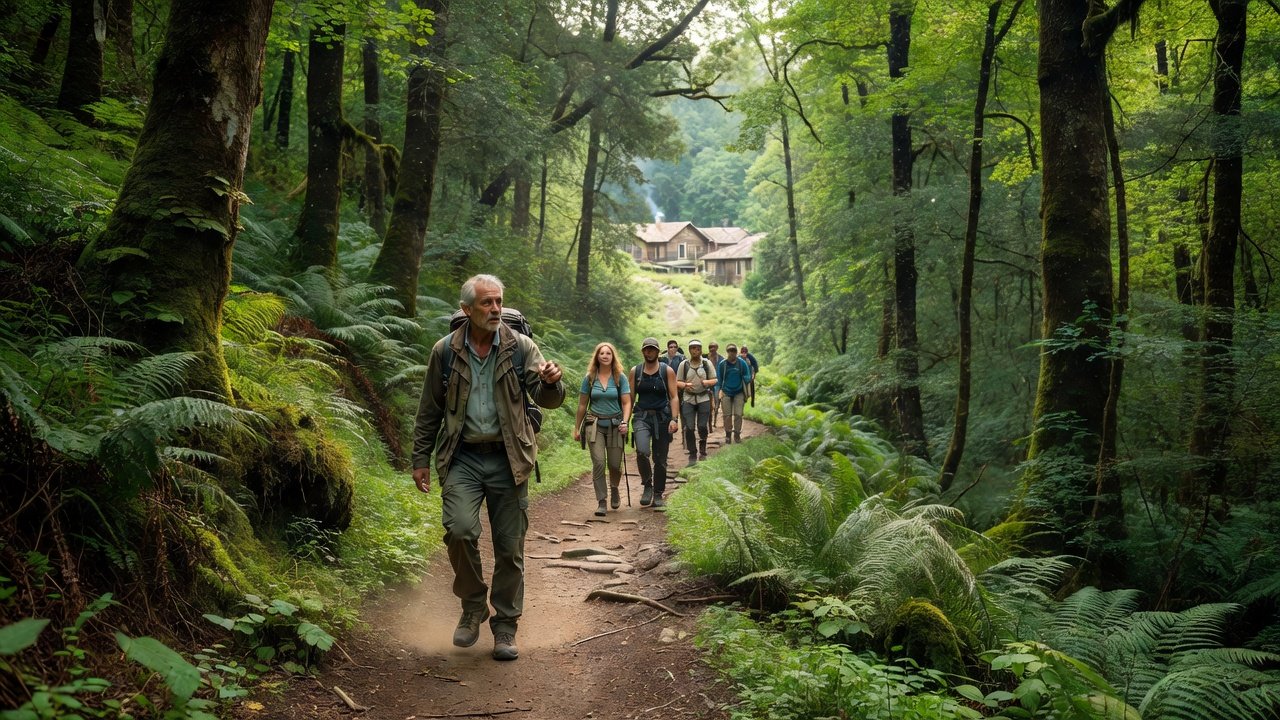
Common Mistakes to Avoid When Seeking Local Secrets
One frequent error is pushing too hard for information without first building trust, which can make residents wary. Another is sharing exact coordinates on social media, leading to rapid commercialization of once-quiet spots. Avoid assuming all locals want to share; some prefer privacy, so always read social cues. Finally, neglecting sustainability by leaving trash or ignoring local customs damages both the environment and future relationships. Learning these pitfalls in advance ensures your explorations remain positive and welcomed.
Conclusion: Embracing Authentic Discovery in 2026
By prioritizing resident connections, travelers unlock 2026's most rewarding hidden gems. This method fosters cultural exchange, supports sustainability, and creates lasting memories beyond standard itineraries. With patience and respect, anyone can transform their travels into truly personal adventures that honor the places and people they encounter.
FAQ
Is it safe to seek hidden gems with locals?
Yes, when you use common sense: meet in public first, inform someone of your plans, and trust your instincts. Many small communities are welcoming to respectful visitors, but always carry basic safety items like a charged phone and water.
What etiquette should I follow?
Always ask permission before photographing private spaces, avoid sharing exact locations publicly, and tip or contribute fairly when offered services. Respect quiet hours and local customs around photography or entry fees at private properties.
How can I ensure sustainability?
Stick to established paths, pack out all waste, and support local businesses directly. National Park Service guidelines on low-impact travel apply well to hidden natural sites worldwide and help preserve these gems for generations.
Are apps enough, or do I need in-person meetings?
Apps provide starting points, but in-person rapport yields the deepest insights. Combine both for best results and remember that digital connections often lead to stronger real-life bonds when followed up thoughtfully.
How do I handle language barriers during networking?
Use translation apps sparingly and focus on non-verbal cues like smiles and gestures. Many residents appreciate the effort to communicate, even imperfectly, which often leads to humorous and memorable exchanges that strengthen connections.

No comments yet. Be the first!