 PlaceBee

Introduction to Underrated Birdwatching Destinations
Birdwatching enthusiasts often seek escape from crowded hotspots like the Galápagos or Costa Rica's Monteverde. In 2026, hidden gems offer unparalleled opportunities to observe rare species in pristine environments. These off-the-beaten-path locations emphasize sustainable tourism and minimize human impact, providing authentic encounters with avian life. Travelers looking for quieter experiences will find that these secret spots not only deliver exceptional sightings but also support local conservation efforts through responsible visitation. Whether you are an experienced spotter or advancing your hobby, understanding the nuances of each destination helps maximize enjoyment while protecting fragile ecosystems. This guide explores 10 secret spots across continents, comparing remote wilderness areas with more accessible alternatives. You'll find practical advice on best viewing seasons, ethical birding practices, packing essentials, and guided options while prioritizing conservation. By choosing lesser-known sites, birders contribute to dispersing tourism pressure and fostering biodiversity awareness globally.
Top 10 Hidden Birdwatching Gems for 2026
1. Altai Mountains, Mongolia
Remote steppes host snow leopards' prey and species like the Altai snowcock and black grouse. Best viewing occurs from May to September 2026 when migratory patterns peak. Access via guided overland tours from Ulaanbaatar allows for multi-day treks into untouched valleys where birds remain undisturbed by mass tourism. This destination suits those seeking solitude and dramatic landscapes.
2. Bialowieza Forest, Poland
Europe's last primeval forest shelters white storks, hazel grouse, and woodpeckers in ancient oak stands. Peak season runs April to June, coinciding with breeding displays. Combine with accessible trails near the Belarus border for day trips or extended stays that reveal the forest's layered ecosystem without the crowds of more popular European reserves.
3. Socotra Island, Yemen
Endemic species including the Socotra sunbird, cuckoo-shrike, and various seabirds thrive in this isolated archipelago. Optimal months span November to March 2026 for mild weather and active nesting. Permits are required; flights depart from Abu Dhabi, offering a truly unique desert-island birding adventure.
4. Central Kalahari, Botswana
Secret waterholes attract kori bustards, secretary birds, and sandgrouse during the dry season from June to October. Remote 4x4 access is recommended over popular Okavango Delta routes to avoid congestion while still encountering large flocks at hidden pans. Local guides share knowledge of seasonal movements that enhance sighting success.
5. Fiordland, New Zealand
Fiordland crested penguins nest in lesser-visited coves alongside kea and takahe in alpine zones. The viewing window extends November to February 2026. Compare with accessible Milford Sound tours for varied experiences, choosing quieter fiords to witness natural behaviors in peace.
6. Simien Mountains, Ethiopia
Endemic Ethiopian bushcrows, wattled ibises, and thick-billed ravens inhabit dramatic highlands. Best months are October to April for clear visibility during breeding. Trekking permits enhance remote access, allowing spotters to explore high plateaus where birds adapt to rugged terrain.
7. Wrangel Island, Russia
Polar bears share terrain with snow geese, eiders, and ptarmigan in the Arctic tundra. Summer months July to September 2026 provide optimal conditions. Expedition cruises ensure ethical viewing from afar, preserving the island's status as a critical breeding sanctuary.
8. Yasuni National Park Periphery, Ecuador
Harpy eagles, colorful tanagers, and antbirds flourish in Amazon fringes. Year-round opportunities peak during drier months June to November. Community-led tours support conservation by involving indigenous knowledge and limiting group sizes for minimal disturbance.
9. Kangaroo Island Outskirts, Australia
Glossy black cockatoos, hooded plovers, and southern emu-wrens inhabit secluded bushland. Spring September to November 2026 brings active courtship. Avoid main tourist routes for quieter spots that reveal the island's rich endemic diversity away from developed trails.
10. Svalbard Archipelago, Norway
Arctic terns, ivory gulls, and little auks thrive amid dramatic fjords. Midnight sun season June to August allows extended observation. Remote boat charters versus accessible Longyearbyen bases offer flexibility for different comfort levels while maintaining strict environmental protocols.
Remote vs Accessible Locations: A Comparison
Remote sites like Wrangel Island deliver exclusive sightings but demand physical endurance and higher logistics planning. Accessible alternatives such as Bialowieza's marked paths suit beginners while still offering quality birding with fewer barriers. Choose based on fitness, time, and commitment to low-impact travel. Remote areas often yield higher species diversity per visit due to reduced human presence, whereas accessible locations provide easier repeat visits and educational infrastructure. Balancing both types creates well-rounded birding itineraries that cater to varying experience levels.
Packing Checklist for Ethical Birdwatching
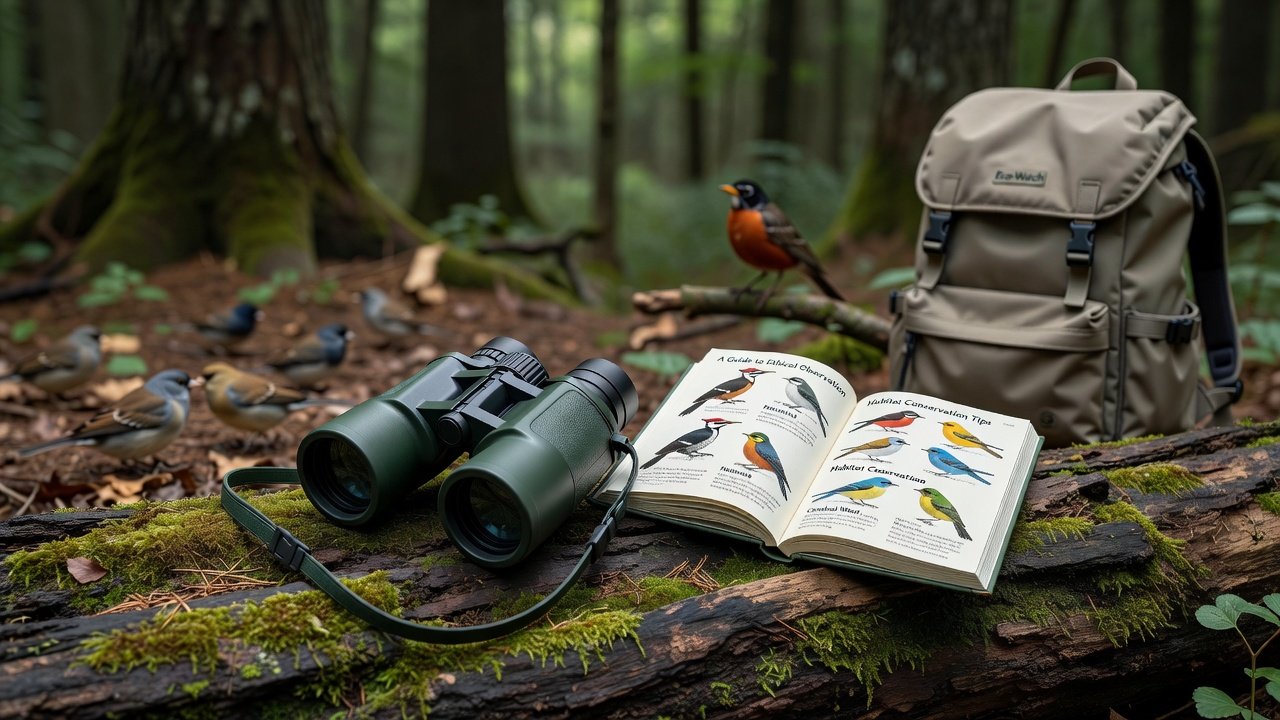
Preparation ensures comfort and safety in varied environments. Include binoculars with 8x42 magnification and a lightweight tripod for steady observation. Pack neutral-colored clothing and quick-dry layers to adapt to sudden weather changes common in remote regions. Carry a reusable water bottle, field notebook for logging sightings, portable charger, and offline maps app to navigate without relying on signal. Add insect repellent, sun protection, and a compact first-aid kit with blister prevention. These items support extended time in the field without leaving traces behind.
Ethical Guidelines to Protect Wildlife
Always maintain at least a 50-meter distance from nests and avoid playback recordings that stress birds during critical periods. Support local economies through community guides who understand seasonal sensitivities. Follow Leave No Trace principles to preserve habitats for future 2026 visitors. Real-world examples include refraining from flash photography near roosts and reporting any signs of disturbance to park authorities. Organizations such as BirdLife International provide further resources on global best practices that help maintain healthy populations across these hidden gems.
Guided Tour Options and Sustainable Practices
Reputable operators offer small-group tours emphasizing education on conservation and species identification. Opt for those certified by international birding bodies to ensure minimal disturbance. Sustainable practices include carbon-offset travel and contributions to habitat restoration projects. National Audubon Society guidelines highlight how responsible tourism can directly fund anti-poaching efforts and reforestation in key regions. This approach turns each trip into a meaningful conservation action.
FAQ on Permits and Photography
Do I need permits for these spots?
Many locations like Socotra and Wrangel require advance permits obtained via official tourism boards or tour operators. Check requirements three to six months ahead to secure necessary documentation and avoid last-minute issues.
Is photography allowed without disturbing birds?
Yes, with telephoto lenses and silent shutters. Never approach for close-ups; prioritize long-distance shots to respect natural behavior and breeding cycles.
What are common mistakes to avoid?
Overpacking heavy gear that slows movement, ignoring local customs, or using bright clothing that alerts wildlife are frequent errors. Research each site's specific rules beforehand.
How do I choose between remote and accessible options?
Assess your experience level and physical condition. Beginners benefit from accessible sites with support services, while veterans may prefer remote challenges for unique encounters.
Conclusion
Exploring these birdwatching hidden gems in 2026 promises transformative experiences when approached responsibly. By favoring lesser-known sites and ethical methods, spotters contribute to global conservation while enjoying unforgettable avian encounters. Plan thoughtfully for maximum reward and minimal impact, ensuring these sanctuaries remain vibrant for generations of future birders.
No comments yet. Be the first!