 PlaceBee
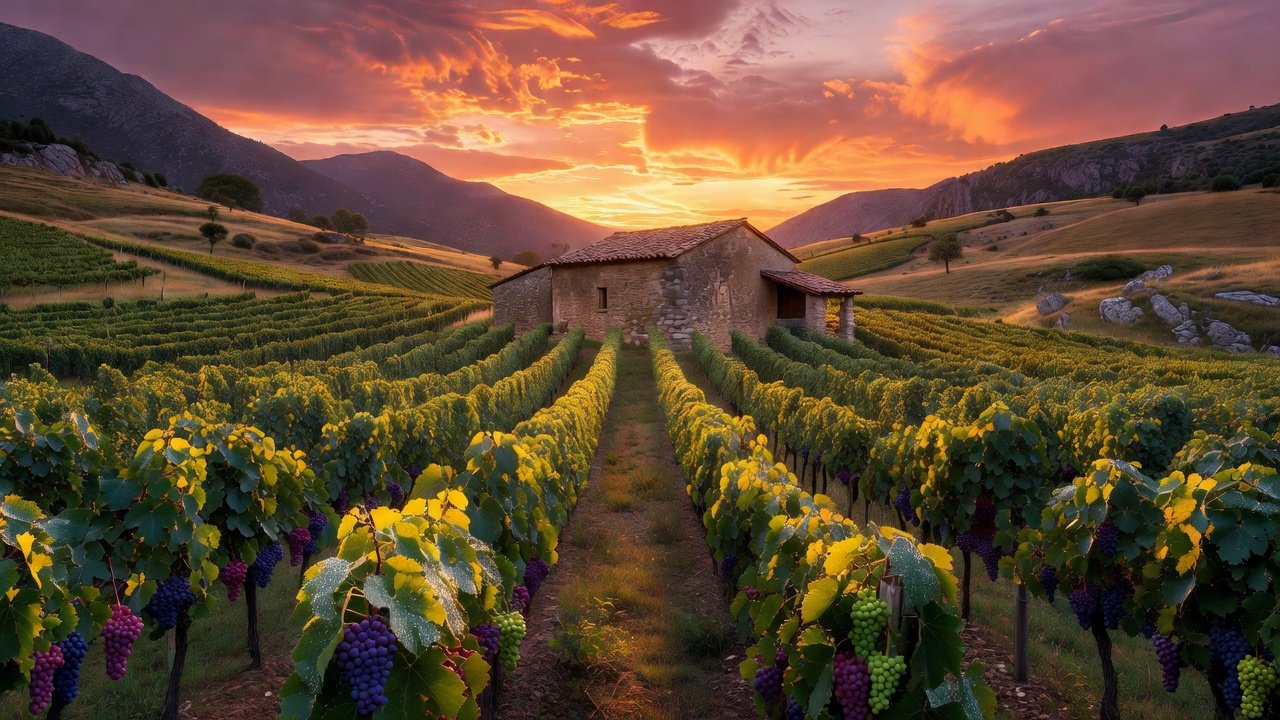
Why Hidden Vineyard Gems Matter More Than Ever in 2026
Travelers tired of packed tasting rooms and commercialized tours are turning to hidden vineyard destinations that deliver authentic immersion. These off-the-beaten-path spots emphasize lesser-known varietals, sustainable practices, and direct connections with winemakers. In contrast to overcrowded regions like Napa Valley or Chianti, these secret locations offer quieter settings where visitors can truly appreciate terroir and local traditions without competing for attention.
The 2026 trends highlight emerging grapes such as Mencía and Koshu alongside a strong push toward eco-conscious estates that prioritize biodiversity and low-intervention winemaking. Choosing these gems allows for meaningful cultural exchanges while supporting smaller producers who focus on quality over volume. This shift creates memorable getaways centered on discovery rather than checklists.
Seven Secret Global Vineyard Destinations to Explore
These carefully selected spots span continents and showcase unique tasting experiences paired with rich local culture and straightforward travel logistics.
1. Ribeira Sacra, Spain
Nestled along dramatic river canyons, ancient stone terraces produce vibrant Mencía reds that reflect the mineral-rich soils. Tastings often unfold in intimate family-run cellars where owners share stories of Roman-era viticulture while guests sample wines alongside local cheeses. The surrounding culture blends hiking ancient trails with visits to historic monasteries. Travelers typically fly into Santiago de Compostela and rent a car for the scenic two-hour drive; spring visits reveal blooming landscapes perfect for pairing with guided vineyard walks.
2. Swartland, South Africa
Rugged bush vines thrive in this wild region, yielding expressive Chenin Blanc and Syrah that capture the area's raw energy. Experiences include harvest-time lunches featuring regional ingredients and conversations with innovative winemakers experimenting with natural fermentation. Many estates operate on organic and regenerative principles, attracting those interested in sustainable agriculture. From Cape Town, a ninety-minute drive leads visitors to these estates; March aligns perfectly with harvest season for hands-on participation opportunities.
3. Nagano Prefecture, Japan
High-altitude slopes nurture the delicate Koshu grape, producing crisp whites that pair beautifully with mountain cuisine. Tastings frequently incorporate temple visits and multi-course meals highlighting seasonal produce. The local culture fuses precision winemaking with centuries-old Shinto traditions. Access is convenient via bullet train from Tokyo followed by a short transfer; shoulder seasons in spring and autumn provide comfortable temperatures and fewer visitors compared to peak summer months.
4. Okanagan Valley Side Valleys, Canada
Beyond the main highway corridors lie tucked-away producers crafting elegant Pinot Noir in sheltered microclimates. Guests enjoy intimate barrel tastings and Indigenous-inspired food pairings that reflect the area's First Nations heritage. These smaller operations emphasize water conservation and native plant restoration. A scenic drive from Vancouver takes visitors directly to the vineyards; advance reservations are essential as 2026 slots fill quickly for personalized tours.
5. Pelješac Peninsula, Croatia
Steep Dingač slopes yield powerful Plavac Mali reds overlooking the Adriatic Sea. Experiences combine wine sampling with fresh oyster tastings at nearby farms, highlighting the tight integration of land and sea in Dalmatian culture. Many estates practice traditional dry-farming methods that align with modern eco-goals. Ferries from Dubrovnik provide easy access; May and September offer ideal weather for combining vineyard visits with coastal exploration.
6. Tamar Valley, Tasmania, Australia
Hidden pockets within this cool-climate region produce sparkling wines and aromatic Rieslings from boutique estates surrounded by ancient forests. Tastings often feature chef-prepared picnics using foraged ingredients and discussions about climate-adaptive viticulture. The culture celebrates slow travel with nearby art galleries and wildlife sanctuaries. Fly into Launceston and drive thirty minutes; early autumn delivers crisp air ideal for outdoor tastings without summer crowds.
7. Lesser-Known Douro Tributaries, Portugal
Remote valleys branching from the main Douro River host terraced vineyards growing Touriga Nacional in dramatic schist landscapes. Visitors participate in foot-treading demonstrations and learn about centuries-old quintas now adopting solar power and biodiversity corridors. Local culture revolves around riverboat traditions and hearty regional cuisine. Porto serves as the gateway with a two-hour drive or boat transfer; late spring avoids both winter rains and peak tourist season.
How These Gems Compare to Overcrowded Wine Regions
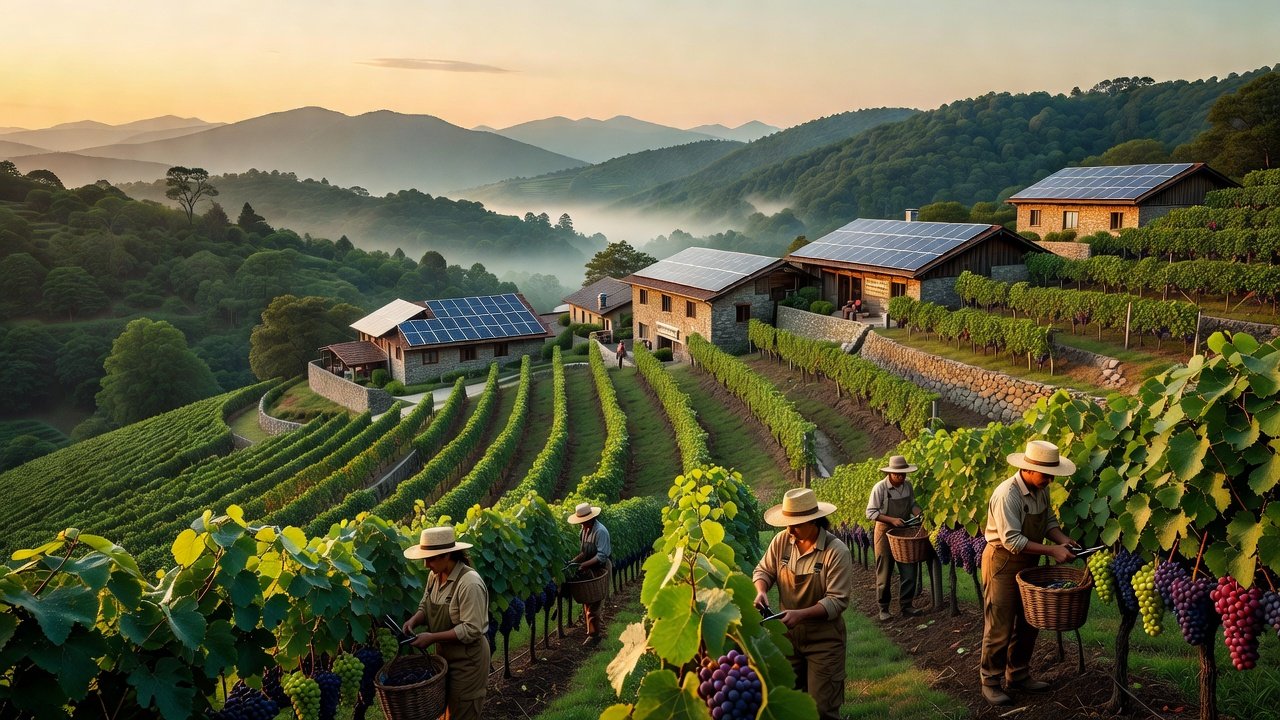
Popular destinations like Bordeaux or Sonoma often feature scheduled tours, high visitor volumes, and standardized experiences that can feel rushed. In contrast, the secret spots above allow spontaneous conversations with owners, flexible pacing, and access to experimental wines not found on mainstream shelves. The result is deeper appreciation for both the product and the place, fostering repeat visits from those seeking genuine connection.
Practical Booking Steps and Logistics for 2026 Visits
- Begin research through official regional tourism portals to identify certified sustainable producers.
- Reach out directly to estates via email or their websites at least four months in advance to secure private tastings and accommodations.
- Verify entry requirements, including any health or travel documentation, and arrange ground transportation that minimizes environmental impact.
- Consider combining multiple nearby gems into a multi-day itinerary while confirming seasonal availability for harvest or festival events.
Seasonal Timing and Emerging 2026 Trends
Shoulder seasons consistently deliver the best balance of pleasant weather, availability, and value. Watch for growing interest in lesser-known varietals such as Assyrtiko from Greece or Fetească Regală from Romania as winemakers highlight climate resilience. Eco-conscious estates continue to adopt regenerative techniques, drawing travelers who prioritize low-impact travel.
Mistakes to Avoid When Planning Hidden Wine Getaways
Common pitfalls include underestimating travel times between remote sites, failing to confirm tasting reservations during harvest windows, or overlooking local customs around wine service. Always research weather patterns specific to each micro-region and pack layers for variable conditions at elevation.
Sustainable Visits: Expanded FAQ
- How can visitors minimize environmental impact? Select estates with recognized certifications for water stewardship and habitat protection while choosing train or electric vehicle transfers.
- What transport options support responsible travel? Public ferries, regional trains, and shared shuttles reduce carbon footprints compared to private flights or large tour buses.
- How to support local communities effectively? Purchase wines directly from producers and participate in cultural workshops that fund regional preservation efforts.
Additional guidance on global viticulture sustainability appears on the International Organisation of Vine and Wine site and through UN Tourism resources focused on responsible destination development.
Conclusion
These hidden vineyard gems represent the future of meaningful wine travel in 2026. By planning with intention and embracing lesser-known destinations, enthusiasts create lasting memories while contributing to the preservation of authentic wine culture worldwide.

No comments yet. Be the first!