 PlaceBee

Introduction to AI-Powered Sustainable Travel in 2026
Travelers increasingly seek eco-conscious options, and AI destination guides have evolved to meet this demand in meaningful ways. These apps leverage machine learning to create personalized itineraries that minimize environmental impact while maximizing enjoyment across diverse destinations. From carbon footprint calculators to real-time alerts about air quality or wildlife protection zones, the leading tools help users plan responsibly across multiple destinations without sacrificing convenience or discovery.
Key features include offline access for remote areas, green route recommendations that favor public transit or cycling, and multi-destination personalization that balances budget and family needs. In 2026, sustainability has become a core expectation rather than an add-on, driven by growing awareness of climate impacts from tourism. This guide examines top contenders through side-by-side analysis, real-world examples from cities like Paris, Bali, Tokyo, and Costa Rica, and practical integration strategies for various traveler types.
Essential Features for Sustainable AI Travel Apps
When evaluating apps, focus on capabilities that support genuine eco-travel rather than superficial greenwashing. Carbon calculators estimate emissions from flights, trains, and local transport, often integrating data from sources like the UNWTO. Green route suggestions prioritize low-emission paths using real-time traffic and public transport APIs, helping users avoid high-pollution corridors.
Offline functionality proves critical for areas with poor connectivity, storing maps, itineraries, and alerts locally on the device. Real-time environmental notifications warn about extreme weather, pollution spikes, or protected zones, allowing dynamic adjustments during trips. Personalization engines adapt suggestions for families, budget travelers, or multi-city trips spanning countries, incorporating preferences like dietary restrictions or activity levels.
Carbon Footprint and Route Intelligence
Advanced models now process user preferences alongside live environmental data for precise recommendations. For instance, an app might reroute a Paris-to-Amsterdam journey from flying to high-speed rail, cutting emissions significantly while suggesting scenic stops at nature reserves along the way. These systems often cross-reference with local regulations to ensure compliance with emerging eco-zones in major cities.
Offline Access and Real-Time Alerts
Travelers venturing into rural or developing regions benefit from robust offline modes that preload essential data. Alerts cover everything from seasonal wildlife migrations to temporary closures due to environmental events, enhancing safety and responsibility simultaneously.
Top Apps Compared: Expert Reviews and Benchmarks
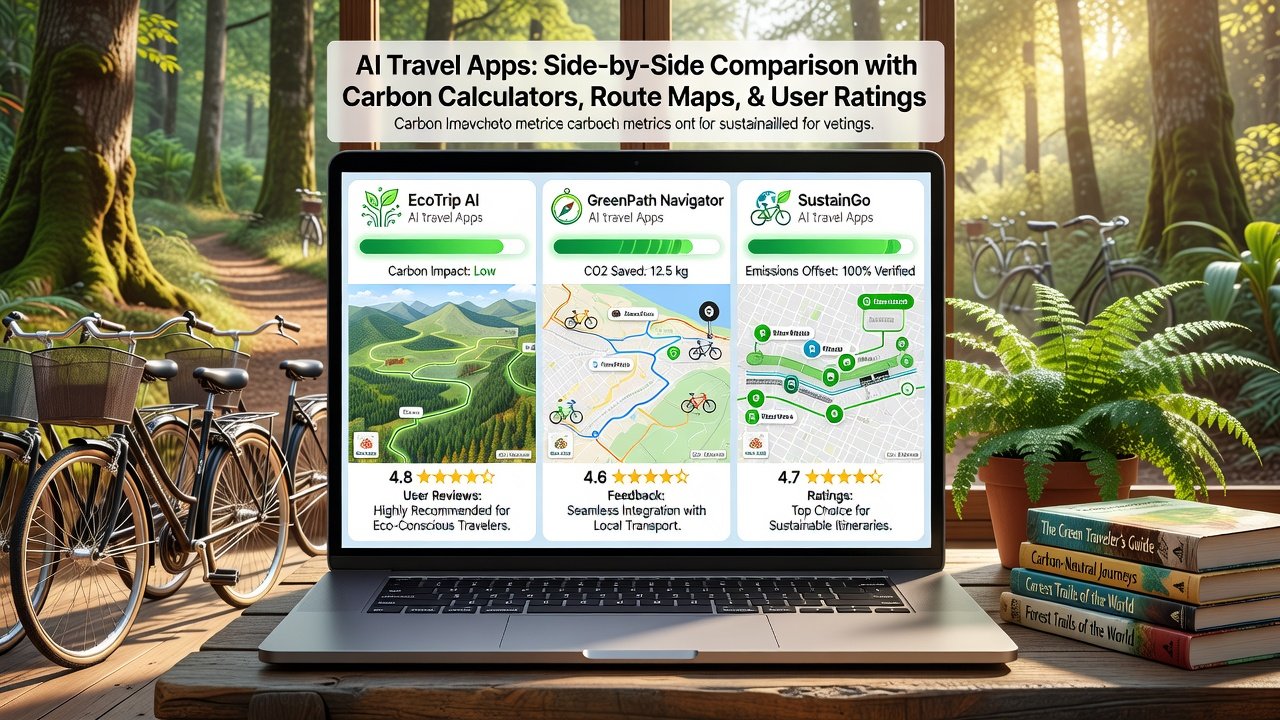
Leading options in 2026 include EcoVoyage AI, SustainPath, and GreenItinerary Pro. Benchmarks test accuracy of emission estimates against verified datasets and usability through user trials across devices and trip lengths. Accuracy scores reflect how closely app predictions match actual post-trip data from independent audits, while usability evaluates interface intuitiveness and speed.
- EcoVoyage AI: Excels in carbon tracking with 94% accuracy in recent tests; strong offline maps but limited family filters. It performs well for solo adventurers focused on precise emission reductions.
- SustainPath: Best for real-time alerts and multi-destination planning; intuitive interface scores high on usability benchmarks, making it ideal for complex international itineraries.
- GreenItinerary Pro: Strong personalization for budgets and families, though slightly slower on route recalculations. It shines in scenarios involving group travel with varied interests.
Performance metrics highlight trade-offs between depth of sustainability data and speed of recommendations, with overall satisfaction ratings derived from aggregated user feedback on accessibility and impact measurement.
Practical Examples from Popular Destinations
In Paris, users leverage apps to plan Seine river walks instead of taxis, incorporating alerts for low-emission zones and suggesting nearby parks for low-impact relaxation. This approach reduces urban congestion while allowing time for cultural immersion at sustainable cafes.
Bali travelers receive suggestions for community-based eco-lodges and electric scooter routes that avoid sensitive coral areas, complete with carbon offset options tied to local reforestation projects. The apps also flag seasonal monsoon risks to optimize timing.
Tokyo examples include subway-optimized itineraries with visits to urban green spaces that align with seasonal air quality data, helping visitors navigate efficiently while supporting the city's zero-waste initiatives. In Costa Rica, the tools recommend biodiversity tours via electric vehicles and highlight protected reserves, integrating family-friendly activities like guided hikes suitable for all ages.
Additional cases from London demonstrate how apps integrate river Thames boat options with walking tours to minimize vehicle use, providing real-time updates on congestion charges and air quality improvements.
Integrating Apps for Budget and Family Adventures
Start by inputting trip parameters including group size and spending limits to generate tailored suggestions. Cross-reference recommendations with local transit apps for seamless execution on the ground. For families, prioritize tools with child-friendly activity filters that still emphasize low-impact options like nature trails over theme parks, ensuring educational value alongside fun.
Step-by-step integration involves syncing calendars early, testing routes in simulation mode, and reviewing weekly updates for changing conditions. Common mistakes to avoid include ignoring offline downloads before departure or overlooking privacy settings that could share sensitive location data unnecessarily.
Addressing Data Privacy Concerns
Many apps now offer granular consent controls and anonymized data processing to build user trust. Review privacy policies for how location history and travel preferences are stored or shared, and opt for features that allow local-only processing where possible. Best practices include using VPNs on public networks and regularly auditing permissions to prevent unintended data leaks during extended trips.
Conclusion
Choosing the right AI destination guide depends on specific sustainability priorities and travel style. These tools empower more responsible exploration when used thoughtfully, turning every journey into an opportunity for positive environmental contribution.
FAQ
How do I choose an app based on travel style?
Match features like family filters or budget modes to your needs, testing free tiers first and reading recent user reviews for real-world performance insights.
Which app best supports multi-destination sustainability goals?
SustainPath leads for cross-border planning with integrated alerts and seamless transitions between countries and transport modes.
Are offline features reliable for remote eco-trips?
Yes, top apps cache essential maps and data effectively for areas without signal, though users should verify coverage for specific regions beforehand.
What common pitfalls should budget travelers avoid?
Overlooking hidden fees in premium features or failing to update apps regularly can lead to outdated recommendations that miss new green options.
How do these apps handle family-specific sustainability needs?
They incorporate age-appropriate activities and group transport options that reduce overall emissions while keeping everyone engaged and comfortable.

No comments yet. Be the first!