 PlaceBee
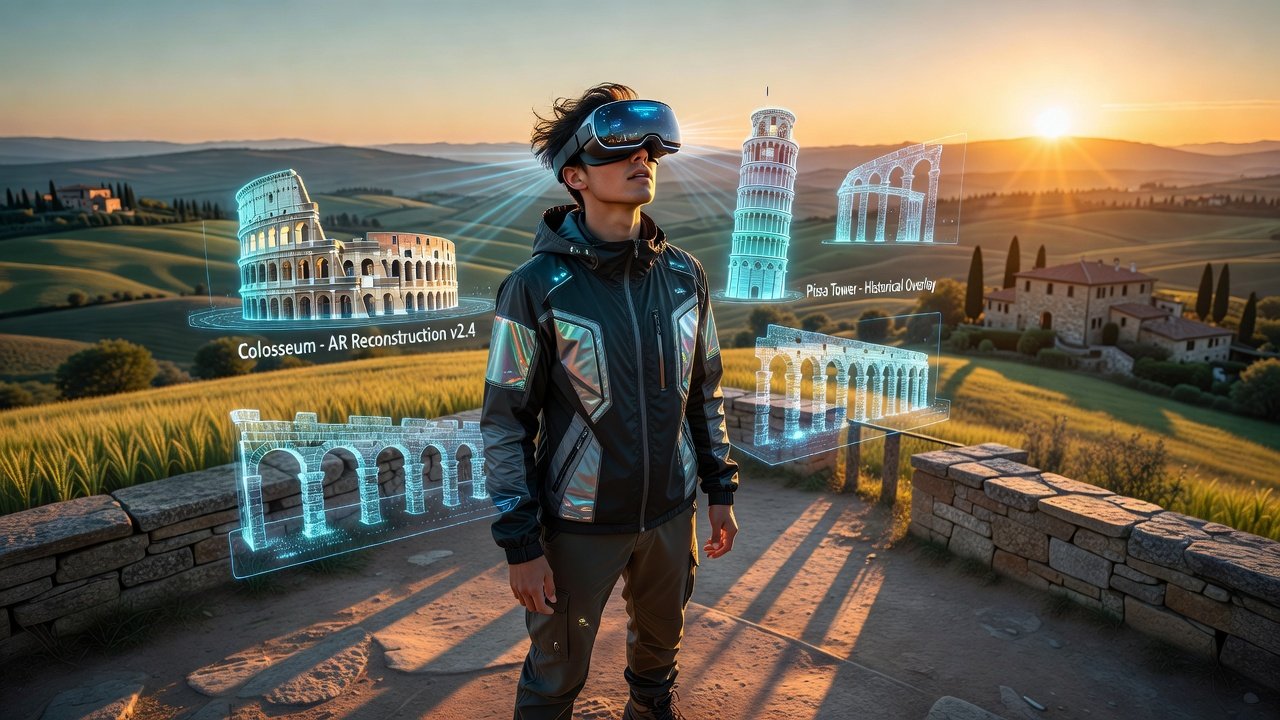
Introduction to AR Country Guides in 2026
Augmented reality is transforming how beginners explore new countries by blending digital overlays with the real world. In 2026, AR country guides provide immersive experiences that go far beyond traditional maps and guidebooks. This guide walks first-time users through practical adoption for travel planning and on-site adventures, helping you understand search intent around real-world AR use for immersive country exploration.
Whether planning a trip or navigating foreign streets, AR tools overlay navigation cues, cultural insights, and historical facts directly onto your view. Travelers gain deeper connections to destinations like Japan and Italy without needing advanced tech skills. The technology has matured to support offline functionality and multilingual support, making it accessible for global travelers seeking practical, hands-on guidance.
Understanding AR Technology in Modern Travel
AR works by using your device's camera and sensors to superimpose interactive digital elements onto the physical environment. In country guides, this means seeing translated menus appear over restaurant signs or 3D models of ancient structures rise from ruins. Beginners benefit from intuitive interfaces that require no coding knowledge, only basic familiarity with smartphone apps. The result is a more engaging way to absorb information compared to static reading.
Step-by-Step App Setup for Beginners
Getting started with an AR country guide app requires only a compatible smartphone or wearable device. Follow these detailed steps to prepare for immersive exploration and avoid common initial hurdles.
- Download a leading AR travel app from your device's official store and create a free account using your email or social login. Verify your account through the confirmation link sent to your inbox.
- Grant permissions for camera access, precise location services, and internet connectivity. These enable real-time overlays and GPS tracking essential for navigation features.
- Select your target country from the app's extensive destination library. Download offline maps and AR content packs for areas with limited connectivity to ensure functionality abroad.
- Calibrate your device indoors first by scanning a flat surface and following on-screen prompts to align the AR layer. Test outdoors in good lighting before full use.
- Customize preferences such as preferred language for translations, cultural filter categories like history or cuisine, and notification settings to match your travel style.
- Run a quick test scan of your home environment to familiarize yourself with gesture controls and overlay interactions before departure.
These steps typically take under 20 minutes and prepare you for seamless use during travel while minimizing setup frustration on arrival.
Real-Time Overlay Examples for Navigation and Culture
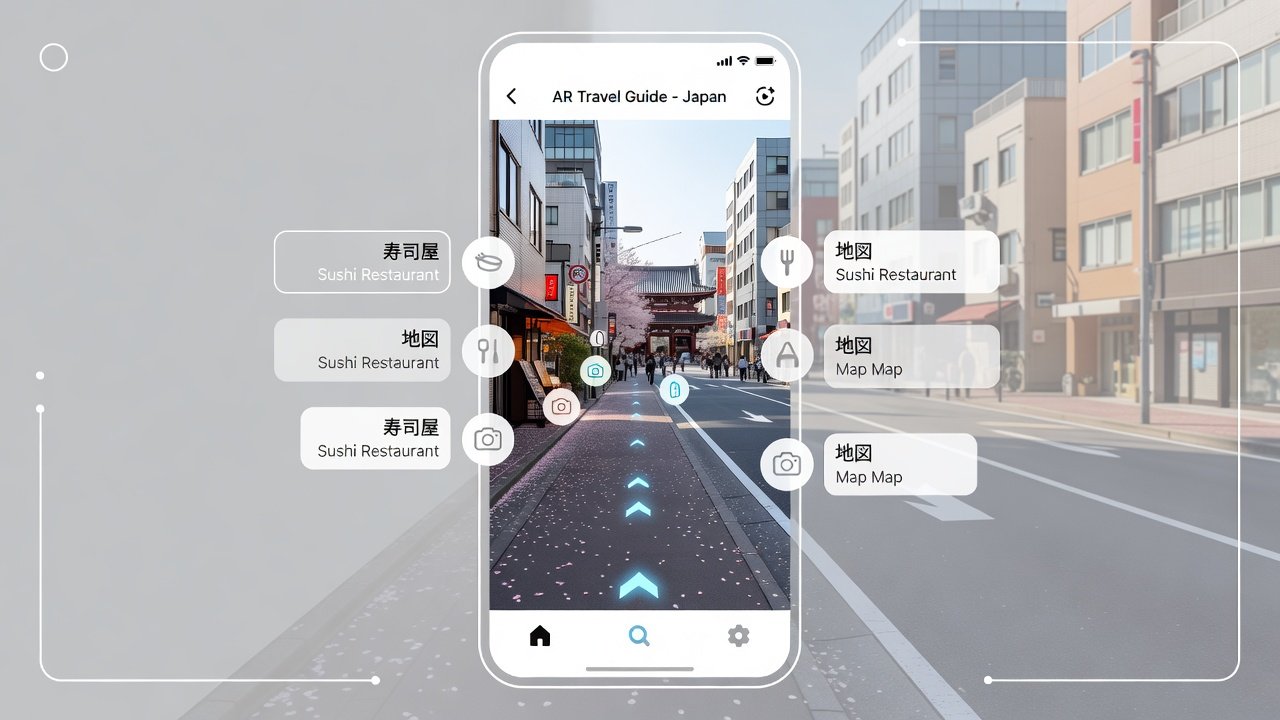
AR excels at delivering instant information through visual layers that feel natural. For navigation, apps project directional arrows on streets while highlighting nearby landmarks and estimated walking times. Cultural overlays reveal translation bubbles for signs and menus, plus historical context for buildings with one-tap deeper dives into related facts.
In practice, point your device at a Tokyo subway entrance to see route suggestions, real-time train delays, and crowd density indicators. In Rome, scan the Colosseum to view reconstructed ancient scenes alongside modern views, complete with audio narration options. Additional examples include scanning street art in urban areas for artist backgrounds or pointing at food markets to access ingredient origins and preparation tips.
Comparisons of Top AR Tools Versus Traditional Guides
Traditional paper guides offer static information but lack interactivity and real-time updates. AR tools provide dynamic updates and personalized content that adapts to your location and interests. Key differences include:
- Immersiveness: AR adds 3D models and live data feeds; traditional guides remain flat text and photos that cannot evolve with current conditions.
- Portability: One lightweight device replaces multiple heavy books while offering instant searches across thousands of entries.
- Interactivity: Users engage with simulations, voice commands, and shareable AR snapshots rather than reading passively from pages.
- Limitations: AR requires battery power and may face signal issues in remote areas, whereas printed materials need no power source.
- Cost-effectiveness: Free or low-barrier AR apps often include community updates, while premium traditional guidebooks require repeated purchases for new editions.
Many travelers combine both approaches for optimal results, using AR for discovery and books for offline reference. Authoritative sources such as UN Tourism highlight how digital tools enhance visitor experiences globally.
Mistakes to Avoid When Using AR Country Guides
Beginners often overlook simple precautions that can derail their experience. Avoid draining your battery by keeping screen brightness high unnecessarily; instead use power-saving modes during extended sessions. Do not ignore local regulations around photography in sensitive cultural sites, as AR scanning may resemble filming. Always cross-check AR suggestions with official signage, since digital data can occasionally lag behind real-world changes. Finally, test your app's offline mode thoroughly before relying on it in areas without Wi-Fi.
Packing List for AR-Enabled Devices
Prepare these essentials to maximize your AR experience abroad and handle unexpected situations:
- Smartphone or AR glasses with extended battery life and protective case to shield against drops and weather.
- Portable power bank rated for at least two full device charges to support long exploration days.
- Lightweight tripod for stable scanning during overlay sessions in windy or crowded locations.
- Screen protectors and microfiber cleaning cloths for outdoor conditions that produce dust and fingerprints.
- Backup offline AR map files stored on external storage or cloud sync for redundancy.
- Compact earbuds for private audio overlays without disturbing others in quiet cultural venues.
Case Study: Exploring Japan with AR
Japan's blend of ancient temples and futuristic cities makes it ideal for AR testing. Users report enhanced visits to Kyoto by viewing seasonal cherry blossom reconstructions and hidden garden paths revealed through overlays. Navigation through Shinjuku station becomes intuitive with overlaid signs in English and platform transfer arrows. Practical tips include downloading temple-specific AR content in advance and using the app's etiquette filters to learn respectful behaviors at shrines. This approach deepens appreciation for Japanese culture while reducing language barriers.
Case Study: Immersive Experiences in Italy
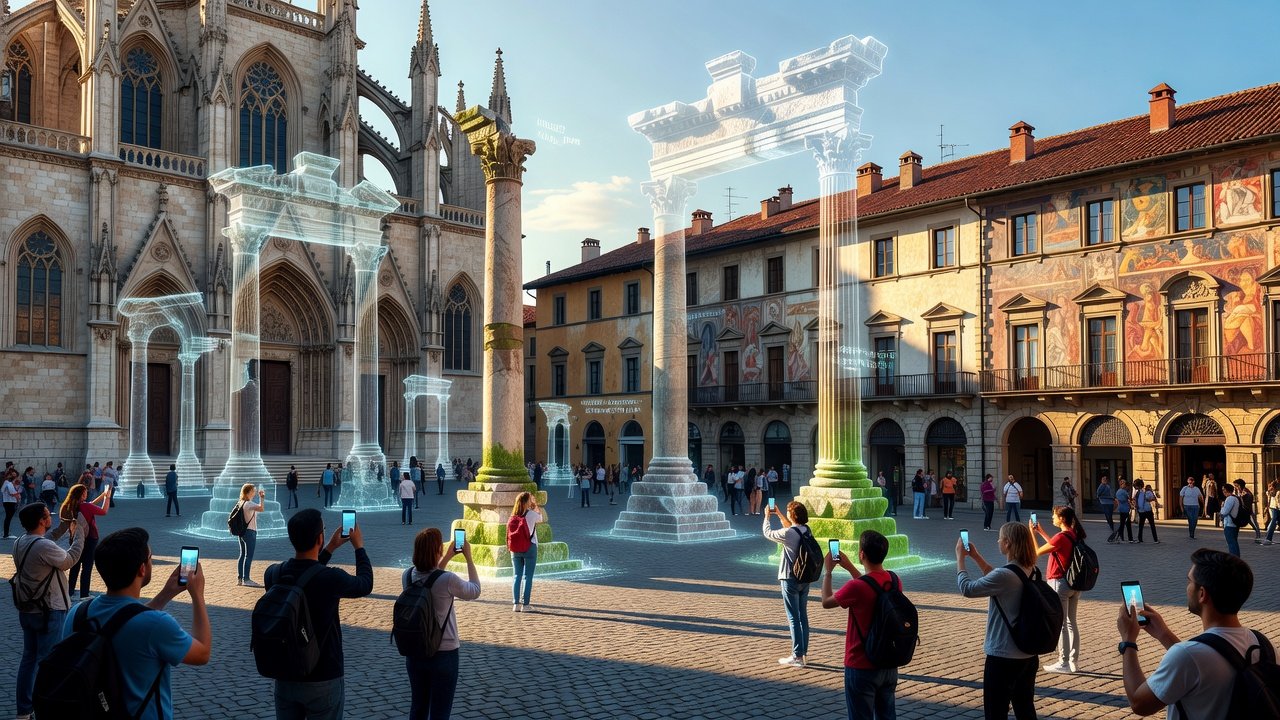
In Italy, AR revives Renaissance art in Florence galleries by allowing virtual rotations of sculptures for detailed examination. Travelers scan the Colosseum and Forum in Rome to reveal layered historical maps showing how the city evolved over centuries, complete with timeline sliders. Practical advice includes combining AR with walking tours for context and using translation features at local trattorias to understand regional specialties. These features turn standard sightseeing into interactive learning adventures.
Benefits for Travel Planning and On-Site Experiences
Beyond on-site use, AR aids pre-trip planning by letting users preview destinations through virtual walkthroughs. This helps prioritize must-see spots and build realistic itineraries. On location, the technology supports spontaneous discoveries like hidden alleys or seasonal events flagged by the app. Overall, it fosters confidence for solo travelers and families alike.
Frequently Asked Questions
How do I troubleshoot AR calibration issues?
Restart the app and ensure good lighting conditions. Recalibrate by slowly rotating your device in an open space while following prompts. Clear app cache if problems persist.
What privacy concerns should beginners consider?
Review app permissions and use incognito modes where available. Avoid sharing location data unnecessarily to protect personal information, and check data policies before uploading photos.
Are AR tools accessible for users with visual impairments?
Many apps include voice narration, high-contrast modes, and haptic feedback to improve accessibility for diverse users.
Can AR work without constant internet access?
Yes, most modern apps support robust offline modes after initial downloads, though live updates like traffic require connectivity.
Conclusion
AR country guides in 2026 empower beginners to explore with confidence and depth. By following setup guides, using overlays effectively, avoiding common mistakes, and preparing properly, travelers unlock richer journeys in destinations worldwide. Start experimenting today to elevate your next adventure with these immersive tools. For official travel advisories, consult resources like U.S. Department of State travel information.
No comments yet. Be the first!