 PlaceBee
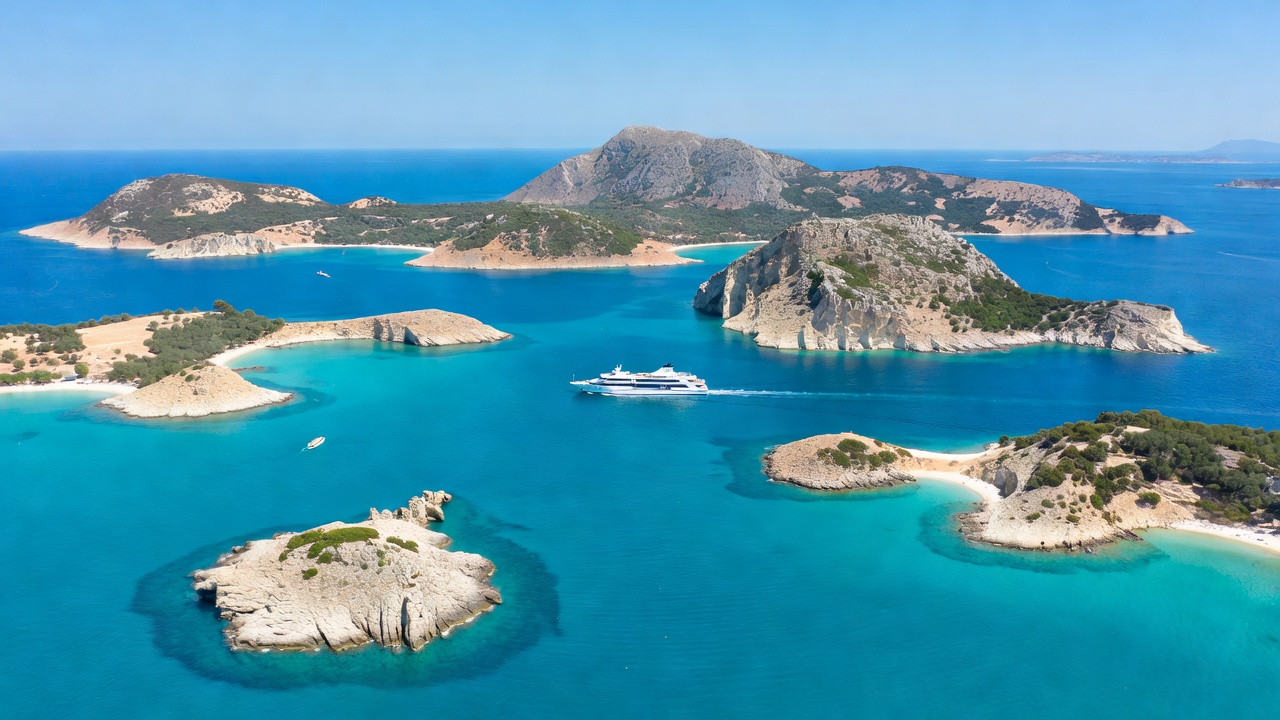
Introduction to Island Hopping in 2026
Island hopping continues to rank among the most fulfilling travel styles for those seeking a blend of cultural immersion, natural beauty, and adventurous exploration across multiple destinations in a single journey. As 2026 approaches, advancements in ferry infrastructure, real-time booking platforms, and destination-specific guides empower travelers to craft seamless multi-island experiences with greater ease and efficiency. This comprehensive guide addresses core search intents around route optimization, seasonal timing, inter-island logistics, and customization using established destination resources. Whether you are drawn to the sun-drenched shores of the Mediterranean or the lush tropical archipelagos of Southeast Asia, the following sections deliver actionable insights, comparative analyses, and detailed planning frameworks to ensure your trip runs smoothly from start to finish.
Selecting the Right Hub Islands
A well-chosen hub island serves as the cornerstone of any successful hopping itinerary, minimizing unnecessary travel time and maximizing time spent enjoying each destination. In the Mediterranean, Athens functions as a premier gateway due to its major international airport and extensive ferry connections to the Cyclades chain, including popular stops like Santorini and Naxos. Travelers often base themselves here for the first few nights to acclimate before venturing outward. In Southeast Asia, options such as Bali in Indonesia or Phuket in Thailand provide similar advantages with their world-class airports, diverse lodging options, and frequent boat departures to nearby islands. When evaluating potential hubs, prioritize locations offering strong connectivity, a range of accommodation types from budget hostels to luxury resorts, and reliable local transportation like taxis or scooters. Additional considerations include proximity to medical facilities and English-speaking services for first-time visitors. For instance, using Crete as a secondary hub in Greece allows access to both western and eastern island groups without excessive backtracking, while in Thailand, Krabi offers convenient links to the Andaman Sea islands like Koh Phi Phi and Koh Lanta.
Popular vs Emerging Island Chains
Comparing well-trodden routes with up-and-coming destinations helps travelers balance convenience against unique experiences. The Greek islands exemplify popular Mediterranean chains, where established ferry networks connect dozens of spots in a logical sequence, allowing visitors to experience ancient ruins, vibrant nightlife, and dramatic caldera views. Real-world examples include a classic loop from Athens to Mykonos, then Paros, and back via ferry. In contrast, emerging chains in Southeast Asia such as Indonesia’s Gili Islands or the Philippines’ Palawan group deliver pristine beaches and vibrant marine life with notably smaller crowds. Visit Greece details seasonal ferry patterns that intensify during warmer months, while Tourism Thailand outlines reliable Andaman Sea connections suitable for 2026 itineraries. Emerging destinations often feature newer eco-lodges and community-based tours, though they may require more flexible scheduling due to less frequent services. Weighing these factors enables travelers to select chains that align with their pace and interests.

Packing Lists for Multi-Stop Trips
Thoughtful packing is essential for multi-stop journeys where luggage must be carried between ferries, beaches, and varying climates. Core items include quick-dry clothing that handles both humid tropics and breezy Mediterranean evenings, reef-safe sunscreen to protect sensitive marine environments, a universal power adapter compatible with multiple plug types, and a sturdy waterproof daypack for day excursions. Supplement these with motion-sickness remedies for potentially choppy crossings, a reusable water bottle to reduce plastic waste, and a compact first-aid kit stocked with basic medications and blister plasters. For snorkeling enthusiasts, bringing your own mask and fins saves rental costs and ensures proper fit across islands. Organize belongings in packing cubes to facilitate quick repacking at each stop, and include a lightweight towel that dries rapidly after beach visits. Always verify airline and ferry weight restrictions in advance to avoid extra fees during transfers.
- Breathable, versatile layers suited to temperature shifts
- Snorkeling equipment and dry bags for water activities
- Portable charger and international SIM card for connectivity
- Hard copies of reservations as a reliable backup
- Eco-friendly toiletries in travel-sized containers
Budgeting for Inter-Island Transport
Effective budgeting focuses on strategic choices rather than fixed amounts, emphasizing advance reservations during high-demand periods and comparing vessel speeds against comfort levels. Standard ferries often cost less than high-speed alternatives while still providing scenic views and onboard amenities. Factor in potential extras such as luggage handling and seasonal fuel adjustments by reviewing operator policies early. Sustainable options like shared boats or local ferries can further stretch resources while supporting smaller communities. Planning buffer funds for unexpected weather-related changes ensures flexibility without derailing the overall trip.
Seasonal Considerations and Ferry Schedules
Understanding seasonal patterns dramatically improves itinerary success. Peak summer months deliver frequent daily sailings across both the Mediterranean and Southeast Asia, yet they coincide with higher crowds and warmer temperatures. Shoulder periods in spring and autumn typically feature milder conditions, reduced prices, and more authentic local interactions, though some routes may operate on reduced timetables. Winter travel in the Mediterranean can encounter stronger winds that occasionally cancel crossings, whereas Southeast Asia’s dry season offers calmer seas ideal for island exploration. Always consult official operator websites and apps for live updates, and incorporate contingency days into your schedule to accommodate natural variations.
Step-by-Step Checklist for Customizing Your Itinerary
- Confirm entry requirements and visa policies for every country on your route using official government portals.
- Secure flights into your primary hub before arranging internal connections.
- Plot ferry timetables with the help of authoritative tourism sites and cross-reference multiple operators.
- Reserve lodging strategically close to ports to simplify morning departures.
- Build in weather contingency days and alternative activities at each base.
- Review current health and safety guidance through U.S. Department of State travel resources and local advisories.
- Finalize all bookings with flexible cancellation options where possible.
- Double-check packing lists against expected activities and climates at each stop.
Sustainability Practices for Responsible Hopping
Modern travelers increasingly prioritize low-impact journeys. Choose operators employing hybrid or electric vessels when available, support locally owned guesthouses, and follow leave-no-trace principles at beaches and reefs. Participating in coral restoration projects or guided eco-tours in places like the Gili Islands adds meaningful value to your trip while benefiting host communities.
Common Mistakes to Avoid
Many first-time hoppers underestimate transfer times between ports or overlook luggage fees on smaller boats. Another frequent oversight involves insufficient research into local customs, which can lead to unintended cultural missteps. Always allocate extra time between connections and study basic phrases or etiquette guides for smoother interactions.
FAQ on Island Hopping Adventures
How far in advance should I book ferries? Reserve at least eight to ten weeks ahead for popular 2026 summer sailings to guarantee desired departure times and seating.
Are there eco-friendly transport choices? Several operators now run low-emission vessels; verify certifications on their websites before purchasing tickets.
What happens if weather cancels a crossing? Maintain flexible bookings and identify backup activities or extended stays at your current island to turn delays into opportunities.
Can I combine Mediterranean and Asian routes in one trip? While logistically challenging due to long-haul flights, some travelers link a Greek segment with a Southeast Asian extension by allowing generous transition time in a major city.
Conclusion
By thoughtfully addressing hub selection, packing strategies, seasonal timing, and sustainable practices, your 2026 island-hopping adventure across the Mediterranean or Southeast Asia can unfold with minimal stress and maximum enjoyment. Leverage the detailed checklists and comparisons in this guide to personalize every element, then set out to discover unforgettable coastlines and cultures with confidence and preparation.


No comments yet. Be the first!