 PlaceBee
Introduction: Unlocking Value in Every Travel Guide
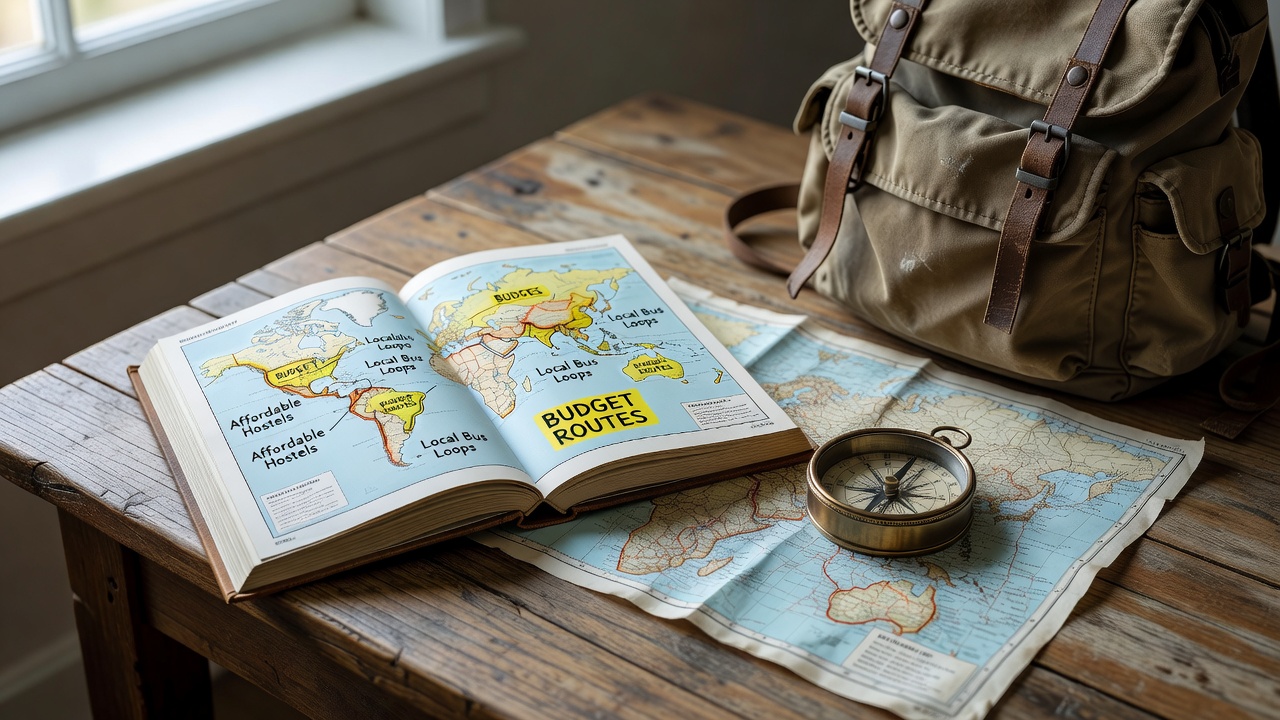
Travel guides remain essential tools for explorers who want to stretch their budgets without sacrificing experiences. By learning to decode the layers of information in city guides, country guides, and destination guides, you can uncover cost-saving opportunities that casual readers often miss. This comprehensive resource walks through actionable strategies to identify budget indicators, cross-reference sources, and apply real-world examples for maximum value on any journey. Whether you are planning a weekend escape or a multi-country adventure, mastering guide interpretation transforms vague recommendations into precise, affordable itineraries.
Understanding Different Types of Travel Guides
City guides focus on urban neighborhoods, public transit maps, and local eateries that cater to daily budgets. Country guides provide broader context on regional transportation costs, seasonal pricing patterns, and intercity bus networks. Destination guides often highlight off-the-beaten-path sites alongside mainstream attractions, frequently noting community events or public spaces. Recognizing these distinctions helps you select the right resource for your trip planning and avoid paying for redundant information across overlapping publications.
Key Elements to Examine in Any Guide
- Symbols and icons indicating free entry days or discounted passes for museums and historic sites
- Walking tour routes that bypass paid transportation options like taxis or rideshares
- Neighborhood breakdowns showing budget versus premium areas with clear cost comparisons
- Seasonal notes on lower-cost travel windows and shoulder periods
- Local market listings and street food recommendations that keep daily expenses low
Step-by-Step Methods to Spot Budget Indicators
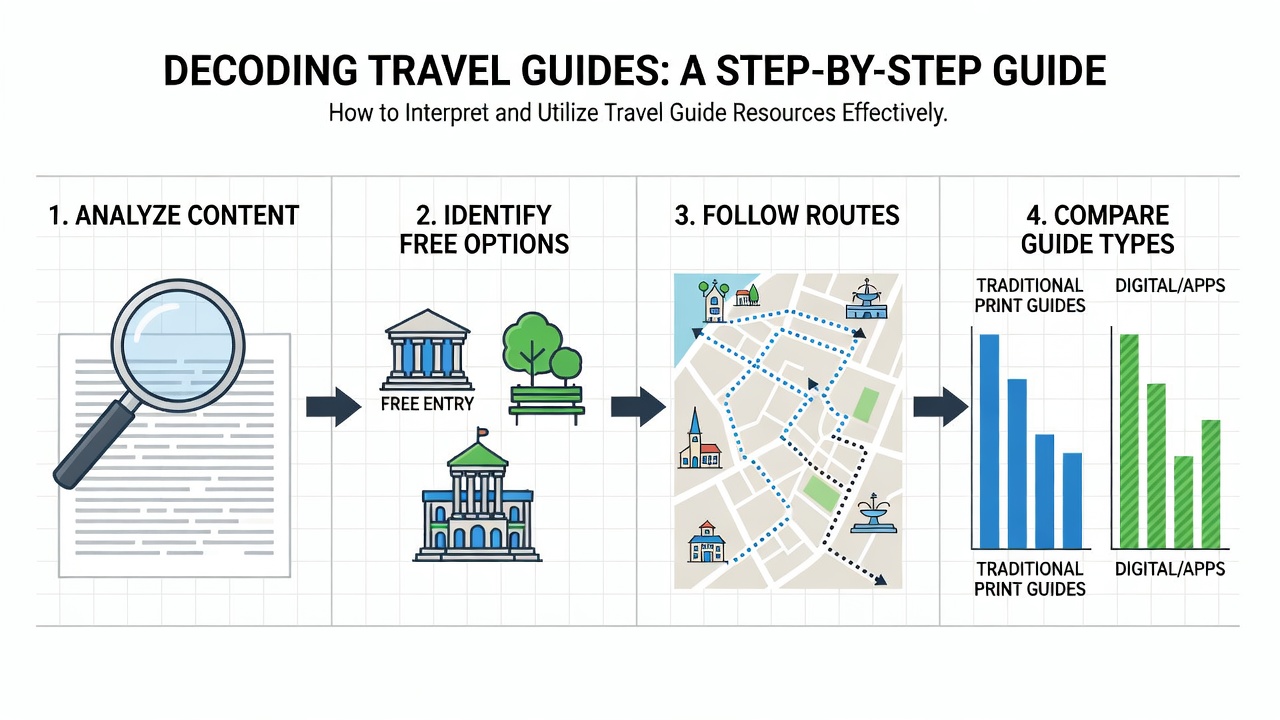
Begin by scanning the table of contents for sections labeled “free,” “budget,” or “value.” Next, review the attractions chapter and note any mentions of municipal parks, public beaches, or community events that require no payment. Cross-check opening hours against official tourism websites to confirm no-ticket options remain available. Finally, map suggested walking paths against public transit lines to calculate potential savings on taxis or rideshares while maintaining safety and convenience.
Another effective technique involves comparing multiple editions of the same guide. Older versions frequently list attractions that remain free while newer editions emphasize paid upgrades or premium experiences. This comparison reveals stable low-cost experiences across years. Additionally, pay close attention to phrases such as “locals recommend” or “community-run” which often signal affordable, authentic options rather than tourist traps.
Practical tip: Create a simple spreadsheet while reading each guide. Column headers might include attraction name, estimated cost, free alternative, and location notes. This organized approach prevents overlooking hidden gems and ensures you capture every money-saving detail before departure.
Real-World Examples from Popular City and Country Guides
Consider a typical Paris city guide. The section on the Latin Quarter often flags student-friendly cafés with set-price menus and nearby public gardens that require no entry fee. In a Thailand country guide, look for chapters on northern provinces that detail overnight train routes as cheaper alternatives to domestic flights, complete with station addresses and ticket purchasing tips. A guide to New York City might highlight Central Park walking loops alongside free summer concerts, while a Japan country guide frequently notes temple grounds open to the public at no charge outside peak festival seasons. These examples demonstrate how specific phrasing like “local favorite” or “no reservation required” signals genuine affordability.
Comparing Premium Versus Free Resources
Premium digital guides offer interactive maps and real-time updates, yet many free municipal tourism portals provide equivalent core data on public attractions. The key difference lies in depth of neighborhood analysis rather than basic listings. Travelers who combine one paid guide with two free official sources usually achieve better cost efficiency than relying on a single premium product. For instance, pairing a detailed city guide with resources from travel.state.gov allows verification of safety and entry requirements without additional expense.
Cross-Referencing Multiple Destination Guides for Optimal Value
Start with one comprehensive country guide to establish an overall itinerary skeleton. Supplement with two city-specific guides to fill in granular details such as free museum nights or market days. Avoid overlap by assigning each guide a distinct role: one for transportation logistics, one for lodging neighborhoods, and one for daily activities. This layered approach prevents redundant purchases while maximizing coverage. When cross-referencing, note any conflicting advice and resolve it by checking primary sources like cdc.gov/travel for health-related considerations that may affect budget choices such as vaccination requirements or water safety.
Common Pitfalls and How to Avoid Them
Many travelers overlook the fine print on “suggested donations” that function as de facto fees at certain historic sites. Always verify whether an attraction truly requires payment by contacting the venue directly or consulting the latest edition. Another frequent mistake is treating all walking tours as equal; some guides promote paid walking experiences while free self-guided routes exist in the same area using public maps. Finally, ignore outdated pricing tables and always confirm current details through official channels to prevent surprises upon arrival.
Additional Strategies for Maximizing Guide Value
Beyond basic decoding, integrate digital tools by photographing relevant pages from print guides and annotating them with your own budget calculations. Look for appendices that list public restrooms, water fountains, and picnic areas, which reduce daily spending on conveniences. When planning multi-destination trips, use country guides to identify border crossing costs and visa-free periods that keep overall expenses predictable. Seasoned budget travelers also recommend noting any mentions of loyalty programs or discount cards promoted in the back sections of guides, as these can compound savings across multiple attractions.
FAQ
How do I know if a guide’s recommended restaurant is truly budget-friendly?
Check for phrases such as “set lunch menus” or “market stalls nearby.” Cross-reference the location with public transport maps to ensure low transit costs and read recent traveler reviews for confirmation of portion sizes and value.
Can I rely solely on free online guides?
Free resources work well for major attractions but often lack the nuanced neighborhood insights found in paid guides. A hybrid approach yields the best results, especially when combining official government portals with curated print editions.
What should I do when two guides contradict each other on costs?
Prioritize the most recent edition and verify against the destination’s official tourism board site or resources such as nps.gov for public lands and parks information.
Are there specific sections in guides that consistently reveal the best deals?
Focus on maps, “day trips from the city” chapters, and any listings of festivals or markets, as these frequently highlight low or no-cost experiences that change with the seasons.
Conclusion: Turning Guides into Budget Tools
Mastering the art of decoding travel guides transforms them from simple reference books into powerful instruments for affordable adventures. By applying the step-by-step methods, real-world examples, cross-referencing techniques, and pitfall avoidance strategies outlined above, you can consistently discover hidden deals and free experiences that keep your journeys memorable yet economical. With practice, every guide becomes a personalized roadmap to smarter spending and richer travel memories.


No comments yet. Be the first!