 PlaceBee
Introduction to Inclusive Travel Planning for 2026
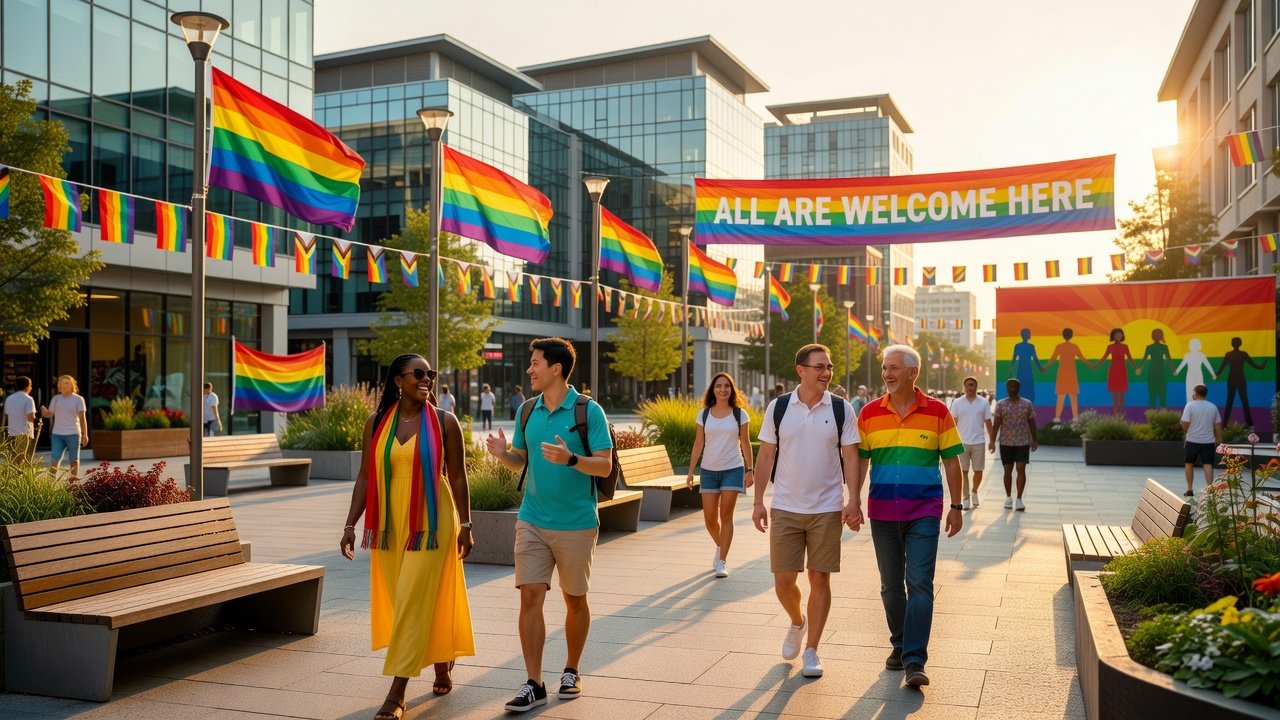
Planning trips as an LGBTQ+ adventurer requires more than standard travel resources. Specialized destination guides help prioritize safety, legal protections, and vibrant community experiences. This comprehensive how-to guide shows you how to leverage city guides and country guides effectively for worry-free 2026 exploration. Whether comparing progressive urban hubs to emerging nations, the focus remains on authentic inclusion and practical customization. With global attitudes shifting, up-to-date guides provide the insights needed to select destinations that align with personal comfort levels and identity expression.
Navigating Legal Landscapes in LGBTQ+ Travel
Understanding local laws forms the foundation of safe travel. Many destinations have evolved rapidly, yet disparities persist. Progressive cities often feature anti-discrimination statutes and marriage equality, while emerging countries may offer pockets of acceptance amid broader challenges. Consult official resources like travel.state.gov for current advisories and amnesty.org for human rights updates before booking. Additional context from hrw.org can reveal enforcement patterns and recent policy changes. Always verify gender recognition laws, public display regulations, and healthcare access for transgender travelers, as these vary significantly even within the same region.
Comparing Progressive Cities and Emerging Countries
Progressive cities such as Amsterdam, Berlin, and Toronto deliver established infrastructure including dedicated LGBTQ+ districts, accessible healthcare, and frequent pride celebrations. These locations typically offer seamless public transit, visible rainbow signage, and robust legal protections that reduce daily stressors. In contrast, emerging countries like Portugal or parts of South Africa provide growing acceptance with lower crowds and cultural authenticity. City guides excel at detailing walkable neighborhoods and public transit safety, whereas country guides highlight regional variations and visa nuances. Weigh factors like visibility in public spaces and access to support networks when deciding between these options. For instance, a city guide might emphasize Berlin's nightlife scene, while a country guide for Portugal could spotlight coastal towns with quiet, inclusive resorts away from tourist hubs.
Highlighting Community Events and Hidden Safe Havens
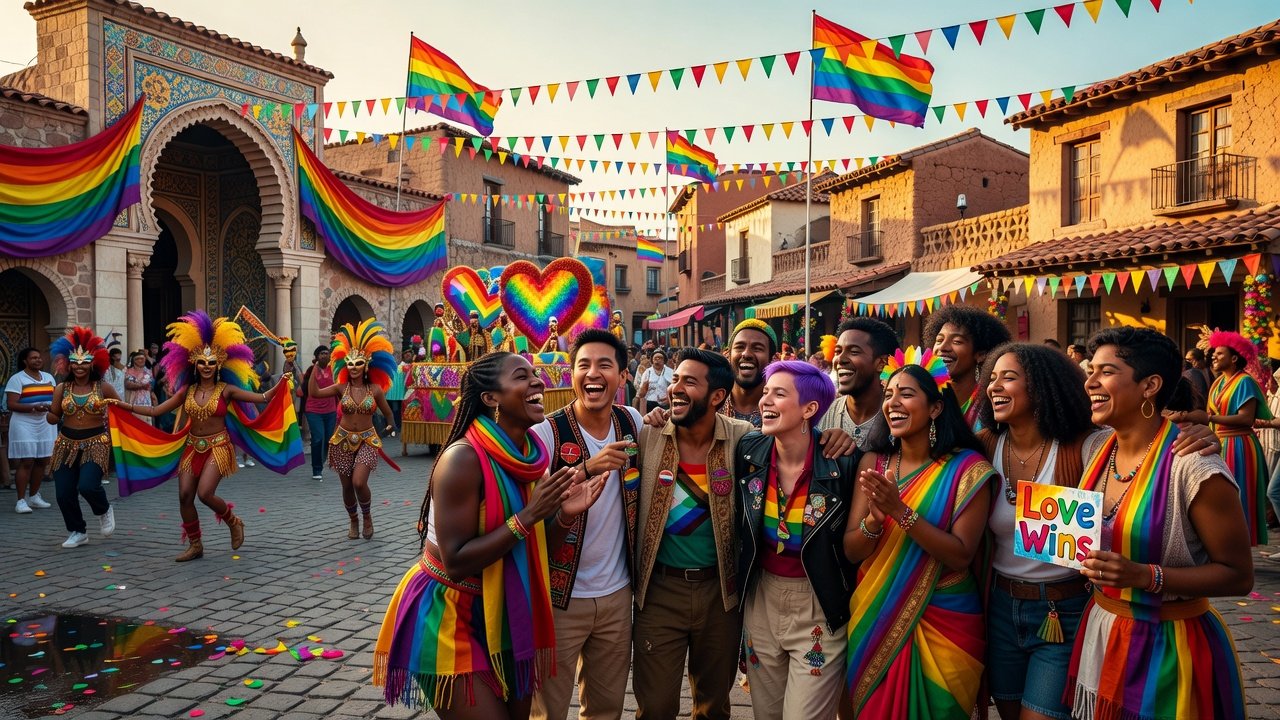
Events like pride parades and film festivals create opportunities for connection. Safe havens include queer-owned cafes, bookstores, and wellness retreats that serve as anchors during trips. Guides often map these locations with traveler reviews emphasizing discretion and inclusivity. Hidden gems might involve rural retreats in supportive nations where community networks provide informal safety nets. Seasonal events such as film festivals or sports tournaments can also double as low-key gathering points. When reviewing guides, pay attention to accessibility features like wheelchair-friendly venues and multilingual support for international visitors.
Practical Steps to Customize Your 2026 Itinerary
Follow these actionable steps to build personalized plans using specialized guides:
- Review legal summaries and safety indices in your chosen guide for each potential stop, noting any recent legislative shifts.
- Cross-reference community event calendars with your travel dates for alignment and book tickets early for high-demand gatherings.
- Identify transportation and lodging options vetted for LGBTQ+ friendliness, including private transfers if public options raise concerns.
- Incorporate buffer days for unexpected adjustments based on local conditions or weather-related changes.
- Connect with online forums or app-based communities for real-time insights from recent visitors sharing similar identities.
- Map daily routes that prioritize well-lit, central areas during evening hours and identify nearby support services in advance.
Real Traveler Examples and Success Stories
One couple from New York used city guides to plan a seamless week in Barcelona, attending a local pride event while staying in a verified inclusive neighborhood with easy metro access. They reported feeling fully welcomed at every venue. Another solo traveler explored emerging spots in Costa Rica by following country guide recommendations for eco-lodges with strong ally policies, resulting in meaningful cultural exchanges without incident. A third group of friends combined both guide types for a multi-country trip through Scandinavia and the Baltics, using city guides for Stockholm's vibrant scene and country guides for quieter Latvian countryside stays that offered unexpected community support. These stories illustrate how targeted resources transform potential concerns into enriching journeys.
Mistakes to Avoid When Using Destination Guides
Common pitfalls include relying on outdated editions that miss policy changes or overlooking regional differences within a single country. Travelers sometimes skip reading user-generated reviews attached to guide entries, missing nuanced safety notes. Another error is failing to prepare contingency plans for medical or legal needs specific to LGBTQ+ individuals. Always cross-check multiple sources and test contact points like local hotlines before departure to avoid last-minute surprises.
Checklist for Vetting Locations
- Confirm current legal status regarding same-sex relationships and gender recognition through official government and rights organization sites.
- Assess public attitudes through recent traveler reports and local media summaries provided in the guide.
- Verify availability of LGBTQ+-specific medical and support services, including pharmacies stocking necessary medications.
- Evaluate event accessibility and safety protocols, ensuring venues accommodate diverse mobility and language needs.
- Review accommodation policies and neighborhood walkability at night, prioritizing properties with explicit non-discrimination statements.
- Check transportation reliability and options for private alternatives if public systems present concerns during off-peak hours.
Frequently Asked Questions on Common Challenges
How do I handle destinations with mixed legal signals?
Focus on urban centers with progressive policies and use guides to avoid high-risk regions. Always carry copies of relevant documents and maintain low profiles where advised by recent traveler updates.
What if events conflict with my schedule?
Many cities host year-round smaller gatherings. Country guides often list alternatives like film festivals or community centers for year-round engagement and networking opportunities.
Are there reliable ways to find hidden safe havens?
Look for recommendations from established LGBTQ+ travel organizations and cross-check with multiple sources for consistency in safety ratings and recent visitor feedback.
How should families or groups with mixed identities plan together?
Select destinations where guides confirm broad family-friendly policies and choose accommodations that explicitly welcome diverse group compositions to ensure everyone feels included.
Conclusion
By mastering specialized 2026 LGBTQ+ destination guides, travelers gain confidence to explore cities and countries that celebrate inclusion. Apply the comparisons, steps, checklists, and examples shared here to craft journeys that prioritize safety alongside discovery. Start planning today for authentic, worry-free adventures ahead that honor both personal identity and the spirit of exploration.


No comments yet. Be the first!