 PlaceBee
Introduction to Volcanic Adventure Travel in 2026
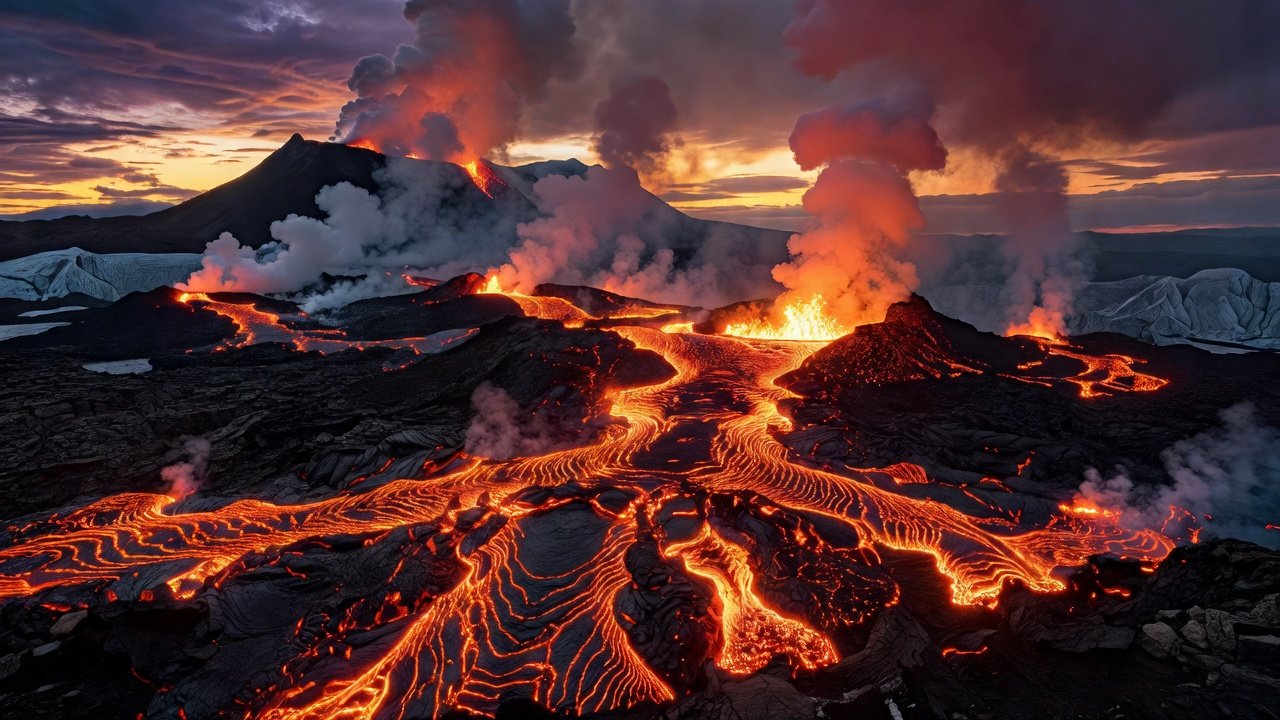
Volcanic adventure travel combines raw natural power with thoughtful planning. Destination guides serve as essential roadmaps for selecting active sites, understanding seasonal risks, and integrating real-time monitoring tools. This approach helps adventurers create safe, immersive experiences in dynamic landscapes like Iceland and Indonesia. In 2026, travelers are increasingly seeking unique geothermal destinations that offer both thrill and education about Earth's geological forces. Whether you are drawn to erupting craters or steaming hot springs, effective use of destination guides ensures your trip balances excitement with preparation. This article provides in-depth guidance on leveraging these resources for volcanic adventures, covering everything from site selection to post-trip reflections.
Selecting Active Volcanic Sites in Iceland and Indonesia
Iceland offers accessible geothermal wonders such as the Reykjanes Peninsula and Vatnajökull National Park, where visitors can witness lava fields and geysers up close. Indonesia features dramatic locations including Mount Bromo and the Kawah Ijen crater, known for its blue flames and turquoise lake. Destination guides help compare accessibility, eruption frequency, and infrastructure. For example, Iceland's sites often have well-developed trails and visitor centers, while Indonesia's require more cultural sensitivity and local guides. Cross-reference official monitoring data from USGS to confirm current activity levels before booking. Additional considerations include altitude acclimatization for high-elevation craters and understanding local regulations that may limit group sizes during peak seasons.
Safety Protocols for Volcanic Regions
Always follow local evacuation routes and check daily alerts issued by park authorities. Wear appropriate respiratory protection and maintain distance from active vents to avoid toxic gas exposure. Integrate destination guides with apps that stream live seismic data for real-time updates. The World Health Organization provides guidelines on air quality during volcanic events that every traveler should review. Practical steps include creating a personal emergency contact tree, practicing evacuation drills with your group, and carrying a basic first-aid kit tailored to burns and respiratory issues. In remote areas, establish check-in protocols with local operators every four hours. These measures reduce risks significantly when combined with up-to-date destination guide information.
Packing Essentials for Geothermal Adventures
Preparation starts with a comprehensive packing list informed by your chosen destination guide. Key items include layered clothing resistant to heat and ash, high-quality gas mask or N95 respirator, sturdy hiking boots with good traction, portable power banks and satellite communicators, and waterproof maps and printed guide excerpts. Additional essentials are thermal underwear for cold nights near vents, multi-tool kits for quick repairs, and reusable water bottles with purification tablets. Consider the weight distribution in your backpack to avoid fatigue on long hikes. Destination guides often recommend specific brands tested in volcanic environments, helping you avoid last-minute purchases that may not meet safety standards.
Step-by-Step Guide to Customizing Country Guides
Begin by downloading the latest country-specific destination guide from reliable tourism sources. Identify three to five volcanic zones and overlay real-time monitoring feeds from government observatories. Adjust daily itineraries based on wind patterns and alert levels, such as shifting a morning hike if forecasts predict ashfall. Test the plan against remote-area logistics versus city-based access points, factoring in transportation options like 4x4 rentals or local shuttles. For an Iceland example, customize a guide by adding buffer days around the Golden Circle for potential closures. Repeat the customization process for each destination to build redundancy. Include contingency plans for flight disruptions caused by ash clouds and budget for flexible accommodations. This method turns generic guides into personalized volcanic itineraries that adapt to changing conditions.
Comparing City Guides Near Eruption Zones vs Remote Areas
City guides for areas like Reykjavik emphasize hotel options, quick evacuation routes, and medical facilities within minutes of urban centers. Remote guides focus on self-sufficiency, satellite communication, and extended supply lists for multi-day treks. Destination guides highlight these differences so travelers can choose experiences matching their risk tolerance and group size. City-based trips suit beginners with easier access to resupply points, while remote options appeal to experienced adventurers seeking solitude. Comparisons also cover cost differences in permits and the availability of guided tours versus independent exploration. Weighing these factors helps determine whether a hybrid approach, starting in a city and venturing outward, best fits your 2026 plans.
Integrating Travel Guides with Real-Time Monitoring Tools
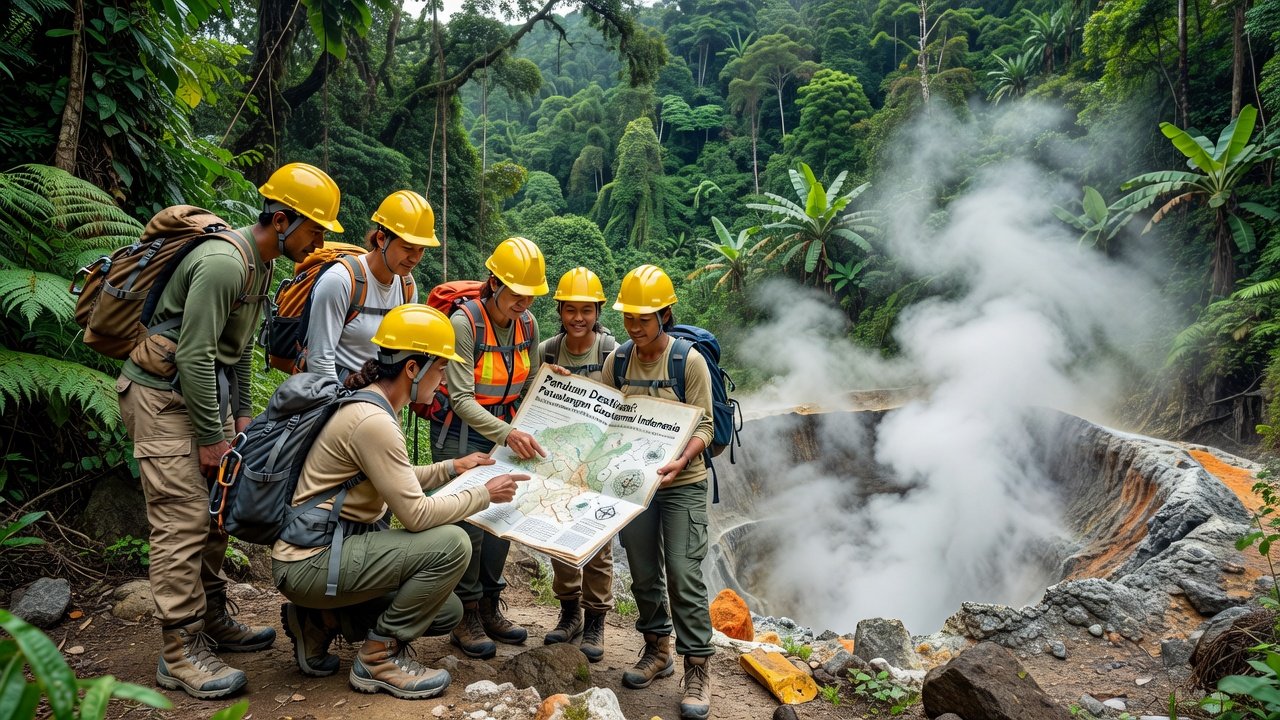
Combine printed destination guides with digital dashboards from government observatories for a complete picture. Set daily check-ins for seismic updates and weather forecasts using tools linked directly in the guides. This hybrid method ensures flexibility when conditions change rapidly, such as sudden increases in sulfur dioxide levels. Many adventurers now maintain both digital and physical copies of their customized guides for offline reliability during signal blackouts. Examples include syncing a mobile app with printed maps to mark safe observation points daily. Regular integration prevents surprises and enhances immersion by allowing spontaneous adjustments based on live data.
Environmental Considerations and Sustainable Practices
Volcanic travel impacts fragile ecosystems, so destination guides stress low-impact principles like staying on marked paths and avoiding disturbance to geothermal features. Support local communities by hiring certified guides and choosing eco-certified operators. In Indonesia, this means respecting sacred sites around active craters, while in Iceland it involves minimizing vehicle emissions on gravel roads. Long-term benefits include preserved access for future visitors and contributions to conservation funding through park fees.
Common Mistakes to Avoid When Planning
- Ignoring seasonal weather patterns that affect trail conditions
- Overpacking without considering volcanic ash damage to electronics
- Skipping permit applications until the last minute
- Failing to cross-check multiple monitoring sources for accuracy
- Underestimating physical demands of high-altitude hikes
FAQ on Permits and Seasonal Risks
Do I need special permits for volcanic sites?
Most national parks require entry permits or guided access. Check requirements through official tourism portals at least three months ahead to secure spots during busy periods.
What are the seasonal risks in Iceland versus Indonesia?
Iceland sees higher winter storm activity while Indonesia experiences monsoon-related landslides. Destination guides detail these patterns and suggest optimal travel windows like late spring for Iceland and dry season for Indonesia.
How often should I update my monitoring tools?
Review data twice daily during active periods and once daily otherwise. Subscribe to official alert systems for push notifications to stay ahead of changes.
Are there age or fitness restrictions for these trips?
Many sites recommend participants be at least 12 years old with moderate fitness levels. Destination guides often include health questionnaires from tour operators to assess suitability.
Conclusion
Effective use of 2026 destination guides transforms volcanic travel from risky to rewarding. By blending safety protocols, customized planning, and real-time tools, adventurers can enjoy unforgettable geothermal experiences responsibly while minimizing environmental impact.
No comments yet. Be the first!