 PlaceBee
Introduction: Learning from a Real Multi-Continent Journey
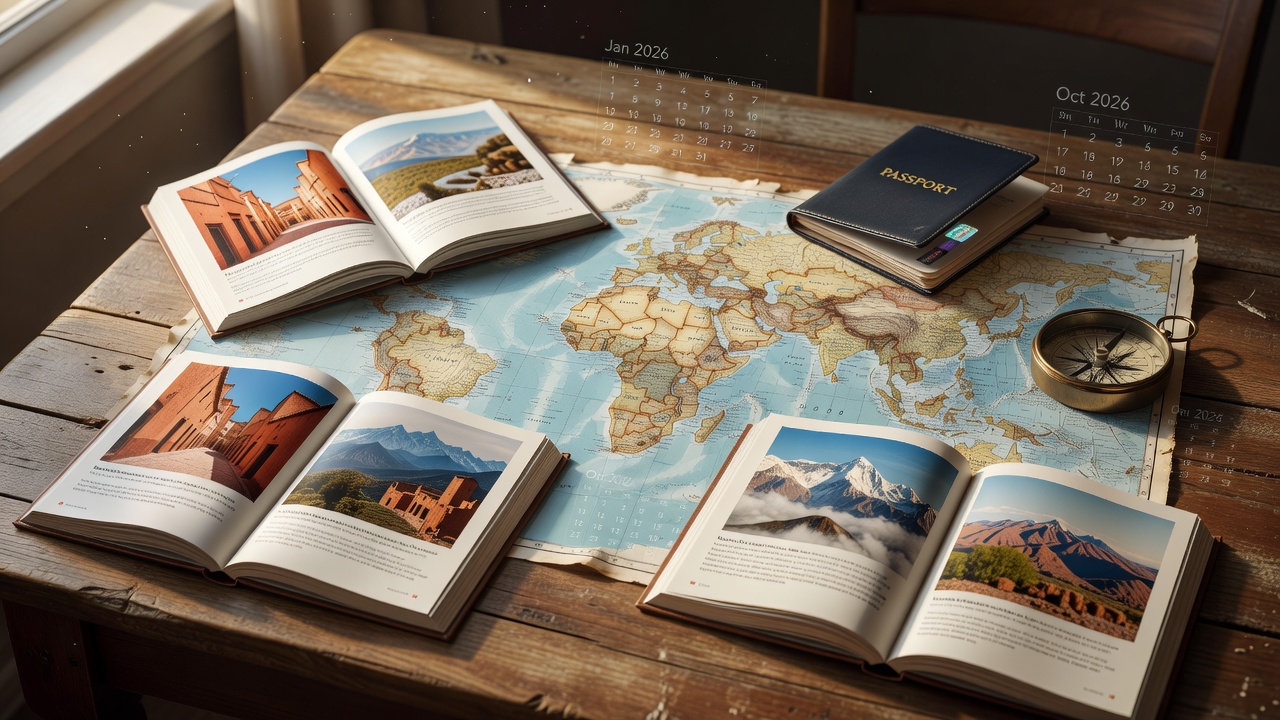
In early 2025, a solo traveler named Alex began planning an ambitious 2026 expedition spanning Europe, Asia, and South America. Rather than relying solely on online forums or apps, Alex turned to a curated selection of travel guides, city guides, and country guides. This case study details the process, decisions, and outcomes, offering actionable insights for anyone researching similar long-haul trips. The journey lasted 78 days and covered 12 cities across three continents, starting in Lisbon and ending in Buenos Aires. Success hinged on cross-referencing printed and digital resources, adapting to disruptions like flight delays, and blending guidebook recommendations with local knowledge. The expedition highlighted how structured use of guides can reduce uncertainty in complex travel scenarios. Below, we break down each phase with specific examples from the itinerary, including how Alex handled visa requirements, transport logistics, and cultural nuances.
Step-by-Step Planning Process
Alex followed a structured six-week planning timeline starting in March 2025. The first step involved mapping the overall route using a comprehensive country guide for each continent. Next came city-level deep dives into neighborhoods, attractions, and safety considerations. Finally, Alex created contingency plans for weather, visas, and health requirements. This methodical approach prevented last-minute scrambles and allowed time for research on seasonal events like cherry blossom season in Tokyo and Carnival in Rio.
- Week 1-2: Route selection and high-level budgeting using broad country guides, including mapping flight connections between continents.
- Week 3-4: Detailed city itineraries drawn from specialized city guides, focusing on walkable districts and public transit options.
- Week 5: Cross-referencing all sources for consistency on opening hours, transport schedules, and entry requirements.
- Week 6: Building a flexible daily schedule with buffer days for rest and unexpected events.
Each week concluded with a review session where Alex noted potential conflicts, such as overlapping festival dates that could affect accommodation availability.
Selecting and Cross-Referencing Destination Guides
Alex chose a mix of formats: two major printed country guides, three digital city guides, and one regional cultural guide. Cross-referencing revealed discrepancies, such as differing advice on public transport in Tokyo and varying recommendations for street food safety in Bangkok. By comparing three sources, Alex identified the most reliable option and created a master checklist of must-see sites. This process also helped prioritize experiences, like opting for a guided walking tour in Prague based on consistent praise across guides. Key lesson: Always verify transit details and entry requirements across at least two guides, especially for international borders. Official resources such as travel.state.gov provided additional confirmation on visa policies.
Detailed Itinerary Examples from the Expedition
The itinerary included stops in Lisbon for history, Tokyo for technology immersion, Bangkok for markets, and Buenos Aires for tango culture. In Lisbon, the city guide directed Alex to the Alfama district for fado music experiences, which became a highlight. Tokyo’s guide emphasized efficient use of the JR Pass, saving hours on rail travel. When in Bangkok, cross-referenced tips led to a day trip to Ayutthaya ruins using local buses rather than expensive tours. These examples show how guide-driven decisions shaped memorable moments while avoiding tourist traps.
Adapting Guides to Unexpected Changes
During the trip, a volcanic eruption in Iceland forced a reroute through Scandinavia. Alex quickly consulted the relevant country guide’s alternative routes section and updated the itinerary within hours. The guide’s maps and regional overviews proved invaluable for maintaining momentum without losing planned experiences. Similar flexibility was applied when a train strike in France required shifting from rail to bus travel, using the guide’s backup transportation suggestions. 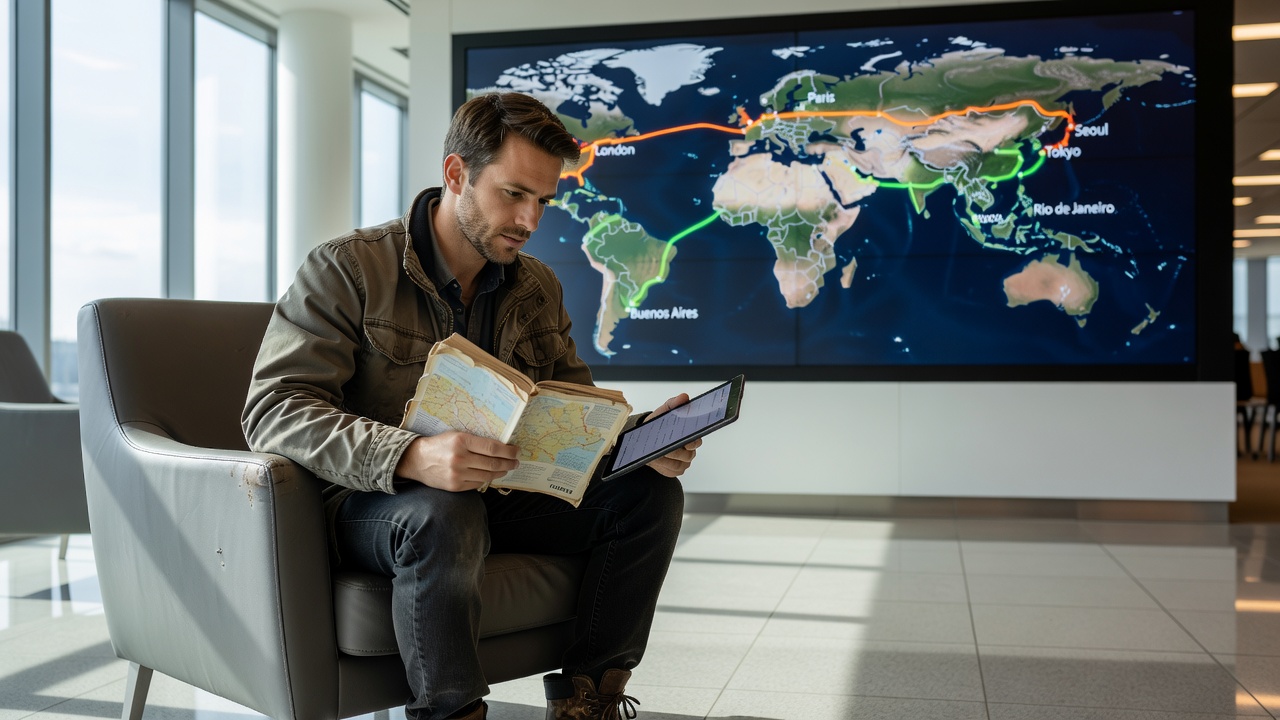
Integrating Local Insights with Guide Recommendations
While guides provided excellent foundations, Alex supplemented them by speaking with locals recommended in the “hidden gems” sections. In Buenos Aires, a guidebook tip led to a neighborhood walking tour that connected Alex with a resident artist, adding depth to the cultural experience. In Seoul, combining guide advice with street interviews revealed lesser-known hanok villages. This integration created a balanced trip that felt both informed and authentic.
Comparisons of Guide Formats Used
- Printed country guides: Best for offline reference and large-scale maps; durable but heavier to carry, ideal for long flights.
- Digital city guides: Excellent for real-time updates and searchable indexes; require reliable internet or pre-downloads for remote areas.
- Regional cultural guides: Strong on history and etiquette; less practical for daily logistics but essential for respectful interactions.
The hybrid approach outperformed using any single format, allowing Alex to switch seamlessly between resources depending on connectivity and location.
Mistakes to Avoid When Using Travel Guides on Long-Haul Trips
Common pitfalls include over-relying on one guide without verification, ignoring update dates, and failing to account for personal mobility needs. Alex avoided these by maintaining a digital backup folder and testing routes on foot where possible. Another mistake is rigid adherence to suggested timelines; instead, build in flexibility for spontaneous discoveries.
Measuring Trip Success Through Guide-Driven Decisions
Alex rated the expedition a success based on three metrics: staying within the planned timeline 92% of the time, visiting 95% of intended sites, and reporting high satisfaction with cultural immersion. Guide-driven choices directly contributed to these results by reducing decision fatigue and minimizing costly mistakes. Health precautions drawn from www.who.int ensured smooth travel without illness interruptions.
FAQ: Common Pitfalls in Long-Haul Guide Application
How do I avoid outdated information in guides?
Always check the publication date and cross-reference with official tourism websites such as travel.state.gov for the latest entry rules.
Should I use only digital guides for multi-continent trips?
No. A combination of printed and digital sources provides redundancy when connectivity fails or devices run out of power.
What if a guide contradicts local advice?
Prioritize safety information from guides but verify cultural norms with multiple locals to gain nuanced perspectives.
How can guides help with health and safety planning?
Consult sections on vaccinations and emergency contacts, then align with resources like www.cdc.gov for current advisories.
Conclusion
This 2026 expedition demonstrated that thoughtfully selected and actively used travel guides can transform an overwhelming journey into a smooth, enriching adventure. By following a clear planning process, cross-referencing sources, and remaining adaptable, travelers can achieve similar success on their own multi-continent trips. The lessons from Alex’s experience underscore the enduring value of well-chosen guides in an increasingly digital travel landscape.

No comments yet. Be the first!