 PlaceBee
Introduction to 2026 Airport Security Packing
Navigating airport security in 2026 demands advanced packing techniques that account for new scanner technologies, stricter yet evolving regulations, and high passenger volumes at busy international hubs. Travelers who master these strategies can cut their checkpoint time dramatically, avoiding long lines and unnecessary stress. This comprehensive guide explores updated liquid allowances, smart electronics organization, comparisons of global trusted traveler programs, and real-world examples from major airports like New York’s JFK and London’s Heathrow. Whether you are a frequent flyer or planning a family vacation, understanding these 2026 airport security packing hacks will help you prepare efficiently and move through screening with confidence.
Updated Liquid Rules for 2026
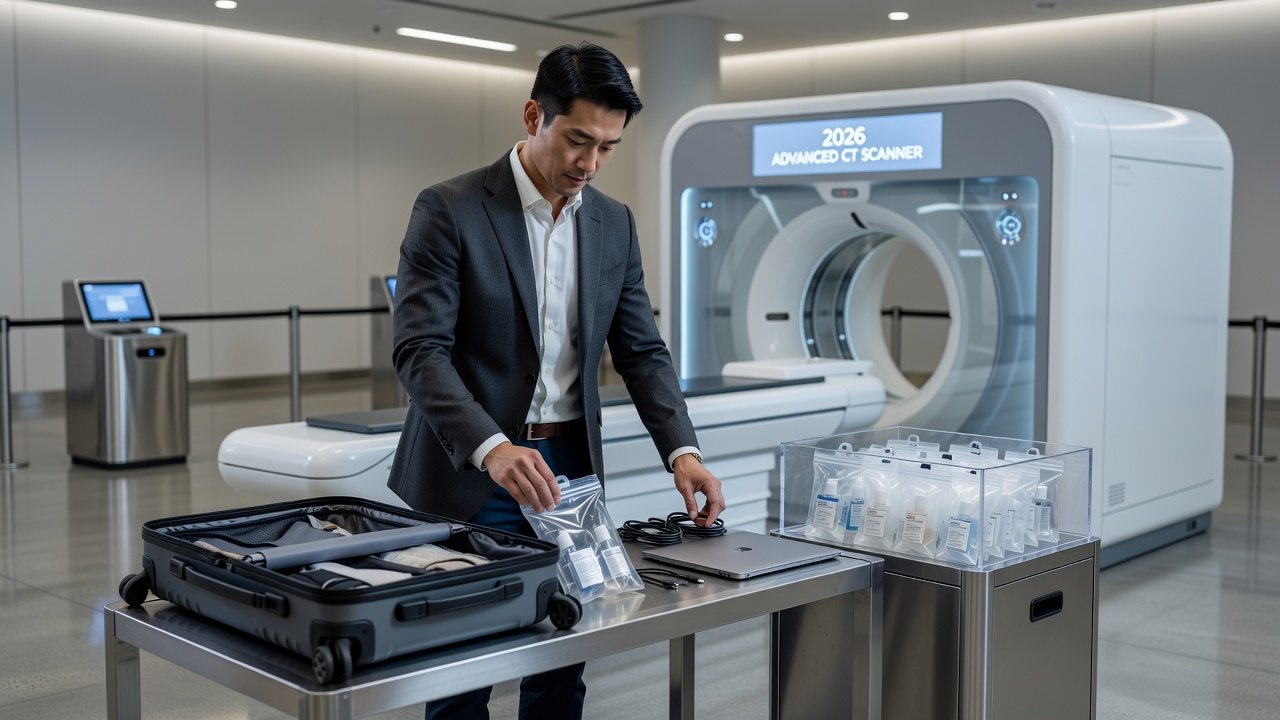
Although the classic 3-1-1 rule remains in place at many U.S. airports, several locations now deploy computed tomography (CT) scanners that permit larger liquid containers to stay inside carry-on bags. In practice, this means passengers at equipped terminals can keep toiletry bottles up to 500 milliliters without removing them, provided the items are clearly visible on the scan. International travelers should still pack all liquids, gels, and aerosols in a single clear quart-sized bag as a backup. Always separate this bag at the start of screening to allow quick removal if the agent requests it. To stay current, check the latest guidelines published by your departure airport or airline at least 48 hours before travel, as temporary restrictions can appear during heightened security periods.
Electronics Organization Strategies
Laptops, tablets, e-readers, and portable gaming devices continue to require separate screening in most terminals. The most efficient approach is to store these items in an exterior laptop sleeve or dedicated tech pouch that unzips completely. This allows you to slide the entire pouch onto the conveyor belt without unpacking individual cables. Power banks and spare batteries must travel in your personal item rather than checked luggage to comply with lithium-ion safety rules. Before packing, label each cable and charger with small tags so you can quickly reassemble devices after screening. At busy airports, having all electronics pre-organized can shave several minutes off your total process time.
Global PreCheck Program Comparisons
Trusted traveler programs offer significant advantages for frequent flyers. TSA PreCheck in the United States provides expedited screening lanes where passengers keep shoes, belts, and light jackets on while liquids and laptops often remain inside bags. Global Entry includes PreCheck membership plus expedited customs clearance upon return from international trips. In the United Kingdom, the Registered Traveller service at Heathrow allows eligible passengers to use faster immigration lanes that indirectly speed security flows. Canada’s NEXUS program and Australia’s SmartGate system offer similar biometric benefits. Compare enrollment costs, renewal periods, and airport coverage on official government websites before applying. TSA official resources provide detailed eligibility requirements and application steps for U.S. programs.
Regional Variations at JFK and Heathrow
JFK’s Terminal 4 features some of the newest CT scanners in the United States, allowing many passengers to keep liquids inside their bags during peak morning hours. However, Terminal 5 at the same airport still uses older X-ray machines, so travelers should confirm their departure terminal in advance. At Heathrow, Terminal 5 operates dedicated family lanes and biometric corridors that reduce overall wait times for enrolled passengers. A practical example: a family of four arriving at JFK during the 7 a.m. rush can expect 25–40 minutes in security unless they use PreCheck lanes. At Heathrow’s Terminal 2, the same family may encounter stricter liquid checks but faster document verification. Always monitor real-time wait times through airport mobile apps to adjust arrival plans accordingly.
Step-by-Step Bin Setup Checklist
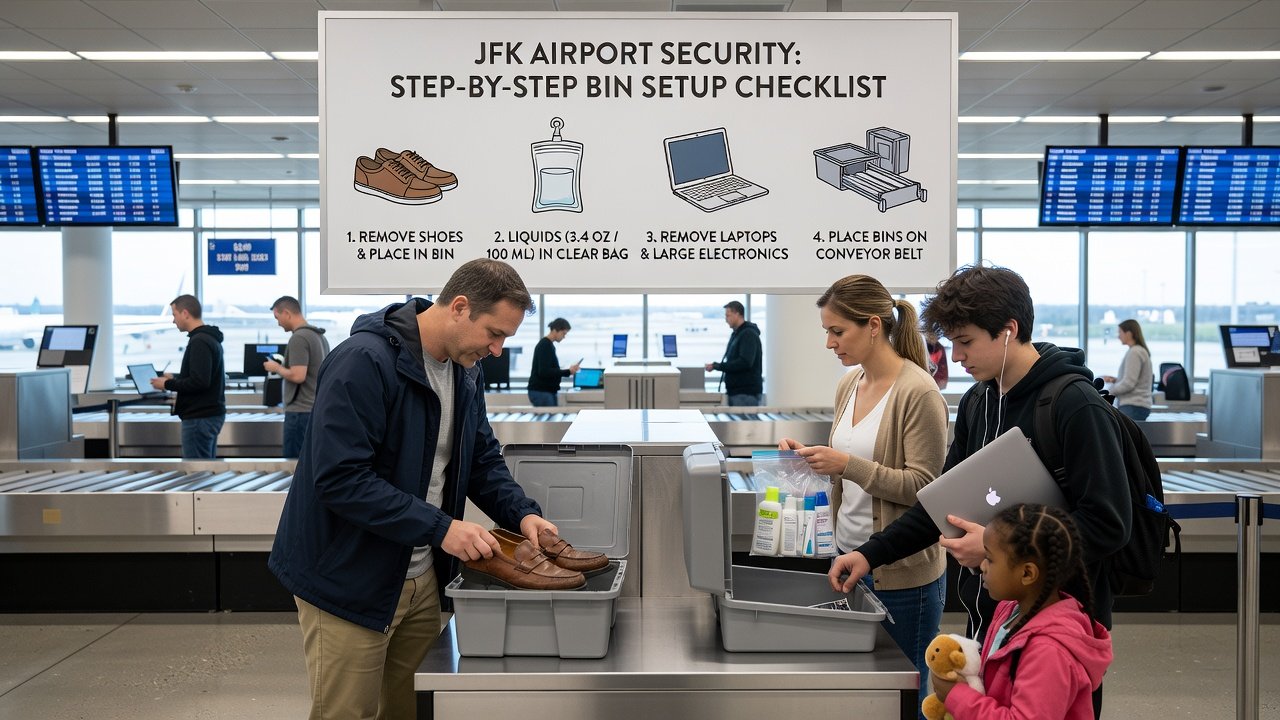
- Remove outer jacket, belt, and shoes first and place them in bin one.
- Transfer the clear liquids bag and all electronics into bin two.
- Keep passport, boarding pass, and any required forms in your hand or a small wallet bin.
- Roll clothing items tightly inside the main suitcase to reduce bulk and improve scan clarity.
- Place your carry-on bag flat on the belt after the bins so agents can easily add it if further inspection is needed.
Practicing this sequence at home with an empty suitcase builds muscle memory that pays off during actual travel days.
Family-Specific Strategies to Minimize Delays
Parents traveling with young children benefit from packing a separate transparent pouch containing diapers, wipes, snacks, and medications. This pouch can be handed directly to the agent for inspection without emptying the entire diaper bag. Stroller users should request the family lane when available and collapse the stroller only after placing it on the belt. Pre-boarding liquids such as baby formula or breast milk are exempt from the 100-milliliter limit at most checkpoints; declare these items clearly to security personnel. Scheduling a short practice run through a home hallway with bins can teach older children the routine and reduce anxiety at the real checkpoint.
Choosing Carry-On Bags for Evolving Scanner Tech
Look for carry-on bags with wide clamshell openings and minimal internal metal frames. Bags constructed from soft, flexible materials allow CT scanners to capture clearer images, often eliminating the need for manual unpacking. Choose models with a dedicated padded laptop compartment that lies flat against the back panel. Avoid bags with excessive zippers or decorative hardware that can trigger additional screening. UK government travel advice offers further guidance on selecting luggage that meets international security standards.
Prohibited Items Avoidance and Common Mistakes
Review the prohibited items list for both your departure and arrival countries before packing. Sharp objects, flammable liquids, and certain sports equipment remain banned in carry-on bags worldwide. Common traveler errors include forgetting to remove large water bottles from backpacks or leaving spare change in pockets. Another frequent mistake is wearing heavy boots instead of slip-on shoes, which adds extra time at the divestiture station. To avoid these pitfalls, create a final checklist the night before departure and perform a pocket check at the security entrance.
FAQ
What are the latest liquid rules in 2026?
Most airports still enforce the 100-milliliter limit, but CT-equipped terminals may allow larger containers to remain in bags. Confirm your specific airport’s scanner technology before travel.
How do global PreCheck programs compare?
TSA PreCheck focuses on domestic U.S. speed, while Heathrow’s Registered Traveller service emphasizes biometric immigration. Global Entry combines both security and customs benefits for international travelers.
Which carry-on bags work best with new scanners?
Soft-sided clamshell bags with external laptop access perform best because they reduce the need for full unpacking during screening.
What should families pack differently?
Separate clear pouches for children’s essentials, extra time for stroller handling, and declared liquids for infants help families move faster through dedicated lanes.
Conclusion
Mastering these 2026 airport security packing hacks transforms potentially stressful checkpoints into smooth, predictable experiences. By organizing liquids and electronics strategically, selecting compliant luggage, and understanding regional differences at airports like JFK and Heathrow, travelers can significantly reduce delays. Combine these techniques with enrollment in trusted traveler programs and consistent use of checklists for reliable, stress-free journeys throughout the year. IATA security guidelines provide additional global context for evolving aviation standards.

No comments yet. Be the first!