 PlaceBee
Introduction to 2026 Airport Security Variations
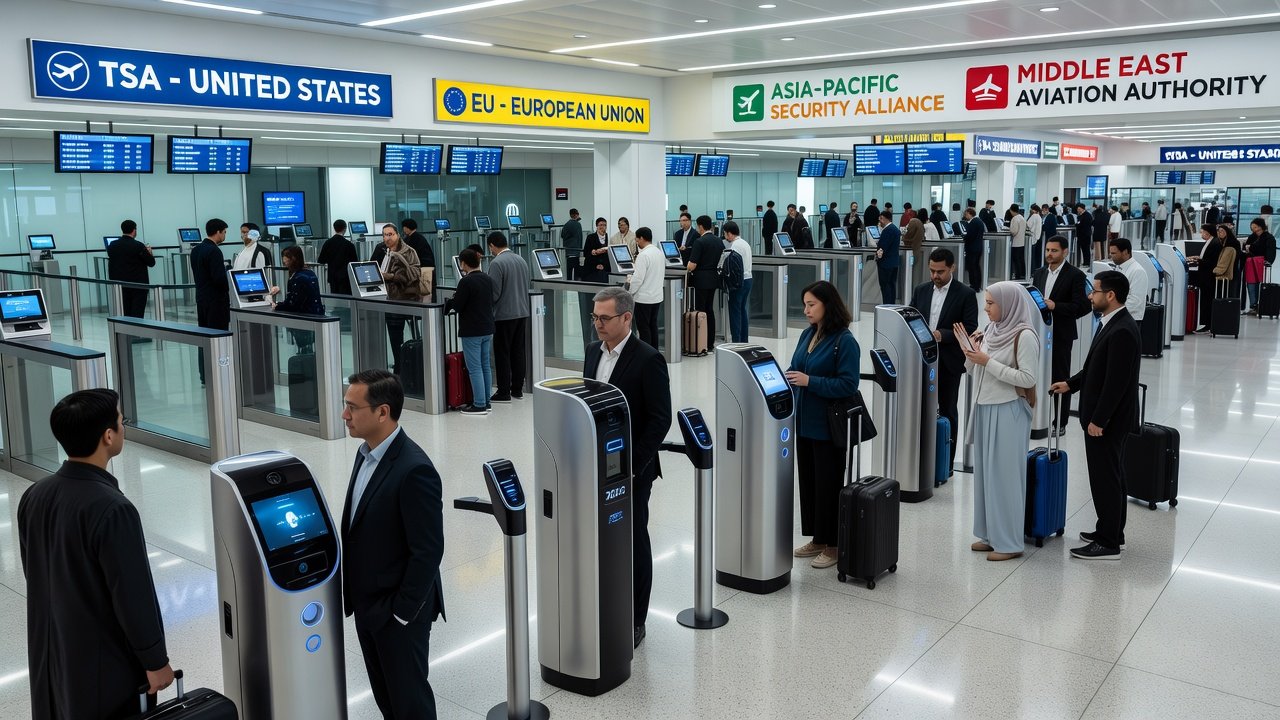
Navigating airport security in 2026 requires understanding regional differences that can make or break your travel experience. From the TSA's evolving protocols in the United States to stringent EU standards and innovative systems in Asia-Pacific and the Middle East, each area presents unique challenges and opportunities. This guide provides practical hacks, packing adjustments, and step-by-step checklists to help you breeze through checkpoints worldwide. With advancements in biometric technology and AI-driven scanners, travelers who prepare strategically save time and avoid common pitfalls like liquid restrictions or electronics mishandling. Whether you are a frequent flyer or planning a once-in-a-lifetime trip, knowing these variations ensures smoother journeys and reduces stress at every checkpoint.
TSA Security: United States Focus
The TSA continues to refine its processes with updated scanner tech in 2026. PreCheck remains a top option for expedited screening, but alternatives like CLEAR and Global Entry offer similar benefits for frequent flyers. At major hubs such as JFK in New York or LAX in Los Angeles, passengers in PreCheck lanes often experience significantly reduced wait times compared to standard lines. For example, a traveler carrying only a laptop and personal items can move through PreCheck in under five minutes during off-peak hours.
Practical Packing Adjustments for TSA
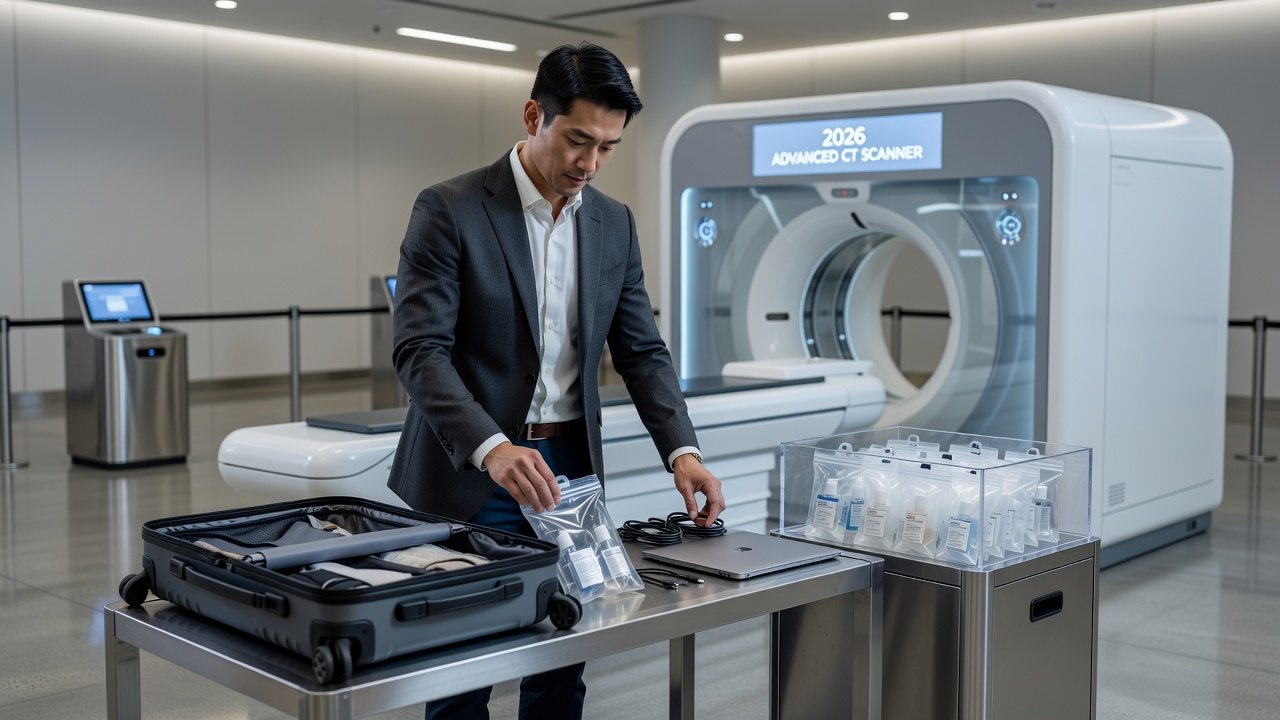
Start by organizing your carry-on with dedicated compartments for liquids and electronics. Use a clear quart-sized bag for liquids, but remember that some gels and aerosols may require separate screening if they exceed standard limits. Electronics like tablets and laptops must be removed and placed in individual bins. Insider strategy: pack a small pouch with your passport, boarding pass, and any necessary documents at the top for quick access when agents request ID verification.
- Pack liquids in a clear quart-sized bag, but note updated rules allowing some larger containers if screened separately.
- Remove electronics larger than a cell phone for separate bin placement.
- Use packing cubes to organize items for quick access during checks.
- Label all cables and chargers to avoid confusion if bins are mixed during busy periods.
Learn more on the TSA official site.
EU Aviation Security Standards
European Union checkpoints emphasize uniformity across member states, with a focus on 100ml liquid rules and enhanced biometric checks at major hubs like Heathrow and Charles de Gaulle. The EU's approach integrates facial recognition systems that match passengers to their boarding passes without physical documents in many cases. A common pitfall is forgetting to declare oversized liquids from duty-free purchases; always keep receipts handy as proof of purchase within the airport.
PreCheck Equivalents in Europe
Programs like the EU's Registered Traveller or national fast-track options provide expedited lanes. Always verify eligibility through official channels before travel. For instance, British Airways passengers at Heathrow can use the Smart Check service, which combines biometrics with automated gates for seamless progression.
Asia-Pacific Innovations
Airports in Singapore, Tokyo, and Sydney lead with contactless biometric systems that reduce physical contact and wait times significantly. Changi Airport in Singapore uses advanced facial recognition that allows passengers to walk through dedicated corridors without stopping. These systems have reported success rates above 95 percent for registered users in recent trials.
Step-by-Step Electronics Handling Checklist
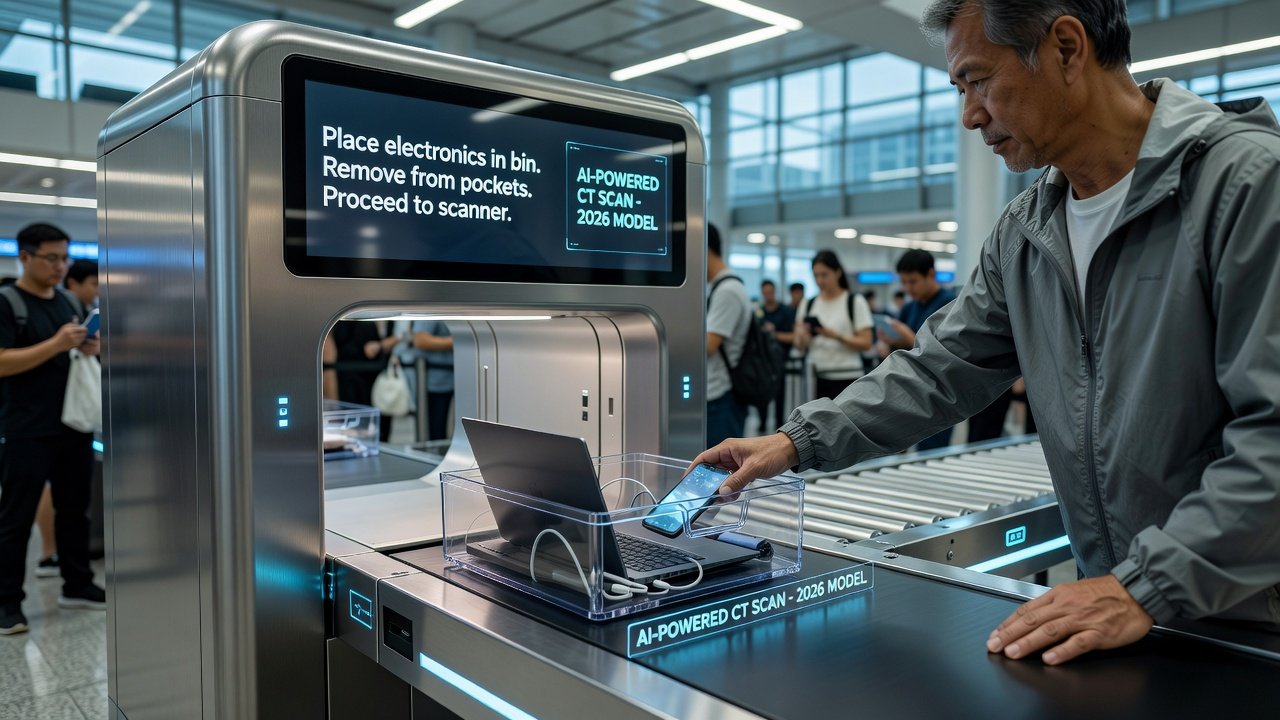
- Power off devices before placing in bins.
- Separate laptops and tablets in dedicated trays.
- Ensure batteries are easily accessible for inspection.
- Double-check that no loose cables remain tangled, which can trigger additional manual searches.
- Prepare a backup power bank in a separate pocket for quick removal if required.
Middle East Screening Processes
Regions like Dubai and Doha feature advanced CT scanners that allow liquids in carry-ons without removal, streamlining the process for international travelers. At Dubai International Airport, the new CT technology scans bags in three dimensions, reducing the need for passengers to remove shoes or belts in most cases. Practical example: a family traveling with baby formula can keep it in the bag without decanting, provided the volume is reasonable and declared if asked.
New Scanner Tech and Insider Strategies for 2026
Across all regions, AI-enhanced CT scanners and millimeter-wave technology are becoming standard. In the US, these reduce false positives by 30 percent compared to older models. In Asia-Pacific, full-body scanners now integrate with mobile apps for pre-registration. Insider hack: download airport-specific apps in advance to receive real-time alerts about lane closures or peak times. Always wear easy-slip shoes and avoid heavy belts to speed up the divestment process.
Comparisons of Wait Times and Success Rates
2026 data shows TSA PreCheck lanes averaging under 10 minutes at major U.S. airports, while EU fast-track options vary from 5-15 minutes depending on the hub. Asia-Pacific biometric gates boast the highest success rates for seamless passage, often under three minutes at Changi or Narita. Middle East checkpoints like DXB report average standard waits of 12-20 minutes but drop dramatically with registered programs. Compare your itinerary against historical data from each airport's website to choose optimal flight times.
FAQs on Family and Medical Accommodations
How do families with children navigate security? Most regions allow families to stay together, with dedicated family lanes available in the EU and Middle East. Request assistance at the entrance if traveling with strollers or car seats, as agents often provide priority routing.
What about medical devices? Notify agents in advance and carry documentation; TSA and EU protocols accommodate these with minimal disruption. In Asia-Pacific, many airports offer private screening rooms for privacy during checks involving medical equipment.
Are there accommodations for passengers with disabilities? Yes, all major regions provide wheelchair assistance and priority lanes upon request. Pre-register with your airline for the best experience.
Conclusion
By tailoring your approach to each region's security nuances, you can transform stressful checkpoints into efficient experiences. Stay updated on the latest tech through reliable sources like IATA and ICAO for ongoing success in 2026 and beyond. Apply these pro hacks on your next trip to enjoy stress-free travel no matter the destination.
No comments yet. Be the first!