 PlaceBee
Introduction to 2026 Trusted Traveler Programs
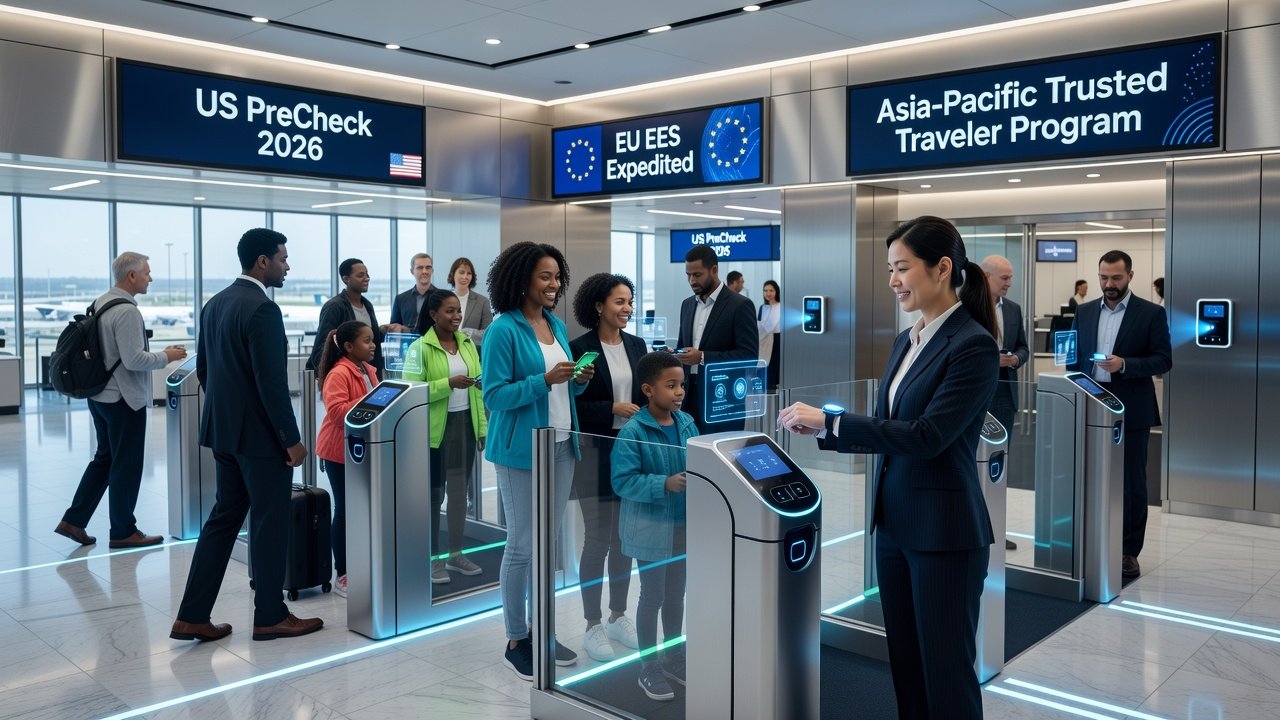
Airport security in 2026 continues to evolve with advanced biometric scanners and streamlined trusted traveler initiatives. These programs reduce wait times dramatically at checkpoints across the US, EU, and Asia. Frequent flyers benefit from expedited screening that aligns with regional regulations while maintaining high safety standards. As global travel rebounds strongly, understanding these programs becomes essential for minimizing stress and maximizing efficiency during international journeys. Travelers who enroll in multiple regional schemes often report smoother transitions between continents, with fewer delays and more predictable experiences at security.
US PreCheck and Global Entry Enrollment Steps
US programs like TSA PreCheck and Global Entry remain cornerstones for North American travelers. Start by creating an account on the official TSA website, complete the online application, and schedule an in-person interview at an enrollment center. Eligibility requires US citizenship or permanent residency, a clean criminal record, and passing a background check. Processing typically takes 4-6 weeks. Applicants must also provide detailed travel history and undergo fingerprinting during the interview. Once approved, members receive a Known Traveler Number that can be added to flight reservations for automatic expedited screening at participating airports.
EU Registered Traveller Programme Details
The EU's Registered Traveller Programme targets frequent business travelers and offers expedited lanes at major Schengen airports. Enrollment involves submitting an online form through national authorities, followed by a personal interview and biometric data capture. Eligibility focuses on EU residents or frequent visitors with at least five prior entries in the previous year. Background checks emphasize security records across member states. Approved members enjoy dedicated lanes that bypass standard queues at hubs like Frankfurt and Amsterdam.
Asia Trusted Traveler Initiatives
Asian programs such as Japan's Trusted Traveller Program and Singapore's Fast Track emphasize regional mobility for citizens and long-term residents. Applications require proof of travel frequency, biometric enrollment, and approval from immigration authorities. Singapore's system integrates with Changi Airport's automated gates, while Japan's program covers Narita and Haneda with streamlined customs processes. Many Asian schemes also partner with airlines for priority boarding benefits.
Eligibility Comparisons Across Regions
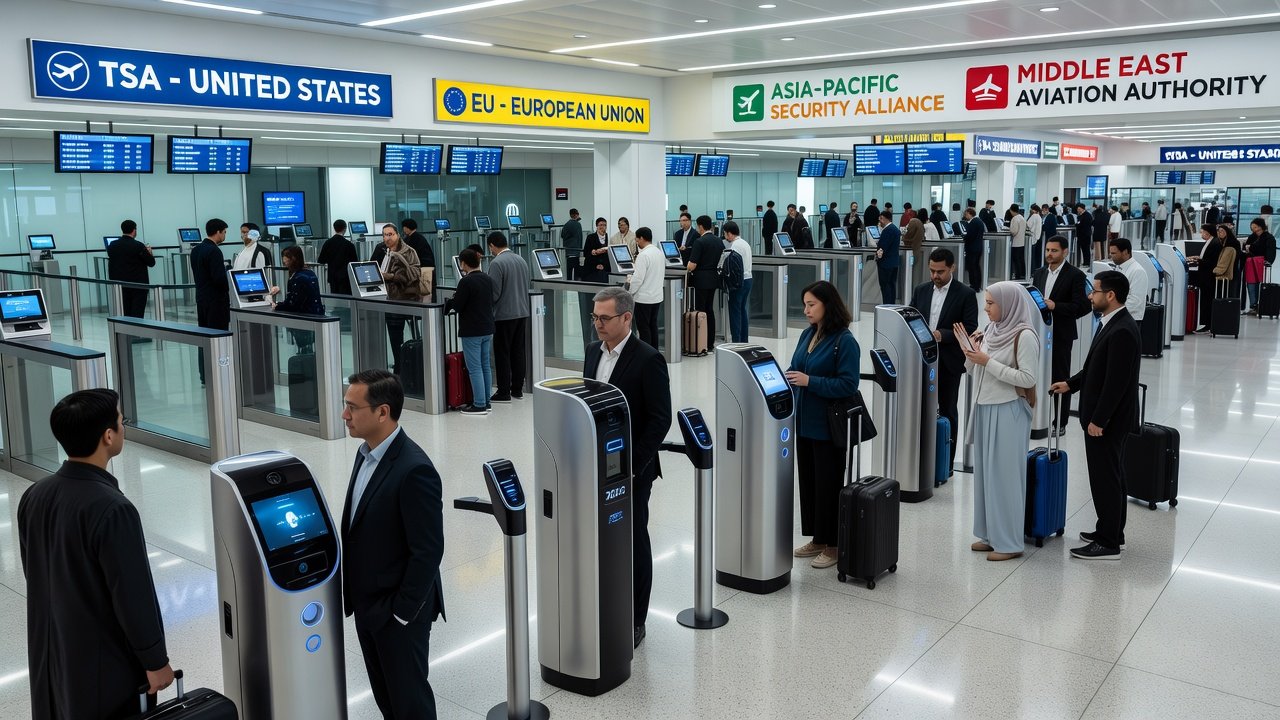
In the US, applicants must be at least 18 and provide fingerprints. EU programs such as the Registered Traveller Programme focus on frequent business travelers with similar vetting but emphasize Schengen area mobility. Asian initiatives, including Japan's Trusted Traveller Program and Singapore's Fast Track, prioritize citizens and long-term residents with robust travel histories. Cross-comparisons show US programs offer the broadest airport coverage while EU options integrate more seamlessly with rail and ferry security. Asian programs often provide additional perks like lounge access at select airports. Travelers should evaluate their primary routes before choosing which programs to pursue first.
TSA official resources provide detailed application guides updated for 2026.
Packing Techniques Aligned with Regional Scanner Rules
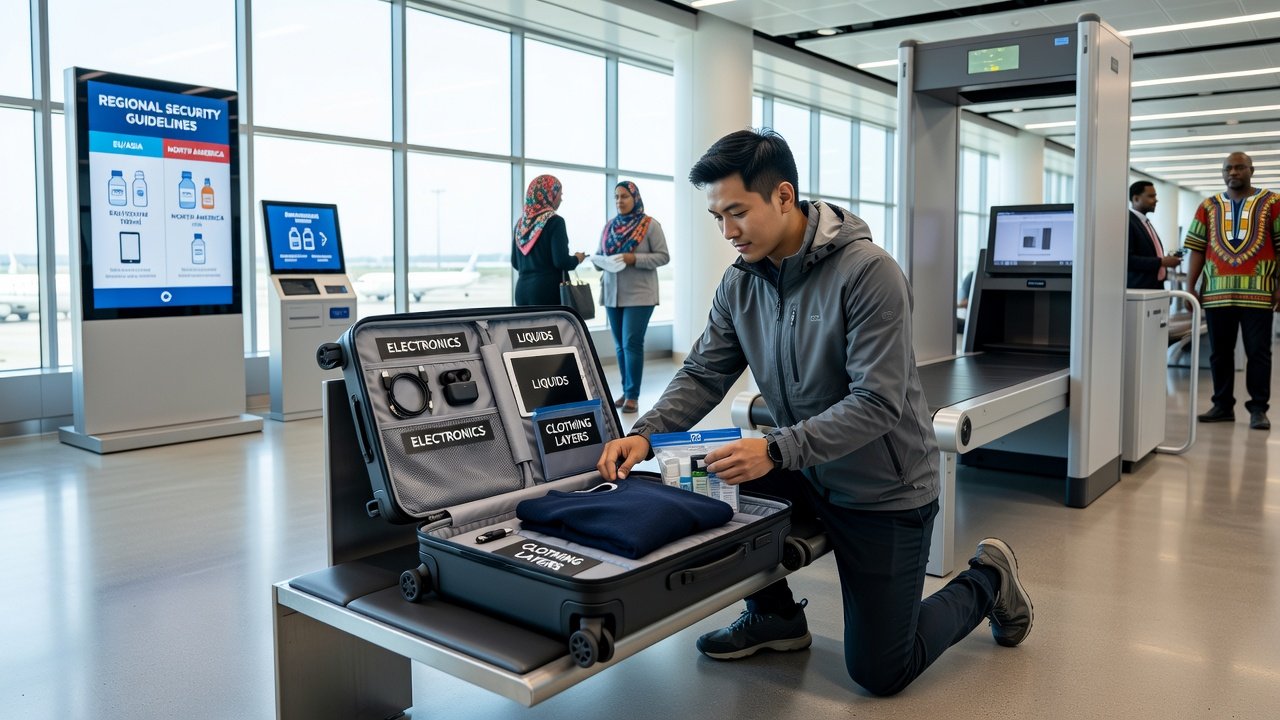
Effective packing starts with understanding scanner differences. US millimeter-wave scanners allow most liquids in quart-sized bags but flag dense items. EU body scanners are sensitive to electronics, so pack laptops in easily accessible compartments. In Asia, many hubs use CT scanners that permit larger liquid volumes—check local guidelines before travel. Pro travelers recommend using compression cubes to separate items by region-specific rules. For US flights, keep shoes on if possible in PreCheck lanes. In Europe, remove all metallic accessories ahead of time. Asian checkpoints often allow tablets to remain in bags due to advanced imaging technology.
- Layer clothing for easy removal of jackets and belts.
- Use packing cubes to organize items by scanner type.
- Pre-approve electronics and liquids in clear bags for quick access.
- Include a portable power bank in an outer pocket for quick inspection if needed.
- Separate medications with proper documentation in a dedicated pouch.
Real Examples of Time Savings at Major Hubs
At New York’s JFK, PreCheck users report average savings of 30-45 minutes during peak hours. London Heathrow’s EU trusted lanes cut waits by half compared to standard queues. Tokyo Narita’s Asia program often shaves 20 minutes off security for enrolled passengers, based on 2026 operational data from major carriers. At Los Angeles International, Global Entry members frequently bypass long immigration lines entirely after landing from Asia. In Singapore, Fast Track participants move through security in under five minutes on average during busy periods. Frankfurt Airport data shows EU registered travelers saving up to 40 minutes on connecting flights within Europe.
Global Application Checklists
Prepare a master checklist before applying to multiple programs:
- Verify passport validity for at least six months beyond travel dates.
- Gather proof of residency and travel frequency.
- Schedule biometric appointments in advance.
- Track application status via official portals.
- Renew memberships before expiration to avoid gaps.
- Prepare digital copies of all approval documents for quick reference.
- Coordinate interview dates across regions to minimize travel for enrollment.
Common Pitfalls to Avoid
Many travelers overlook renewal deadlines or fail to update contact information, leading to application delays. Avoid mixing prohibited items across regions—medications allowed in one area may require documentation elsewhere. Always double-check carry-on restrictions specific to your departure airport. One common mistake is assuming PreCheck status automatically applies to international arrivals; Global Entry is needed for customs benefits. Another pitfall involves not removing liquids properly in non-CT scanner environments, causing secondary screening. Frequent flyers should also monitor policy changes announced by each authority to stay compliant.
FAQs on Combining Programs for Frequent Flyers
How do I combine US and EU programs? Apply separately but use shared biometric data where possible for faster processing. Can Asian programs integrate with Global Entry? Some reciprocal agreements allow expedited entry at partner airports. What if my application is denied? Appeal processes exist through each authority with detailed feedback provided. Do programs expire at the same time? Renewal cycles vary, so set calendar reminders for each. Can family members share benefits? Most programs require individual enrollment, though some offer family discounts during application. Is there a master list of participating airports? Official government sites maintain updated directories for each program.
CBP trusted traveler information and EU travel security guidelines offer additional global insights. Further standards are available via ICAO trusted traveler standards.
Pro Tips for Seamless Checkpoints in 2026
Advanced travelers maintain digital copies of their Known Traveler Numbers in airline apps for instant access. Arrive at the airport with pre-sorted documents to speed through verification. Monitor real-time airport apps for lane status updates before heading to security. Combine programs strategically for multi-continent itineraries, such as pairing US PreCheck with EU registration for transatlantic routes. Always carry a backup printed approval letter in case of system glitches at biometric gates.
Conclusion and Actionable Next Steps
Mastering 2026 PreCheck programs requires proactive planning and regional awareness. Combine programs strategically, follow updated packing rules, and leverage time-saving hacks at hubs like LAX, Frankfurt, and Seoul Incheon for stress-free journeys. Stay informed through official channels to maximize benefits year-round. Begin by assessing your most frequent routes and submitting applications to the top two or three relevant programs today.
No comments yet. Be the first!