 PlaceBee

Introduction to Advanced Urban Transit in 2026
Navigating major cities efficiently requires more than basic route planning. In 2026, public transit systems integrate sophisticated apps with real-time data, seamless payments, and predictive crowd management. This guide delivers concrete strategies for Tokyo, Paris, and New York, focusing on time-saving features that locals rely on daily. Travelers who master these tools consistently report shorter commutes and reduced stress during peak periods. Understanding the underlying technology helps users anticipate changes before they impact journeys.
Key Features of Modern Transit Apps
Today's leading apps combine GPS accuracy with AI-driven predictions. Users access live vehicle locations, estimated arrival times adjusted for delays, and alternative routing that accounts for service changes. These tools reduce wait times significantly when configured properly. Additional layers include integration with weather data to suggest indoor transfers and historical pattern analysis for recurring trips. Customizable dashboards allow prioritization of speed versus comfort based on individual preferences.
Real-Time Features and Live Updates
Enable push notifications for service alerts in your chosen apps. Cross-reference multiple data sources to verify accuracy during peak hours. In dense networks, apps now incorporate sensor data from trains and buses for minute-by-minute updates. Advanced users set up geofenced alerts that activate only near specific stations. This prevents notification overload while ensuring critical information reaches you exactly when needed. Integration with smartwatches extends these capabilities for hands-free monitoring.
Payment Integrations Across Systems
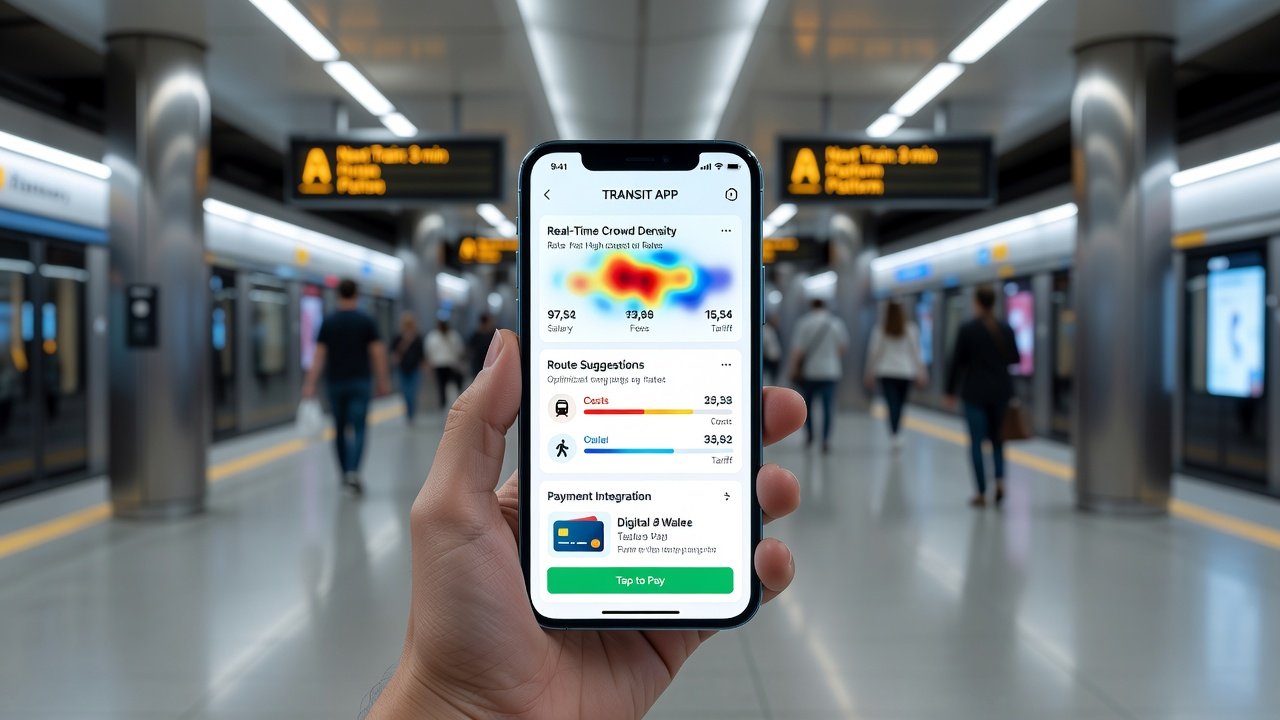
Link digital wallets directly to transit accounts for contactless entry. Many systems support unified passes that work across buses, subways, and regional rails. Set up recurring top-ups to avoid interruptions during travel. Explore multi-city pass options when planning extended stays. Security features such as biometric authentication protect accounts from unauthorized use. Review transaction histories regularly to identify any discrepancies early.
Offline Capabilities and Reliability
Download full route maps and schedules before trips. Offline mode preserves core navigation even without cellular data. Test this feature in advance to ensure cached data covers your intended paths. Some apps allow pre-loading of alternative routes for common disruptions. Battery-saving modes extend usability during long journeys without recharging access. Always verify data freshness upon reconnecting to networks.
Safety Protocols for Urban Commuters
Share live location with trusted contacts through app settings. Use well-lit stations and avoid isolated cars during late hours. Report issues directly via integrated safety buttons that connect to transit authorities. Familiarize yourself with emergency exit maps available in most apps. Cultural awareness plays a role; research local etiquette to blend in and minimize attention. Women-only cars in certain systems provide additional options during crowded times.
Tokyo Transit Mastery
Tokyo's extensive rail network demands precise timing. Configure apps to display platform numbers and transfer times. Follow step-by-step setup: install the official app, enable English interface, sync with IC cards for entry, and activate crowd heatmaps for peak avoidance. Practice navigating complex interchanges like Shinjuku by simulating routes offline first. Local users often combine multiple apps for redundancy during typhoon season disruptions. Track seasonal events such as cherry blossom crowds to adjust departure times accordingly.
Paris Navigation Strategies
Paris combines metro, buses, and trams with frequent disruptions from strikes or maintenance. Use apps that integrate RATP data for live rerouting. Practical checklist includes verifying ticket validity zones, setting language preferences, and monitoring station accessibility alerts. Expand your toolkit by adding bus-specific filters for scenic routes along the Seine. During major events like fashion weeks, pre-plan detours using historical delay data. Language barriers diminish with voice-guided navigation in multiple languages.
New York City Pro Tips
The MTA system benefits from apps offering bus arrival predictions and subway service status. Compare options such as Citymapper versus official MTA tools for different trip types. Implement crowd-avoidance by selecting less-used entrances and timing exits around event schedules. Explore express bus integrations for longer hauls across boroughs. Night owl features highlight 24-hour lines and safe transfer points. Regular updates incorporate construction impacts well in advance.
App Comparisons for 2026 Users
- Citymapper excels in multi-modal suggestions and walking integration with detailed elevation profiles.
- Google Maps provides broad coverage with strong offline support and street view previews of exits.
- Local apps like Tokyo Metro or RATP My Transilien deliver the most accurate native data and insider alerts.
- Transit app stands out for its minimalist interface focused solely on real-time vehicle tracking.
Crowd-Avoidance Strategies
- Check predicted occupancy levels before boarding and select carriages with lower density indicators.
- Shift travel by 15-30 minutes during rush periods to bypass the heaviest flows.
- Choose parallel routes using secondary lines that locals prefer for shorter segments.
- Monitor event calendars that impact station volumes such as sports games or concerts.
- Utilize side entrances and lesser-known exits identified through user-generated content in apps.
Handling Disruptions and Language Barriers
FAQs address common issues: Download translation plugins within apps for non-English announcements. When service halts, immediately activate alternative routing and notify companions via shared links. For language barriers, pre-load key phrases in the app's help section. Create personal glossaries of station names in native scripts. Backup plans should include taxi or rideshare fallbacks with pre-saved addresses. Practice scenarios for major outages like power failures or signal problems.
Practical Checklists
Pre-trip: Update all apps to latest versions, download offline maps for entire metro areas, link and test payment methods, review recent user reports. On arrival: Verify station exits against app visuals, enable location sharing with your group, scan for real-time alerts upon entry. Daily use: Review saved routes for optimization, adjust notification thresholds, log frequent paths for pattern-based suggestions, and clear cache periodically for performance.
Advanced Customization and Sustainability
Further personalize experiences by setting carbon footprint trackers within eco-focused apps. Integrate with fitness wearables to combine transit with walking goals. Avoid common mistakes such as ignoring transfer buffers or failing to update payment details after card expirations. Sustainability features highlight greener route options where available.
Conclusion
Applying these 2026 transit techniques transforms chaotic commutes into predictable journeys. Consistent use of advanced features across Tokyo, Paris, and New York yields measurable time savings and greater confidence in any urban environment. MTA official resources, RATP guidance, and Tokyo Metro tools provide ongoing updates to maintain peak performance.

No comments yet. Be the first!