 PlaceBee
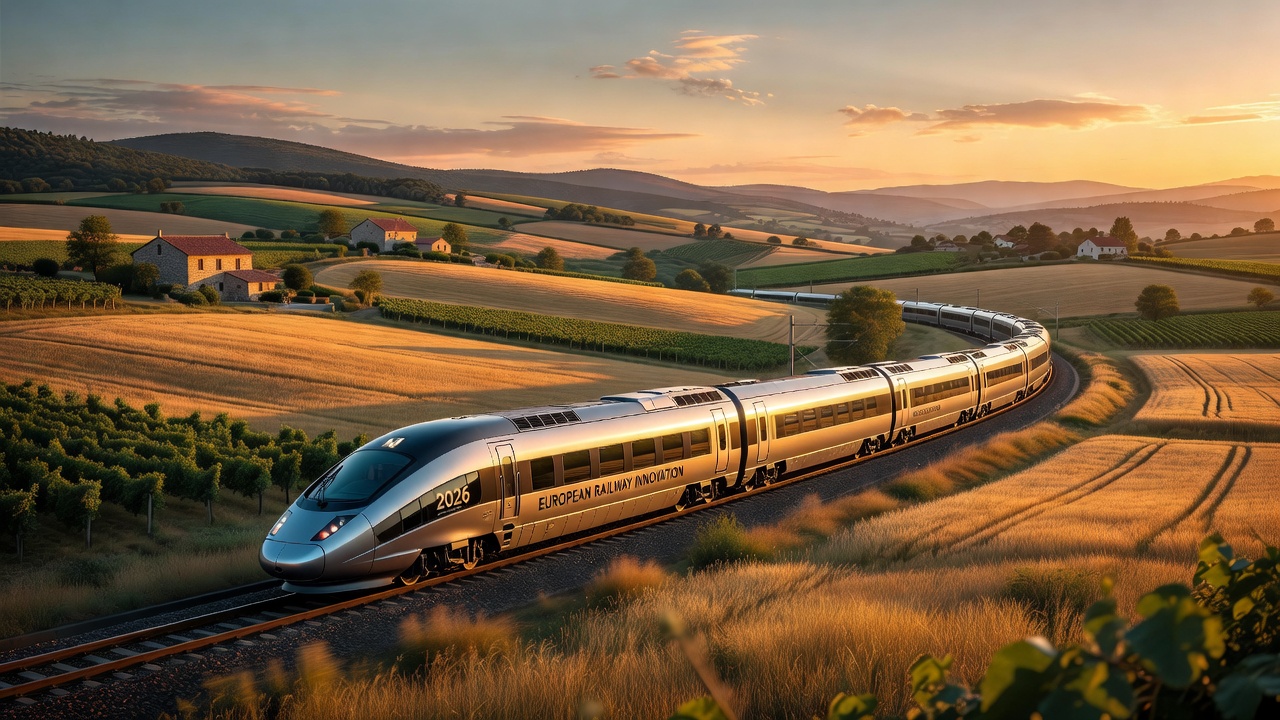
Introduction to 2026 Train Travel Mastery
Train journeys in 2026 offer a reliable, scenic, and often more sustainable alternative to flights for both domestic and international travelers. With advanced booking systems and route optimization tools now widely available, savvy travelers can save time and money while enjoying comfortable rides. This guide dives deep into pro-level strategies for seamless rail travel, covering everything from selecting the best platforms to handling unexpected delays with detailed examples and checklists. Whether you are crossing Europe on high-speed lines or exploring North American routes, these hacks will help you navigate the evolving landscape of rail travel efficiently.
Choosing the Right Booking Platforms in 2026
Start your planning with trusted platforms that aggregate schedules and fares across operators. Rail Europe remains a top choice for multi-country European trips, providing real-time availability and flexible ticket options that allow changes without heavy penalties. For North American routes, Amtrak offers integrated booking with loyalty rewards and seamless connections to regional services. Compare these against national operators for the lowest fares and best seat selections. In Asia, platforms like those tied to Japan Railways or China Railway provide similar tools but often require advance reservations during peak seasons. Pro travelers cross-reference multiple sites to spot hidden deals and bundle options such as seat reservations or meal inclusions. Always verify cancellation policies before purchase, especially for international itineraries where rules vary by country.
Optimizing Routes with Smart Tools
Route optimization goes beyond basic maps. Use apps that factor in transfers, scenic preferences, and peak-hour pricing. Tools integrated with Eurail allow dynamic rerouting based on live data, helping avoid crowded services. Test multiple itineraries to find the balance between speed and cost savings. For example, a traveler heading from London to Rome might compare direct high-speed options against scenic detours through the Alps, using real-time delay predictions to adjust. Advanced features in 2026 include AI-powered suggestions that consider your past travel preferences and current weather impacts on lines. Step-by-step, begin by inputting your origin and destination, filter for preferred departure times, then review alternative routes with estimated total durations including transfers.
Packing Techniques for Limited Storage
Train cabins have strict luggage limits, typically one large suitcase and one carry-on per passenger. Invest in compression packing cubes and lightweight, rolling duffels that fit overhead racks. Prioritize versatile clothing layers and avoid bulky items. Pack a dedicated day bag with essentials like chargers, snacks, and documents for easy access during the journey. Consider vacuum-sealed bags for seasonal items to maximize space. Real-world example: On a multi-leg European trip, one traveler reduced luggage weight by 30 percent using modular packing systems, making transfers smoother. Avoid common mistakes such as overpacking shoes or liquids that exceed security rules at stations. 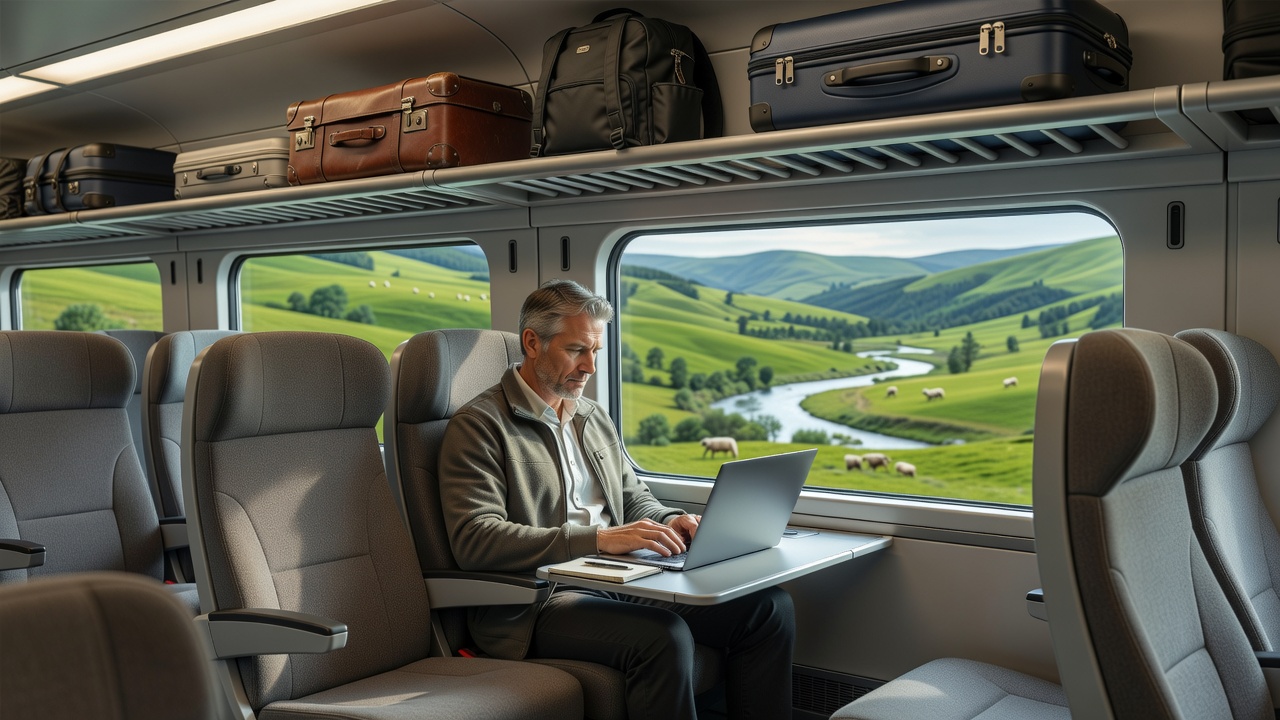
Navigating International Rail Passes
International rail passes like Eurail or Interrail provide unlimited travel across multiple countries. Choose the pass duration based on your itinerary length—continuous passes suit heavy travelers, while flexi passes work for occasional use. Always validate your pass before boarding and keep digital copies accessible offline. For instance, a two-month flexi pass allows 10 travel days within a two-month window, ideal for hopping between cities like Paris, Amsterdam, and Vienna. Compare pass types carefully, factoring in youth discounts or senior rates where applicable, and activate the pass at the first station. Combine passes with point-to-point tickets for uncovered segments to optimize overall expenses.
Handling Delays with Contingency Plans
Delays are inevitable, so build buffers into every itinerary. Download operator apps for live updates and alternative routing. Many services offer automatic rebooking for missed connections, but have backup plans such as nearby hotels or bus options ready. In a real-world scenario, a passenger on the Paris to Madrid route used a contingency plan involving a nearby hotel voucher when a two-hour delay cascaded into a missed connection. Create a personal delay kit with printed schedules, contact numbers for operators, and travel insurance details. Monitor social media feeds from rail companies for insider updates not yet in apps.
Sleeper vs Daytime Options: Real-World Examples
Sleeper trains excel on overnight routes, such as the Paris to Berlin journey, delivering rest and time savings while you arrive refreshed. Daytime trains shine for scenic routes like Switzerland’s Glacier Express, where panoramic views enhance the experience. Weigh privacy needs against ticket costs and journey length when deciding. Another example is the Amtrak Coast Starlight from Seattle to Los Angeles, offering daytime observation cars versus overnight roomettes that provide beds and private space. Consider factors like motion sickness on winding tracks or the value of social lounges on daytime services. For families, daytime options may allow more interaction, while solo travelers often prefer sleepers for productivity or rest.
Maximizing Comfort and Amenities Onboard
Long journeys benefit from strategic seat selection near quiet cars or power outlets. Many 2026 trains feature Wi-Fi, dining cars, and adjustable seating. Bring noise-canceling headphones and a portable charger. Explore onboard services such as bike storage or pet-friendly compartments if relevant to your trip.
Step-by-Step Boarding Protocols Checklist
- Arrive at the station 30-45 minutes early for international services to allow time for security and platform location.
- Locate your platform via station apps or boards and confirm any last-minute changes.
- Validate tickets or passes at gates if required, ensuring all passengers in your group are accounted for.
- Board only after announcements and stow luggage immediately in designated areas to keep aisles clear.
- Find your reserved seat using the coach and seat numbers displayed on overhead signs.
- Keep essentials like passports, medications, and a change of clothes in a personal bag under your seat.
- Introduce yourself to neighbors if in a shared compartment for smoother etiquette throughout the trip.
- Review emergency exits and onboard safety instructions before departure.
FAQs: Common Train Travel Questions
How do I request ticket refunds?
Most operators allow refunds within set windows via their websites or apps. Check terms at purchase, as flexible tickets usually offer better cancellation policies. Submit requests promptly with booking references for faster processing.
What accessibility features are available?
Modern trains include wheelchair spaces, accessible toilets, and priority seating. Book assistance in advance through the operator’s accessibility desk, providing details about mobility needs at least 48 hours prior.
Can I bring food and drinks onboard?
Yes, most services permit personal snacks and beverages, though some restrict strong odors or alcohol. Dining cars offer full meals on longer routes, and many allow purchasing options via app.
Conclusion
Mastering train travel in 2026 means combining smart technology with practical preparation. By following these hacks, you’ll enjoy efficient, enjoyable journeys that outperform flying in comfort and convenience while reducing your environmental footprint.


No comments yet. Be the first!