 PlaceBee

Introduction: Embracing Spontaneous Travel in 2026
Spontaneous trips deliver unmatched freedom by allowing travelers to chase flash deals and sidestep peak-season crowds. With advanced planning tools and real-time price alerts, anyone can lock in flights, hotels, and activities at significantly lower costs than traditional bookings. This comprehensive guide explores proven 2026 strategies for impulse adventures, covering everything from alert setup and flexible date searches to app comparisons, detailed workflows, real-world success stories, packing essentials, and risk management. Whether you are a frequent flyer or planning your first last-minute escape, these tactics help maximize savings while minimizing stress.
Why Last-Minute Booking Works in 2026
Airlines and hotels routinely release unsold inventory in the final weeks before departure to maximize occupancy. This creates windows of opportunity for flexible travelers who monitor price fluctuations. In 2026, improved algorithms and mobile notifications make it simpler to spot these bargains without committing to rigid schedules months ahead. The key lies in understanding supply dynamics and acting quickly when deals appear, often resulting in 30 to 50 percent savings compared to advance purchases.
Setting Up Effective Deal Alerts
Begin by registering accounts on major booking platforms and enabling notifications for chosen routes and destinations. Customize alerts to trigger on price drops within your budget range and preferred travel windows. Combine multiple apps to avoid missing opportunities, and review settings weekly to refine criteria based on past results. This proactive approach ensures you receive timely updates without constant manual checking.
Mastering Flexible Date and Destination Searches
Explore map-based or calendar tools on booking sites to scan entire regions instead of locking into one city. Shifting departure dates by even two or three days frequently reveals dramatically lower fares. This method also surfaces lesser-known destinations that offer similar experiences at better value, turning an unplanned trip into a rewarding discovery. Test various date combinations during off-peak midweeks for optimal results.
Comparing Hopper and Kayak for Last-Minute Deals
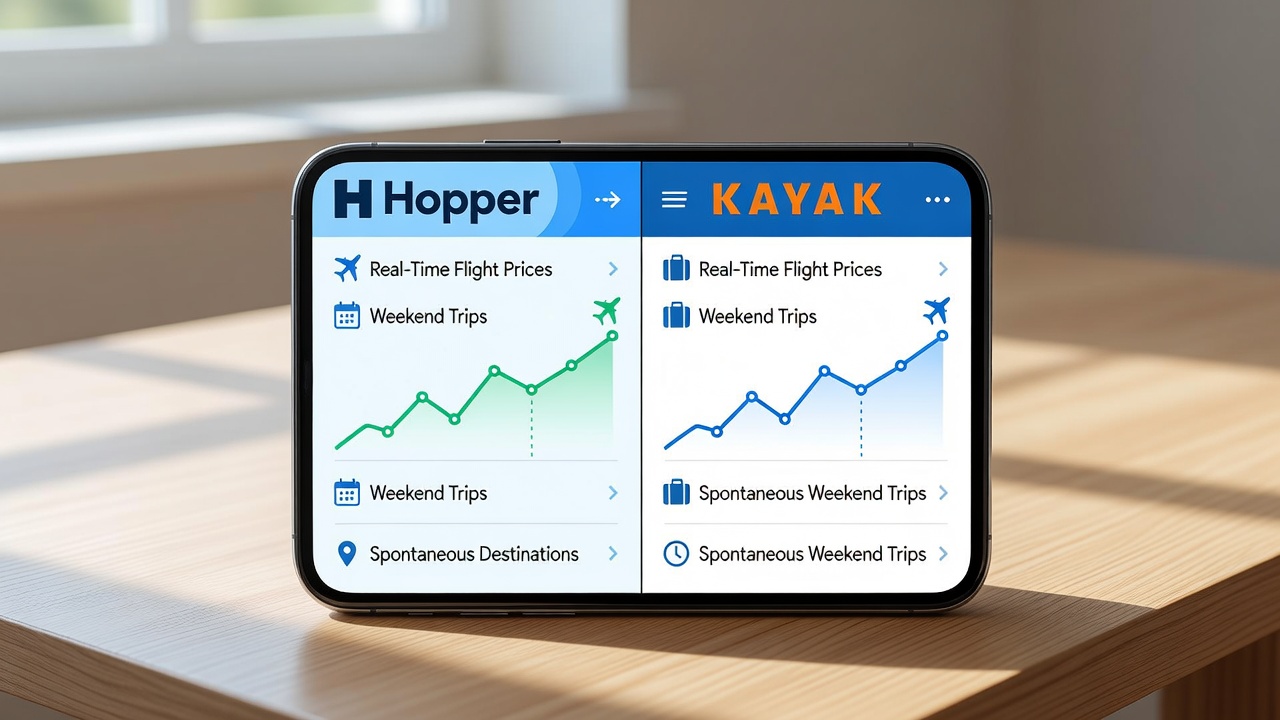
Hopper stands out for its predictive analytics that forecast whether prices will rise or fall, helping users decide the best booking moment. Kayak provides extensive price tracking across multiple carriers and flexible multi-city routing options. Both apps integrate user reviews and historical data, yet their interfaces differ in speed and customization depth. Many experienced travelers cross-reference both platforms simultaneously to confirm the lowest available rates before finalizing reservations. Experiment with each during low-stakes searches to determine personal preference.
Step-by-Step Last-Minute Booking Workflow
- Define a loose travel window of seven to ten days and input flexible parameters into your primary app.
- Activate real-time price alerts across at least two platforms and check notifications each morning.
- Compare live results from multiple sources, factoring in total cost including taxes and fees.
- Secure transportation first, then immediately search for accommodations and activities once flights are confirmed.
- Review all cancellation terms and download digital and printed copies of every confirmation.
- Monitor for further price drops post-booking and consider rebooking if savings exceed change fees.
Real-World Examples of Successful Spontaneous Getaways
A solo traveler from Chicago captured a round-trip flight to Reykjavik by monitoring alerts for ten days and booking just twelve days before departure, enjoying dramatic northern lights views at a fraction of typical cost. A couple in Seattle discovered a last-minute mountain cabin rental after three days of price tracking, converting an ordinary weekend into a memorable hiking retreat. Another example involves a family of four who used flexible destination tools to pivot from an expensive coastal trip to a more affordable inland lake destination, saving substantially while creating new traditions.
Packing Tips for Quick Departures
- Maintain a dedicated carry-on bag stocked with travel-size toiletries, chargers, medications, and a versatile mix of clothing layers suitable for changing weather.
- Organize items using packing cubes and compression bags to speed up both packing and unpacking processes.
- Include a compact first-aid kit and reusable water bottle to handle minor emergencies and stay hydrated during transit.
- Prepare digital copies of passports, insurance documents, and itineraries stored offline on your phone for quick access.
- Select wrinkle-resistant fabrics and mix-and-match outfits to minimize luggage volume while maintaining style options.
Risk Mitigation and Safety Strategies
Prioritize flexible or refundable fare classes whenever possible and thoroughly read each provider's cancellation policy before purchase. Acquire comprehensive travel insurance that covers trip interruptions and medical emergencies. Stay updated on destination conditions through official channels such as CDC travel resources and U.S. Department of State travel pages. Additional guidance on global health recommendations is available at World Health Organization. Always share itineraries with trusted contacts and maintain access to emergency funds.
Common Pitfalls to Avoid
Overlooking ancillary fees such as baggage charges or resort add-ons can erase apparent savings. Booking non-refundable experiences too early limits flexibility if plans shift. Failing to verify time zones, visa requirements, or local regulations often leads to avoidable complications at the airport or border. Double-check all details and maintain a buffer day in your schedule for unexpected delays.
Additional Tools and Emerging 2026 Trends
Beyond the main apps, consider integrating calendar sync features and browser extensions that highlight price changes across sites. Emerging trends include AI-driven personalized recommendations and loyalty program integrations that reward spontaneous bookings with bonus points. Staying informed about these developments ensures you remain competitive in the fast-moving last-minute market.
Conclusion
Last-minute travel in 2026 rewards preparation, flexibility, and quick decision-making. By mastering alerts, comparisons, and safety protocols, you can enjoy affordable spontaneous adventures with confidence. Apply these strategies consistently and refine them based on your experiences for even greater success in future trips.
FAQ
Is last-minute travel safe in 2026?
Yes, provided you consult official advisories, choose flexible bookings, and secure appropriate insurance coverage before departure.
What about refund policies?
Focus on options explicitly labeled flexible or fully refundable during checkout, and retain all confirmation emails for easy reference.
How can I maximize 2026 opportunities?
Combine multiple alert systems, remain open to alternative destinations, and travel during shoulder seasons to unlock the greatest value and availability.


No comments yet. Be the first!