 PlaceBee
Introduction
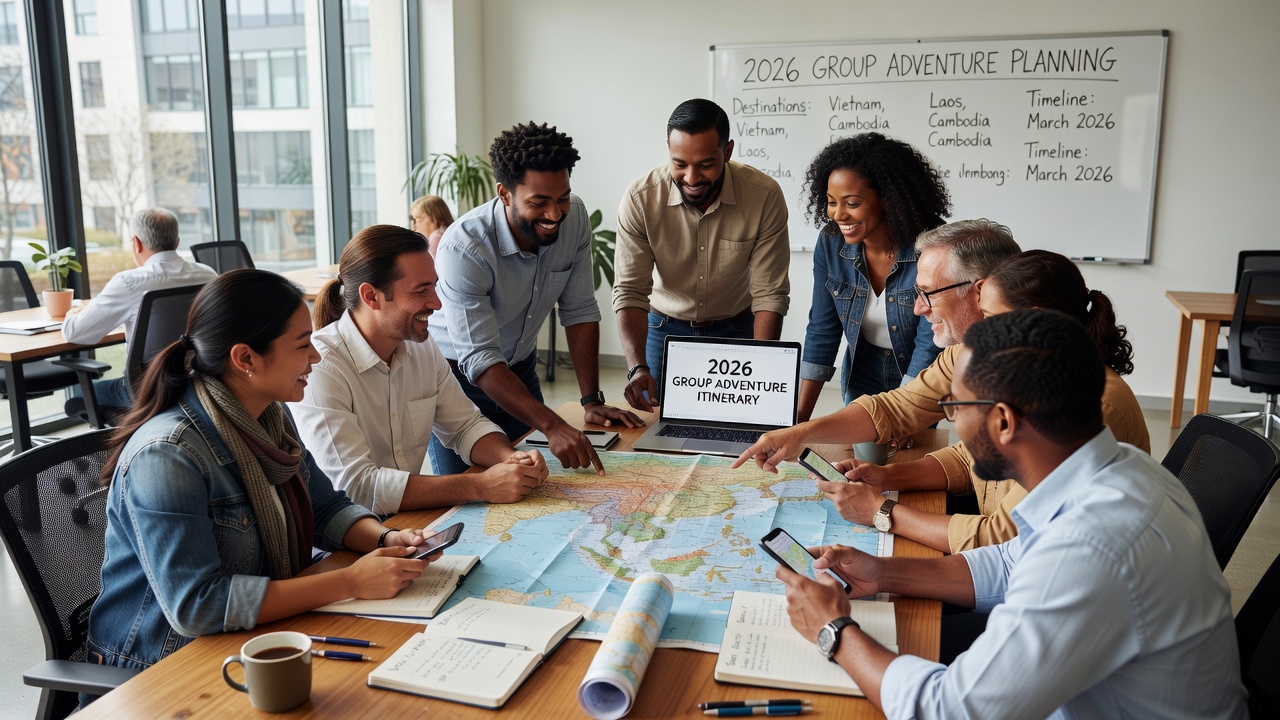
Planning group trips or family reunions in 2026 brings unique coordination challenges and group dynamics. Travelers must align diverse preferences while managing shared budgets and communication. This guide delivers practical strategies, real-world examples, and step-by-step processes to ensure seamless adventures for groups of all sizes. Whether organizing a multi-generational family reunion or a friends getaway, success depends on preparation that accounts for varying schedules, interests, and expectations. In 2026, technology plays an even larger role, but human elements like empathy and clear delegation remain essential. Groups that invest time upfront in planning avoid common pitfalls such as overspending, missed connections, or interpersonal conflicts that can derail an entire trip.
Aligning Diverse Preferences
Group members often have varying interests, from adventure seekers to relaxation-focused travelers. Start by creating a shared preference survey using tools like Google Forms or Microsoft Forms. Discuss top priorities early, such as activity levels or cultural experiences, to build consensus. For example, a family reunion group in 2026 might blend hiking with city tours by voting on options during initial planning calls. Break down preferences into categories like food, pace, and must-see attractions. Hold a virtual meeting where everyone ranks options anonymously to reduce bias. This method helped one group of eight friends narrow 20 destination ideas down to three finalists in under two hours. Consider personality types too—introverts may prefer quieter evenings while extroverts seek nightlife. Document all agreements in a shared cloud document so everyone can reference the final plan later.
Shared Budgeting Tools
Effective budgeting prevents financial stress. Use collaborative apps that track expenses in real time and split costs fairly. These platforms allow uploading receipts and setting spending limits visible to all. In practice, a group of friends traveling to multiple cities can categorize costs like lodging and meals to maintain transparency. Popular tools include Splitwise for automatic calculations and Trail Wallet for offline tracking during international trips. Set a group budget cap before booking anything and review it weekly. Assign one person as treasurer to approve large expenses. This approach works especially well when some members prefer luxury while others seek budget options. Always include a contingency fund of 10-15 percent for unexpected costs like weather delays or medical needs.
Communication Apps with Real-World Examples
Seamless communication is vital. Compare popular options: WhatsApp excels for quick group chats and voice notes, while Slack offers organized channels for trip details. Discord provides voice channels ideal for virtual planning meetings. A real-world example involves a multi-generational family using WhatsApp for daily updates during a European reunion, ensuring everyone stays informed without overwhelming notifications. Another group of 12 used Telegram for its robust polling feature when deciding daily activities. Establish communication norms early, such as response time expectations and which channel to use for urgent matters versus casual updates. During the trip, schedule a brief morning check-in to confirm plans and address any emerging issues before they escalate.
U.S. Department of State travel resources offer additional guidance on international group communications and safety protocols.
Dividing Responsibilities
Assign clear roles to distribute workload. One person handles bookings, another manages itineraries, and a third coordinates meals. Rotate tasks mid-trip to avoid burnout. This approach works well for larger groups, such as dividing logistics among 10 family members planning a reunion. Create a responsibility matrix listing each task, assignee, and deadline. Include roles like transportation lead, activity coordinator, and emergency contact. For long trips, rotate the emergency contact role daily so no single person carries constant stress. Review role assignments at the halfway point and adjust if someone feels overwhelmed. Clear division prevents duplication of effort and ensures nothing falls through the cracks.
Selecting Group-Friendly Destinations
Choose locations with diverse activities and good infrastructure. National parks provide options for all ages and fitness levels. Consider accessibility features and group accommodation availability. National Park Service sites help identify suitable spots with ranger programs suitable for groups. Look for destinations with flexible transportation options like shuttle services or walkable areas. Popular 2026 group choices include places like Banff or the Smoky Mountains because they offer both adventure trails and relaxed viewpoints. Factor in crowd levels by traveling in shoulder seasons. Always verify that accommodations can handle your group size with enough bedrooms and common spaces for gatherings.
Handling Last-Minute Changes: Step-by-Step Processes
Unexpected issues arise; follow these steps: 1) Assess impact immediately via group poll. 2) Identify alternatives using shared documents. 3) Vote on solutions. 4) Update all bookings collectively. 5) Confirm new plans with a summary message. This method helped one group pivot from a canceled flight to train travel efficiently. Add a sixth step of notifying any external vendors or guides. Keep digital copies of all confirmations in a shared folder. Practice flexibility by building buffer days into the itinerary. When changes occur, focus on solutions rather than blame to maintain positive group energy. Document lessons learned after the trip for future planning.
Comparisons of Group Travel Apps
Evaluate apps based on features: TripIt centralizes itineraries, Splitwise manages finances, and Roadtrippers aids route planning. Compare ease of use, cost, and integration. Groups often prefer apps with offline access for remote areas. Create a comparison table in your planning document listing pros and cons of each. For instance, TripIt shines at consolidating flight, hotel, and activity bookings into one timeline while Splitwise excels at splitting uneven expenses like shared taxis. Test two apps during early planning to see which interface feels most intuitive for your group. Integration with calendars and maps can save hours of coordination time. Many groups combine two or three tools rather than relying on a single solution.
Packing Solutions for Multiple People
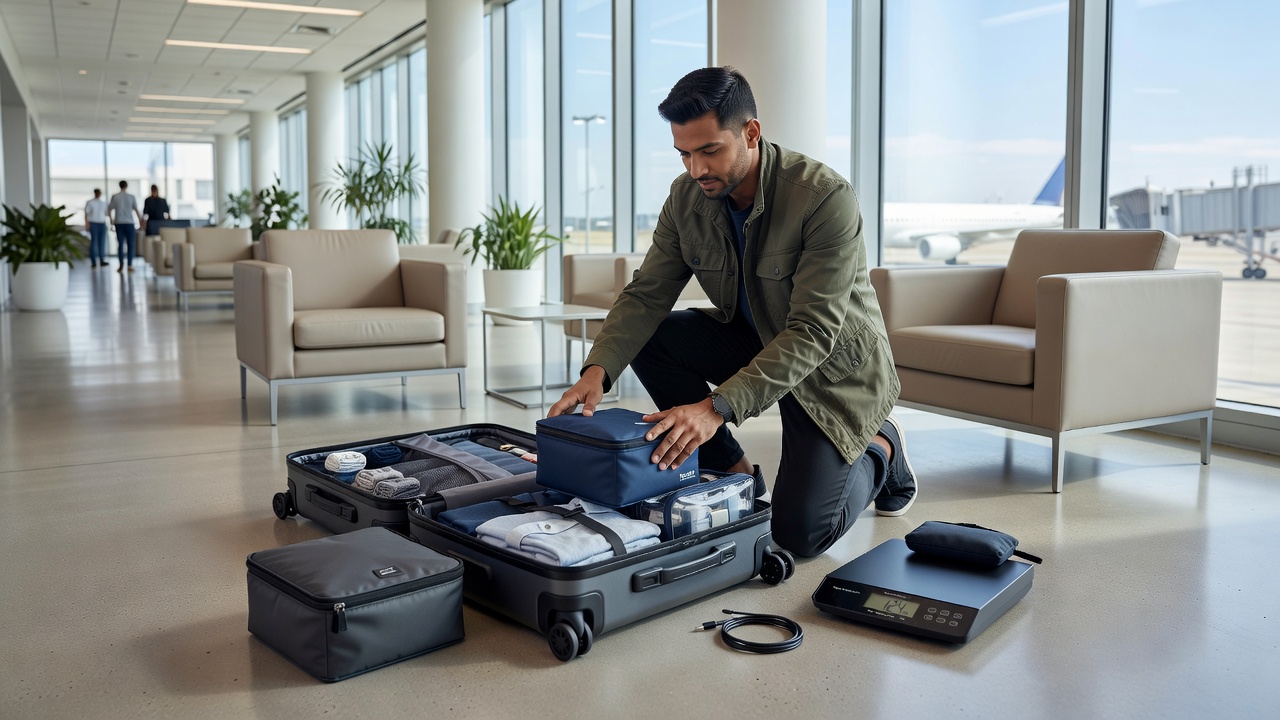
Organize shared packing lists in spreadsheets. Use color-coded luggage tags and communal items like first-aid kits. For families, consolidate toiletries into one large kit to save space. 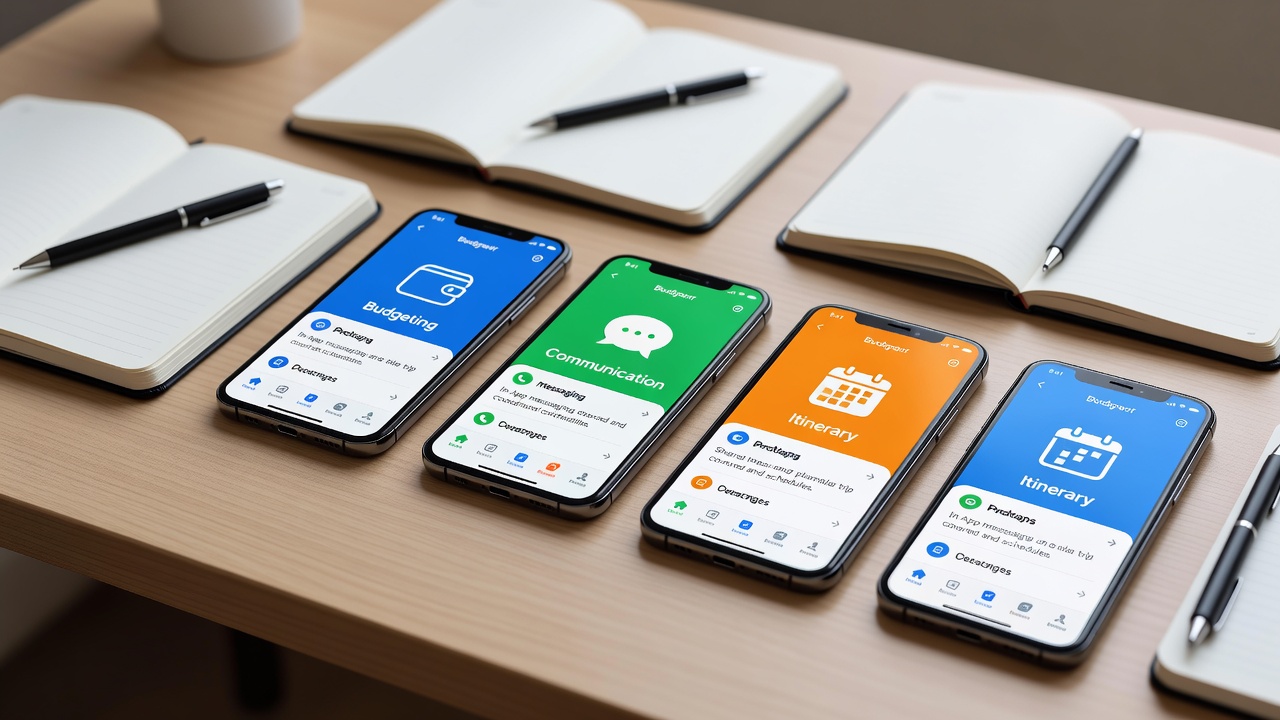
Health and Safety Considerations
Group health planning is critical in 2026. Collect medical information and emergency contacts from every participant in advance. Research local healthcare options at your destination and purchase group travel insurance that covers cancellations. CDC Travelers' Health provides up-to-date advice on health considerations for group travel. Designate a first-aid lead responsible for carrying a well-stocked kit. Discuss potential risks like altitude sickness or foodborne illness openly so everyone knows symptoms and responses. Schedule rest days to prevent exhaustion, especially on active itineraries.
FAQ
How do we handle dietary restrictions?
Collect restrictions in advance and share with restaurants or prepare alternative meals. Label all shared food clearly. Create a shared document listing allergies, preferences, and severity levels. When booking dining experiences, confirm accommodations at least two weeks ahead. On the trip, assign one person to double-check menus and suggest safe options. This proactive approach prevents uncomfortable situations and ensures everyone enjoys meals together.
What about conflict resolution during trips?
Establish ground rules early and use neutral mediators. Schedule daily check-ins to address issues promptly. Encourage private conversations for personal grievances rather than group discussions. If tensions rise, suggest a short break or change of activity. Many groups find that revisiting the original shared goals helps refocus everyone on enjoying the experience rather than winning arguments.
Conclusion
Implementing these 2026 pro travel tips transforms group adventures into enjoyable, stress-free experiences. Focus on preparation, clear communication, and flexibility for lasting memories. With the right tools and mindset, your next group trip can become the highlight of the year for everyone involved.

No comments yet. Be the first!